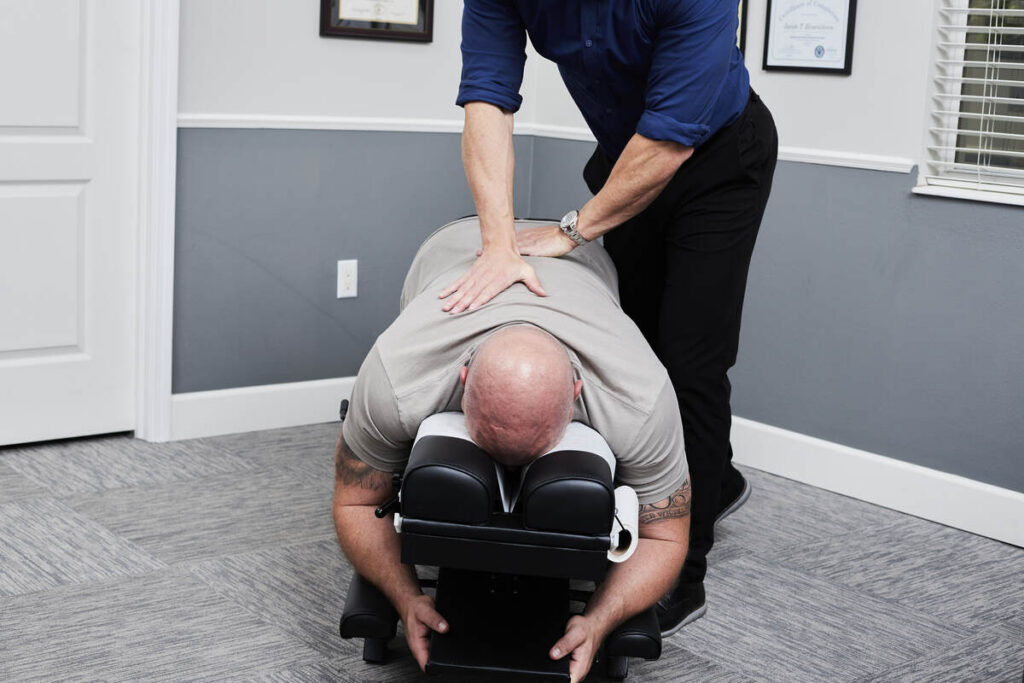
When it comes to enhancing mobility, expert care isn't just beneficial—it's essential. You might face various limitations that hinder your daily activities, and understanding the right approach can make a significant difference. By partnering with skilled professionals, you can receive tailored guidance that focuses on your unique needs and goals. This collaborative effort can open pathways to recovery you may not have considered. But what specific strategies can truly transform your mobility experience?
Importance of Mobility
When it comes to your overall well-being, mobility can't be overlooked. Your ability to move freely impacts nearly every aspect of your daily life, from performing simple tasks to enjoying social activities. When you're mobile, you're empowered to engage with the world around you, fostering independence and enhancing your quality of life.
Think about how mobility affects your mood and mental health. Moving around stimulates endorphin production, which can boost your spirits and reduce stress. You'll likely find that even a short walk can lift your mood and help you feel more connected to your environment.
Moreover, maintaining good mobility helps prevent a range of health issues. Regular physical activity strengthens your muscles and bones, improving your balance and coordination. This not only reduces your risk of injuries but also promotes better cardiovascular health. You'll also improve your stamina, making day-to-day activities easier and more enjoyable.
Social interactions play an essential role in your emotional health, and mobility directly influences your ability to connect with others. When you can move freely, you're more likely to participate in gatherings, hobbies, and community events. This sense of belonging can greatly enhance your overall well-being.
Ultimately, prioritizing mobility means investing in your health and happiness. Whether through exercise, physical therapy, or simply staying active, taking steps to improve your mobility can lead to a more fulfilling life.
Types of Mobility Limitations
Mobility limitations can take various forms, affecting individuals in different ways. You might find yourself dealing with temporary issues, like a sprained ankle, which restricts your movement for a short period.
Alternatively, you may experience chronic conditions such as arthritis or multiple sclerosis, making everyday tasks increasingly difficult. These limitations can result in pain, fatigue, and frustration, impacting your overall quality of life.
Another common type of mobility limitation is related to age. As you grow older, you might notice that your balance, strength, and flexibility decline, making it harder to perform activities you once took for granted. This can lead to a fear of falling, which further restricts your mobility and independence.
Neurological conditions, including stroke or Parkinson's disease, can also create significant mobility challenges. You may experience tremors, muscle rigidity, or coordination issues, affecting your ability to walk or maintain stability.
In addition to these physical limitations, there are also psychological factors to contemplate. Anxiety and depression can manifest as reluctance to engage in physical activities, exacerbating your mobility issues.
Lastly, environmental barriers can play a role in mobility limitations. Uneven surfaces, narrow doorways, or lack of accessible transportation can limit your ability to move freely.
Understanding the various types of mobility limitations you might face can help you identify areas for improvement and support, paving the way for a more active and fulfilling life.
Benefits of Expert Care
When you choose expert care, you open up a range of benefits tailored just for you.
Personalized treatment plans guarantee that your unique needs are met, while specialized knowledge access speeds up your recovery time.
With this level of care, you're not just getting treatment; you're investing in your mobility and overall well-being.
Personalized Treatment Plans
Creating personalized treatment plans is vital for addressing the unique needs of each patient, ensuring ideal outcomes in their care. When you work with experts, they evaluate your specific situation, considering your medical history, lifestyle, and personal preferences. This tailored approach means you're not just another number; you're an individual with unique goals and challenges.
Your expert care team will collaborate to develop a strategy that prioritizes your needs. This may include selecting the right therapies, determining appropriate exercises, and establishing a timeline that works for you. By focusing on your strengths and limitations, they can guide you through a path that enhances your mobility effectively.
Moreover, personalized treatment plans foster better communication between you and your care team. You'll feel more engaged in the process, and your feedback will be valued. This partnership is fundamental, as it helps your team adjust the plan as needed, ensuring you stay on track to reach your goals.
In the end, personalized treatment plans not only optimize your care but also empower you on your journey toward improved mobility, bringing you closer to the active lifestyle you desire.
Enhanced Recovery Times
Expert care not only focuses on personalized treatment plans but also greatly enhances recovery times. When you receive specialized attention, your healing process accelerates markedly.
Experts understand your unique needs and can tailor interventions that minimize downtime and maximize effectiveness. This targeted approach means you're less likely to experience complications, leading to faster recoveries.
By employing advanced techniques and evidence-based practices, skilled professionals ascertain that you're on the path to recovery sooner. They monitor your progress closely, making necessary adjustments to your treatment plan as you heal.
This level of care reduces recovery times by addressing issues before they become setbacks, allowing you to regain your mobility quickly.
You'll also benefit from their experience in pain management, which can further expedite your recovery. With expert guidance, you're equipped with strategies to manage discomfort effectively, enabling you to focus on rehabilitation.
Specialized Knowledge Access
Accessing specialized knowledge from professionals can greatly enhance your care experience. When you consult experts, you tap into a wealth of information tailored to your specific needs. These professionals stay updated on the latest research, techniques, and therapies, ensuring you receive the most effective treatments available.
Expert care means you're not just getting a generic plan; you're getting a customized approach. These specialists understand the intricacies of your condition and how various factors—like age, lifestyle, and overall health—impact your mobility. With their insights, you can make informed decisions about your treatment options.
Additionally, expert professionals can identify underlying issues that might be overlooked by general practitioners. This thorough examination leads to better diagnosis and targeted interventions, ultimately speeding up your recovery process.
Moreover, their experience allows them to anticipate potential challenges you may face during your rehabilitation journey. With this foresight, you can work together to create strategies that keep you on track.
Role of Physical Therapy
When you're recovering from an injury or managing a chronic condition, physical therapy plays an essential role in restoring your mobility and improving your quality of life.
It's more than just exercises; it's a personalized approach tailored to your specific needs. Your physical therapist assesses your condition, identifies limitations, and crafts a treatment plan that addresses your goals.
You'll engage in targeted exercises designed to strengthen muscles, increase flexibility, and enhance coordination. These movements are vital for regaining strength and stability, allowing you to perform daily activities with greater ease.
Your therapist also educates you on proper body mechanics, which can prevent further injuries and promote healthier movement patterns.
One of the key benefits of physical therapy is the hands-on care you receive. Your therapist uses manual techniques to alleviate pain and facilitate healing. This might include massage, joint mobilizations, or other modalities that help improve your range of motion and reduce discomfort.
Moreover, physical therapy emphasizes the importance of setting realistic goals. This process encourages you to track your progress, which can be incredibly motivating.
As you achieve milestones, you'll likely notice improvements not just in mobility but also in your overall well-being.
Rehabilitation Techniques
Rehabilitation techniques are vital for anyone looking to regain strength and function after an injury or surgery. By incorporating specific exercises and modalities, you can maximize your recovery and enhance your mobility.
One of the most effective techniques involves physical therapy exercises tailored to your needs. These exercises focus on flexibility, strength, balance, and coordination, enabling you to rebuild your physical capabilities progressively.
You might start with simple movements, gradually advancing to more challenging tasks as your strength improves. Techniques like resistance training can help increase muscle strength, while stretching exercises maintain and improve your range of motion. It's important to work closely with your therapist to guarantee these exercises are done correctly to prevent further injury.
Another significant rehabilitation technique is manual therapy. This hands-on approach can alleviate pain and stiffness while promoting healing. Your therapist might use techniques like joint mobilization or soft tissue massage to facilitate recovery.
In addition, modalities such as heat and cold therapy can be beneficial. Heat can relax muscles and increase blood flow, while cold therapy can reduce inflammation and numb pain. Your therapist will guide you on when and how to use these techniques effectively.
Lastly, incorporating functional training into your rehabilitation can help you regain the skills needed for daily activities. By simulating real-life movements, you'll not only recover faster but also build confidence in your abilities.
Embrace these rehabilitation techniques, and you'll be on the path to enhanced mobility in no time.
Custom Wellness Plans
Creating a custom wellness plan starts with personalized treatment strategies tailored just for you.
Through thorough health assessments, you'll gain insights into your unique needs and goals.
Ongoing progress monitoring guarantees that you stay on track and adjust your plan as necessary for best results.
Personalized Treatment Strategies
Personalized treatment strategies are vital for achieving ideal health and mobility. When you commence your wellness journey, it's essential to tailor your plan to your unique needs and goals. By focusing on your specific health conditions, lifestyle, and preferences, you can create a roadmap that truly works for you.
Every individual is different, and what works for one person may not work for another. That's why customized treatment strategies often include a blend of therapies, exercises, and nutrition plans designed around you.
Whether you're recovering from an injury, managing a chronic condition, or simply looking to enhance your overall well-being, a personalized approach guarantees that you're not just following a generic template.
You might find that incorporating physical therapy, nutritional counseling, or even mindfulness practices can greatly impact your mobility and health. Regular check-ins with your healthcare provider can help you assess your progress and make adjustments as needed.
Embracing a personalized treatment strategy can empower you, enabling you to take charge of your health and reveal the mobility you deserve. Remember, this journey is about you, so let your unique needs guide your path forward.
Comprehensive Health Assessments
When it comes to optimizing your health and mobility, thorough health assessments are essential for crafting effective custom wellness plans. These assessments provide a detailed understanding of your physical condition, lifestyle, and individual needs. By evaluating factors like strength, flexibility, balance, and endurance, healthcare professionals can identify areas that require attention.
During your assessment, you'll discuss your health history, current concerns, and personal goals. This information helps create a holistic view of your well-being. You might undergo various tests, including functional movement screenings or cardiovascular evaluations, which will pinpoint specific limitations and strengths.
With this data, experts can design a tailored wellness plan that addresses your unique challenges, promoting enhanced mobility and overall health. Whether it's through targeted exercises, nutritional guidance, or lifestyle modifications, your custom plan will focus on what you need to thrive.
Ongoing Progress Monitoring
How do you know if your wellness plan is truly effective? Ongoing progress monitoring is the key. By regularly evaluating your progress, you can determine whether your custom wellness plan is meeting your unique needs. This process involves tracking various metrics, such as mobility improvements, pain levels, and overall physical function.
You'll want to establish specific goals at the outset, allowing you to measure success against those targets. Regular check-ins with your healthcare provider can help keep you accountable and motivated. They'll review your progress, make necessary adjustments, and guarantee your plan remains aligned with your evolving health status.
Don't underestimate the value of feedback. Whether it's through questionnaires, physical evaluations, or simply discussing how you feel, open communication with your care team is essential. This collaboration enhances your journey towards better mobility and overall wellness.
As you monitor your progress, celebrate small victories and learn from setbacks. Each step forward is a reflection of your commitment to improvement.
With ongoing monitoring, you can access the full potential of your wellness plan, confirming it's not just effective but tailored to support your active lifestyle.
Technology in Mobility Enhancement
Technology plays an essential role in enhancing mobility for individuals with various needs. You'll find that advancements in mobility aids, like robotic exoskeletons and smart wheelchairs, empower you to move more freely and confidently. These devices not only increase your physical independence but also improve your overall quality of life.
Smartphone applications can help you navigate your surroundings more efficiently. With real-time navigation systems, you can avoid obstacles and find accessible routes. These apps often come equipped with features that let you customize your travel preferences, making your journeys smoother and more enjoyable.
Wearable technology, such as activity trackers, can monitor your movement patterns and provide valuable feedback. By analyzing your daily activity levels, these devices help you set realistic mobility goals and encourage you to stay active. When you combine this data with expert care, you'll be able to make informed decisions about your mobility strategies.
Moreover, telehealth services offer you the convenience of accessing expert consultations from the comfort of your home. Through video calls, you can discuss your mobility challenges with professionals who can recommend specific technological solutions tailored to your needs.
Assistive technology is also evolving rapidly. From voice-activated devices to advanced prosthetics, these innovations are designed to adapt to your lifestyle. By embracing these tools, you can enhance your mobility and gain a greater sense of independence, allowing you to engage more fully in life's activities.
Success Stories
Many individuals have transformed their lives through innovative mobility solutions and expert care. Take Sarah, for example. After years of struggling with joint pain, she sought help from a specialized mobility expert. Through tailored therapy and cutting-edge assistive devices, Sarah regained her independence.
Now, she happily navigates her local park, enjoying walks with her dog, something she thought was lost forever.
Then there's Mark, who faced severe mobility challenges after an accident. With the guidance of his care team, he engaged in a personalized rehabilitation program that incorporated both physical therapy and adaptive technology.
Within months, Mark was back on his feet, participating in community sports events. His story serves as a demonstration of the transformative power of expert care.
Another inspiring example is Lisa, who'd long been confined to her home due to mobility limitations. With the help of mobility specialists, she received an accessible vehicle and learned new techniques to manage her daily activities.
This not only improved her physical mobility but also enhanced her mental well-being, allowing her to reconnect with friends and family.
These success stories illustrate how the right combination of professional support and innovative solutions can lead to remarkable outcomes.
You can see that with determination and expert guidance, many people have reclaimed their mobility and, with it, their quality of life. Your journey towards enhanced mobility could be just around the corner, waiting for you to take that first step.
Choosing the Right Professional
When it comes to enhancing your mobility, choosing the right professional is essential.
You'll want to take into account their qualifications and credentials, along with their experience and specialization in your specific needs.
Additionally, effective communication and a strong rapport can make all the difference in your care journey.
Qualifications and Credentials
Choosing the right professional for enhanced mobility can feel overwhelming, but understanding their qualifications and credentials is essential. Start by looking for certifications relevant to their field. For instance, physical therapists should be licensed and hold a Doctor of Physical Therapy (DPT) degree. Occupational therapists should also have the necessary credentials, such as a Master's degree and national certification.
Next, check if the professional is affiliated with reputable organizations. Membership in groups like the American Physical Therapy Association (APTA) or the American Occupational Therapy Association (AOTA) indicates a commitment to ongoing education and adherence to industry standards.
Don't overlook the importance of continuing education. Professionals who engage in regular training or workshops demonstrate a dedication to staying current with the latest techniques and methodologies in mobility care.
Lastly, consider their approach to patient care. A qualified professional will prioritize your needs and work collaboratively with you to develop a personalized plan.
Experience and Specialization
How can you guarantee that the professional you select for mobility care has the right experience and specialization?
First, look into their background. You want someone who's worked extensively in mobility care, ideally with patients facing similar challenges to yours. Check their years of practice and the types of cases they've handled.
Next, consider their specialization. Different conditions require different approaches, so finding a professional with expertise in your specific needs is essential. For instance, if you're recovering from surgery, you might need someone familiar with post-operative rehabilitation techniques.
Don't hesitate to ask about their approach and treatment methods. A seasoned professional should be able to articulate their strategies and how they tailor them to individual patients.
Finally, seek recommendations from healthcare providers or trusted acquaintances. Personal referrals can lead you to skilled professionals who've a proven track record.
In short, prioritize experience and specialization when selecting a mobility care professional. Doing your homework can make all the difference in achieving enhanced mobility and regaining your independence.
Communication and Rapport
Establishing strong communication and rapport with your mobility care professional is essential for a successful partnership. When you choose the right expert, you'll find that open dialogue helps both of you understand your needs and goals. It's important to feel comfortable sharing your concerns, questions, and preferences.
If you sense a lack of connection or understanding, don't hesitate to explore other professionals who might better suit your communication style.
Active listening is a vital component of effective communication. Your mobility care professional should be attentive and responsive, taking your input seriously. Look for someone who encourages you to express yourself and provides clear explanations about treatments and strategies.
This collaborative approach fosters trust and empowers you to take an active role in your care.
Don't underestimate the power of empathy; a professional who genuinely cares will make a significant difference in your experience. Pay attention to their body language and tone—these non-verbal cues can reveal their engagement and commitment to your well-being.
Ultimately, finding a professional with whom you can build a strong rapport will enhance your mobility journey and lead to better outcomes.
Maintaining Long-Term Mobility
To maintain long-term mobility, it's essential to incorporate regular physical activity into your routine. Engaging in exercises that enhance strength, flexibility, and balance is key. Aim for a mix of aerobic workouts like brisk walking or cycling, alongside strength training to build muscle. This combination not only keeps your body strong but also helps prevent injuries.
Don't forget about stretching. Incorporate flexibility exercises to improve your range of motion and reduce stiffness. Yoga and Pilates can be particularly beneficial, as they focus on both flexibility and core strength.
Consistency is important. Find activities you enjoy, so you're more likely to stick with them. Whether it's dancing, swimming, or hiking, make it a regular part of your week. Set achievable goals and track your progress. This will keep you motivated and give you a sense of accomplishment.
Additionally, consider working with a physical therapist or personal trainer. They can tailor a program specifically for you, ensuring you're exercising safely and effectively. If you have any existing health concerns, consulting with a healthcare professional before starting a new exercise regimen is always a good idea.
Lastly, stay mindful of your body. Listen to its signals. If you experience pain or discomfort, don't push through it—address the issue promptly.
Conclusion
In summary, enhancing your mobility starts with seeking expert care tailored to your unique needs. By collaborating with skilled professionals, you can tackle mobility limitations and embrace effective rehabilitation techniques. Utilizing advanced technology and ongoing support not only boosts your physical health but also enriches your overall well-being. Remember, the journey to improved mobility is a partnership—so take the first step today and open up a more active, fulfilling life with the right guidance by your side.