
When considering how to enhance your sports performance, many people immediately think of physical training alone. However, as a chiropractor, I want to emphasize that there's so much more to consider. Key elements like nutrition, hydration, and mental focus are crucial components that can significantly impact your overall success in sports. Have you ever thought about how even minor adjustments in these areas could lead to major improvements in your strength and endurance?
By understanding how these elements are interconnected, you can uncover strategies that not only boost your performance but also aid in recovery and injury prevention. A holistic approach that integrates chiropractic care can enhance your athletic journey in ways you might not expect. Together, we can explore how aligning your body and mind can optimize your performance and help you achieve your goals naturally.
Understanding Sports Performance
Understanding sports performance is crucial for anyone looking to improve in their athletic pursuits, and as a chiropractor, I believe it's important to highlight how our bodies function holistically to achieve peak performance. It's not just about building muscle or stamina; rather, it's about how the body and mind work together to enhance your abilities.
First and foremost, physical conditioning is vital. Factors such as strength, endurance, speed, and flexibility all contribute to your athletic performance. However, what many overlook is the role of spinal health and proper alignment in achieving these physical attributes.
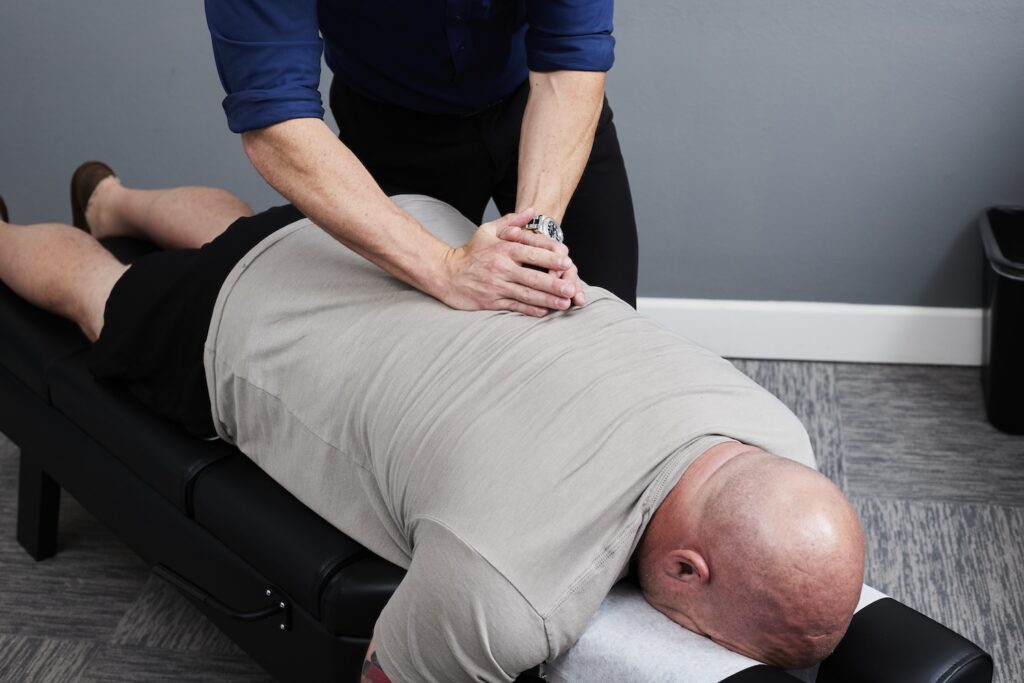
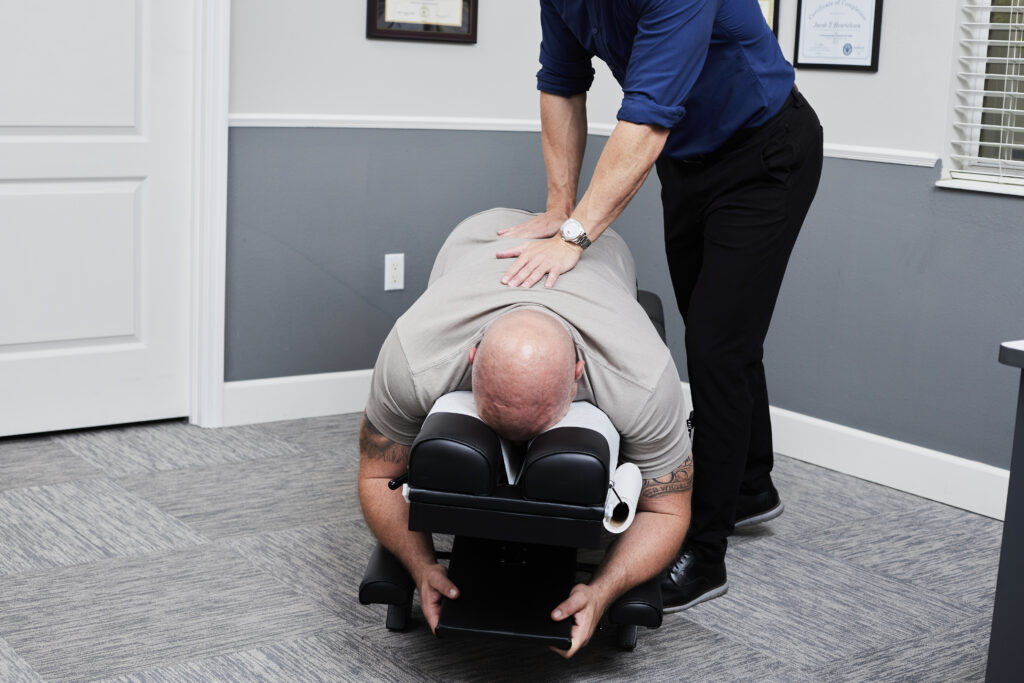
Regular chiropractic care can help ensure your body is functioning optimally, allowing you to develop a balanced training routine that supports all areas of fitness without limitations.
Equally important is mental focus. Techniques like visualization and positive affirmations can greatly impact your performance. As a chiropractor, I often emphasize how a well-aligned spine contributes to better nerve function, which can enhance mental clarity and focus.
When your body is free from discomfort, you can more effectively visualize success and foster a strong mindset during competition.
Skill development is another key aspect of performance. Practicing the specific techniques of your sport is essential, whether it's refining your swing in baseball or improving your footwork in basketball.
Regular chiropractic adjustments can assist in maintaining your body's range of motion and preventing injuries, allowing you to practice consistently and efficiently. Setting measurable goals is a smart way to track your progress, and I encourage my patients to incorporate chiropractic care into their training regimens.
Lastly, the importance of recovery can't be emphasized enough. Your body needs time to heal and strengthen after intense training.
Chiropractic care promotes recovery by alleviating tension and improving circulation, helping your body to repair itself more effectively. Prioritizing rest and incorporating chiropractic treatment into your routine can significantly enhance your long-term performance.
The Role of Nutrition
As a local chiropractor, I want to emphasize the vital role nutrition plays not just in overall health, but specifically in enhancing your sports performance and recovery. The foods you consume are essential for fueling your body and ensuring it functions optimally, especially if you're active or engaged in sports.
One key element to consider is the balance of macronutrients—carbohydrates, proteins, and fats. These nutrients can significantly influence your endurance, strength, and overall athletic performance. Carbohydrates are your primary source of energy, so focus on incorporating complex carbs into your diet, such as whole grains, fruits, and vegetables. These foods help maintain steady energy levels during your workouts and competitions.
Protein is another critical component, as it's necessary for muscle repair and growth. Including sources of lean protein, such as chicken, fish, dairy, and plant-based options like beans and legumes, can help you recover more effectively and build stronger muscles.
Additionally, healthy fats are important; they provide sustained energy and support hormone production, both of which are crucial for optimal athletic performance.
Timing your nutrition is equally important as what you eat. Having a balanced meal or snack a few hours before your workout can enhance your performance. After exercising, it's essential to refuel your body with the right nutrients. Aim to consume a mix of carbohydrates and proteins within 30 to 60 minutes post-workout to replenish your energy stores and aid muscle recovery.
Lastly, don't underestimate the power of micronutrients. Vitamins and minerals are vital for energy production and muscle function. By incorporating a variety of colorful fruits and vegetables into your meals, you ensure that you receive a broad spectrum of these essential nutrients.
Importance of Hydration
As a local chiropractor, I want to emphasize the importance of staying properly hydrated for your overall health and wellness, especially if you're active.
Adequate hydration plays a crucial role in enhancing your performance and aiding your recovery. When you ensure you're drinking enough fluids, you're not just supporting your body's natural functions; you're also improving your endurance, strength, and mental focus.
Let's discuss some effective hydration strategies that can help you optimize your health and achieve your wellness goals.
Benefits of Proper Hydration
As a local chiropractor, I want to emphasize the importance of proper hydration not just for athletic performance, but for your overall health and well-being. Staying well-hydrated is crucial for your body to function optimally, regardless of your activity level. When you're adequately hydrated, your body operates efficiently, which can lead to improved physical performance and quicker recovery after any exertion.
Hydration plays a key role in regulating your body temperature, which is vital during intense activities or even everyday tasks. It helps keep your joints lubricated, potentially reducing the risk of injuries that can stem from wear and tear, especially if you're dealing with musculoskeletal issues.
From a chiropractic perspective, proper hydration also supports your cardiovascular health. It helps maintain blood volume, which is essential for your heart to pump effectively. This improved circulation enhances endurance and stamina during physical activities, making it easier for you to stay active and engage in your daily routines.
Additionally, staying hydrated can sharpen your focus. Dehydration can lead to fatigue and decreased cognitive function, which can make it challenging to concentrate, whether you're at work or engaged in a workout.
Hydration is also vital for muscle recovery. Drinking enough water aids in flushing out toxins and lactic acid that build up during physical activity, which can speed up your recovery time. Furthermore, it enhances nutrient absorption, ensuring your muscles receive the necessary fuel to repair and grow stronger.
In summary, prioritizing hydration is essential for your overall health. It can lead to better performance, faster recovery, and a lower risk of injuries, all of which are important for anyone looking to improve their well-being and maintain an active lifestyle.
As your chiropractor, I encourage you to make hydration a part of your daily routine for optimal health and healing.
Hydration Strategies for Athletes
As a local chiropractor, I want to emphasize the importance of proper hydration in supporting not only athletic performance but overall health and recovery. Staying well-hydrated is crucial for maintaining optimal bodily function, enhancing endurance, and reducing the risk of injuries, whether you're an athlete or simply striving for a healthier lifestyle.
To begin optimizing your hydration, it's essential to establish a consistent routine. Aim to drink water throughout the day, not just during physical activity. A good rule of thumb is to consume at least half your body weight in ounces of water daily.
If you're engaging in training or competition, consider incorporating electrolyte-rich beverages to help replenish the minerals your body may lose through sweat. A helpful tip is to monitor your fluid intake by observing the color of your urine; a light yellow hue typically indicates that you're adequately hydrated.
Pre-hydration is also vital. Aim to drink water or an electrolyte drink about two hours before any physical activity. During intense exercise, take small sips of fluids every 15-20 minutes to ensure that your hydration levels remain stable.
After you've completed your activity, rehydrate with a combination of water and electrolytes to support your body's recovery.
It's important to remember that each person's hydration needs can differ based on factors such as climate and activity level. Pay attention to your body's signals and adjust your hydration strategies accordingly.
Effective Training Techniques
As a local chiropractor dedicated to your overall well-being, I want to share how effective training techniques can significantly enhance your sports performance while also promoting natural healing.
It's essential to adopt a comprehensive training regimen that balances strength, endurance, flexibility, and sport-specific drills, all of which align with the principles of chiropractic care.
Start by establishing clear and achievable goals that reflect your unique sport and skill level. This clarity not only keeps you motivated but also allows for better tracking of your progress, which is vital for your overall health journey.
Incorporating interval training into your workouts can be particularly beneficial. Alternating between high-intensity bursts and lower-intensity recovery periods not only boosts your cardiovascular fitness but also improves your stamina.
As a chiropractor, I see firsthand how enhanced stamina contributes to overall spinal health and body alignment during physical activity.
Strength training is another crucial aspect. Focus on compound movements such as squats, deadlifts, and bench presses, which engage multiple muscle groups and can enhance your overall power.
This not only builds strength but also promotes better biomechanics, reducing the risk of injury.
Flexibility is equally important. Regular stretching, yoga, or dynamic warm-up exercises can help prevent injuries and improve your range of motion.
As a chiropractor, I emphasize that a well-aligned spine and flexible muscles are essential for optimal performance and injury prevention.
Don't overlook the significance of sport-specific drills. These drills not only enhance your skills but also help your body adapt to the unique demands of your sport, further supporting your physical health.
Consistency is crucial in your training. Maintaining a regular training schedule and gradually increasing intensity can prevent plateaus and promote better healing and recovery.
Remember to include rest days; your body, including your spine, needs time to recover and adapt to the stresses of training.
Finally, tracking your workouts and performance metrics is vital for understanding your strengths and weaknesses.
This awareness will allow you to make necessary adjustments to your training program, ensuring maximum effectiveness and supporting your natural healing process.
Mindfulness and Mental Focus
As a chiropractor, I want to share how your mental focus plays a vital role in overall wellness and can significantly impact your performance in sports and daily activities. Integrating mindfulness techniques into your routine can enhance that focus and promote a sense of well-being.
Mindfulness encourages you to be present in the moment, which can help you concentrate on your tasks rather than getting lost in worries or distractions. This mental clarity is especially important during high-stress situations, whether you're competing in a sport or navigating daily challenges.
To start incorporating mindfulness, consider adding short sessions into your daily life. You might begin with just a few minutes of deep breathing exercises, where you focus solely on your breath. This practice not only calms your mind but also helps you become more aware of when your thoughts start to wander, allowing you to quickly regain your focus.
As you become more comfortable with this practice, you can extend your sessions to include visualization techniques. Imagine yourself succeeding in your activities, and really feel the emotions and sensations that accompany that success. This type of mental imagery can boost your confidence and improve your overall performance.
During training or even in everyday situations, take a moment to ground yourself. Focus your attention on your body, your breathing, and the task at hand. If your mind begins to drift, acknowledge it gently—without judgment—and guide your attention back to your present moment.
This awareness not only enhances your focus but can also alleviate anxiety and increase your enjoyment of the activities you love. Incorporating mindfulness into your health routine isn't merely about sharpening your focus; it's about enriching your overall experience in life and sports.
Recovery Strategies
As a local chiropractor, I want to emphasize that recovery is just as essential as your training when it comes to improving your overall performance. Many of my patients are surprised to learn that incorporating active recovery techniques can significantly enhance their healing process. This includes gentle movements and stretches that promote blood flow and reduce muscle tension.
Moreover, focusing on proper nutrition is crucial for muscle repair. Eating a balanced diet rich in vitamins and minerals can aid your body in recovering more effectively from physical exertion. I often recommend foods that are high in protein and healthy fats to support muscle regeneration.
Lastly, never underestimate the power of quality sleep. It's during sleep that your body performs much of its healing and recovery work. Prioritizing restful sleep can help you wake up feeling stronger and more focused.
Incorporating these recovery strategies, along with regular chiropractic adjustments, can greatly enhance your performance and overall well-being.
If you have any questions or want to learn more about how chiropractic care can support your recovery journey, feel free to reach out!
Active Recovery Techniques
As a local chiropractor, I want to emphasize the importance of active recovery techniques for enhancing your athletic performance and minimizing the risk of injury. Many people aren't aware that incorporating these methods into your routine can significantly support your body's ability to heal while keeping you engaged in physical activity.
One of the simplest ways to practice active recovery is through light aerobic activities, such as walking or cycling at a pace that feels comfortable. These activities promote blood circulation, which can help alleviate muscle stiffness and support overall recovery.
Another valuable technique is stretching—particularly dynamic stretches that can enhance your flexibility and range of motion without putting too much strain on your body. Practices like yoga or Pilates are also fantastic options; they not only aid in recovery but also promote relaxation and core stability, which are vital for preventing future injuries.
Foam rolling is another tool I encourage you to consider. This self-myofascial release technique can help relieve muscle tension and improve your mobility, making it a great addition to your active recovery routine.
Additionally, participating in low-impact sports like swimming or jogging allows you to stay active while being gentle on your body.
Finally, it's essential to prioritize rest days where you engage in these light activities rather than opting for complete inactivity. By integrating active recovery techniques into your lifestyle, you not only enhance your performance but also create a sustainable training regimen that helps keep you injury-free and prepared for whatever challenges lie ahead.
Nutrition for Muscle Repair
As a local chiropractor, I want to emphasize the importance of proper nutrition for muscle repair and overall recovery, especially after intense physical activity.
Understanding how post-exercise nutrition impacts muscle recovery can greatly enhance your healing and performance in future workouts.
Let's explore four essential nutritional components that can support your recovery:
- Protein: It's vital to consume a combination of fast-digesting and slow-digesting proteins, such as whey and casein. This dual approach aids in repairing muscle fibers and promoting growth, which is crucial for anyone looking to recover effectively.
- Carbohydrates: After exercising, it's important to replenish your glycogen stores. Focus on complex carbohydrates like whole grains, fruits, and vegetables. These not only provide the necessary energy for recovery but also prepare you for your next workout session.
- Healthy Fats: Incorporating healthy fats from sources like avocados, nuts, and olive oil can be very beneficial. These fats play a role in hormone production and have anti-inflammatory properties, which can help reduce recovery time and improve overall comfort.
- Hydration: Water is often overlooked but is essential for recovery. Staying well-hydrated helps in transporting nutrients to your muscles and flushing out toxins, which is critical for optimal healing.
By integrating these nutritional elements into your post-exercise routine, you can significantly enhance your muscle recovery, reduce soreness, and prepare your body for the next challenge.
#
Sleep and Performance
Enhancement
As a local Chiropractor, I want to emphasize the importance of sleep in enhancing your performance and recovery, especially if you lead an active lifestyle. Many people may not realize how significantly quality sleep impacts both physical and mental well-being.
When you sleep, your body engages in vital repair processes, including muscle recovery and hormone regulation, which are crucial for overall health. To optimize your performance, aim for 7-9 hours of restorative sleep each night. The deep sleep stages are particularly important because this is when growth hormone is released, promoting muscle repair and growth.
Insufficient sleep can lead to slower reaction times, diminished focus, and increased fatigue, which can hinder your workouts or athletic competitions. To improve your sleep quality, I recommend establishing a consistent sleep schedule—try to go to bed and wake up at the same time every day.
Additionally, creating a calming bedtime routine can signal to your body that it's time to unwind. Gentle activities such as reading or stretching can be beneficial. It's also wise to limit exposure to screens and bright lights before bedtime, as these can interfere with your natural sleep cycle.
## Sleep and Performance
As a local chiropractor, I want to emphasize the crucial role that quality sleep plays in not only your overall health but also in enhancing your athletic performance. Many people may not realize that without adequate rest, your body struggles to repair itself, and your mind can lose the edge needed for focus during training or competition.
It's essential to prioritize sleep, and here are four key benefits to consider:
- Improved Muscle Recovery: Sleep is the time when your body engages in vital repair work. It's during this period that muscle tissue is repaired and proteins are synthesized. For anyone engaged in physical activity, this recovery process is crucial for bouncing back more quickly from workouts, which is something I often discuss with my patients.
- Enhanced Cognitive Function: A well-rested mind is sharper and more alert, enabling quick decision-making during games and a better grasp of complex strategies. In my practice, I see how sleep deprivation can lead to lapses in concentration, which can be particularly harmful in high-pressure situations.
- Hormonal Balance: Quality sleep is essential for regulating hormones that control appetite, stress, and recovery. When your hormones are balanced, as I often advise my patients, you can optimize your energy levels and minimize fatigue, leading to improved performance.
- Injury Prevention: Getting enough sleep strengthens your immune system and helps prevent overuse injuries. When you're adequately rested, your body is better equipped to handle physical stress, reducing the risk of strain and injury—a topic I frequently cover in my sessions.
Incorporating better sleep habits into your routine can significantly impact your performance, whether you're an athlete or simply looking to improve your daily life.
Aim for 7-9 hours of quality sleep each night, and you'll likely experience improvements in both your physical capabilities and mental clarity. Make sleep a priority, and you'll not only support your athletic ambitions but also your overall well-being.
As your chiropractor, I'm here to help guide you on your journey to healthier sleep and a more active lifestyle.
Injury Prevention Methods
As a local chiropractor, I want to emphasize the importance of injury prevention methods for everyone, especially for those who lead active lifestyles. Understanding these strategies can help you maintain optimal performance while significantly reducing the risk of injuries that could hinder your progress.
To start, it's essential to warm up properly before engaging in any physical activity. A dynamic warm-up not only increases blood flow to your muscles but also enhances flexibility and prepares your body for the demands of your chosen activity.
After your workouts, take the time to cool down and stretch. This practice can help alleviate muscle soreness and improve your recovery, which is vital for maintaining a healthy body.
Strength training is another key aspect of injury prevention. By strengthening your muscles, tendons, and ligaments, you not only improve your performance but also provide better support for your joints.
I recommend incorporating exercises that target the major muscle groups relevant to your activities. Additionally, focusing on core stability is crucial; a strong core can help prevent injuries throughout your body.
Proper technique is also vital. Poor form can lead to overuse injuries, so it's important to seek feedback from knowledgeable coaches or experienced peers. If you're uncertain about your technique, working with a trainer can provide you with valuable guidance and help you develop safe habits.
Lastly, it's important to listen to your body. If you're feeling fatigued or notice any discomfort, it's essential not to push through it. Rest and recovery are critical components of injury prevention.
By prioritizing these methods, you'll not only enhance your athletic performance but also ensure that you stay healthy and active for the long run.
Building a Support System
A strong support system is essential for enhancing your overall well-being, especially as you embark on your journey toward better health and athletic performance. Surrounding yourself with the right individuals can make a significant difference in how you approach not only your physical training but also your recovery and overall lifestyle.
Here's how you can build that supportive network effectively:
- Identify Your Core Team: Look for individuals who share your commitment to health and wellness, such as family members, friends, or fellow athletes. These are the people who'll celebrate your achievements and help you navigate through challenges, whether they be physical or mental.
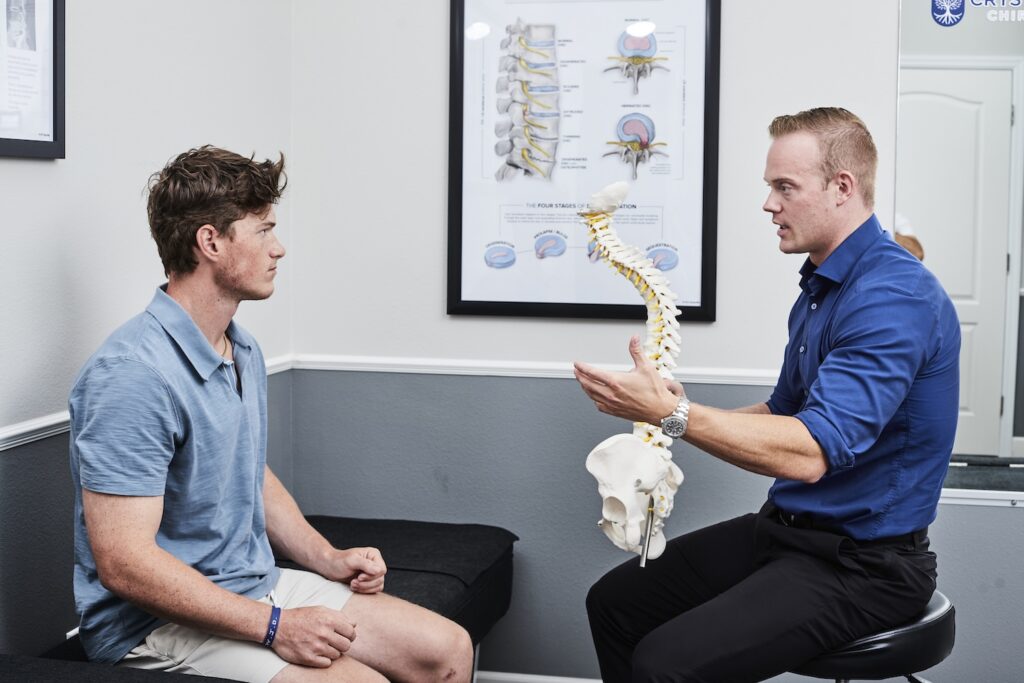
- Seek Professional Guidance: Consider consulting with a chiropractor who specializes in natural healing methods. A chiropractor can provide personalized care and advice tailored to your specific needs, helping you create a well-structured wellness plan that supports your performance and recovery.
- Join a Community: Engage with local health and wellness groups or online platforms focused on holistic health and athleticism. Connecting with like-minded individuals can inspire you, provide valuable insights, and foster a sense of belonging, making your health journey feel less isolating.
- Communicate Openly: Maintain open lines of communication with your support team, including your chiropractor and loved ones. Sharing your health goals, any challenges you encounter, and your progress fosters trust and allows your supporters to offer the right encouragement and advice when you need it most.
Conclusion
As a local chiropractor, I want to share with you how a holistic approach to sports performance can help you unlock your true potential. It's not just about what you do on the field; it's about nourishing your body in every way. Balanced nutrition is essential—fueling your body with the right foods can significantly enhance your physical capabilities.
Incorporating effective training techniques is crucial, but don't overlook the importance of proper hydration. Staying hydrated is key to maintaining peak performance. Equally important is incorporating recovery strategies into your routine. Your body needs time to heal and rebuild, so prioritizing quality sleep and rest is vital for your overall well-being.
Mindfulness is another powerful tool that can enhance your mental focus. Taking time to practice mindfulness can improve your concentration and help reduce stress, which is just as important as physical training. Additionally, surrounding yourself with a supportive community can keep you motivated and accountable on your journey.
By integrating these strategies into your lifestyle, you're on the right path to elevating your performance naturally and sustainably. As your chiropractor, I'm here to guide you through this process and help you understand how chiropractic care can further support your goals. Let's work together to enhance your sports performance holistically!