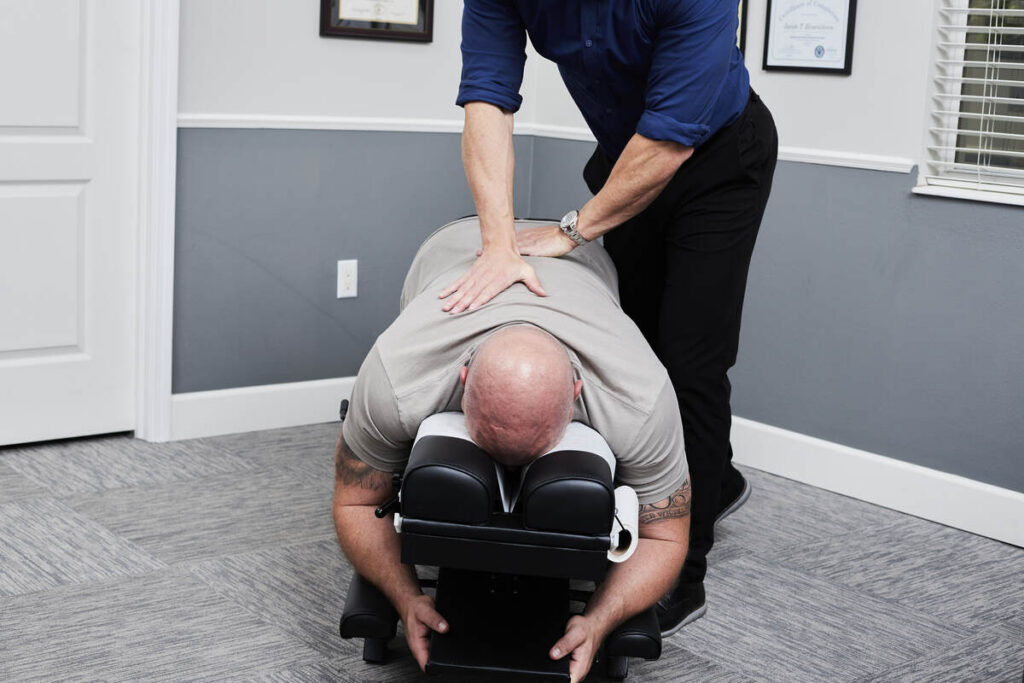
When you're dealing with an injury, navigating the best recovery strategies can be quite daunting. As a chiropractor, I want to emphasize the importance of understanding how rest, rehabilitation, nutrition, and mental resilience contribute to your healing process. By focusing on these key areas, you not only encourage tissue repair but also prepare yourself mentally for the challenges that lie ahead.
Chiropractic care plays a vital role in injury recovery by promoting natural healing and addressing any misalignments in the body that could hinder your progress. It's essential to take a personalized approach tailored to your specific needs. This means considering your injury type, overall health, and lifestyle when developing a recovery plan.
To ensure a successful recovery and help you return to peak performance, consider these specific steps: engage in gentle chiropractic adjustments to improve mobility, incorporate targeted rehabilitation exercises, prioritize a nutritious diet to fuel your body, and foster a positive mindset to support your healing journey. Remember, you don't have to navigate this path alone—I'm here to guide you every step of the way.
Understanding Injury Types
As a local chiropractor, I often see athletes who encounter a variety of injuries that can significantly affect their performance and recovery.
It's essential to understand these injuries, as this knowledge helps you make informed decisions about treatment and prevention. Injuries generally fall into two main categories: acute and chronic.
Acute injuries occur suddenly, typically due to a specific incident or accident. Common examples include sprains, fractures, or strains, which can leave you in need of immediate medical attention. If you experience sharp pain, swelling, or bruising, it's a clear signal that something isn't right. Recognizing the signs of an acute injury enables you to seek help quickly, which can lead to a faster recovery and a return to your activities.
On the other hand, chronic injuries develop gradually over time. These are often the result of repetitive stress on a specific body part, such as tendinitis or stress fractures. You may notice a slow increase in pain or discomfort, which can be easy to overlook at first. However, addressing chronic injuries promptly is crucial to prevent them from becoming more serious and affecting your overall performance.
In addition to understanding the types of injuries, it's important to be aware of their common causes. Factors like overtraining, inadequate warm-up routines, and improper equipment can all contribute to injuries.
By being proactive and informed, you can reduce your risk of injury and maintain your performance level, allowing you to stay active and engaged in your sport.
As a chiropractor, I'm here to help you navigate these challenges through natural healing methods. Together, we can develop a tailored approach that promotes recovery and keeps you performing at your best.
Importance of Rest
As a local chiropractor, I want to emphasize the critical role that rest plays in your recovery process, especially if you're dealing with an injury.
It's important to understand that allowing your body the time it needs to heal can significantly speed up your recovery and help avoid future injuries.
Many people feel tempted to push through the pain, but this can actually lead to more harm than good.
By taking the necessary time to rest and recuperate, you're giving your body the best chance to return to optimal health.
Healing Through Downtime
In the world of sports and physical activity, rest isn't merely a luxury; it's a crucial element for recovery and overall well-being. As a chiropractor, I often see athletes who feel the pressure to push through pain or discomfort, but it's important to understand that taking time off can significantly enhance your healing journey.
When you allow your body to rest, it can repair damaged tissues, reduce inflammation, and strengthen muscles. This necessary downtime gives your body the opportunity to focus its energy on healing, which is impossible if you continue to train aggressively.
Listening to your body is essential. If you notice signs of fatigue or pain, it's your body's way of communicating that it needs a break. You can still stay active during this time by engaging in gentle activities, such as light stretching or low-impact exercises, which can help you maintain your fitness level without worsening your injury.
Additionally, mental rest plays a vital role in recovery. Taking a step back can help you reset your mindset, allowing you to return to your sport with renewed focus and determination.
Embracing this period of downtime won't only aid in your recovery but will also contribute to your long-term performance. Therefore, I encourage you to prioritize rest as a key strategy in your injury recovery plan. By doing so, you'll be better prepared to bounce back stronger and healthier than ever before.
Preventing Further Injury
As a local chiropractor, I want to emphasize the critical role that rest plays in your recovery journey. Many people underestimate the importance of allowing their bodies the time they need to heal, which can lead to prolonged recovery times and additional setbacks. By embracing rest, you lay the groundwork for a stronger comeback.
Here are three essential reasons to prioritize rest during your healing process:
- Muscle Repair: Rest is vital for your muscles to recover and rebuild. When you push yourself without giving your body adequate downtime, you increase the risk of overuse injuries. These injuries can keep you sidelined longer than necessary, hindering your overall progress.
- Injury Prevention: Taking breaks is crucial for minimizing inflammation and reducing stress on your body. This downtime not only helps alleviate existing injuries but also prevents the development of new ones, allowing your body to heal properly.
- Mental Clarity: Recovery isn't just a physical process; it involves mental healing as well. A well-rested mind is better equipped to make informed decisions about your training and recovery, keeping you aligned with your long-term health goals.
Incorporating regular rest periods into your recovery plan is essential for optimal healing. Pay attention to your body's signals and don't hesitate to take a step back when necessary.
Rehabilitation Techniques
Rehabilitation techniques are crucial for anyone looking to recover effectively from an injury, especially for athletes aiming to return to peak performance. As a local chiropractor, I want to share how these techniques can be tailored to your specific needs and the type of injury you've experienced. Understanding and adhering to a structured rehabilitation plan can significantly enhance your recovery journey.
To start, we emphasize mobility exercises. These exercises are designed to restore your range of motion and flexibility, which are vital for returning to your sport or daily activities. Gentle stretching and controlled movements can help reduce stiffness and improve circulation.
As you progress, we'll introduce strengthening exercises. Building strength around the injured area is essential for stability and can help prevent future injuries.
We also focus on functional training, which involves practicing movements specific to your sport or daily life. By integrating these actions into your rehabilitation, you won't only regain confidence but also re-establish muscle memory.
Additionally, balance and proprioception exercises are vital components of our approach, as they enhance coordination and further reduce the risk of re-injury.
It's important to remember the role of rest and recovery in your healing process. Your body needs time to mend, so it's crucial to listen to its signals. We may incorporate modalities such as ice, heat, or electrical stimulation—if recommended—to alleviate pain and foster healing.
Finally, maintaining open communication with your chiropractic care team is essential. We'll monitor your progress closely and adjust your rehabilitation plan as necessary.
Role of Nutrition
As a local chiropractor, I want to emphasize the vital role nutrition plays in your recovery from an injury.
It's not just about adjustments and therapies; what you put into your body is equally important for healing. Focusing on essential nutrients can significantly support tissue repair and enhance your overall recovery process.
Additionally, don't overlook the importance of staying hydrated, as proper hydration is crucial for your body to function optimally and can help expedite your return to your favorite activities.
Essential Nutrients for Recovery
As a local chiropractor, I want to emphasize the crucial role that nutrition plays in your recovery from injuries. Proper nourishment provides the essential nutrients needed to repair tissues, reduce inflammation, and restore strength.
To enhance your healing process, consider incorporating these vital nutrients into your diet:
- Protein: This nutrient is fundamental for tissue repair, as it aids in rebuilding damaged muscle fibers. Focus on lean sources such as chicken, fish, beans, and legumes. These options can significantly support your body's recovery efforts.
- Omega-3 Fatty Acids: Known for their anti-inflammatory properties, these healthy fats can aid in promoting healing. You can find omega-3s in fatty fish, chia seeds, and walnuts. Adding these to your meals can help expedite your recovery journey.
- Vitamins and Minerals: Nutrients like vitamin C, vitamin D, calcium, and zinc are pivotal for healing. Vitamin C is particularly important for collagen formation, while vitamin D and calcium are essential for maintaining bone health.
By incorporating a diverse range of fruits, vegetables, and whole grains into your diet, you can ensure that you're providing your body with a broad spectrum of vitamins and minerals necessary for healing.
Hydration and Healing Process
As a chiropractor devoted to your natural healing journey, I want to emphasize the importance of staying hydrated during your recovery process. Water is essential not just for overall health, but it plays a crucial role in transporting nutrients, flushing out toxins, and ensuring that your joints function optimally.
When you sustain an injury, your body requires additional fluids to support the healing process. Neglecting hydration can lead to dehydration, which may slow down your recovery and impede the repair of your muscles and tissues.
I recommend that you make a conscious effort to drink enough water throughout your day. A simple guideline is to aim for at least half of your body weight in ounces of water daily. For instance, if you weigh 160 pounds, try to consume around 80 ounces of water.
It's important not to wait until you feel thirsty—develop a habit of drinking regularly to maintain proper hydration levels.
Moreover, consider adding electrolyte-rich beverages to your routine, particularly after workouts or physical therapy sessions. These drinks can help replenish vital minerals and support your body in functioning effectively.
Don't forget that foods with high water content, such as fruits and vegetables, can also significantly enhance your hydration levels.
Together, let's ensure you're well-hydrated, as it's a key component in your path to recovery and overall wellness.
Mental Resilience Strategies
As a local chiropractor, I understand that recovering from injuries can be a challenging journey for athletes. It's not just about physical healing; mental resilience plays a vital role in your overall recovery. When you're sidelined, it can be easy to feel overwhelmed, but tapping into your mental strength can significantly enhance your healing process and rebuild your confidence.
Here are three effective strategies to boost your mental resilience during rehabilitation:
- Embrace Mindfulness: Incorporating mindfulness practices, such as meditation or deep breathing exercises, can be incredibly beneficial. These techniques help you stay grounded in the present moment, alleviating anxiety and managing negative thoughts. By focusing on the here and now, you can foster a more constructive and positive mindset, which is essential for healing.
- Visualize Your Recovery: Visualization is a powerful tool. Spend time imagining your recovery journey and what it looks like to return to peak performance. Picture yourself overcoming obstacles, executing your skills with precision, and celebrating each milestone along the way. This mental rehearsal not only enhances your confidence but also strengthens your commitment to the healing process.
- Create a Supportive Environment: Surrounding yourself with a network of supportive friends, family, and teammates can make a world of difference. Share your thoughts and feelings openly with those who understand your journey, and don't hesitate to ask for advice or encouragement. A strong support system can provide the motivation and accountability you need, helping to alleviate feelings of isolation during your recovery.
By integrating these strategies into your rehabilitation, you'll not only aid your physical recovery but also enhance your mental fortitude, setting the stage for a successful return to your sport.
Setting Realistic Goals
As a local chiropractor dedicated to your health and well-being, I want to emphasize the importance of setting realistic goals during your recovery process. It's crucial to understand that healing isn't always a straight line; there will be ups and downs along the way. By establishing achievable milestones, you create a clear pathway that not only guides your journey but also keeps you motivated.
Start by assessing your current physical condition with honesty. What limitations are you experiencing? Have you discussed these with your healthcare provider? Once you have a comprehensive understanding, break down your ultimate recovery goal into smaller, actionable steps. For instance, if your aim is to return to your favorite activities or sports, consider setting short-term goals such as improving your range of motion or strengthening specific muscle groups. This approach allows you to celebrate small victories, which can significantly boost your morale.
Flexibility is key in this process. If you encounter setbacks, don't be discouraged—it's perfectly fine to reassess and modify your goals. This adaptability is a sign of resilience and will help you maintain a positive outlook.
I also recommend incorporating timeframes for each goal. Setting deadlines can create a sense of urgency and accountability, making it easier to stay on track.
Communication is essential. Share your goals with your support team, including your chiropractor, trainers, and family members. They can offer valuable insights and encouragement throughout your recovery. Additionally, keeping a journal to document your progress can be incredibly beneficial. This practice not only helps you stay focused but also allows you to reflect on your healing journey.
Cross-Training Options
As a local chiropractor, I want to share how exploring cross-training options can significantly enhance your recovery process and improve your overall performance. Engaging in a variety of activities not only helps maintain your fitness but also reduces the risk of re-injury and promotes a balanced athleticism.
Here are three effective cross-training options that I recommend during your recovery:
- Swimming: This is a fantastic low-impact activity that allows you to maintain your cardiovascular fitness while putting minimal stress on your joints. The buoyancy of water supports your body, making swimming an excellent choice for rehabilitation. It helps you stay active without the risk of aggravating your injuries.
- Cycling: Whether you choose a stationary bike or prefer outdoor cycling, this activity is a great way to strengthen your legs and improve your endurance. Cycling offers a controlled environment where you can adjust the resistance to tailor your workouts to your specific recovery needs, all while keeping strain off your injured areas.
- Yoga or Pilates: Incorporating yoga or Pilates into your routine focuses on enhancing flexibility, core strength, and balance. These practices are beneficial for muscle recovery, improving your range of motion, and helping you regain stability. Plus, they minimize the chance of aggravating existing injuries, which is essential during your healing process.
By integrating these cross-training options into your recovery plan, you can support your healing journey naturally while also preparing your body for future activities.
Monitoring Progress
As a local chiropractor, I want to emphasize the importance of consistently monitoring your recovery progress, especially if you're new to chiropractic care and natural healing. Keeping track of your improvements isn't only vital for your motivation but also helps you make informed decisions about your rehabilitation plan.
Start by setting specific, measurable goals related to your recovery. These goals could involve improvements in your range of motion, strength, or reduction in pain levels. By establishing these benchmarks, you'll have clear indicators of how far you've come on your healing journey.
I recommend using a recovery journal or a health app to document your daily activities, symptoms, and any challenges you face. This record will be an invaluable resource when it comes to evaluating your progress over time.
Make it a regular practice to review your entries; doing so will help you identify patterns in your healing and make necessary adjustments to your approach.
Don't hesitate to reach out to me and my team for guidance on your recovery. We're here to provide feedback on your progress and suggest modifications to your rehabilitation plan tailored to your specific needs. Regular check-ins with us will ensure you stay accountable and on the right path.
Additionally, it's crucial to listen to your body. If you experience increased pain or feel like you've hit a plateau in your progress, it may be time to reassess your recovery strategies.
Remember to be patient with yourself and allow your body the time it needs to heal at its own pace.
Conclusion
Injury recovery is a significant journey, and as your local chiropractor, I want to emphasize the importance of a holistic approach to healing. It's essential to prioritize rest and allow your body the time it needs to recover. Engaging in targeted rehabilitation exercises can help strengthen the affected areas and restore function.
Nutrition plays a crucial role in recovery as well, so fueling your body with wholesome foods can aid in the healing process. Additionally, developing mental resilience is vital; staying positive and focused on your recovery can enhance your overall wellness.
Setting realistic goals is key to staying motivated, and I encourage you to consider cross-training. This can help maintain your fitness levels while your injury heals. Throughout your recovery, pay close attention to your body's signals; it's important to listen and adjust your activities accordingly.
With dedication and the right strategies, including chiropractic care, you can facilitate your healing journey and return to peak performance sooner than you think! Remember, I'm here to guide you every step of the way.