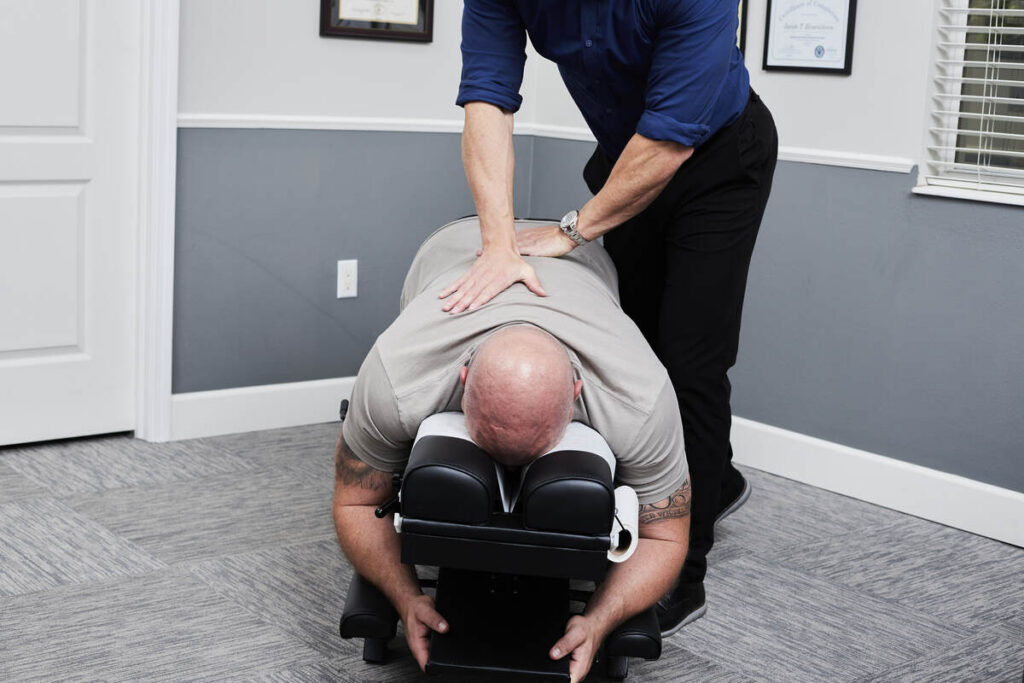
As your local chiropractor, I want to shed light on how your everyday habits can significantly influence your neurological health. Many people may not realize that simple changes—like improving your nutrition, practicing mindfulness, and ensuring you get enough restorative sleep—can greatly enhance both your cognitive function and emotional well-being. It's essential to understand that it goes beyond just diet and exercise; we must adopt a holistic approach to support your brain health effectively. Are you interested in learning about specific techniques that can make a real difference? Let's dive into some strategies that can help strengthen your neurological resilience and overall health through natural healing.
Understanding Neurological Health
As your local chiropractor, I want to emphasize the importance of understanding neurological health for your overall well-being. Your nervous system is the master controller of your body, overseeing everything from your conscious movements to essential involuntary functions like breathing and digestion. When your nervous system is functioning optimally, you experience heightened alertness, energy, and resilience to tackle daily challenges.
Conversely, when problems arise within this system, it can lead to a host of health issues impacting your physical, emotional, and cognitive well-being.
To illustrate the significance of neurological health, let's explore how factors like stress, diet, and sleep affect your brain function. Chronic stress can manifest as anxiety and memory difficulties, while an unhealthy diet may promote inflammation and neurodegeneration. By prioritizing a balanced diet, particularly one rich in omega-3 fatty acids, antioxidants, and essential vitamins, you can support your brain health and enhance your mood.
Incorporating regular physical exercise into your routine is another vital aspect of maintaining neurological health. Exercise boosts blood flow to the brain, which promotes the growth of new neurons and sharpens cognitive abilities. I recommend aiming for at least 150 minutes of moderate aerobic activity each week, along with strength training, to support your overall health.
Moreover, nurturing social connections is crucial for your neurological well-being. Engaging in social interactions stimulates your brain and helps combat feelings of loneliness and depression.
So, I encourage you to foster your relationships and participate in social activities that bring joy and enrichment to your life.
As your chiropractor, I'm here to support you on your journey to better health through natural healing practices. Together, we can work towards optimizing your neurological health and enhancing your quality of life.
Mindfulness and Meditation
As a chiropractor, I want to share how incorporating mindfulness and meditation into your daily routine can significantly enhance your neurological health. These practices are vital in reducing stress and anxiety, two factors that can adversely affect your brain function. By focusing your mind and cultivating awareness, you create a mental space that encourages clarity and emotional stability—essential for overall wellness.
I recommend starting with just a few minutes each day dedicated to mindfulness. A simple way to do this is by paying attention to your breath. As you inhale and exhale, take note of the sensations in your body. This practice helps ground you, redirecting your focus away from racing thoughts and distractions. Over time, you may find that this straightforward exercise improves your ability to manage stress and enhances your emotional well-being.
Meditation is another valuable tool, and it can take various forms. Whether you prefer guided sessions or quiet reflection, the important thing is to establish a routine that feels right for you. Regular meditation has been shown to lead to changes in brain structure that enhance emotional regulation and cognitive function. You may notice improvements in your concentration and memory as you continue to practice.
It's perfectly normal for your mind to wander during these exercises. When it happens, simply acknowledge those thoughts and gently return your focus to your breath or a chosen mantra.
Consistency is key, so aim to weave these techniques into your life. With patience and commitment, you can experience the profound benefits of mindfulness and meditation, complementing your chiropractic care and fostering a holistic approach to your health.
Physical Exercise Benefits
As a local chiropractor, I want to share with you the incredible benefits of regular physical exercise, especially when it comes to enhancing your neurological health. Engaging in consistent activity is crucial for stimulating blood flow, which delivers oxygen and essential nutrients to your brain. This improved circulation can lead to better cognitive functions, such as memory, attention, and problem-solving skills. You might be surprised to learn that even moderate exercises like brisk walking or cycling can significantly boost your mental clarity and elevate your overall mood.
One of the remarkable outcomes of physical activity is the promotion of brain-derived neurotrophic factor (BDNF), a protein that supports neuron growth and survival. Higher levels of BDNF can improve your learning abilities and act as a protective measure against age-related cognitive decline. After a good workout, many people report feeling sharper and more focused—this is your brain benefitting from the positive effects of exercise!
It's also essential to acknowledge that regular exercise can play a vital role in reducing anxiety and depression, both of which can negatively impact your neurological health. By choosing activities you genuinely enjoy—whether it's dancing, swimming, or playing sports—you're more likely to maintain a routine that keeps both your mind and body engaged.
Consistency is key in reaping these benefits. I encourage you to aim for at least 150 minutes of moderate-intensity exercise each week. This can easily be broken down into manageable sessions throughout your week. The goal is to find enjoyable activities that keep you moving, allowing you to experience the long-term benefits for your neurological well-being.
Nutrition for Brain Health
As a local chiropractor, I want to emphasize the crucial role nutrition plays in maintaining your brain health.
Many people may not realize that the right nutrients can significantly impact cognitive function and memory. By selecting specific foods that support brain function, you can enhance your mental clarity and overall well-being.
Let's dive into the essential nutrients that can sharpen your mind and the foods that can help you achieve optimal brain health.
Essential Nutrients for Brain
As a local chiropractor dedicated to your overall well-being, I want to share some insights on how essential nutrients can significantly impact your brain health and cognitive function. Your brain thrives on a variety of nutrients that are crucial for maintaining optimal neurological health.
First and foremost, omega-3 fatty acids are vital for the structure and function of your brain. These healthy fats not only aid in the development of brain cells but are also associated with better memory and mood. Incorporating sources like fatty fish, flaxseeds, and walnuts into your diet can provide remarkable benefits for your brain.
Antioxidants are another key component in supporting brain health. They protect your brain from oxidative stress, which can harm cognitive function. Vitamins C and E, along with flavonoids found in a colorful variety of fruits and vegetables, fight against free radicals that can negatively affect your brain.
Let's not overlook the importance of B vitamins, particularly B6, B12, and folate. These nutrients are essential for energy production and the synthesis of neurotransmitters, which are vital for effective brain activity.
Minerals like magnesium and zinc also play a significant role in your brain's health. Magnesium is known to support learning and memory, while zinc is crucial for effective neuronal communication.
Lastly, staying well-hydrated is essential; even mild dehydration can hinder your cognitive performance.
Foods to Boost Cognition
As a local Chiropractor, I believe that boosting your cognitive function is closely tied to the foods you consume. The right nutrition can have a profound impact on your brain health, and it's essential to make informed choices.
For instance, omega-3 fatty acids, which you can find in fatty fish like salmon, as well as walnuts and flaxseeds, are vital for optimal brain function and development. By including these nutritious options in your diet, you may notice improvements in memory and cognitive performance.
In addition, fruits and vegetables play a crucial role in supporting brain health. Blueberries are particularly noteworthy due to their high antioxidant content, which helps protect the brain from oxidative stress.
Leafy greens like spinach and kale are also excellent choices, as they offer important nutrients that further promote cognitive function. Whole grains are another key component, providing a consistent energy source that your brain needs to perform at its best.
Don't overlook the benefits of dark chocolate, either. This delicious treat contains flavonoids that can enhance blood flow to the brain, resulting in better memory and focus.
Lastly, incorporating nuts and seeds into your diet is a wise move; they're loaded with vitamin E and healthy fats that can help reduce the risk of cognitive decline as you age.
Quality Sleep Strategies
As a local chiropractor dedicated to promoting overall wellness, I want to emphasize the importance of quality sleep for maintaining optimal neurological health. Many of my patients often struggle with sleep issues, so I'd like to share some effective strategies to enhance your sleep quality naturally.
First and foremost, establishing a consistent sleep schedule is crucial. Aim to go to bed and wake up at the same time every day, including weekends. This practice helps regulate your body's internal clock, making it easier for you to fall asleep and wake up feeling refreshed.
Creating a calming bedtime routine is another essential step. Engage in relaxing activities such as reading, gentle stretching, or enjoying a warm bath to signal to your body that it's time to wind down.
It's also important to avoid screens for at least an hour before bed, as the blue light emitted by devices can interfere with your melatonin production, which is vital for sleep.
Your sleep environment significantly impacts your ability to rest well. Ensure your bedroom is dark, quiet, and cool. Consider investing in blackout curtains or a white noise machine to minimize any disturbances.
Additionally, make sure your mattress and pillows provide the proper support for a comfortable night's sleep, as this is key to spinal health and overall well-being.
Be mindful of your diet as well. Avoid heavy meals, caffeine, and alcohol close to bedtime, as these can disrupt your sleep cycle. If you find yourself feeling hungry, opt for a light snack that won't upset your stomach.
Lastly, incorporating regular physical activity into your daily routine can greatly enhance your sleep quality. Aim for at least 30 minutes of moderate exercise most days.
However, be cautious not to exercise too close to bedtime, as this can energize you and make it challenging to fall asleep.
Cognitive Training Techniques
As a local chiropractor, I want to share how cognitive training techniques can significantly enhance not just your brain function, but also your overall neurological health.
These methods align beautifully with the natural healing principles we emphasize in chiropractic care. By engaging in activities that challenge your mind, you support your body's ability to adapt and thrive—just as we do with spinal health.
One powerful approach is to incorporate brain games into your daily routine. These enjoyable activities, often found in apps or online, target essential skills like memory, attention, and problem-solving.
Setting aside a few minutes each day for these games can lead to noticeable improvements over time, much like the benefits you experience from regular chiropractic adjustments.
Learning a new skill, such as playing a musical instrument or picking up a new language, is another fantastic way to stimulate your brain.
This not only keeps your mind engaged but also complements the holistic approach we take in encouraging your body to reach its full potential.
Mindfulness and meditation are also vital practices to consider.
These techniques can enhance your focus and concentration, similar to how chiropractic care can help clear mental fog and improve overall cognitive performance.
Just a few minutes of meditation each day can lead to significant improvements in both your mental and physical well-being.
Engaging in puzzles, such as crosswords or Sudoku, can be both fun and effective as cognitive workouts.
They challenge your mind while also providing a great way to relax—much like how chiropractic sessions help relieve tension in the body.
Lastly, never underestimate the power of social interaction.
Meaningful conversations, joining clubs, or participating in community activities can greatly enhance your mental agility and overall health.
Just as we emphasize the importance of a supportive community for physical wellness, social connections are equally crucial for cognitive health.
Incorporating these cognitive training techniques into your life can complement the benefits of chiropractic care, promoting a healthier, more vibrant you!
Stress Management Approaches
As a local chiropractor, I want to emphasize the importance of managing stress for your overall health and well-being, particularly when it comes to your neurological health. High stress levels can adversely affect brain function, leading to issues such as memory challenges and heightened anxiety.
By incorporating effective stress management techniques into your life, you can significantly enhance your cognitive health and improve your quality of life.
Here are some natural approaches that I recommend for my patients:
- Mindfulness Meditation: Take a few minutes each day to focus on your breath. This simple practice can help calm your mind and reduce anxiety, making it easier for your nervous system to function optimally.
- Physical Activity: Regular exercise is vital. Whether it's a brisk walk or a more intense workout, physical activity releases endorphins, which can elevate your mood and contribute to overall well-being.
- Deep Breathing Exercises: I often suggest practicing deep, slow breaths to activate your body's relaxation response. This technique can quickly lower stress levels, helping you feel more centered and focused.
- Journaling: Writing down your thoughts and feelings is a powerful tool. It allows you to process emotions, reflect on your day, and identify sources of stress, which is crucial for maintaining a healthy mind.
- Time Management: Learning to prioritize tasks and set realistic goals is essential. Breaking larger projects into smaller, manageable steps can help alleviate feelings of overwhelm and create a sense of accomplishment.
Incorporating these techniques into your daily routine can be transformative, helping you to address stress before it negatively affects your brain health.
Remember that consistency is crucial! Start with one or two methods that resonate with you, and as you become comfortable, expand your toolkit.
You'll likely find that effective stress management not only supports your neurological health but also enhances your overall well-being.
Take control of your stress today, and watch your mental clarity and resilience grow. Together, we can work towards a healthier, more balanced life.
Social Connections and Support
In our fast-paced lives, nurturing strong social connections can significantly benefit your overall health, including your neurological well-being. As a chiropractor, I often emphasize the importance of holistic health, which encompasses not just the physical body, but also our mental and emotional states.
Research consistently indicates that maintaining relationships with family, friends, and community members can help reduce stress, anxiety, and depression—all of which can adversely affect your nervous system and overall health.
Consider the last time you shared a laugh with a friend or engaged in a heartfelt conversation with a loved one. These interactions not only lift your spirits but also foster a sense of belonging, which is vital for your mental health.
I encourage my patients to prioritize reaching out to others, whether through a quick phone call, a video chat, or an in-person gathering. Each positive interaction can help strengthen your neural pathways and promote better brain health, which is essential for holistic wellness.
Don't overlook the benefits of support groups or community organizations. Getting involved in local clubs or group activities can introduce you to new people with similar interests, leading to meaningful friendships.
These connections can create a robust support network, especially during challenging times, and can complement the natural healing processes that chiropractic care offers.
Remember, strong social ties not only enhance your emotional resilience but can also play a crucial role in your journey toward optimal health.
Let's work together to support your well-being, both physically and emotionally!
Conclusion
As your local chiropractor, I'm excited to share how you can significantly enhance your neurological health through natural techniques. It's essential to focus on a balanced diet, stay physically active, and incorporate mindfulness practices into your daily routine. These habits can greatly improve your cognitive function and emotional well-being.
Don't overlook the importance of quality sleep and nurturing strong social connections; both are vital for building resilience in your mental health. Remember, even small lifestyle adjustments can lead to remarkable improvements over time. By starting today, you can set the foundation for a healthier, sharper mind and a more fulfilling life. Your brain—and overall health—deserves the very best, and I'm here to guide you on this journey!