When you're dealing with a sports injury, knowing the most effective treatments can make all the difference in your recovery. You might find that a combination of rest, physical therapy, and targeted therapies like cryotherapy can greatly ease your pain and expedite healing. However, there's more to reflect upon, including options like acupuncture and massage therapy that could further enhance your recovery process. What if you could discover additional strategies that not only relieve your symptoms but also help prevent future injuries? Let's explore those options.
Rest and Recovery
Rest and recovery are essential components of effective sports injury relief. When you push your body to its limits, injuries can occur, and taking time to rest is vital for healing. Ignoring this need can lead to further damage and prolonged recovery times. So, listen to your body; if it's telling you to take a break, it's smart to do just that.
During your recovery period, focus on getting enough sleep. Quality rest helps your body repair itself, reducing inflammation and speeding up tissue healing. Aim for at least seven to nine hours of sleep each night.
Don't underestimate the power of proper nutrition either. Fueling your body with nutrient-dense foods can enhance your recovery. Incorporate plenty of fruits, vegetables, lean proteins, and healthy fats into your meals.
You should also consider incorporating gentle activities like stretching or low-impact exercises. These can maintain your mobility without putting too much strain on your injury.
However, always consult a healthcare professional to guarantee you're choosing the right activities for your specific situation.
Physical Therapy
Physical therapy can be a game changer for anyone recovering from a sports injury. It's more than just a way to relieve pain; it's a thorough approach to restore function and enhance performance. When you engage with a physical therapist, they'll assess your specific injury and develop a tailored plan to meet your needs.
You'll likely start with a detailed evaluation, which helps identify any weaknesses or imbalances. From there, your therapist will guide you through targeted exercises that strengthen the injured area and improve flexibility. These exercises not only aid in recovery but also help prevent future injuries, ensuring you can get back to your favorite sport safely.
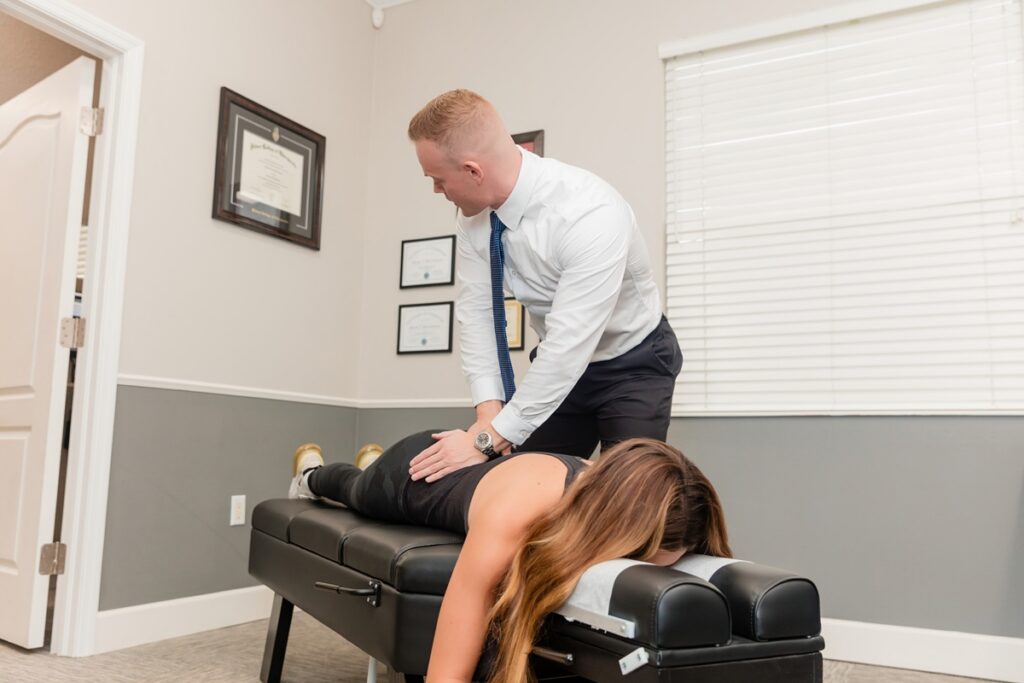
In addition to exercises, your physical therapist may incorporate manual therapy techniques. These hands-on methods can address muscle tightness and joint stiffness, providing immediate relief. They'll also educate you on proper body mechanics, so you can move more efficiently during physical activities.
Consistency is key in physical therapy; regular sessions will help you stay on track and monitor your progress. It's important to communicate openly with your therapist about any pain or discomfort you experience during your rehabilitation.
Ultimately, physical therapy empowers you to take an active role in your recovery. By following the guidance of your therapist and committing to your rehabilitation plan, you'll be well on your way to regaining strength and confidence, ready to jump back into the game stronger than ever.
Cryotherapy
If you're looking for a quick way to reduce inflammation and speed up recovery, cryotherapy might be just what you need.
This treatment involves exposing your body to extremely cold temperatures for a short period, which can provide significant relief from sports injuries.
Let's explore the benefits and the process of how cryotherapy works.
Benefits of Cryotherapy
Harnessing the power of extreme cold, cryotherapy has become a popular treatment for sports injuries. You may find that it offers several benefits that can enhance your recovery process. One major advantage is its ability to reduce inflammation. When you expose your body to cold temperatures, it constricts blood vessels, helping to minimize swelling and pain in injured areas.
Additionally, cryotherapy can boost your energy levels and improve your overall mood. The cold stimulates your body's endorphin release, which can help you feel more energized and reduce feelings of fatigue. This can be especially beneficial after a rigorous training session or competition.
You might also appreciate cryotherapy's potential to accelerate muscle recovery. By promoting faster healing of micro-tears in your muscles, it can help you return to your training routine more quickly.
Furthermore, many athletes report improved sleep quality after sessions, allowing for better rest and recovery.
Lastly, cryotherapy can enhance your overall performance by increasing your pain threshold, enabling you to push harder during workouts. With these numerous benefits, incorporating cryotherapy into your recovery regimen could be a game-changer for your athletic journey.
Treatment Process Explained
During a typical cryotherapy session, you'll step into a specialized chamber or use localized treatment devices that deliver extreme cold to the affected areas. The temperature usually drops to around -100 to -200 degrees Fahrenheit for a short duration, typically lasting 2 to 3 minutes. This rapid cooling helps reduce inflammation, pain, and muscle soreness.
Here's how the treatment process generally works:
- Preparation: You'll change into protective gear, including gloves and socks, to safeguard your extremities.
- Cooling Phase: As you enter the chamber, the cold air envelops your body, triggering physiological responses that promote healing.
- Post-Treatment: After the session, you'll likely feel invigorated as blood rushes back to your extremities, aiding recovery.
- Hydration and Rest: It's essential to hydrate and allow your body to rest following treatments for ideal results.
Cryotherapy isn't just about the temperature; it's about the science of recovery. By understanding the process, you can maximize the benefits and get back to your favorite activities faster.
Acupuncture
Acupuncture offers a unique approach to pain relief by stimulating specific points in your body.
This method not only helps alleviate discomfort but also enhances your overall recovery process.
Pain Relief Mechanism
One effective method for pain relief in sports injuries is acupuncture, a practice rooted in ancient Chinese medicine.
By targeting specific points on your body, acupuncture can help alleviate pain and promote healing. This technique stimulates your nervous system, triggering the release of endorphins—your body's natural painkillers.
Here are four key mechanisms through which acupuncture provides pain relief:
- Endorphin Release: It encourages the production of endorphins, which help reduce your perception of pain.
- Increased Blood Flow: Acupuncture enhances circulation to the affected area, promoting healing and reducing inflammation.
- Nerve Signal Modulation: It alters nerve signal transmission, helping to block pain signals to your brain.
- Muscle Relaxation: The treatment helps relax tight muscles, which can contribute to pain and discomfort.
Incorporating acupuncture into your recovery plan can greatly enhance your pain management strategy.
Whether you're recovering from a sprain, strain, or any other sports-related injury, this ancient technique offers a holistic approach that complements other treatments.
Enhanced Recovery Process
Incorporating acupuncture into your recovery plan doesn't just help with pain relief; it also enhances the overall recovery process. By promoting blood flow and reducing inflammation, acupuncture accelerates healing in your injured areas. When you receive acupuncture treatments, you'll notice an increase in your body's natural healing capabilities, allowing you to bounce back faster.
Acupuncture works by stimulating specific points on your body, which can trigger the release of endorphins and other healing hormones. This not only alleviates pain but also improves your range of motion and flexibility. You'll find that, with regular sessions, your muscles and joints feel more relaxed and less tense, aiding in your rehabilitation.
Additionally, acupuncture helps reduce stress and anxiety, which can impede your recovery. As you feel more relaxed and balanced, your body can focus on healing.
It's a powerful way to complement other recovery techniques, such as physical therapy and rest. Ultimately, adding acupuncture to your regimen can be a game-changer for your recovery journey. Embrace this ancient practice and watch how it transforms your healing experience.
Holistic Treatment Approach
When considering a holistic treatment approach for sports injuries, acupuncture stands out as a powerful ally in your recovery journey. This ancient practice focuses on balancing your body's energy, promoting healing, and reducing pain.
By targeting specific points, acupuncture can provide relief and help you return to your favorite activities faster.
Here are four key benefits of acupuncture for sports injuries:
- Pain Relief: Acupuncture stimulates the release of endorphins, which can greatly reduce your pain levels.
- Improved Circulation: The treatment boosts blood flow to the injured area, encouraging faster healing and tissue repair.
- Reduced Inflammation: Acupuncture can help decrease inflammation, which is often a major factor in sports injuries.
- Enhanced Recovery: Regular sessions may shorten your recovery time, allowing you to get back in the game sooner.
Incorporating acupuncture into your treatment plan can complement other therapies and provide a well-rounded approach to managing your injury.
If you're seeking a natural, effective way to support your healing, consider giving acupuncture a try. Your body will thank you!
Massage Therapy
Massage therapy offers a powerful avenue for relieving sports injuries and enhancing recovery. When you experience pain or tightness from an injury, therapeutic massage can help alleviate discomfort and promote healing. By increasing blood flow to affected areas, it encourages the delivery of nutrients and oxygen essential for recovery.
During a massage session, your therapist will use various techniques to target specific muscle groups and fascia. This not only eases tension but also helps break down scar tissue that may develop after an injury. As a result, you'll often find improved flexibility and range of motion in your joints and muscles.
Furthermore, massage therapy can help reduce muscle soreness that often follows intense physical activity. By addressing these issues early, you can prevent further injury and maintain your athletic performance. It's vital to communicate with your therapist about the areas you feel discomfort or tightness to tailor the session to your needs.
In addition to physical benefits, massage therapy can also aid in mental recovery. The relaxation you experience during sessions can lower stress levels, which is just as important for recovery as physical treatment. You'll leave feeling rejuvenated and ready to tackle your next workout.
Taping and Bracing
Taping and bracing are effective methods for providing support and stability to injured areas during recovery. Whether you're dealing with a sprained ankle or a strained wrist, these techniques can help you get back to your activities more quickly.
When applied correctly, taping and bracing limit movement in the injured area, reducing pain and preventing further damage.
Here are four key benefits of using taping and bracing:
- Injury Prevention: Taping can help stabilize joints, reducing the risk of re-injury when you return to sports or physical activities.
- Pain Relief: By providing compression and support, taping and bracing can alleviate pain and discomfort, allowing you to perform daily activities more comfortably.
- Improved Recovery: These methods can enhance blood circulation, promoting healing by delivering essential nutrients to the affected area.
- Increased Confidence: Knowing that your injury is supported can boost your confidence when returning to your sport, helping you perform at your best.
Before you start taping or using a brace, it's a good idea to consult with a healthcare professional or a certified athletic trainer. They can guide you on the most effective techniques and materials for your specific injury.
Medication Options
After addressing support through taping and bracing, you might reflect on medication options to further manage your sports injury. Nonsteroidal anti-inflammatory drugs (NSAIDs), like ibuprofen or naproxen, are often your first line of defense. These medications can help reduce pain and swelling, allowing you to resume activity more comfortably. Just be sure to follow the recommended dosage to avoid any adverse effects.
If over-the-counter options aren't providing enough relief, your doctor may prescribe stronger medications. Prescription NSAIDs or corticosteroids can greatly reduce inflammation and pain. However, be cautious with these, as they may come with more pronounced side effects, particularly if used long-term.
In some cases, topical pain relievers—such as creams or patches—are effective. These products deliver medication directly to the site of your injury, which can minimize systemic side effects. You might find them particularly useful for localized pain.
Additionally, muscle relaxants may be prescribed if you're experiencing muscle spasms related to your injury. These can help you feel more comfortable, but they might make you drowsy, so it's important to reflect on when and how you'll use them.
Always consult with a healthcare professional before starting any medication regimen. They can provide guidance tailored to your specific situation, ensuring you manage your pain effectively while minimizing risks.
Conclusion
Incorporating these top treatments can greatly enhance your recovery from sports injuries. Prioritizing rest and engaging in physical therapy will help strengthen and heal your body. Don't underestimate the benefits of cryotherapy and massage therapy for reducing inflammation and improving blood flow. Additionally, using taping and bracing provides essential support, while medications can manage pain effectively. By embracing this all-encompassing approach, you'll be on your way to a quicker return to the activities you love.