
When you're facing a sports injury, understanding the top relief techniques can be essential for a swift recovery. Techniques like physical therapy, cryotherapy, and acupuncture offer unique benefits that can enhance your healing process and get you back to your sport sooner. Whether you're dealing with muscle tension or inflammation, each method addresses specific needs in your recovery journey. But which combination yields the best results? Exploring these options can lead you to a tailored approach that suits your individual situation.
Physical Therapy Techniques
When you're recovering from a sports injury, physical therapy techniques can make a significant difference in your healing process. These techniques focus on restoring your strength, flexibility, and overall function, helping you get back in the game faster and more safely.
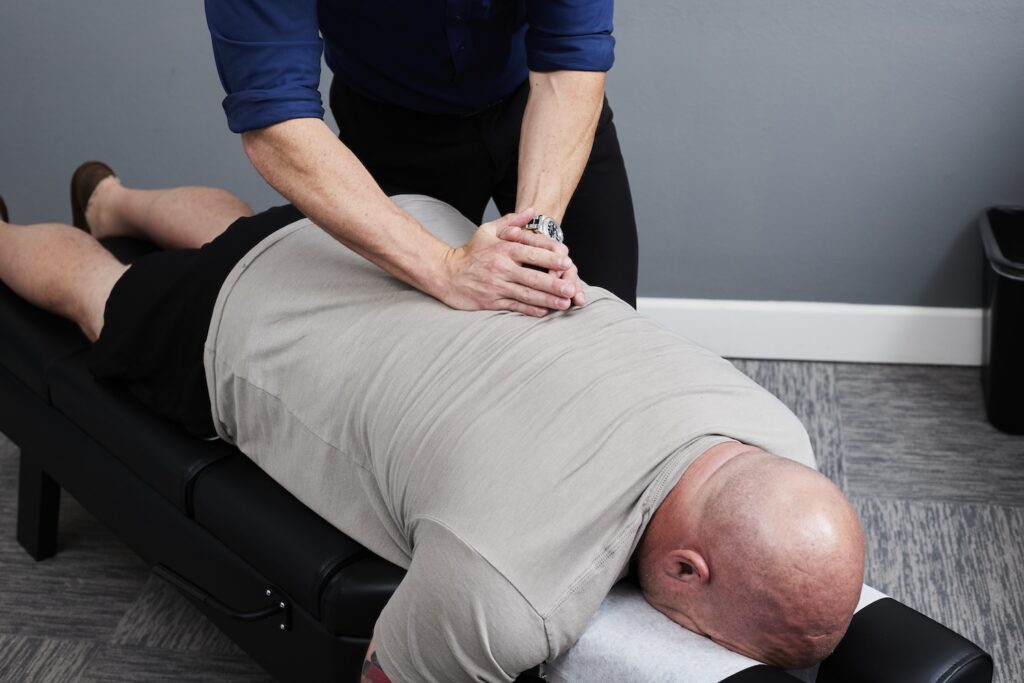
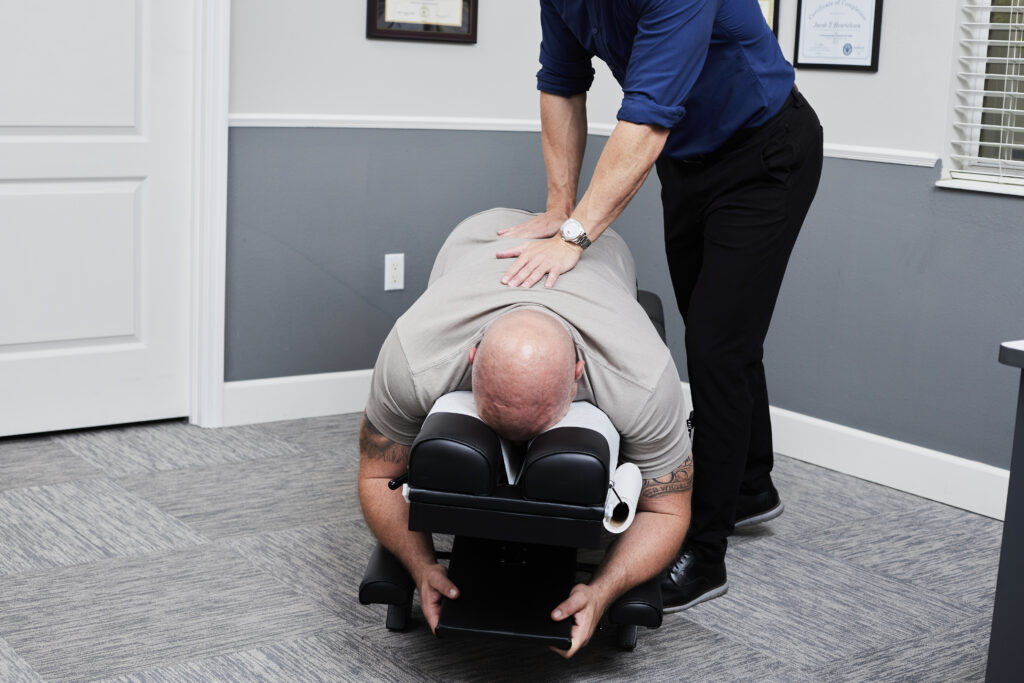
One effective method is manual therapy, where a trained therapist uses hands-on techniques to manipulate your muscles and joints. This approach can reduce pain and improve mobility, allowing you to regain your range of motion.
Another technique is therapeutic exercises, tailored specifically to your injury. These exercises target the affected area, helping to rebuild strength and prevent future injuries.
Stretching is equally important; it can enhance flexibility and promote blood flow to the injured area. Your therapist might also incorporate modalities like ultrasound or electrical stimulation, which can relieve pain and promote healing by increasing circulation.
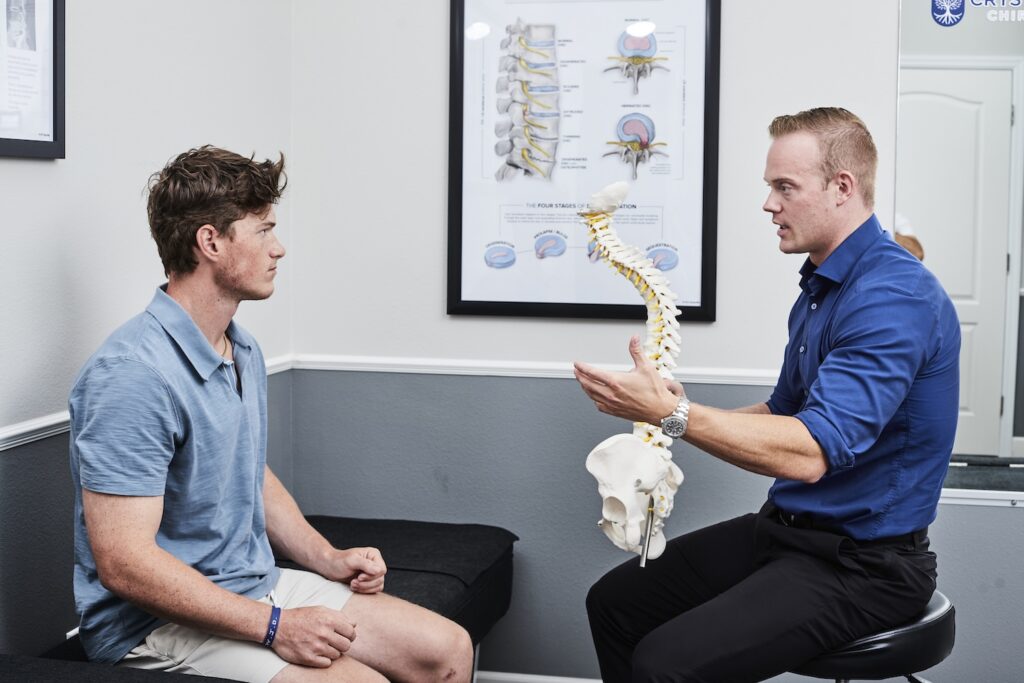
Don't underestimate the value of education in physical therapy. Your therapist will guide you on proper body mechanics and techniques to avoid aggravating your injury during daily activities. This knowledge is vital for a safe return to your sport.
Lastly, the psychological aspect of recovery shouldn't be overlooked. Engaging in physical therapy can boost your confidence and motivation, keeping you focused on your rehabilitation goals.
Rest and Recovery Strategies
Rest and recovery are essential for healing from sports injuries, so don't underestimate their importance.
You'll want to explore active recovery techniques that can keep you moving without risking further damage.
Plus, getting enough quality sleep plays a significant role in your body's ability to heal effectively.
Importance of Adequate Rest
Adequate rest is essential for recovery after sports injuries, and ignoring it can prolong your healing time. When you give your body the time it needs to rest, you allow the tissues to repair and the inflammation to subside. This means less pain and a quicker return to your favorite activities.
You might feel tempted to push through discomfort or return to training too soon, but that's a recipe for setbacks. Your body requires downtime to rebuild muscle fibers and restore strength. Without enough rest, you risk aggravating your injury, which can lead to chronic issues and longer recovery periods.
During this recovery phase, it's important to listen to your body. If you're feeling fatigued or experiencing pain, take a break. Quality sleep is also essential; aim for 7-9 hours each night to support your body's healing processes.
Incorporate rest days into your training schedule, and consider using techniques like mindfulness or gentle stretching to help your body relax.
Active Recovery Techniques
After taking the necessary time to rest, incorporating active recovery techniques can greatly enhance your healing process.
Active recovery involves low-intensity exercises that promote blood circulation, reduce muscle soreness, and speed up recovery without putting excess strain on your body.
Consider activities like walking, cycling, or swimming at a gentle pace. These movements keep your muscles engaged while allowing them to recover. Stretching and yoga are also excellent options, as they improve flexibility and alleviate tension. You might find that these gentle activities help you feel more energized and less stiff, making it easier to return to your regular training routine.
Hydration and proper nutrition play an important role in your active recovery as well. Staying hydrated helps flush out toxins and supports muscle repair. Eating a balanced diet rich in proteins, healthy fats, and carbohydrates fuels your recovery process.
Listen to your body during this phase. If you experience pain or discomfort, it's vital to adjust your activity level accordingly.
Sleep and Healing Connection
How essential is sleep to your recovery process? Sleep plays a vital role in healing from sports injuries. During deep sleep, your body goes into repair mode, releasing growth hormones that aid tissue recovery and muscle regeneration.
If you're not getting enough rest, you're hindering your body's ability to recover effectively.
When you sleep, your brain consolidates memories and processes the information necessary for improving your performance. This cognitive rest helps you make better decisions in your training and competition.
Additionally, quality sleep can reduce inflammation, a common issue after injuries, speeding up your healing process.
To maximize recovery, aim for 7-9 hours of quality sleep each night. Create a calming bedtime routine, keep your sleep environment dark and cool, and limit screen time before bed.
You might also consider short naps during the day to supplement your nightly rest.
Cryotherapy Benefits
Cryotherapy can considerably enhance your recovery speed after a sports injury.
By exposing your body to extreme cold, it helps reduce inflammation effects, allowing you to get back to your activities faster.
If you're looking for effective ways to accelerate healing, cryotherapy might be worth considering.
Enhanced Recovery Speed
Recovery speed is essential for athletes aiming to return to peak performance after injury. One effective method to enhance this recovery is cryotherapy. By exposing your body to extremely cold temperatures for a short duration, you're stimulating your body's natural healing processes. This rapid cooling can help reset your muscle fibers, allowing them to recover faster from strains or tears.
During cryotherapy, your blood vessels constrict, reducing blood flow to areas of injury. Once you exit the cold environment, your blood vessels dilate, promoting increased circulation. This process helps deliver oxygen and nutrients to your muscles and tissues, enhancing recovery time.
Additionally, many athletes report a noticeable decrease in muscle soreness after cryotherapy sessions. By integrating this technique into your training routine, you not only speed up your recovery but also improve overall performance.
Incorporating cryotherapy into your regimen can help you bounce back quicker, keeping you in the game and enhancing your training effectiveness.
Reduced Inflammation Effects
While you may be familiar with the benefits of cryotherapy for speeding up recovery, its ability to reduce inflammation is equally impressive. This technique involves exposing your body to extremely cold temperatures, which can help minimize swelling and alleviate pain.
By constricting blood vessels and reducing metabolic activity, cryotherapy effectively targets inflammation, allowing you to bounce back faster from injuries.
Here are some key benefits of reduced inflammation through cryotherapy:
- Pain Relief: Reduces muscle soreness and joint pain.
- Faster Healing: Promotes quicker recovery from injuries and surgeries.
- Increased Mobility: Eases stiffness, enabling better range of motion.
- Reduced Swelling: Helps manage post-workout or post-injury swelling.
- Enhanced Performance: Keeps inflammation in check, improving overall athletic performance.
Incorporating cryotherapy into your routine can provide significant advantages, especially if you're dealing with sports injuries.
By targeting inflammation, you'll not only feel better but also enhance your ability to train and compete.
Acupuncture for Pain Relief
Many athletes seek effective ways to manage pain, and acupuncture has emerged as a popular option. This ancient practice involves inserting thin needles into specific points on your body to stimulate the body's natural healing processes. Many athletes find that acupuncture not only alleviates pain but also enhances their overall performance.
When you undergo acupuncture, the needles stimulate the release of endorphins, the body's natural painkillers. This can lead to immediate pain relief and a reduction in muscle tension. You might notice that your recovery time decreases, allowing you to return to training and competition more swiftly.
Plus, acupuncture can improve blood circulation, which helps deliver essential nutrients to your muscles and tissues, promoting healing.
Many athletes also appreciate acupuncture for its ability to address not just physical pain but also mental stress. Balancing your body and mind can be essential for peak performance, and acupuncture offers a holistic approach to wellness. You may find that it helps with anxiety related to competition, giving you a clearer focus when it matters most.
If you're considering acupuncture, it's important to consult a qualified practitioner who specializes in sports injuries. They'll tailor the treatment to your specific needs, ensuring that you get the most benefit.
Massage Therapy Approaches
Massage therapy plays an essential role in sports injury relief by promoting relaxation and reducing muscle tension.
It's not just a luxury; it's an effective tool for recovery. When you experience an injury, your muscles can tighten up, creating discomfort and limiting your range of motion.
That's where massage therapy steps in, helping you heal faster and get back to your game. Here are some key benefits of integrating massage into your recovery routine:
- Increased Blood Flow: Enhances circulation, delivering nutrients to injured areas.
- Pain Reduction: Eases discomfort through targeted pressure and manipulation.
- Improved Flexibility: Helps maintain and improve your range of motion.
- Stress Relief: Reduces anxiety and stress, which can impede healing.
- Faster Recovery: Speeds up the healing process by alleviating tension and soreness.
Different approaches to massage therapy can cater to your specific needs.
For instance, deep tissue massage works on deeper layers of muscle tissue, which can be particularly beneficial for chronic injuries. On the other hand, sports massage focuses on areas of tension and enhances performance by improving flexibility and reducing fatigue.
Incorporating regular massage sessions into your routine can lead to significant improvements in how you feel physically and mentally.
Compression and Elevation Methods
After addressing muscle tension through massage therapy, it's time to contemplate other effective methods for injury recovery, such as compression and elevation.
These techniques are essential for managing swelling and promoting healing after an injury, especially in sports.
Compression involves applying pressure to the injured area using bandages, wraps, or specialized garments. This pressure helps reduce swelling by limiting the accumulation of fluids in the tissues.
When you apply compression, make certain it's snug but not too tight—this will maintain circulation while providing support. You can use elastic bandages for mild injuries or compression sleeves for more extensive coverage.
Elevation, on the other hand, is about positioning the injured area above the level of your heart. By doing this, gravity assists in reducing swelling and promoting better blood flow.
You can elevate your limb by propping it on pillows or a chair while resting. Aim to keep it elevated for 15 to 30 minutes at a time, several times a day, especially within the first 48 hours after injury.
Combining compression and elevation can amplify their benefits. For instance, you can wrap a sprained ankle with an elastic bandage while propping it up on a cushion.
This dual approach not only minimizes swelling but also provides support, allowing you to recover more effectively. By incorporating these methods into your recovery routine, you'll enhance your healing process and get back to your favorite activities sooner.
Conclusion
Incorporating these top sports injury relief techniques into your recovery routine can greatly enhance your healing process. By embracing physical therapy, massage, cryotherapy, and acupuncture, you're not just alleviating pain but also boosting your overall performance and well-being. Remember to prioritize rest and use compression and elevation methods to support your journey. With the right approach, you'll be back to your best in no time, ready to tackle your next challenge head-on.