When you experience a sports injury, it's tempting to brush it off or self-diagnose. However, seeking professional help can make a significant difference in your recovery. Accurate diagnosis and tailored treatment plans not only prevent further injury but also expedite your return to peak performance. Plus, accessing expert advice can enhance your understanding of injury management, which is crucial for long-term health. But there's more to reflect on regarding the psychological benefits of professional support during recovery, and it could reshape how you approach your sports journey.
Preventing Further Injury
When you suffer a sports injury, it's important to prioritize preventing further damage. Ignoring the pain or pushing through can exacerbate your condition and lead to longer recovery times.
First, listen to your body. If you're feeling discomfort, it's a signal to stop and assess the situation. Continuing to engage in the activity could turn a minor issue into a major setback.
Next, consider modifying your routine. This might mean switching to low-impact exercises that don't strain the injured area. For instance, if you've hurt your ankle, swimming or cycling can keep you active without risking further injury.
Rest is significant, too. It's tempting to keep pushing yourself, but allowing your body time to heal is crucial. Ice the injured area to reduce swelling and alleviate pain. Compression and elevation can also help manage inflammation, providing your body with the best chance to recover.
Don't hesitate to seek professional advice. A qualified coach or therapist can guide you on exercises that maintain your fitness while protecting your injury. They can also recommend recovery strategies tailored to your specific situation.
Finally, stay mindful of your progress. If pain persists or worsens, take it as a sign that you need to reassess your approach.
Accurate Diagnosis
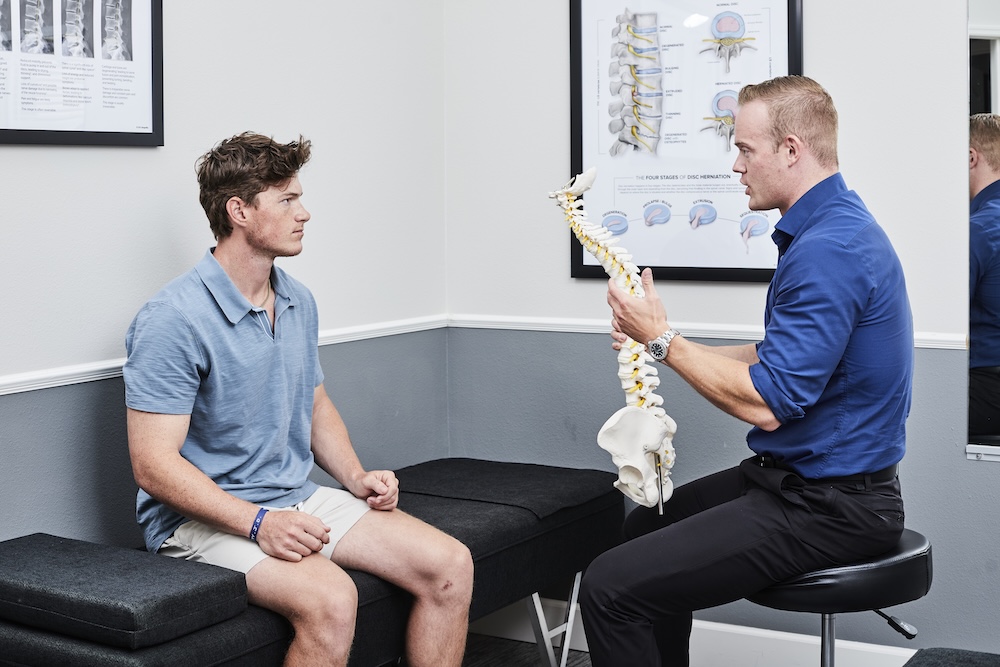
Recognizing the significance of an accurate diagnosis can make all the difference in your recovery from a sports injury. When you get hurt, it's easy to jump to conclusions about what's wrong. However, self-diagnosing can lead to mistakes that prolong your pain or lead to further complications. By seeking professional help, you guarantee that you're addressing the actual issue instead of just treating symptoms.
An accurate diagnosis involves a thorough assessment by trained professionals who understand the complexities of sports injuries. They'll evaluate your symptoms, review your medical history, and often conduct physical examinations or imaging tests, like X-rays or MRIs. This all-encompassing approach helps pinpoint the specific injury, whether it's a sprain, strain, fracture, or something else entirely.
Without an accurate diagnosis, you risk engaging in treatments that mightn't only be ineffective but could also worsen your condition. For instance, if you think you have a minor muscle strain but actually have a ligament tear, the wrong treatment could delay recovery. You might even exacerbate the injury, making it more challenging to return to your sport.
In short, getting an accurate diagnosis is vital. It lays the foundation for effective recovery, allowing you to get back to your game sooner and stronger.
Don't underestimate the power of professional insight—taking this step can speed up your healing journey and help you avoid future setbacks.
Customized Treatment Plans
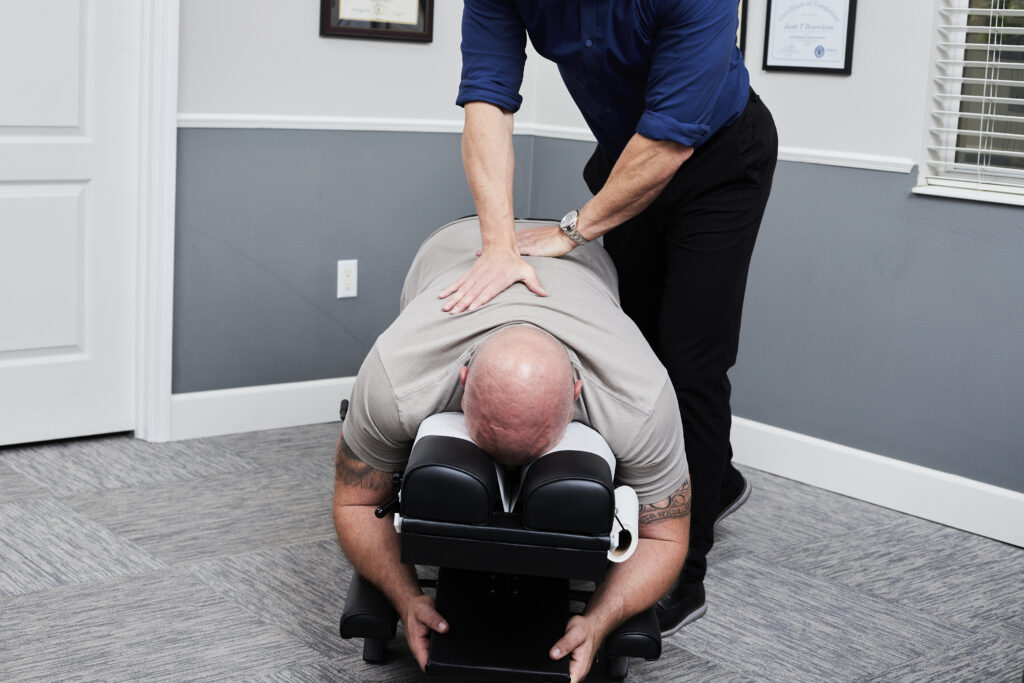
A customized treatment plan is vital for effectively addressing your sports injury. When you seek help, healthcare professionals assess not just the injury itself but also your unique situation, including your sport, fitness level, and personal goals. This tailored approach guarantees you get the most effective care possible.
By understanding the specific demands of your sport, your treatment plan can focus on the areas that need the most attention. For example, if you're a runner with a knee injury, your plan might include specific exercises to strengthen your quadriceps and improve your running form. This targeted strategy helps you recover faster and reduces the risk of re-injury.
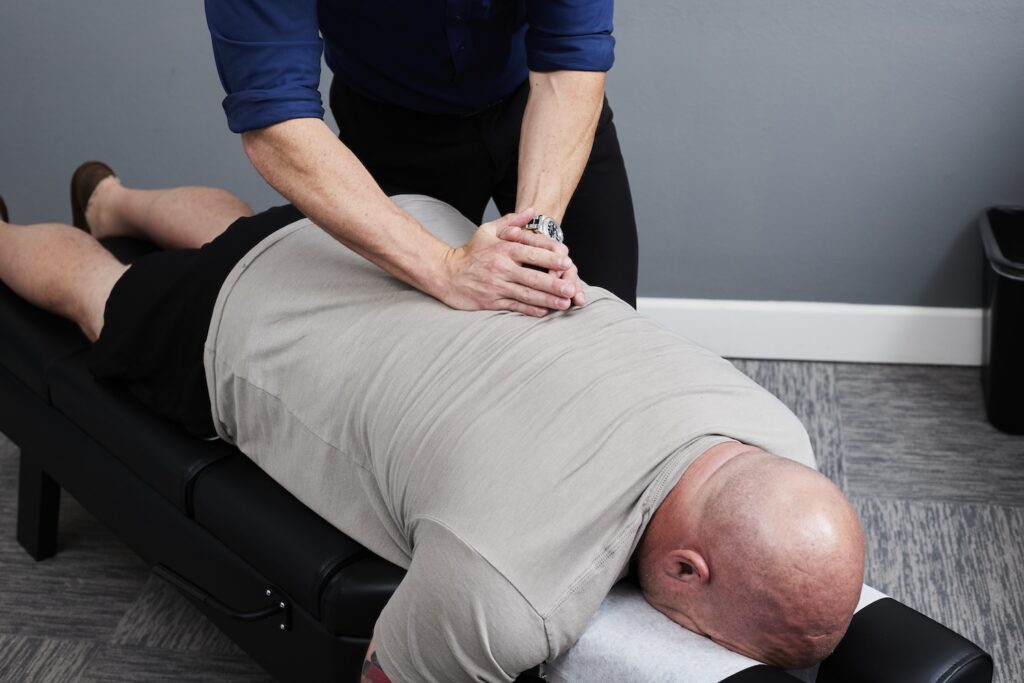
Additionally, a customized plan often includes a combination of therapies. You might benefit from physical therapy, massage, and even nutritional advice to support your recovery. By addressing multiple aspects of your health and performance, you're more likely to see improvements in a shorter time frame.
Moreover, a personalized approach allows for regular adjustments based on your progress. If something isn't working or if your recovery is slower than expected, your plan can be modified to better suit your needs. This flexibility is essential in guaranteeing that you stay on track toward your goals.
Professional Expertise
Finding the right treatment plan is only part of the equation; professional expertise plays a significant role in your recovery. When you seek help for a sports injury, you tap into a wealth of knowledge and skills that can make all the difference in your healing process.
Here's why professional expertise is vital:
- Accurate Diagnosis: Trained professionals can assess your injury accurately, identifying not just the symptoms but also the underlying issues. This guarantees you receive the right treatment from the start.
- Targeted Treatment: Experts know how to tailor treatments specifically for your type of injury and personal needs. They can combine various therapies, from physical therapy to rehabilitation exercises, to guarantee a thorough approach.
- Injury Prevention: Professionals don't just focus on healing; they help you understand how to prevent future injuries. With their guidance, you'll gain insights into proper techniques and body mechanics, which are essential for long-term success.
- Emotional Support: Dealing with an injury can be mentally challenging. Professionals provide encouragement and support, helping you stay motivated throughout your recovery journey.
Speeding Up Recovery
Accelerating recovery from a sports injury requires a proactive approach and the right strategies. When you're sidelined, it's vital to focus on a treatment plan that promotes healing. Start by consulting a healthcare professional who can assess your injury and recommend a tailored recovery program. Relying on their expertise will help you avoid common pitfalls and guarantee you're on the right track.
Next, prioritize rest. Giving your body the time it needs to heal is essential; pushing through pain can lead to further damage. However, complete immobility isn't the answer. Engage in gentle movements or physical therapy exercises as prescribed to maintain flexibility and blood circulation without aggravating your injury.
Incorporate a balanced diet rich in vitamins and minerals to support your recovery. Foods high in protein, omega-3 fatty acids, and antioxidants can aid healing. Staying hydrated is also key—dehydration can slow down recovery.
Consider utilizing therapies such as ice, heat, or massage to reduce pain and swelling. These treatments can help alleviate discomfort and promote blood flow to the injured area. Additionally, practicing mindfulness or relaxation techniques can lower stress, which can interfere with healing.
Finally, stay positive and set realistic recovery goals. Mental resilience can greatly impact your physical healing. By taking a proactive stance and following these strategies, you'll enhance your chances of a quicker and more effective recovery, allowing you to return to your favorite activities sooner.
Enhancing Performance
Once you've taken the necessary steps to recover from your injury, focusing on enhancing your performance becomes a natural progression. You want to guarantee you're not just back to where you were, but also improving your skills and overall athleticism.
Here are some key areas to focus on:
- Strength Training: Building strength is vital for enhancing your performance. Incorporate resistance training to target specific muscle groups that support your sport. This helps prevent future injuries and improves your power.
- Flexibility and Mobility: Don't underestimate the importance of flexibility. Regular stretching and mobility exercises can increase your range of motion, leading to better technique and efficiency in your movements.
- Skill Development: Take the time to refine your skills. Whether it's practicing your shooting technique in basketball or improving your footwork in soccer, dedicated practice can elevate your game to new heights.
- Nutrition and Hydration: Fueling your body with the right nutrients is essential for peak performance. Make sure you're eating a balanced diet and staying hydrated to support your training and recovery.
Psychological Support
When you face a sports injury, it's not just your body that needs healing; your mind does too.
Developing mental resilience and enhancing coping mechanisms can play an essential role in your recovery.
Seeking psychological support helps you bounce back stronger, both physically and mentally.
Mental Resilience Development
While physical recovery from a sports injury is critical, developing mental resilience is equally essential for your overall well-being.
Your mindset can considerably impact your recovery journey, and addressing the mental aspects of your injury can lead to a more successful rehabilitation.
Here are four key benefits of focusing on mental resilience during your recovery:
- Enhanced Focus: Strengthening your mental resilience helps you concentrate on your recovery goals, allowing you to channel your energy effectively.
- Improved Coping Skills: By developing mental toughness, you'll be better equipped to handle the challenges and setbacks that come with injuries, reducing feelings of frustration and helplessness.
- Increased Motivation: A resilient mindset encourages you to stay committed and motivated throughout the rehabilitation process, fueling your drive to return to your sport.
- Stronger Emotional Well-being: Building mental resilience can help you manage anxiety and stress related to your injury, promoting a more positive outlook and emotional stability.
Focusing on these areas not only aids in your recovery but also prepares you for future challenges, both in sports and in life.
Coping Mechanisms Enhancement
Building on your mental resilience can naturally lead to a greater need for effective coping mechanisms during your recovery from a sports injury. When you face setbacks, it's crucial to have strategies in place to manage stress and frustration.
Acknowledging your feelings is the first step. Don't shy away from expressing your emotions; talking to friends, family, or a therapist can provide valuable support.
Engaging in mindfulness practices, like meditation or deep breathing exercises, can help you stay grounded and focused. These techniques reduce anxiety and promote a positive mindset, allowing you to cope better with the challenges ahead.
Setting small, achievable goals during your recovery can also enhance your sense of control and accomplishment. Celebrate each milestone, no matter how small.
Additionally, surrounding yourself with a supportive community, whether it's teammates or fellow athletes, can make a significant difference. Sharing experiences and insights can foster a sense of belonging.
Education on Injury Management
Understanding injury management is fundamental for athletes at all levels, as it empowers you to respond effectively to injuries and promotes faster recovery.
When you seek help for sports injuries, you gain valuable knowledge that helps you navigate the complexities of injury management. This education not only aids in your recovery but also equips you with skills to prevent future injuries.
Here are four key aspects of injury management you should be aware of:
- Immediate Care: Knowing how to handle an injury right after it occurs can make a significant difference. Familiarize yourself with the R.I.C.E. method (Rest, Ice, Compression, Elevation) to alleviate pain and swelling.
- Rehabilitation Protocols: Understanding the rehabilitation process is essential. You'll learn specific exercises and stretches that promote healing, restore strength, and improve flexibility.
- Pain Management Techniques: Educating yourself on various pain management options, including ice therapy, over-the-counter medications, and alternative therapies, can help you cope better during recovery.
- When to Seek Professional Help: Recognizing the signs that indicate it's time to consult a healthcare professional is crucial. Early intervention can prevent complications and speed up your return to the sport you love.
Long-Term Health Benefits
When you seek help for sports injuries, you're not just addressing the immediate issue; you're also setting yourself up for long-term health benefits.
Proper treatment can prevent chronic conditions that arise from neglecting injuries, improve your overall mobility, and enhance your athletic performance.
Taking action now means a healthier, more active future for you.
Preventing Chronic Conditions
Seeking help for sports injuries isn't just about recovery; it plays an essential role in preventing chronic conditions down the line. When you address injuries early, you reduce the risk of developing persistent issues that can affect your quality of life.
Here are four key reasons why seeking help matters for your long-term health:
- Early Intervention: Tackling injuries promptly helps you avoid complications that could lead to chronic pain or mobility issues.
- Proper Rehabilitation: A tailored recovery program guarantees that you not only heal but also strengthen vulnerable areas, preventing future injuries.
- Informed Lifestyle Choices: Professionals can guide you in making better choices regarding exercise and activity levels, reducing the likelihood of overuse injuries.
- Monitoring Progress: Regular check-ups allow for ongoing assessment, helping you catch potential problems before they escalate into chronic conditions.
Improving Overall Mobility
Improving your overall mobility is crucial for maintaining an active lifestyle and enhancing your long-term health. When you're dealing with sports injuries, it's easy to overlook how they can affect your range of motion and flexibility. By seeking help, you can address these issues and regain your physical capabilities.
Working with a healthcare professional can provide you with tailored exercises and rehabilitation programs designed to improve your mobility. This process not only helps in recovery but also strengthens your muscles and joints, reducing the risk of future injuries.
As you progress, you'll notice increased ease in everyday activities, from climbing stairs to playing with your kids.
Furthermore, enhanced mobility contributes to better posture and balance, which are essential for preventing falls and other injuries as you age. You'll feel more confident in your body, allowing you to engage in various activities without hesitation.
Ultimately, prioritizing your mobility now sets the foundation for a healthier future. By addressing your sports injuries today, you're investing in a more active and fulfilling life tomorrow.
Don't wait—take the necessary steps to improve your mobility and pave the way for long-term health.
Enhancing Athletic Performance
Enhancing your athletic performance can considerably boost your long-term health. When you seek help for sports injuries, you're not just addressing immediate issues; you're paving the way for sustained improvement and overall well-being.
Here are four key benefits you'll reap by focusing on performance enhancement:
- Injury Prevention: Proper rehabilitation and training techniques reduce the risk of future injuries, keeping you active and enjoying your favorite sports.
- Increased Strength and Endurance: Targeted training improves your muscle strength and cardiovascular endurance, enabling you to perform better over time.
- Better Flexibility and Balance: Working on your flexibility and balance not only enhances your athletic skills but also contributes to your body's longevity and reduces wear and tear.
- Mental Resilience: Engaging in performance-focused training builds mental toughness, helping you overcome challenges in sports and daily life.
Conclusion
To sum up, seeking help for sports injuries is essential for your recovery. By getting an accurate diagnosis and customized treatment, you not only prevent further injury but also enhance your overall performance. Professional expertise and psychological support can boost your motivation, making the recovery process smoother. Ultimately, the long-term health benefits and education on injury management you gain will help you make informed choices to stay active and injury-free in the future. Don't hesitate—get the help you need!