
If you're struggling with chronic back pain, you might be looking for effective, non-invasive solutions that can help you regain control of your life. Options like physical therapy, chiropractic care, and acupuncture offer promising avenues to relieve discomfort without resorting to surgery or medication. Each method has its unique benefits, and understanding how they work can guide you toward a tailored approach. But which of these solutions could be the most effective for your specific situation? Let's explore the possibilities together.
Understanding Chronic Back Pain
Chronic back pain can feel overwhelming, often affecting your daily activities and overall quality of life. You might experience persistent discomfort that lasts for weeks, months, or even years, and distinguishing between acute and chronic pain is vital. Acute pain usually arises from an injury or strain and tends to resolve with time. Chronic pain, on the other hand, lingers and may not necessarily stem from a specific injury.
Understanding the causes of chronic back pain can help you manage it better. Common culprits include poor posture, muscle imbalances, degenerative disc disease, or conditions like arthritis. You might also find that stress and emotional factors play a significant role in exacerbating your pain. When you're stressed, your body can tense up, leading to additional strain on your back.
Recognizing the symptoms associated with chronic back pain is equally important. You may notice a dull ache, sharp pain, or even radiating discomfort down your legs. The severity can vary from mild to debilitating, impacting your ability to perform daily tasks, exercise, or even sleep well.
It's essential to approach your chronic back pain holistically. Keep in mind that lifestyle factors, such as weight management, physical activity, and ergonomic assessments, can greatly influence your pain levels.
Physical Therapy Techniques
Physical therapy techniques offer a structured approach to alleviating chronic back pain and improving mobility. These techniques focus on strengthening the muscles that support your spine, promoting flexibility, and enhancing overall function. A physical therapist will assess your specific condition and tailor a program to meet your needs.
One common technique is manual therapy, which involves hands-on manipulation of the spine and surrounding muscles. This method can alleviate pain and improve your range of motion.
Additionally, therapeutic exercises play an essential role in your recovery. You'll engage in targeted exercises to strengthen core muscles, which can reduce strain on your back.
Stretching exercises are also important. They help maintain flexibility and prevent stiffness, which can exacerbate pain. Your therapist might introduce techniques like pelvic tilts and hamstring stretches to promote better movement patterns.
Heat and cold therapy can be integrated into your sessions, providing immediate relief from pain and inflammation. Electrical stimulation may also be used to help reduce muscle spasms and promote healing.
Finally, your therapist will educate you on body mechanics and posture. Learning how to lift, sit, and stand correctly can prevent future injuries and reduce pain.
Acupuncture Benefits
Relief from chronic back pain can often be achieved through acupuncture, a practice that involves inserting thin needles into specific points on the body. This ancient technique, rooted in traditional Chinese medicine, aims to restore balance and promote healing. Many people find that acupuncture helps alleviate their back pain by stimulating the body's natural pain-relieving mechanisms.
When you undergo acupuncture, the needles stimulate the release of endorphins, which are your body's natural painkillers. This can lead to a significant reduction in pain levels and an overall sense of well-being. Additionally, acupuncture can improve blood circulation, which helps deliver oxygen and nutrients to your back muscles, speeding up recovery and reducing tension.
You might also notice that acupuncture addresses not just the physical pain but also the emotional stress associated with chronic pain. By promoting relaxation, it can help you manage anxiety or depression, which often accompany persistent discomfort. Many people report feeling calmer and more centered after a session.
The best part? Acupuncture is generally safe, with minimal side effects when performed by a qualified practitioner. Sessions usually last about 30 to 60 minutes, and many individuals find that they require multiple visits to achieve lasting relief.
If you're looking for a holistic approach to managing your chronic back pain, acupuncture could be a valuable addition to your treatment plan. So why not give it a try? You might discover a new path to comfort and healing.
Chiropractic Care
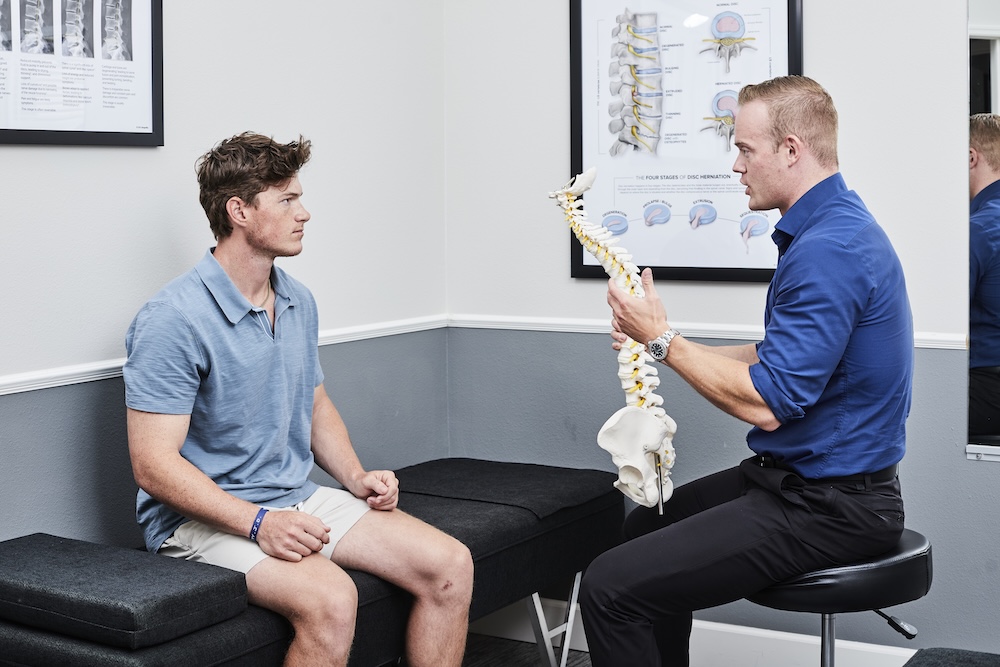
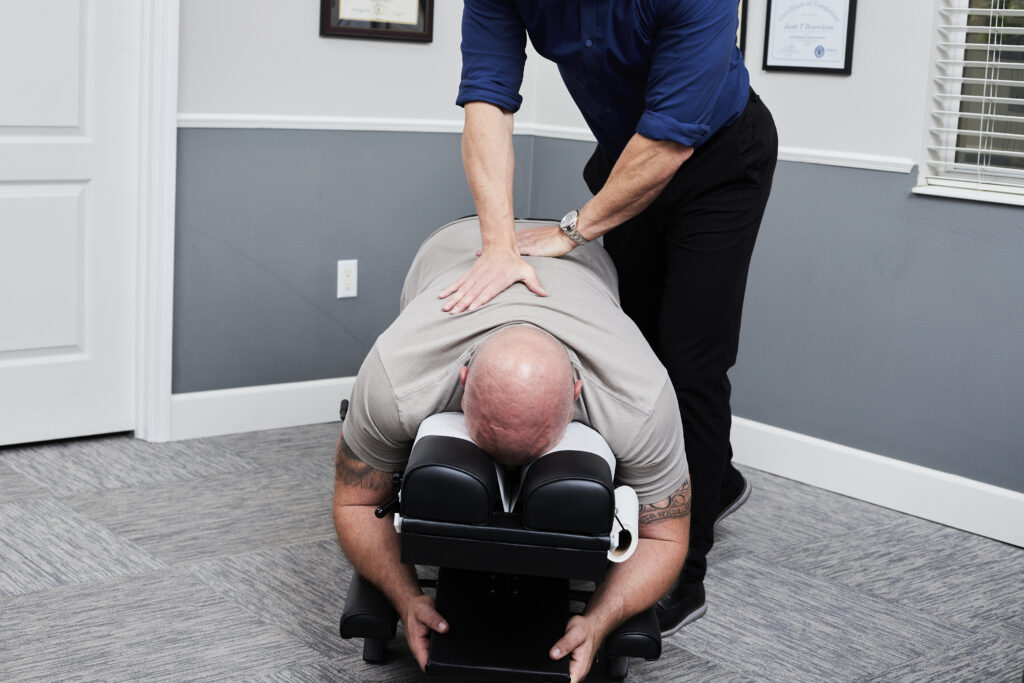
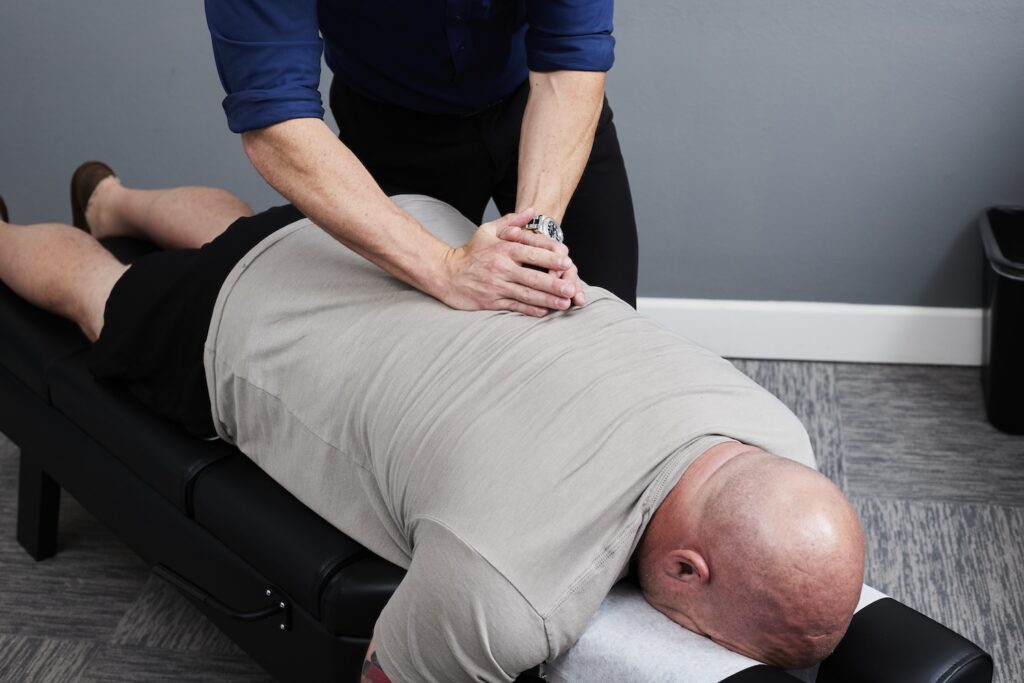
When it comes to managing back pain, chiropractic care stands out as a popular choice for many individuals seeking non-invasive solutions. This hands-on approach focuses on diagnosing and treating musculoskeletal disorders, particularly those involving the spine. Chiropractors use various techniques, primarily spinal manipulation, to realign the vertebrae and improve overall function.
You might wonder how chiropractic care can help alleviate your back pain. By restoring proper alignment, chiropractors can relieve pressure on nerves, reduce inflammation, and promote natural healing. Many patients report experiencing significant pain relief after just a few sessions, often feeling more mobile and less restricted in their daily activities.
Chiropractors also emphasize the importance of patient education. They'll work with you to develop personalized treatment plans that might include exercises, stretches, and lifestyle modifications. These tailored approaches not only target your specific issues but also empower you to take an active role in your recovery.
Moreover, chiropractic care is generally considered safe when performed by a licensed professional. While some might experience mild discomfort after an adjustment, serious complications are rare. Regular visits can help maintain spinal health and prevent future pain.
If you're looking for a non-invasive solution to chronic back pain, consider reaching out to a chiropractor. Their expertise can help you find relief, improve your mobility, and enhance your quality of life, all without the need for invasive procedures or medications.
Massage Therapy
Massage therapy offers a hands-on approach to alleviating chronic back pain through targeted manipulation of soft tissues. By applying pressure to muscles, tendons, and ligaments, massage helps to reduce tension, improve circulation, and promote relaxation. When you engage in massage therapy, you're not just treating the symptoms; you're addressing the underlying issues that contribute to your discomfort.
You'll find that various techniques, such as deep tissue massage or myofascial release, can be tailored to your specific needs. Deep tissue massage focuses on deeper layers of muscle and connective tissue, which can be particularly beneficial if you've been dealing with chronic pain for a while. Myofascial release targets the fascia, the connective tissue surrounding your muscles, helping to release any restrictions that might be affecting your mobility and comfort.
During your session, your therapist will likely ask about your pain levels and any specific areas of concern. This guarantees your treatment is personalized, maximizing its effectiveness. Many people report significant relief after just one session, while others may benefit from a series of appointments to achieve long-lasting results.
In addition to pain relief, massage therapy can enhance your overall well-being. It may help reduce anxiety and improve sleep quality, contributing to a more balanced lifestyle.
If you're looking for a non-invasive solution to chronic back pain, consider giving massage therapy a try. You might just discover a new ally in your journey toward better health.
Spinal Decompression Therapy
Spinal decompression therapy is a non-invasive treatment designed to alleviate chronic back pain by gently stretching the spine. This technique aims to relieve pressure on spinal discs and nerves, which can help reduce pain and improve mobility.
During the therapy, you'll lie on a specially designed table that allows for controlled stretching. The process creates a negative pressure within the disc, promoting the retraction of herniated or bulging discs, which can alleviate pain and improve overall spinal health.
You might be wondering how long each session lasts. Typically, a session lasts about 30 to 45 minutes, and you may need multiple sessions over several weeks to experience significant results. It's important to consult with a qualified practitioner who can evaluate your specific condition and tailor the treatment accordingly.
Many people report feeling immediate relief after just a few sessions. However, results can vary based on the severity of your condition and your body's response to the treatment.
Spinal decompression therapy is generally considered safe, but it's always wise to discuss your medical history and any concerns with your healthcare provider before starting.
Incorporating spinal decompression therapy into your pain management plan can be a game-changer. It's a proactive approach that allows you to take control of your back health without resorting to invasive procedures.
If you're tired of living with chronic back pain, consider exploring this option to help you regain your quality of life.
Mindfulness and Meditation
Practicing mindfulness and meditation can be powerful tools in managing chronic back pain. These techniques help you cultivate awareness of your body and mind, allowing you to respond to pain in healthier ways. Rather than letting discomfort dictate your day, mindfulness encourages you to stay present and observe your sensations without judgment. This shift in perspective can greatly reduce the emotional stress often associated with chronic pain, leading to a more relaxed state.
To get started, find a quiet space where you can sit or lie down comfortably. Close your eyes and take a few deep breaths, focusing on each inhale and exhale. As thoughts or feelings about your back pain arise, acknowledge them without resistance and gently bring your attention back to your breath. You might also visualize your pain as a physical object, observing its size, shape, and color. This practice can help distance you from the pain, making it less overwhelming.
Incorporate mindfulness into your daily routine. Whether during meals, walks, or mundane tasks, practice being fully present. This will help you develop resilience against pain flare-ups, allowing you to respond calmly rather than reactively.
Meditation can also be a valuable ally. Consider guided meditations specifically designed for pain management. Over time, these practices can enhance your ability to cope with chronic back pain, improving your overall quality of life. By integrating mindfulness and meditation into your routine, you're taking an active role in your pain management journey.
Exercise and Stretching
In addition to mindfulness and meditation, incorporating exercise and stretching into your routine can markedly improve your management of chronic back pain. Engaging in regular physical activity helps strengthen your back muscles, enhance flexibility, and improve your overall posture.
Here are four key exercises and stretches that can make a significant difference:
- Cat-Cow Stretch: This gentle yoga pose helps increase flexibility in your spine. Start on all fours, alternate between arching your back and rounding it, syncing your breath with each movement.
- Child's Pose: A restorative stretch that lengthens your spine and relieves tension. Kneel on the floor, sit back on your heels, and stretch your arms forward on the ground, allowing your forehead to rest on the mat.
- Pelvic Tilts: Strengthening your core helps support your back. Lie on your back with knees bent, feet flat. Gently tilt your pelvis upward while tightening your abdominal muscles, then relax.
- Wall Sits: This exercise targets multiple muscle groups, improving endurance. Stand with your back against a wall, slide down into a seated position, and hold for 20-30 seconds.
Incorporating these exercises into your daily routine can help you build strength, reduce stiffness, and ultimately ease your back pain.
Remember to listen to your body and consult with a healthcare professional before starting any new exercise program. With consistency, you'll likely notice a positive shift in how you feel.
Heat and Cold Therapy
When dealing with chronic back pain, heat and cold therapy can be powerful allies in your recovery toolkit.
These methods are simple, effective, and can be done at home without the need for professional assistance.
Heat therapy helps to relax and loosen tight muscles, increasing blood flow to the area.
You can use a heating pad, hot water bottle, or even take a warm bath.
Just make sure to apply heat for about 15-20 minutes at a time, and avoid direct contact with your skin to prevent burns.
This therapy is particularly useful for muscle stiffness and chronic pain, giving you a sense of comfort and relief.
On the other hand, cold therapy is great for reducing inflammation and numbing sharp pain.
Ice packs, frozen peas, or cold gel packs can be applied to your back for 10-15 minutes.
This can help alleviate swelling and provide temporary pain relief after physical activity or an injury.
Just remember to wrap the cold source in a cloth to protect your skin.
You may find that alternating between heat and cold therapy offers the best results.
Start with cold therapy to reduce inflammation, then switch to heat therapy to ease muscle tension.
This combination can promote healing and improve your overall comfort.
Conclusion
To summarize, tackling chronic back pain doesn't have to involve invasive procedures. By exploring non-invasive solutions like physical therapy, acupuncture, chiropractic care, and massage therapy, you can find relief and regain control of your life. Incorporating mindfulness, regular exercise, and heat or cold therapy can further enhance your recovery. Remember, everyone's journey is unique, so don't hesitate to mix and match these approaches to discover what works best for you and your body.