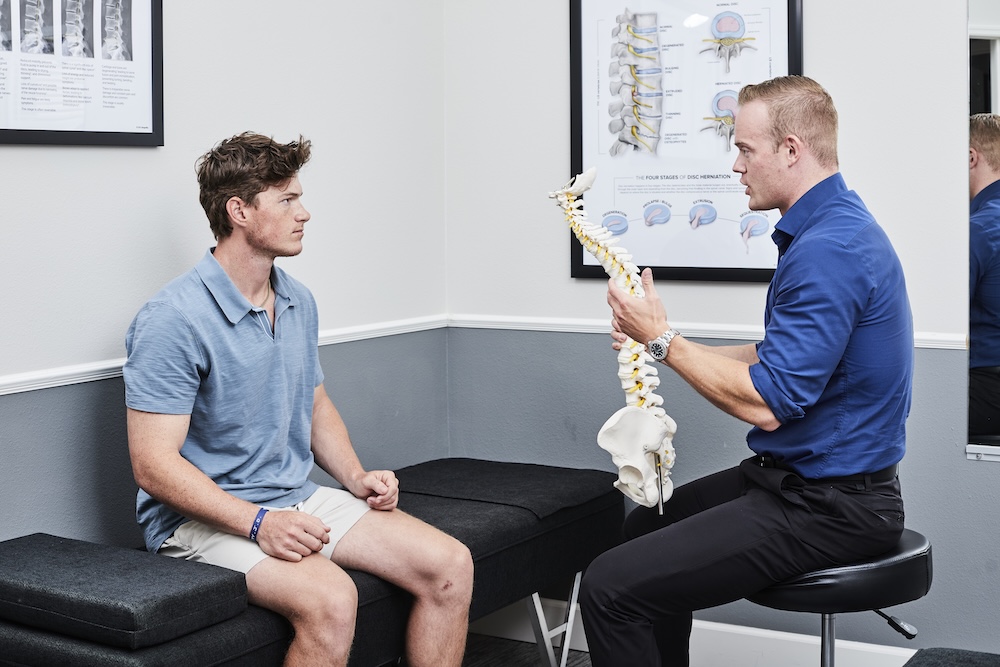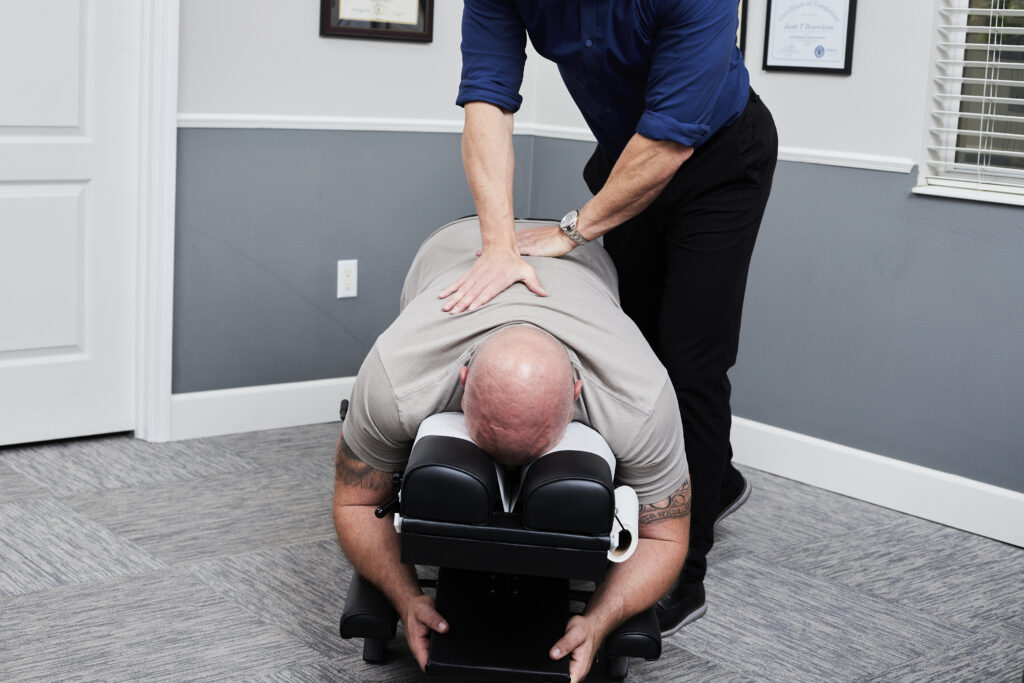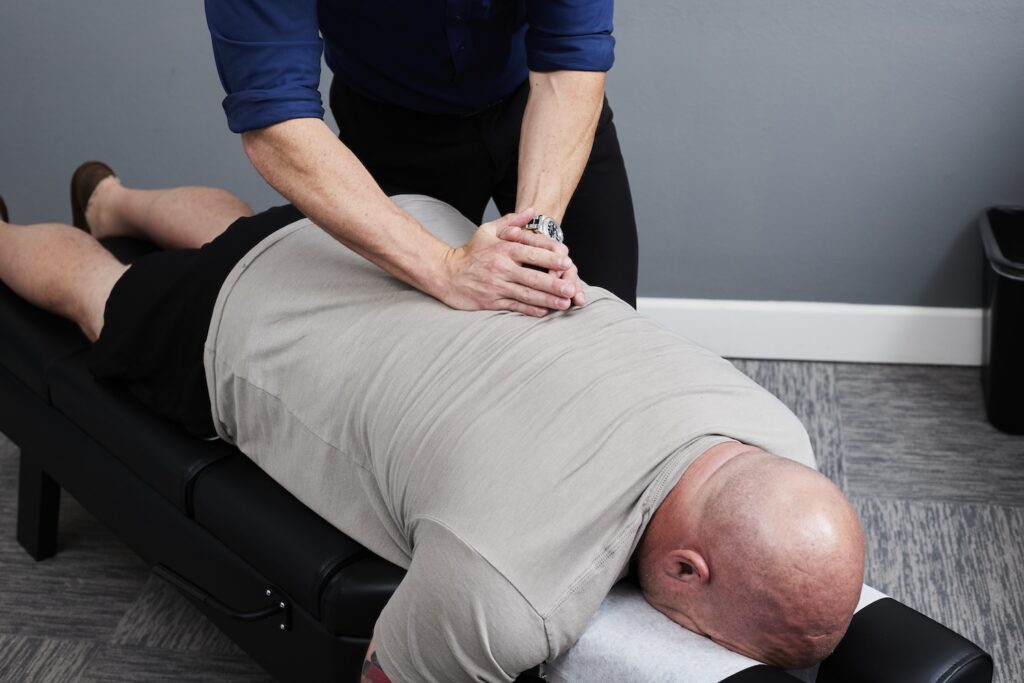

Neck pain can be a real nuisance that disrupts your daily activities and overall comfort. Fortunately, simple adjustments at home can make a significant difference in your relief journey. As a chiropractor, I believe that understanding the root causes of your pain and addressing them naturally is essential for achieving optimal health.
One effective way to alleviate neck pain is through gentle stretching exercises. These stretches can help improve flexibility, reduce tension, and promote better spinal alignment. For example, try slowly tilting your head from side to side and forward and backward to gently stretch the muscles in your neck. Remember to breathe deeply and avoid any movements that cause discomfort.
In addition to stretching, heat and cold therapy can provide soothing relief. Applying a warm compress or heating pad to your neck can help relax tight muscles and improve blood flow. On the other hand, using a cold pack can reduce inflammation and numb sharp pain. Alternating between heat and cold can be especially beneficial.
It’s also important to pay attention to your posture throughout the day. Whether you’re sitting at a desk or using your phone, maintaining proper alignment will help reduce strain on your neck. Make sure your workstation is ergonomically set up, keep your head aligned with your spine, and take regular breaks to stretch and move around.
Chiropractic care is an excellent option for addressing neck pain effectively. A chiropractor can assess your spinal alignment and provide targeted adjustments to relieve tension and restore balance to your body. This natural approach not only helps alleviate current pain but also promotes long-term wellness.
To summarize, here are some practical tips for neck pain relief:
- Incorporate gentle stretching exercises into your daily routine.
- Use heat and cold therapy to soothe discomfort.
- Maintain good posture while sitting and using devices.
- Consider chiropractic care for a holistic approach to pain relief.
By focusing on these natural methods, you can take steps toward better neck health and overall well-being. Remember, chiropractic care is here to support you on your journey to optimal health!
Key Takeaways
- Engage in gentle neck stretches such as neck tilts and chin tucks. These movements can relieve tension and enhance your neck’s flexibility, promoting overall spinal health.
- Consider applying heat therapy with a heating pad or warm towel. This can help relax tight muscles and improve blood flow, making it easier for your body to heal naturally.
- Use cold therapy by placing an ice pack on the affected area. This can help reduce inflammation and numb acute pain, offering immediate relief while your body works to restore balance.
- Pay attention to your posture throughout the day. Making ergonomic adjustments at your workspace can significantly reduce neck strain and support your spine’s natural alignment.
- Incorporate relaxation techniques like deep breathing and meditation into your daily routine. These practices can help alleviate stress-related tension in your neck, contributing to your overall well-being.
Remember, while these techniques can provide relief, regular chiropractic care is the best way to address the underlying issues causing neck pain and to achieve optimal health. Your chiropractor can offer personalized treatments to support your healing journey and ensure a healthier, pain-free life.
Understanding Neck Pain: Common Causes
When you experience neck pain, understanding its common causes is key to finding relief, and chiropractic care can play a vital role in your healing journey. One of the main culprits of neck pain is poor posture. If you often find yourself hunched over a computer or looking down at your phone for long periods, your neck muscles can become strained. A chiropractor can help address these postural issues and teach you how to maintain better alignment throughout your day.
Muscle tension from stress is another common factor that contributes to neck discomfort. Stress often leads to tightness in the neck muscles, but chiropractic adjustments can help alleviate this tension and promote relaxation.
Additionally, sleeping in an awkward position or using a pillow that doesn’t provide adequate support can exacerbate neck pain. A chiropractor can offer guidance on the best sleeping positions and pillow types to support your neck.
Injuries, such as whiplash from accidents or sports, can lead to acute neck pain. Chiropractic care is effective in treating such injuries by restoring proper motion and alignment to the spine, allowing the body to heal naturally.
For chronic conditions, like arthritis, regular chiropractic adjustments can help reduce pain and improve mobility over time by supporting joint health.
Repetitive movements in your daily routine can also lead to strain on your neck. Incorporating regular breaks and gentle stretches throughout your day can be beneficial. A chiropractor can guide you on specific stretches and exercises that strengthen your neck and improve flexibility.
Identifying the specific cause of your neck pain is essential for effective treatment and prevention. By addressing these factors with chiropractic care, you’ll be well on your way to achieving optimal health and lasting relief.
Stretching Exercises for Neck Relief
Incorporating a few simple stretching exercises into your daily routine can greatly alleviate neck pain and enhance your overall wellness. As a chiropractor, I believe that these stretches can complement your chiropractic care and promote natural healing.
Start with the neck tilt: gently tilt your head to one side, bringing your ear toward your shoulder. Hold this position for 15-30 seconds, then switch sides. This stretch helps release tension and can improve your neck’s range of motion, making daily activities easier and more comfortable.
Next, practice the chin tuck. Whether sitting or standing, maintain a straight posture and gently retract your chin toward your neck. Hold for a few seconds. This exercise not only strengthens your neck muscles but also encourages better posture, which is essential for spinal health.
Don’t forget about shoulder shrugs! Lift your shoulders toward your ears, hold for a moment, then relax them down. Repeat this several times. Shoulder shrugs can help relieve tightness in your upper back and neck, promoting a sense of relaxation.
Regularly performing these stretches can significantly reduce discomfort and support your neck health. Always listen to your body; if any stretch causes pain, stop immediately.
Heat Therapy: How It Can Help
Heat therapy can be an excellent tool for easing neck pain, especially when paired with the stretching exercises that I encourage you to incorporate into your daily routine. By applying heat, you can increase blood flow to the affected area, which helps promote healing and relax tight muscles.
Simple methods like using a heating pad, wrapping a warm towel around your neck, or enjoying a warm shower can work wonders.
When using heat therapy, aim for 15 to 20 minutes per session. This allows your muscles to fully absorb the warmth. Always be cautious with the temperature to prevent burns, and avoid sleeping with a heat source to keep yourself safe.
Incorporating heat before stretching can be particularly beneficial. It helps loosen your neck muscles, which can enhance the effectiveness of your routine. Pay attention to how your body responds; if the heat feels soothing, it’s likely helping, but if you feel any discomfort, it’s wise to stop and reassess.
As a chiropractor, I believe that natural healing methods like heat therapy, combined with chiropractic care, can provide the best path to lasting pain relief and overall wellness.
Make sure to include these strategies in your self-care toolkit to help you on your journey to optimal health!
Cold Therapy: When and How to Use It
Cold therapy can be a powerful ally in your journey towards neck pain relief, especially when paired with the benefits of chiropractic care. Understanding how to effectively use cold packs can enhance your recovery and promote natural healing. Here’s a simple guide to help you maximize the benefits of cold therapy while emphasizing the importance of chiropractic care for overall wellness.
First, let’s discuss the types of cold packs that work best. Gel packs or ice packs wrapped in a cloth are ideal for targeting neck pain. Avoid applying ice directly to the skin to prevent frostbite.
Next, timing is crucial. Aim to apply your cold pack for about 15-20 minutes at a time. This frequency can be repeated every hour as needed. Listen to your body; if you feel numbness or excessive discomfort, it’s time to take a break.
Incorporating chiropractic adjustments into your routine can complement the effects of cold therapy. A chiropractor can help identify the underlying causes of your neck pain and provide targeted adjustments to improve spinal alignment and function.
This holistic approach not only addresses pain relief but also promotes long-term wellness.
Remember to maintain good posture throughout your day and incorporate gentle stretches as recommended by your chiropractor. These practices can enhance the effectiveness of cold therapy and support your recovery.
Best Cold Packs
When it comes to relieving neck pain, selecting the right cold pack can truly enhance your comfort and complement your chiropractic care. Cold therapy is a wonderful natural approach that helps reduce inflammation and numbs sharp pain, making it an excellent tool in your wellness journey.
Here are some of the best cold packs you can utilize alongside your chiropractic treatments:
- Reusable gel packs: These are flexible and mold to the natural contours of your neck, providing targeted relief while you rest or focus on your daily activities.
- Ice bags: A classic choice that’s simple yet effective. Just fill them with ice, secure them in place, and let their cooling effect help alleviate discomfort.
- Cold compress wraps: Specifically designed for neck pain, these wraps offer a convenient way to apply cold therapy directly to the affected area, supporting your recovery process.
- Instant cold packs: These are fantastic for on-the-go relief. Simply squeeze to activate, and you have immediate cooling relief to help manage pain and inflammation.
- Homemade ice packs: You can easily make your own by mixing water and rubbing alcohol in a zip-lock bag. This DIY solution can provide a great cold compress when you need it.
While cold therapy can be beneficial, remember that regular chiropractic adjustments are key to addressing the root cause of your neck pain. Your chiropractor can help you develop a personalized care plan that promotes healing, improves spinal alignment, and enhances your overall well-being.
Additionally, here are some general tips to keep in mind:
- Always wrap your cold pack in a thin towel to protect your skin from frostbite.
- Limit application to 15-20 minutes at a time to avoid overexposure.
- Combine cold therapy with gentle stretches and exercises as advised by your chiropractor to further support your neck’s health.
Experiment with these options and tips to discover what works best for you, and enjoy the soothing relief that complements your path to optimal health!
Application Duration Guidelines
To effectively manage neck pain using cold therapy, it’s important to know the right way to do it for the best results. Start by applying a cold pack to the affected area for about 15 to 20 minutes. This duration helps numb the pain and reduce inflammation without risking skin damage.
After each session, allow your skin to warm up by taking a break for at least 30 minutes before reapplying the cold pack. If your neck pain continues, you can repeat this process several times throughout the day.
However, always listen to your body. If you notice any adverse reactions, like excessive redness or discomfort, stop immediately. Cold therapy can be a helpful tool for relief, but remember it works best when combined with chiropractic care, which addresses the underlying issues causing your pain.
In addition to cold therapy, consider incorporating gentle neck stretches and maintaining good posture to further alleviate tension. Staying active and taking breaks during long periods of sitting can also help keep neck pain at bay.
The Role of Good Posture
Good posture is a fundamental aspect of maintaining a healthy spine and can significantly help in preventing and alleviating neck pain. By ensuring that your spine remains in its natural alignment, you can reduce strain on your neck and the surrounding muscles.
Here are some practical tips to help you achieve and maintain good posture, which is essential for overall wellness:
- Relax Your Shoulders: Keep your shoulders relaxed and down to avoid a hunched position. This helps to open up your chest and keeps your neck aligned.
- Ear Alignment: Make sure your ears are directly over your shoulders. This simple adjustment can help maintain a straight neck and relieve stress on your spine.
- Feet Position: When sitting, keep your feet flat on the floor and your knees at a right angle. This position supports healthy spinal alignment and reduces strain.
- Choose the Right Chair: Opt for a supportive chair that promotes proper spinal curvature. A good chair can make a significant difference in how you feel throughout the day.
- Take Breaks: Regularly take breaks to stretch and realign your posture. Simple movements can refresh your spine and prevent stiffness.
Remember, keeping a good posture isn’t just about comfort; it plays a crucial role in your overall health.
As a chiropractor, I can help you develop a personalized plan to improve your posture and enhance your well-being naturally. Chiropractic care focuses on restoring the body’s natural balance and can be a powerful tool in achieving optimal health.
If you’re experiencing neck pain or discomfort, consider scheduling a visit to discuss how we can work together towards a healthier you!
Ergonomic Adjustments for Your Workspace
To relieve neck pain and promote overall wellness, it’s crucial to optimize your workspace ergonomically. As a chiropractor, I believe that creating a supportive work environment can play a significant role in your spinal health and overall well-being. Here are some practical adjustments you can make to help alleviate discomfort and prevent future issues.
- Chair Height: Ensure your chair is at a height where your feet rest flat on the floor, allowing your knees to be at a 90-degree angle. This position helps maintain proper spinal alignment and reduces strain on your neck and back.
- Monitor Positioning: Your monitor should be at eye level, approximately an arm’s length away. This positioning encourages a neutral head and neck posture, minimizing the tendency to lean forward or strain your neck.
- Keyboard and Mouse Placement: Keep your keyboard and mouse close to your body, allowing your elbows to remain at a comfortable 90-degree angle. This setup reduces tension in your shoulders and neck, making it easier to maintain a relaxed posture.
Incorporating these adjustments into your workspace can lead to a more comfortable and supportive environment, ultimately enhancing your daily productivity and well-being.
Remember, regular chiropractic care is also a powerful ally in achieving optimal health. By addressing underlying spinal issues, you can experience lasting relief and improved health.
If you’re struggling with neck pain, consider consulting with a chiropractor to explore personalized treatment options tailored to your needs. Together, we can work towards a healthier, pain-free lifestyle.
Chair Height Optimization
Many people underestimate the significance of chair height in their workspace, yet it’s a crucial factor in relieving neck pain and promoting overall spinal health. When your chair is adjusted to the correct height, it supports proper posture, which can significantly reduce strain on your neck and spine.
Here are some straightforward tips to optimize your chair height for better health and comfort:
- Feet Flat on the Ground: Ensure your feet rest flat on the floor, allowing your knees to form a 90-degree angle. This alignment promotes better circulation and overall body balance.
- Elbows at Desk Level: When typing, your elbows should be parallel to or slightly above the desk. This position helps prevent tension in your shoulders and neck, making it easier to maintain a relaxed posture.
- Thigh Clearance: Check that there’s adequate space between your thighs and the seat of the chair. This will enhance comfort and prevent unnecessary pressure on your legs.
- Back Support: Choose a chair that supports the natural curve of your spine. Proper lumbar support is vital for maintaining good posture and avoiding discomfort.
- Adjustable Seat: Invest in a chair that allows for easy height adjustments. This flexibility is essential in achieving the best ergonomic setup tailored to your unique body.
By making these simple adjustments, you can significantly alleviate neck discomfort and support your spinal health.
Remember, chiropractic care is also an excellent way to address neck pain and improve your overall wellness. Regular chiropractic adjustments can help restore proper alignment and function to your spine, enhancing your body’s natural ability to heal.
Embrace these changes in your workspace and consider chiropractic care as a key component of your journey to optimal health and wellness.
Monitor Placement Guidelines
Optimizing your workspace is crucial not just for comfort but also for maintaining a healthy spine. Proper monitor placement can significantly reduce the risk of neck pain and other discomforts. Here are some simple tips to ensure your monitor setup promotes good posture and well-being:
- Height: Position the top of your monitor screen at or just below your eye level. This helps you keep your head in a neutral position, reducing unnecessary strain on your neck.
- Distance: Keep your monitor about an arm’s length away. This distance helps prevent eye strain and allows you to maintain a relaxed posture.
- Angle: Tilt your monitor slightly back, ideally between 10 to 20 degrees. This angle can enhance your viewing comfort and encourages a more ergonomic posture.
- Screen Size: Opt for larger screens if possible. Bigger screens can help reduce eye strain and allow you to view content comfortably without leaning forward or hunching over.
- Glare: Make sure to position your monitor to avoid reflections and glare from windows or overhead lights. Glare can lead to squinting, which may contribute to neck and back discomfort.
Remember, maintaining a healthy workspace is just one way to support your overall wellness.
Regular visits to your chiropractor can also help keep your spine aligned and functioning optimally, providing you with the natural relief and holistic care you deserve.
Making these simple adjustments to your monitor setup can be a great first step towards a healthier, pain-free life!
Keyboard and Mouse Positioning
Proper keyboard and mouse positioning is crucial for preventing strain and discomfort, ensuring your spine stays healthy while you work. As a chiropractor, I want to share some ergonomic adjustments that can enhance your comfort and promote natural healing:
- Keep your keyboard at elbow height: This helps maintain a neutral arm position, reducing stress on your shoulders and spine. A neutral position is vital for avoiding discomfort and promoting overall wellness.
- Position your mouse close to the keyboard: Keeping your mouse within easy reach minimizes the need for excessive reaching, which can lead to strain in your neck and upper back. This simple adjustment can make a big difference in your daily comfort.
- Use a wrist rest: Supporting your wrists while typing or using the mouse can alleviate pressure on your joints. This small addition can enhance your comfort and help maintain proper alignment, reducing the risk of repetitive strain injuries.
- Ensure your feet rest flat: Whether on the floor or on a footrest, keeping your feet flat promotes good posture and spinal alignment. This position helps distribute your weight evenly, taking stress off your lower back.
- Adjust your chair for a straight back: A properly adjusted chair allows your back to remain straight, enabling your shoulders to relax. This posture not only feels better but also supports your spinal health, preventing future discomfort.
By incorporating these simple adjustments into your workspace, you can promote a healthier lifestyle and reduce the risk of pain.
Massage Techniques for Neck Pain
When it comes to relieving neck pain, chiropractic care is an excellent choice for promoting natural healing and improving overall wellness. In addition to chiropractic adjustments, massage techniques can be incredibly effective in alleviating tension and enhancing relaxation.
Start by using your fingertips to apply gentle pressure on the areas surrounding your neck. Work in circular motions, moving from the base of your skull down to your shoulders. You can also use your thumbs to knead the muscles along your neck, focusing on any knots you may find. This self-massage can complement the benefits you receive from chiropractic care.
To further relieve tension, try leaning your head to one side while gently pulling it with the opposite hand to deepen the stretch. Hold for a few seconds before switching sides. Incorporating heat, like a warm towel or heating pad, can also enhance your massage experience and promote relaxation.
For a deeper muscle release, consider using a foam roller to target those hard-to-reach areas. Regularly practicing these techniques, along with routine chiropractic adjustments, can significantly reduce discomfort and improve your neck mobility.
Relaxation Techniques to Reduce Tension
In addition to the benefits of chiropractic care, incorporating relaxation methods can significantly help reduce tension in your neck and body. By practicing these techniques regularly, you can enhance your overall well-being and alleviate discomfort, paving the way for a healthier lifestyle.
- Deep Breathing: Take a moment to focus on slow, deep breaths. This simple practice calms your mind and helps relax your muscles, creating a serene environment for healing.
- Progressive Muscle Relaxation: Try tensing and then relaxing each muscle group, beginning from your toes and moving up to your neck. This method helps release built-up tension and promotes a sense of calm.
- Meditation: Dedicate a few minutes each day to sit in silence. Focus on your breath or visualize a calming image. This practice not only relaxes your mind but also complements the benefits of chiropractic adjustments.
- Gentle Stretching: Incorporate simple neck stretches into your daily routine. These stretches not only relieve tension but also promote flexibility, supporting your spinal health.
- Mindfulness: Stay present and aware of your feelings without judgment. Mindfulness helps you connect with your body, making it easier to recognize areas of tension that may benefit from chiropractic care.
Remember, chiropractic adjustments are a natural and effective way to address pain and tension, helping you achieve optimal health.
When to Seek Professional Help
When should you consider visiting a chiropractor for neck pain? If your discomfort lingers for more than a few days, even after trying some home remedies, it’s a good idea to consult a chiropractic professional.
Pay close attention to any symptoms like numbness, tingling, or weakness in your arms or hands, as these may point to nerve issues that can benefit from chiropractic care.
If you experience neck pain alongside severe headaches, fever, or unexplained weight loss, it’s important to seek help right away. These symptoms could indicate more serious underlying issues that require immediate attention.
Additionally, if neck pain is making it hard for you to carry out daily activities or affecting your sleep, don’t hesitate to reach out to a chiropractor. Early intervention through chiropractic care can help alleviate your pain naturally and prevent further complications, allowing you to recover more effectively.
Remember, prioritizing your health is vital. Seeking chiropractic care can lead to a proper diagnosis and a personalized treatment plan aimed at addressing your specific needs.
Here are a few tips to consider in the meantime:
- Maintain Good Posture: Be mindful of your posture while sitting or standing. Keeping your spine aligned can help reduce strain on your neck.
- Take Breaks: If you work at a desk or use your phone frequently, make sure to take regular breaks to stretch and move around.
- Use Heat or Cold Therapy: Applying heat or cold packs can help ease discomfort. Use heat to relax tight muscles and cold to reduce inflammation.
- Stay Hydrated: Drinking plenty of water can help keep your spinal discs hydrated and may contribute to better spinal health.
- Gentle Stretching: Incorporate gentle neck stretches into your routine to improve flexibility and reduce tension.
Conclusion
Incorporating these home techniques can make a significant difference in managing your neck pain, and as a chiropractor, I want to emphasize the importance of a holistic approach to healing. Simple practices like gentle stretching, applying heat to soothe tight muscles, and maintaining good posture can greatly enhance your comfort. Additionally, don’t underestimate the power of relaxation techniques, such as deep breathing or mindfulness, to reduce tension.
While these methods can provide relief, it’s crucial to remember that persistent or worsening pain should be addressed with professional care. Chiropractic adjustments can help realign your spine, alleviate discomfort, and promote natural healing, ensuring your body functions at its best.
Taking proactive steps now, such as regular chiropractic visits combined with these home techniques, can lead to long-lasting relief and a healthier neck. This way, you can enjoy your daily activities without the hindrance of pain. Your well-being is always worth prioritizing, and chiropractic care is a natural and effective choice for achieving optimal health.