
When you experience a sports injury, it's easy to overlook the importance of seeking professional support. You might think you can manage on your own, but there are compelling reasons to contemplate getting help. From tailored recovery plans to emotional support, the benefits of expert assistance can greatly influence your rehabilitation journey. Plus, understanding injury prevention strategies can enhance your future performance. Curious about how these aspects come together to facilitate a more effective recovery? Let's explore the top five reasons why seeking sports injury support is essential for every athlete.
Enhanced Recovery Time
When you experience a sports injury, enhancing your recovery time becomes vital for getting back to your game. To speed up the healing process, you can adopt several strategies that focus on both physical and mental aspects of recovery.
Start by following the R.I.C.E. method: Rest, Ice, Compression, and Elevation. Giving your body proper rest allows it to heal efficiently, while ice reduces swelling and pain. Compression can further help by stabilizing the injured area, and elevation aids circulation.
It's also important to maintain a balanced diet rich in protein, vitamins, and minerals. Foods like lean meats, leafy greens, and fruits provide the nutrients necessary for tissue repair. Staying hydrated is equally important; water helps transport nutrients and flush out toxins, speeding up your recovery.
Incorporating gentle physical activity into your routine can also be beneficial. Once your doctor approves, low-impact exercises can improve blood flow and flexibility without stressing your injury. For instance, swimming or cycling can maintain your fitness levels while you recover.
Lastly, don't underestimate the power of mental resilience. Practicing mindfulness or visualization techniques can help you stay focused on recovery, fostering a positive mindset. Surrounding yourself with supportive friends or teammates can also motivate you during this challenging time.
Professional Guidance
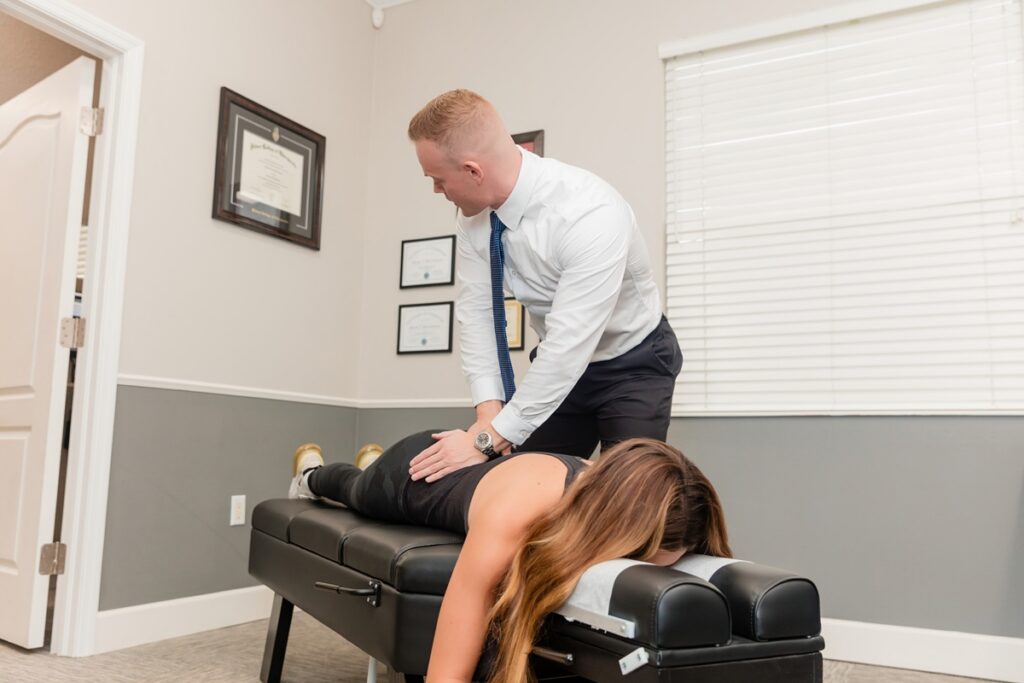
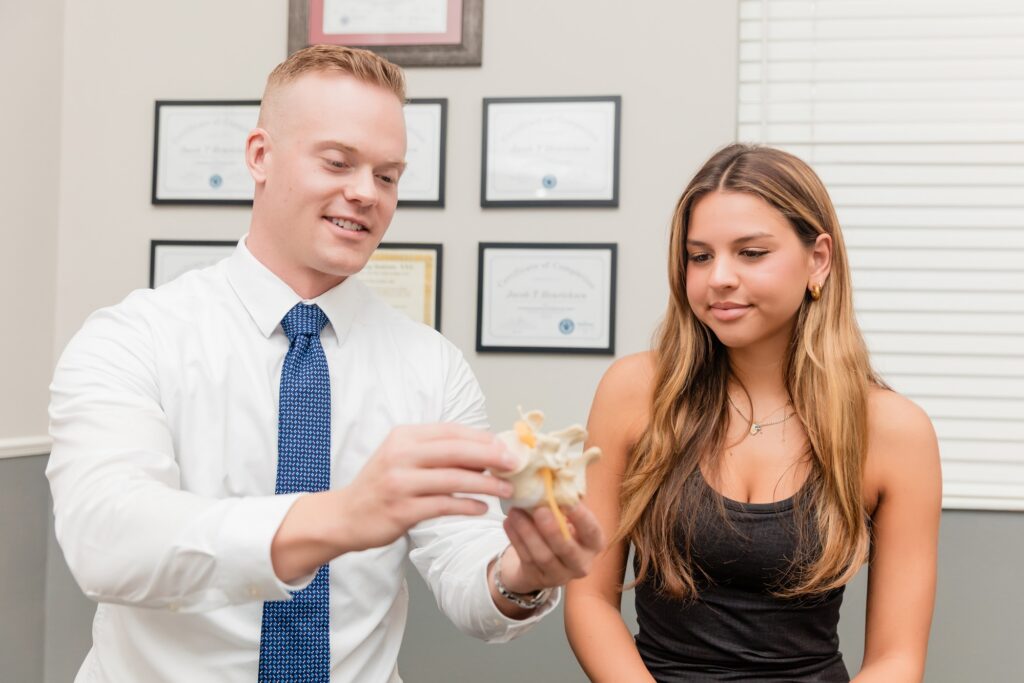
Seeking professional guidance can markedly enhance your recovery journey after a sports injury. When you're dealing with pain and uncertainty, having experts by your side can make all the difference. Sports medicine professionals, physical therapists, and athletic trainers possess the knowledge and experience to assess your injury accurately. They can pinpoint the severity of your condition and recommend the most effective treatment plan tailored to your needs.
Working with professionals means you'll receive a structured rehabilitation program. They'll guide you through exercises that promote healing while preventing further damage. This structured approach helps you regain strength, flexibility, and mobility, ensuring you can return to your sport safely and efficiently. Furthermore, professionals can monitor your progress and adjust your rehabilitation plan as necessary, keeping you on track.
Additionally, professional guidance offers emotional support. Recovering from a sports injury can be frustrating and disheartening. Having someone who understands the mental and physical challenges you face can provide motivation and encouragement. They can help you set realistic goals and celebrate your milestones, no matter how small.
Lastly, professionals stay updated on the latest advancements in sports injury treatment. This means you'll benefit from the most current techniques and therapies available, further enhancing your recovery.
Injury Prevention Strategies
Many athletes underestimate the importance of injury prevention strategies, but taking proactive steps can greatly reduce your risk of getting hurt.
By incorporating effective strategies into your training routine, you can safeguard your body and enhance your overall athletic performance. Here are some key tactics to reflect on:
- Warm-up and cool down: Always start with a proper warm-up to prepare your muscles and a cool down to aid recovery.
- Strength training: Focus on building strength in key muscle groups to provide better support for your joints and tendons.
- Flexibility exercises: Incorporating stretching or yoga can improve your range of motion and reduce the likelihood of strains.
- Listen to your body: Pay attention to any signs of discomfort or fatigue. Ignoring these signals can lead to serious injuries.
- Use proper equipment: Verify your gear, from shoes to protective equipment, is appropriate for your sport and fits correctly.
Implementing these strategies can create a more resilient body, allowing you to train harder and longer without fear of injury.
Remember, the goal isn't just to push yourself but to do so safely. By prioritizing injury prevention, you'll not only enhance your performance but also extend your athletic career.
Mental Health Benefits
Athletes often overlook the profound connection between physical activity and mental health. When you face a sports injury, it can impact not only your body but also your emotional well-being. Seeking sports injury support isn't just about physical recovery; it's also an essential step toward maintaining your mental health.
Dealing with an injury can lead to feelings of frustration, anxiety, or even depression. You might find yourself worrying about your future in the sport or feeling isolated from teammates. However, getting the right support can help you navigate these challenges. Engaging with a sports psychologist or a support group can provide you with coping strategies and a safe space to express your feelings.
Moreover, focusing on rehabilitation can redirect your energy to positive actions. As you work through your recovery, you'll likely discover new ways to engage with the sport you love. This shift in focus can foster resilience and boost your self-esteem, reminding you that you're more than just your athletic ability.
Additionally, maintaining a routine during recovery can create a sense of normalcy in your life. Setting small, achievable goals can also enhance your motivation and confidence, making you feel empowered in your healing journey.
Improved Performance
Recovering from a sports injury can actually lead to improved performance when approached with the right mindset.
It's easy to feel discouraged, but by focusing on recovery, you open the door to new opportunities. By addressing weaknesses and enhancing your skills during rehabilitation, you can return to your sport stronger than before.
Here are some key ways that seeking sports injury support can boost your performance:
- Targeted rehabilitation: You'll work on specific areas that need attention, developing strength and flexibility.
- Technique enhancement: Recovery often involves refining your technique, which can lead to more efficient movement patterns.
- Mental resilience: Overcoming an injury builds mental toughness, giving you the confidence to tackle future challenges.
- Cross-training opportunities: You might explore different activities during recovery, which can improve overall athleticism and prevent future injuries.
- Professional guidance: Working with trainers and therapists helps you create a personalized plan to maximize your potential.
Conclusion
In summary, seeking sports injury support is essential for your recovery journey. With professional guidance, you can enhance your recovery time and develop effective injury prevention strategies. Plus, the mental health benefits will help you stay resilient during this challenging period. By focusing on your rehabilitation, you're not just healing; you're also setting yourself up for improved performance in the future. Don't hesitate to reach out for support—it's an investment in your athletic success!