
If you experience migraines, you’re likely all too familiar with how they can interfere with your daily life. However, there are effective, natural strategies to help manage and reduce the impact of migraines. One of the key steps is identifying your specific triggers, which may include stress, certain foods, or even poor posture. By maintaining healthy habits and focusing on your overall wellness, you can help decrease the frequency and intensity of your episodes.
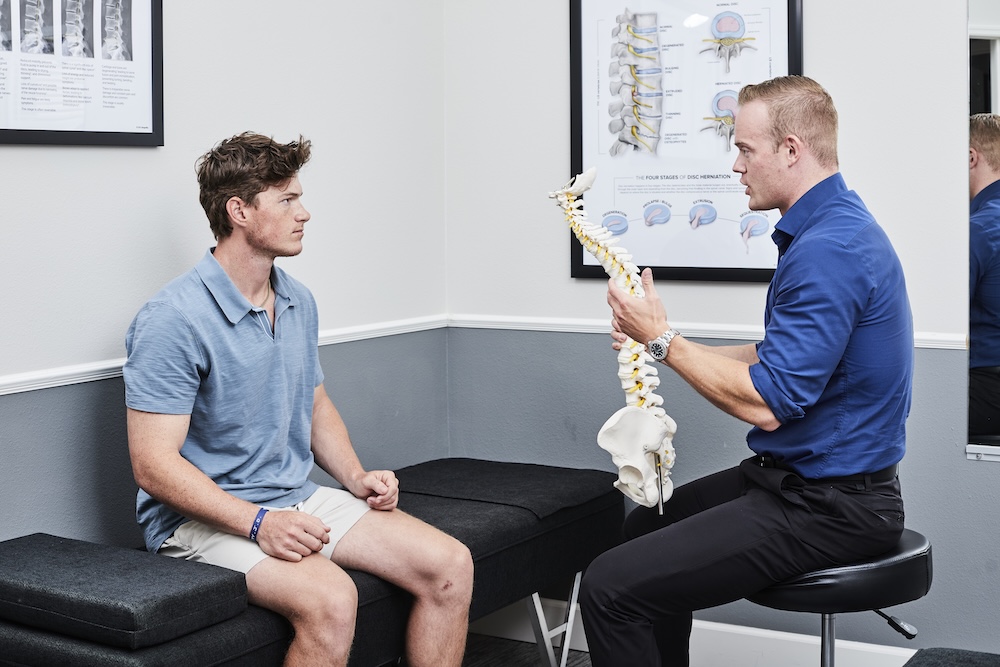
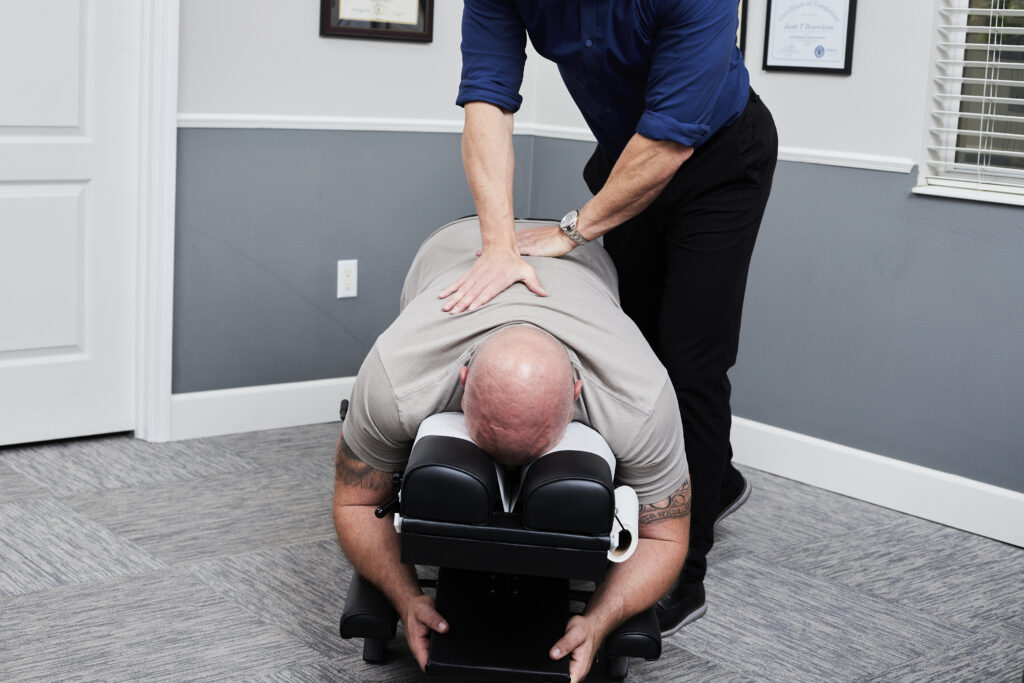
Chiropractic care is an excellent option for those seeking pain relief and natural wellness. Regular adjustments can help ensure that your spine is properly aligned, which can alleviate tension that may contribute to migraine symptoms. Additionally, chiropractic care emphasizes the importance of a holistic approach to health, focusing on your entire body rather than just isolated symptoms.
Here are some practical tips to help you manage migraines effectively:
- Stay Hydrated: Drink plenty of water throughout the day to prevent dehydration, a common trigger for migraines.
- Maintain Good Posture: Poor posture can lead to tension in your neck and shoulders, which can exacerbate migraines. A chiropractor can help you learn how to maintain proper alignment.
- Practice Stress Management: Techniques like deep breathing, yoga, and meditation can help reduce stress levels, which are often a significant trigger for migraines.
- Regular Chiropractic Visits: Regular adjustments can help alleviate spinal tension and improve your overall well-being. This natural approach can lead to fewer migraines over time.
- Establish a Sleep Routine: Aim for consistent sleep patterns by going to bed and waking up at the same time each day. Quality sleep is vital for managing migraines.
- Healthy Eating Habits: Keep a food diary to identify any dietary triggers. Eating balanced meals at regular intervals can help maintain stable blood sugar levels.
- Limit Screen Time: Reduce the amount of time spent in front of screens, as prolonged exposure can lead to eye strain and trigger migraines.
- Exercise Regularly: Engaging in regular, moderate exercise can help reduce stress and improve overall health, which may decrease the frequency of migraines.
- Use Essential Oils: Some people find relief from migraines through the use of essential oils like peppermint or lavender. They can promote relaxation and alleviate headache symptoms.
- Educate Yourself: Understanding more about how your body works and what contributes to migraines can empower you to take control of your health.
By incorporating these strategies into your routine and considering chiropractic care as a primary approach to managing your migraines, you can work towards a life with fewer disruptions and greater wellness. Remember, taking care of your spine is taking care of your overall health!
Key Takeaways
- Start a migraine diary to track your headaches and identify patterns or triggers. This useful tool can help you understand what might be causing your discomfort and guide you toward natural solutions, including chiropractic care.
- Prioritize a consistent sleep schedule and develop a calming pre-sleep routine. Quality sleep is essential for overall wellness and can reduce the frequency of migraines.
- Drink plenty of water—aim for 8 to 10 cups daily! Staying hydrated is crucial, and incorporating water-rich foods into your meals can support your body’s natural healing processes.
- Engage in regular low-impact exercise like walking or yoga. Not only does this promote physical health, but it can also alleviate muscle tension that may contribute to migraines. Chiropractic care can enhance your exercise routine by ensuring your spine is properly aligned, helping you move more freely and comfortably.
- Explore chiropractic care as a natural and effective way to manage migraines. Techniques such as spinal adjustments can relieve tension and improve overall body function. Additionally, consider complementary therapies like acupuncture or biofeedback, which can work alongside chiropractic treatments to enhance your wellness journey.
By focusing on these natural strategies, you can take proactive steps towards better health and reduced migraine frequency. Remember, chiropractic care is a powerful ally on your path to wellness!
Identify and Avoid Triggers
Identifying and avoiding triggers is crucial for managing migraines effectively, and chiropractic care can play a significant role in this process. One helpful step is to keep a migraine diary. By tracking when your headaches occur alongside your diet, activities, and stress levels, you can discover patterns that may help identify specific triggers. Common triggers often include certain foods, changes in weather, and strong smells.
Once you identify these triggers, you can take proactive measures to avoid them. For example, if you find that aged cheeses or chocolate tend to spark your migraines, consider eliminating them from your diet. Additionally, if you notice that caffeine or alcohol may contribute to your headaches, try cutting back on those as well.
It’s also important to pay attention to your emotional well-being. Stress and anxiety can be significant triggers for migraines, so incorporating relaxation techniques such as deep breathing or meditation into your daily routine can be very beneficial.
Chiropractic care can also help manage stress by promoting relaxation and balance in your body.
By being mindful of your triggers and incorporating chiropractic adjustments into your wellness routine, you can greatly reduce the frequency and intensity of migraines. Chiropractic care not only addresses pain relief but also supports overall health, allowing you to live a more vibrant, pain-free life.
Maintain a Consistent Sleep Schedule
Maintaining a consistent sleep schedule is crucial for overall health, particularly when it comes to managing migraines. Irregular sleep patterns can be a significant trigger for migraine attacks. By establishing a regular routine, you can help regulate your body’s internal clock, making it easier to fall asleep and wake up feeling refreshed and ready to tackle the day.
Here are some simple tips to help you stay on track and enhance your sleep quality:
- Set a bedtime: Choose a specific time each night to go to bed and commit to it, even on weekends. This consistency helps your body understand when it’s time to wind down.
- Create a relaxing pre-sleep routine: Engage in calming activities before bed, such as reading a book or practicing meditation. This signals your body that it’s time to relax and prepare for sleep.
- Limit naps: If you feel the need to nap during the day, keep it brief—about 20 to 30 minutes. Avoid longer naps, especially in the late afternoon, as they can disrupt your nighttime sleep.
- Make your sleep environment comfortable: Ensure your bedroom is an ideal place for rest. Keep it dark, quiet, and cool to promote better sleep quality. A comfortable mattress and pillow can also make a big difference.
In addition to these tips, consider how chiropractic care can play a role in your overall wellness. Regular chiropractic adjustments can help improve sleep by reducing tension in your body, promoting relaxation, and supporting your spine’s health.
Stay Hydrated
Staying hydrated is a key part of managing migraines, and it can also significantly contribute to your overall health and wellness. Dehydration can be a trigger for headaches and can exacerbate existing pain, making it important to maintain proper fluid intake. Aim to drink around 8 to 10 cups of water each day, adjusting based on your activity level and climate conditions. Including hydrating foods in your diet—like cucumbers, oranges, and watermelon—can also boost your hydration.
To make hydration easier, keep a water bottle with you throughout the day as a reminder to sip regularly. You can also set personal hydration goals or use simple apps to help track your water intake. If you find yourself active or spending time in hot weather, be sure to increase your fluid intake to replace what you lose.
Be mindful of signs of dehydration, such as dry mouth, fatigue, or dizziness. By prioritizing hydration, you not only help reduce the frequency and intensity of migraines, but you also support your overall spinal health and wellness.
Remember, a well-hydrated body can better manage pain naturally, which is where chiropractic care shines. Chiropractic adjustments can help improve your body’s function, and maintaining hydration can enhance the effects of your care.
Practice Stress Management Techniques
Staying properly hydrated is crucial for your overall wellness, but managing stress is just as vital, especially when it comes to tackling migraines. High stress levels can trigger or intensify these headaches, so it’s important to incorporate stress management techniques into your daily routine.
Here are four effective methods to help you reduce stress naturally:
- Deep Breathing: Take a few moments each day to practice deep breathing exercises. Focus on inhaling deeply through your nose and exhaling slowly through your mouth. This simple practice can help calm your mind and promote relaxation.
- Mindfulness Meditation: Carve out some time in your day for mindfulness meditation. This involves focusing on the present moment, which can help quiet racing thoughts and reduce stress. Simply find a quiet space, close your eyes, and concentrate on your breath.
- Progressive Muscle Relaxation: This technique involves tensing and then relaxing each muscle group in your body, which can help alleviate physical tension and promote relaxation. Start from your toes and work your way up to your head, taking note of how your body feels as you relax each area.
- Journaling: Writing down your thoughts and feelings can be a powerful way to process emotions and relieve stress. Take a few minutes each day to jot down what’s on your mind. This can help clear your head and provide a sense of relief.
In addition to these techniques, consider incorporating regular chiropractic adjustments into your wellness routine. Chiropractic care not only addresses spinal health but can also help reduce stress and tension in the body, contributing to better overall well-being.
Incorporate Regular Exercise
Incorporating regular exercise into your routine can significantly help manage migraines and promote overall wellness. As a local chiropractor, I recommend focusing on low-impact activities that align with your fitness level, such as walking, swimming, or yoga.
Establishing a consistent exercise routine not only supports your physical health but can also enhance your spinal alignment and reduce tension in the body.
It’s essential to listen to your body during exercise. Pay attention to how your body responds and adjust your activities as needed to avoid triggering a headache.
Additionally, consider integrating chiropractic care into your wellness plan. Regular chiropractic adjustments can help improve spinal function, reduce muscle tension, and promote better overall health, making it easier to manage migraine symptoms.
Remember, staying hydrated and ensuring proper posture during exercise is key to preventing discomfort.
Choose Low-Impact Activities
While it may be tempting to skip exercise during a migraine, incorporating low-impact activities can actually help ease your symptoms and reduce the likelihood of future attacks. These gentle exercises promote blood flow and relieve tension without putting too much strain on your body.
As a chiropractor, I often recommend these activities to my patients as part of a holistic approach to wellness and pain relief. Here are some great options to consider:
- Walking: A gentle stroll not only lifts your mood but also helps clear your mind. Aim for a peaceful environment to enhance the calming effect.
- Yoga: Focus on simple stretching and breathing exercises. Yoga helps to relieve stress and tension, which can be beneficial in managing migraine symptoms.
- Swimming: The buoyancy of water takes the pressure off your joints and allows for a soothing full-body workout. It can be a refreshing way to engage in physical activity without strain.
- Cycling: A leisurely bike ride can improve your cardiovascular health while being gentle on your body. Choose a flat route and enjoy the scenery to make it more enjoyable.
Incorporating these low-impact activities into your routine can significantly aid in managing migraines, while also supporting your overall health and wellness.
Remember, chiropractic care can play a crucial role in your pain relief journey as it focuses on aligning your spine and optimizing your nervous system function.
Establish a Routine
Finding activities that work for you is just the first step; establishing a routine can make a significant difference in managing migraines, and chiropractic care can play a crucial role in this process.
Regular exercise, even if it’s low-impact, helps reduce the frequency and severity of migraines. Aim for consistency—try to engage in your chosen activities at the same time each day. Whether it’s a brisk walk, gentle yoga, or swimming, find what you love to ensure you stick with it.
Incorporating both aerobic exercises and strength training throughout the week can enhance your physical well-being, and it’s beneficial for spinal health as well. A well-aligned spine, as emphasized in chiropractic care, can improve your body’s overall function and help manage pain.
Additionally, pairing your routine with other healthy habits—such as proper hydration and balanced meals—will further enhance its effectiveness.
Remember, chiropractic adjustments can help keep your spine in optimal alignment, which supports your body’s natural healing processes and may lead to fewer migraines.
By committing to a regular schedule and considering chiropractic care, you’ll create a proactive approach to managing your migraines while improving your overall wellness.
Take these steps, and you may find relief and a higher quality of life through natural health practices.
Listen to Your Body
Listen to Your Body for Optimal Health
When it comes to incorporating regular exercise into your migraine management plan, it’s vital to listen to your body. Understanding how your body responds before, during, and after physical activity can significantly impact your overall wellness.
Here are some helpful tips to find the right balance while prioritizing chiropractic care for a natural approach to health:
- Start Slow: Begin with gentle, low-impact activities like walking or yoga. These exercises aren’t only easy on your body but can also promote spinal health and improve overall function.
- Stay Hydrated: Dehydration is a common migraine trigger. Make sure to drink plenty of water before, during, and after your workouts. Proper hydration supports your spinal health and overall wellness.
- Choose the Right Time: Timing is key. Exercise when you feel your best to minimize the risk of triggering a migraine. This can also enhance your chiropractic adjustments, as a well-aligned body responds better to physical activity.
- Monitor Symptoms: Keeping a diary of your workouts along with any migraine occurrences can help you identify patterns. This information is valuable for both you and your chiropractor, ensuring that your treatment plan is tailored to your needs.
By focusing on these simple tips and incorporating chiropractic care into your routine, you can create a holistic approach to managing migraines while promoting natural healing and a healthier lifestyle.
Keep a Migraine Diary
Keeping a migraine diary can significantly enhance your understanding of the triggers and patterns associated with your headaches. By documenting your migraines, you can identify potential causes, such as stress, poor sleep, or environmental factors. Make sure to log the date, duration, and intensity of each migraine, as well as any activities or foods consumed before the onset of the attack.
It’s also important to note your mood and stress levels, as these factors can play a crucial role in your migraine experiences. Over time, you’ll begin to see connections between your lifestyle choices and when your migraines occur. This valuable information can be instrumental when discussing your condition with your chiropractor, who can help you explore natural methods of care.
By keeping this diary, you’ll not only gain insights into your migraines but also feel more empowered in managing your health through chiropractic care. This approach focuses on aligning your spine and improving your overall well-being without the need for medications or surgeries.
In addition to tracking your migraines, here are some general tips to help alleviate them naturally:
- Stay Hydrated: Dehydration can trigger migraines, so make sure you’re drinking enough water throughout the day.
- Maintain a Regular Sleep Schedule: Aim for consistent sleep patterns to prevent sleep-related migraines.
- Practice Relaxation Techniques: Incorporate activities like yoga, meditation, or deep breathing exercises to reduce stress levels.
- Monitor Your Diet: Keep an eye on potential food triggers, and try to maintain a balanced diet rich in whole foods.
- Regular Chiropractic Adjustments: Regular visits to your chiropractor can help keep your spine aligned, which may reduce the frequency and intensity of migraines.
Start your migraine diary today and explore how chiropractic care can help you manage your health more effectively. You’ll be taking a proactive step towards a healthier, more balanced life.
Optimize Your Diet
Optimizing your diet is a crucial step in managing migraines and promoting overall wellness. As a chiropractor, I believe that a holistic approach to health can significantly alleviate pain and improve your quality of life. By identifying trigger foods that may exacerbate your migraines and ensuring you stay well-hydrated, you can help reduce the frequency and intensity of headaches.
Incorporating a balanced intake of nutrients is vital for keeping your body in harmony. Foods rich in magnesium, such as leafy greens and nuts, can be particularly beneficial, as magnesium deficiency has been linked to migraines. Additionally, maintaining stable blood sugar levels by eating regular, balanced meals can help prevent those painful episodes.
Remember, the spine plays a key role in your overall health, and regular chiropractic adjustments can enhance your nervous system function, improving your body’s ability to manage pain and stress. By aligning your spine and optimizing your body’s function, you may find that your migraine symptoms become less frequent.
Here are some general tips you can incorporate into your daily routine:
- Stay Hydrated: Aim for at least eight glasses of water a day to keep your body functioning optimally.
- Keep a Food Journal: Track what you eat and note any migraine occurrences to identify potential trigger foods.
- Choose Whole Foods: Focus on whole grains, lean proteins, and plenty of fruits and vegetables to provide your body with essential nutrients.
- Regular Chiropractic Care: Schedule consistent visits with your chiropractor to maintain spinal health and support your overall wellness.
Identify Trigger Foods
How can you take control of your migraines through diet? Identifying trigger foods is a crucial step in managing your symptoms and achieving overall wellness. Everyone’s triggers can differ, so it’s essential to pay attention to what you consume. A great first step is to keep a food diary. This allows you to track your meals alongside any migraine occurrences, helping you identify patterns and potential culprits.
Here are some common trigger foods that you might want to monitor:
- Aged cheeses
- Processed meats
- Alcohol, particularly red wine
- Caffeinated beverages
By pinpointing your specific triggers, you can make more informed dietary choices. This proactive approach not only helps in reducing the frequency and intensity of your migraines but also contributes to your overall health.
In addition to dietary changes, chiropractic care can play a significant role in managing migraine symptoms. Regular chiropractic adjustments can help improve spinal function, reduce tension, and promote better overall wellness, all of which can contribute to fewer migraine episodes.
Remember, taking control of your health is a journey. By being aware of your body and making mindful choices, you can work towards a life free from the burden of migraines.
Embrace these changes and consider incorporating chiropractic care as a natural and effective way to support your path to optimal health.
Stay Hydrated Daily
Staying hydrated daily is crucial for overall health and can play a significant role in managing migraines. Dehydration may not only trigger migraine episodes but can also exacerbate their symptoms. As a chiropractor, I encourage you to aim for at least eight 8-ounce glasses of water each day, adjusting this amount based on your activity level and the climate you live in. Additionally, you may be surprised to learn that certain foods can also boost your hydration levels.
To help you on your journey to better hydration, here’s a simple table to track some excellent hydration sources:
| Hydration Source | Water Content (%) | Benefits |
|---|---|---|
| Water | 100 | Pure hydration |
| Cucumber | 95 | Low-calorie, refreshing snack |
| Watermelon | 92 | Natural sugars and hydration |
| Strawberries | 91 | Packed with antioxidants and hydration |
| Spinach | 91 | Nutrient-rich and hydrating |
Making hydration a priority can positively impact your overall wellness, including alleviating migraine symptoms. Remember, maintaining proper hydration goes hand-in-hand with a healthy lifestyle, and when combined with chiropractic care, it can enhance your path to optimal health. By addressing spinal health and ensuring your body functions optimally, you can experience significant relief from pain and a reduction in migraine occurrences.
Balanced Nutrient Intake
Hydration is just one piece of the puzzle when it comes to managing migraines effectively, and as your local chiropractor, I believe that a balanced nutrient intake is essential for maintaining overall wellness and alleviating head pain.
By paying attention to what you eat, you can help reduce the frequency and severity of your migraines, while also supporting your spinal health. Here are four key components to focus on:
- Magnesium-rich foods: Incorporate spinach, nuts, and whole grains into your diet. Magnesium can help relax your muscles and nerves, which is important for preventing migraines and maintaining spinal health.
- Omega-3 fatty acids: Including fatty fish like salmon and flaxseeds in your meals can provide anti-inflammatory benefits. This not only helps with migraines but also supports the overall health of your spine and joints.
- Hydrating fruits and vegetables: Foods like watermelon, cucumbers, and oranges aren’t only refreshing but also keep you hydrated and provide essential nutrients that support your body’s functions.
- Limit processed foods: Reducing your intake of additives and preservatives can be beneficial in avoiding migraine triggers. Focus on whole, natural foods that nourish your body and promote a healthy spine.
Remember, chiropractic care is a fantastic option for managing pain naturally. Regular adjustments can help improve your overall health and wellness, reducing tension that may contribute to migraines.
Explore Alternative Therapies
While traditional medications can help manage migraines, many people are turning to natural and holistic approaches for additional relief. As a chiropractor, I believe that chiropractic care stands out as one of the best options for achieving optimal health and wellness, especially when it comes to managing pain.
Chiropractic care focuses on the spine and nervous system, which play a crucial role in overall health. By ensuring that your spine is aligned, you can improve your body’s function and potentially reduce the frequency and intensity of migraine attacks. Here are some alternative therapies that complement chiropractic care, offering a well-rounded approach to managing migraines:
| Therapy | Benefits | Considerations |
|---|---|---|
| Chiropractic Care | Addresses spinal misalignments, promotes overall wellness | Requires regular visits for best results |
| Acupuncture | May help reduce headache frequency | Requires trained practitioner |
| Yoga | Enhances relaxation and flexibility | Consistency is key |
| Biofeedback | Teaches control over bodily functions | May take practice |
| Herbal Remedies | Natural options like butterbur | Consult reliable sources |
Incorporating these therapies can enhance your overall wellness journey. Here are some general tips to consider for migraine relief:
- Stay Hydrated: Dehydration can trigger migraines, so make sure to drink plenty of water throughout the day.
- Maintain a Consistent Sleep Schedule: Aim for regular sleep patterns to help prevent migraines from occurring.
- Practice Stress Management: Techniques such as deep breathing, meditation, or gentle yoga can help reduce stress, a common migraine trigger.
- Regular Chiropractic Adjustments: Keeping your spine aligned can improve your nervous system function and may reduce the frequency of migraines over time.
Consult With a Healthcare Professional
When dealing with migraines, understanding your body and finding the right approach to relief is crucial. Chiropractic care can be a powerful tool in managing migraines naturally. Chiropractors focus on spinal health, which directly influences how your nervous system operates. Misalignments in the spine can contribute to tension and pain, often triggering migraine episodes.
By visiting a chiropractor, you can receive personalized care tailored to your specific needs. They can assess your spinal alignment and work with you to improve it, potentially reducing the frequency and intensity of your migraines.
In addition to chiropractic adjustments, consider incorporating some general wellness tips into your routine:
- Stay Hydrated: Dehydration can trigger migraines, so drink plenty of water throughout the day.
- Regular Exercise: Gentle activities like walking or yoga can help reduce stress and tension that may lead to migraines.
- Healthy Diet: Pay attention to how certain foods affect you. Keeping a food diary can help identify potential triggers.
- Adequate Sleep: Establish a regular sleep schedule to ensure you’re getting enough rest, as fatigue can also contribute to migraine onset.
- Stress Management: Techniques such as deep breathing, meditation, or even regular chiropractic visits can help manage stress levels.
Importance of Diagnosis
Understanding the importance of a proper diagnosis for migraines is crucial, especially when considering natural approaches like chiropractic care. A clear diagnosis can greatly influence your treatment plan and overall wellness journey.
Here are some key reasons why consulting a healthcare professional, particularly a chiropractor, is essential:
- Identifying Triggers: A proper diagnosis helps uncover specific triggers that may be causing your migraines. Chiropractors can work with you to identify lifestyle factors, stressors, or spinal misalignments that could be contributing to your symptoms.
- Excluding Other Conditions: It’s important to ensure that other issues aren’t mimicking migraines. A chiropractor can help you understand your symptoms better, ensuring that you receive the right care tailored to your needs.
- Tailoring Treatments: Understanding the specific characteristics of your migraines allows your chiropractor to develop personalized treatment plans. This can include spinal adjustments, lifestyle advice, and natural remedies that focus on promoting overall well-being.
- Monitoring Progress: Regular visits to your chiropractor can help track your condition, allowing for adjustments to your treatment plan as needed. This ongoing care can enhance your ability to manage migraines and improve your quality of life.
Incorporating chiropractic care into your wellness routine can be a powerful way to address migraines naturally.
Here are some general tips to consider:
- Stay Hydrated: Dehydration can be a trigger for migraines, so make sure you’re drinking plenty of water throughout the day.
- Maintain Good Posture: Poor posture can lead to spinal misalignments and tension, which may contribute to headaches. Be mindful of your posture, especially when sitting for long periods.
- Regular Exercise: Physical activity can help reduce stress and improve overall spinal health. Find an exercise routine that you enjoy and can stick with.
- Mindfulness and Relaxation: Techniques such as deep breathing, meditation, or gentle yoga can help manage stress, which is a common migraine trigger.
Personalized Treatment Plans
Consulting with a chiropractor is essential for creating a personalized treatment plan that effectively addresses your migraines through natural healing. Each individual’s experience with migraines is unique, and a tailored chiropractic approach ensures you receive optimal care that focuses on your overall wellness.
Your chiropractor will evaluate your specific symptoms, triggers, and spinal health to develop a plan that may include spinal adjustments, lifestyle modifications, and holistic therapies aimed at relieving pain and enhancing your quality of life.
It’s important to communicate openly with your chiropractor about what works for you and any changes you experience. This feedback is crucial for fine-tuning your treatment plan and ensuring it aligns with your needs. Regular visits allow your chiropractor to monitor your progress and adapt your care as necessary.
In addition to chiropractic adjustments, consider incorporating some general tips into your daily routine to help manage your migraines. Staying hydrated, practicing stress-relief techniques such as deep breathing or yoga, and maintaining a consistent sleep schedule can all contribute to reducing the frequency and intensity of migraines.
Use Medication Wisely
Managing migraines effectively is crucial for your overall wellness, and chiropractic care can play a significant role in reducing the frequency and severity of these painful episodes. Here are some tips to help you make the most of your health journey without relying on medications:
- Consult Your Chiropractor: A chiropractor can assess your spine and overall health to determine the best natural approach for managing your migraines. They can tailor a treatment plan that addresses your specific needs.
- Practice Good Posture: Maintaining proper posture can alleviate tension in your neck and shoulders, which may trigger migraines. Be mindful of your posture while sitting at a desk or using your phone.
- Stay Hydrated: Dehydration can lead to headaches and migraines. Make sure to drink plenty of water throughout the day to keep your body hydrated.
- Keep a Migraine Diary: Track your migraine occurrences, potential triggers, and any lifestyle factors that may contribute to your pain. This information can be valuable for your chiropractor in creating an effective treatment plan.
- Incorporate Relaxation Techniques: Stress is a common trigger for migraines. Explore relaxation methods such as deep breathing, meditation, or yoga to help manage stress levels and promote overall wellbeing.
- Regular Chiropractic Adjustments: Regular visits to your chiropractor can help maintain proper spinal alignment, which may reduce the frequency of migraines and improve your overall health.
By focusing on these natural approaches and incorporating chiropractic care into your wellness routine, you can take significant steps towards managing your migraines and achieving optimal health.
Conclusion
By implementing these strategies, you can take charge of your migraines and enhance your quality of life naturally. Begin by tracking your triggers and establishing healthy routines, such as maintaining a regular sleep schedule and staying well-hydrated. Consider incorporating stress management techniques like deep breathing or yoga, and make regular exercise a part of your daily life to keep your body and mind in balance.
Chiropractic care is a fantastic way to manage migraines effectively. Regular spinal adjustments can help reduce tension and improve your overall spinal health, which may alleviate migraine symptoms. Remember to consult with your chiropractor about your specific needs and how they can support you in your journey to wellness.
Additionally, exploring natural therapies, such as acupuncture or massage, can complement your chiropractic treatments and contribute to pain relief. With commitment to a holistic approach and the support of chiropractic care, you can effectively manage your migraines and discover a path to lasting relief and improved health.