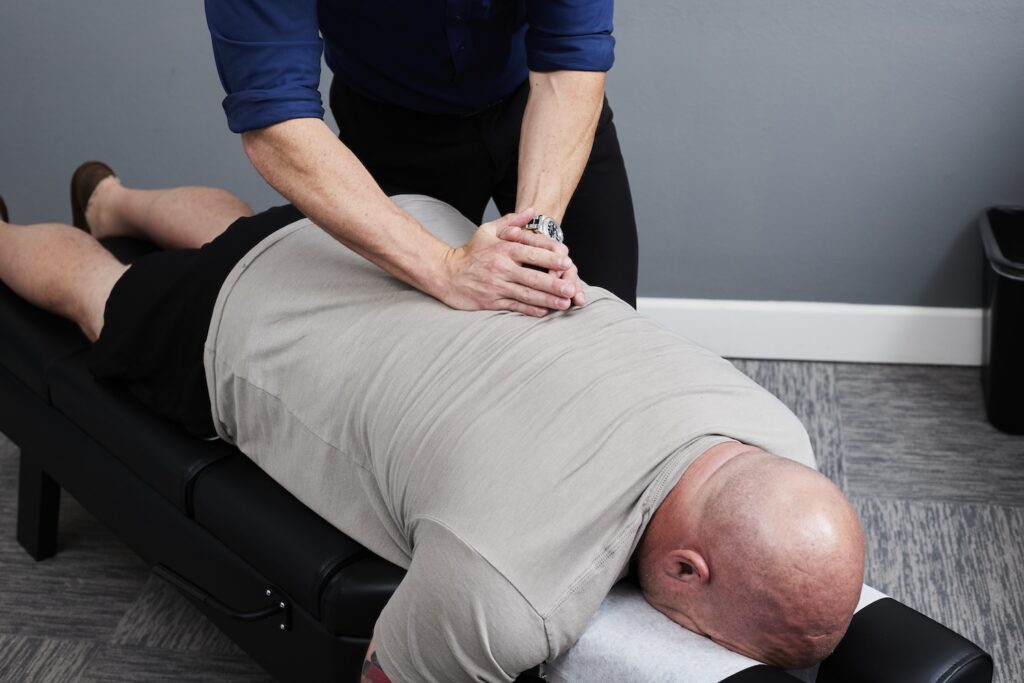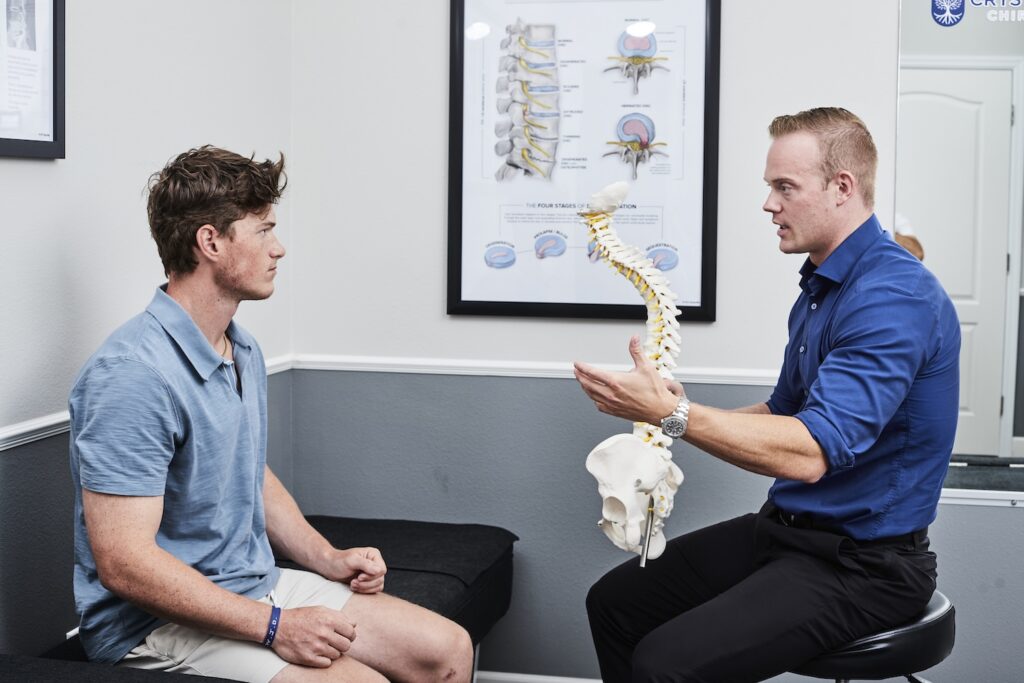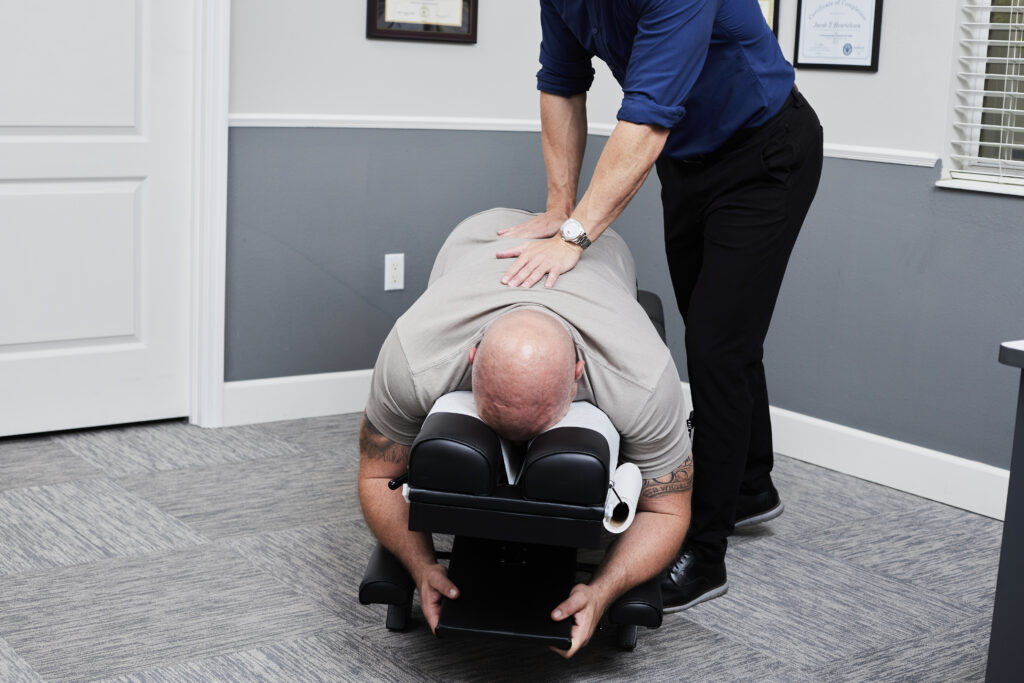

If you’re experiencing lower back discomfort, I want you to know that you’re not alone in this struggle. Many individuals face similar challenges, and as a local chiropractor, I’m here to help you understand how natural healing and chiropractic care can provide relief. There are practical strategies we can discuss that may significantly improve your situation. By focusing on better posture, incorporating specific exercises, and making small lifestyle adjustments, you can experience a noticeable difference in your comfort level. If you’re interested in learning effective ways to manage your pain and enhance your overall well-being, let’s dive into some strategies that might just lead you toward a more comfortable life.
Maintain Good Posture
As a local chiropractor, I want to emphasize the importance of maintaining good posture to help alleviate lower back discomfort. When your spine is properly aligned, it allows for even distribution of your body weight, which significantly reduces strain on your muscles and ligaments.
Whether you’re sitting, standing, or walking, it’s crucial to keep your shoulders back and your head level. If you’re in a seated position, ensure that your feet are flat on the floor and that your back has adequate support. Investing in ergonomic chairs can greatly assist in achieving this supportive posture.
When standing, aim to distribute your weight evenly across both feet and avoid locking your knees. Engaging your core muscles can provide additional support for your spine. Be mindful that slouching or leaning can lead to tension and discomfort over time.
It’s also beneficial to remain aware of your posture throughout the day, especially if you’re engaged in prolonged sitting or standing. Making small adjustments as necessary can help maintain alignment, leading to a noticeable reduction in discomfort.
Incorporate Regular Stretching
As a local chiropractor, I want to emphasize the importance of incorporating regular stretching into your daily routine to alleviate lower back discomfort.
Many of my patients have found relief through various stretching techniques that not only enhance flexibility but also strengthen the muscles supporting your back.
It’s crucial to identify the right frequency and timing for your stretches to fully benefit from their effects.
By making stretching a consistent part of your life, you can promote better spinal health and overall well-being.
Benefits of Stretching
As a local chiropractor, I want to emphasize the often-overlooked importance of regular stretching in managing lower back pain. Many of my patients are surprised to learn how beneficial stretching can be for their overall spine health.
By making stretching a part of your daily routine, you can significantly improve your flexibility and strengthen the muscles that support your spine. This not only helps to alleviate tension in your lower back but also reduces pain and discomfort.
Stretching enhances blood circulation, which is vital for healing and reducing muscle stiffness. When you incorporate stretching into your life, you may notice improvements in your posture and alignment, which can help prevent further strain on your back.
Furthermore, stretching provides a wonderful opportunity to relax and unwind, helping to ease the stress that often contributes to discomfort.
I encourage you to take just a few moments each day to stretch. Your back will truly appreciate the care you give it!
Recommended Stretching Techniques
As a local chiropractor dedicated to your well-being, I want to share some effective stretching techniques that can help you manage lower back discomfort and enhance your flexibility.
Incorporating these stretches into your daily routine can truly make a positive impact on how you feel.
- Knees-to-Chest Stretch: Start by lying on your back. Gently pull your knees toward your chest and hold this position for about 30 seconds. This stretch helps to relieve tension in your lower back.
- Cat-Cow Stretch: Get on all fours, aligning your wrists under your shoulders and your knees under your hips. Slowly alternate between arching your back (like a cat) and then rounding it (like a cow). Move through this stretch for a few minutes to promote spinal flexibility.
- Child’s Pose: From a kneeling position, sit back on your heels, extend your arms forward, and relax your back. This pose is excellent for deep breathing and helps to release tension throughout your back.
- Seated Forward Bend: Sit with your legs extended in front of you. Reach out for your toes while keeping your back straight. This stretch not only helps with flexibility but also releases tightness in your lower back.
I encourage you to incorporate these stretches regularly.
They can significantly enhance your flexibility and alleviate discomfort, contributing to your overall health and well-being.
Frequency and Timing
As a local chiropractor dedicated to helping you find relief from lower back discomfort, I want to emphasize the importance of establishing a consistent stretching routine. I recommend aiming to stretch at least three to four times a week, with sessions in both the morning and evening. This regular practice not only enhances your flexibility but also alleviates tension in the lower back.
Timing is crucial as well—try to incorporate stretching after sitting for extended periods or after engaging in physical activity. This approach maximizes the benefits of your stretching routine. Each session should last around 15 to 30 minutes, focusing on gentle and controlled movements.
It’s important not to rush; take your time to truly feel the stretch and allow your muscles to relax. By committing to this routine, you’ll likely experience a gradual improvement in your lower back comfort and overall mobility.
Strengthen Core Muscles
As a local chiropractor dedicated to your well-being, I want to emphasize the importance of strengthening your core muscles for overall stability and to alleviate lower back discomfort.
A strong core plays a crucial role in supporting your spine and enhancing your posture, which can significantly help in preventing pain.
By incorporating effective core exercises into your routine, you can take proactive steps towards improving your back health.
Let’s delve into some simple yet impactful exercises that can make a real difference in how you feel day-to-day.
Importance of Core Stability
As a local chiropractor dedicated to promoting natural healing, I want to emphasize the vital role core stability plays in managing lower back discomfort.
While many might focus solely on back exercises, a strong core is essential for supporting your spine and enhancing overall posture. This support helps alleviate strain on your back and makes daily activities more manageable and pain-free.
Here are four key benefits of core stability that you should consider:
- Enhanced Balance: A stable core significantly improves your balance, which can help reduce the risk of falls and related injuries.
- Injury Prevention: When your core muscles are strong, they effectively absorb shock, lowering your chances of injury during physical activities and exercises.
- Better Posture: Core stability encourages proper spinal alignment, which leads to improved posture and minimizes strain on your back.
- Increased Strength: Strengthening your core can enhance your performance in various exercises and daily tasks, making everything from lifting groceries to playing with your children easier.
By focusing on core stability, you not only support your back health but also promote overall wellness.
If you’re interested in learning more about how chiropractic care can help you strengthen your core and improve your quality of life, feel free to reach out!
Effective Core Exercises
As a local chiropractor, I want to share how incorporating a few effective core exercises into your routine can significantly strengthen your core muscles and improve your overall stability—key factors in maintaining a healthy spine and preventing injury.
Let’s start with planks. These exercises engage multiple muscle groups, promoting endurance and stability in your core. I recommend trying side planks as well; they specifically target your obliques, and holding each side for 30 seconds can really enhance your strength.
Bicycle crunches are another fantastic option; they not only improve coordination but also work your entire core, helping to support your spinal alignment.
Don’t overlook the benefits of bridges, which activate your glutes and lower back while stabilizing your torso.
For optimal results, aim for three sets of 10-15 repetitions for each exercise, and remember to gradually increase the intensity as your strength improves.
Focus on maintaining proper form—engaging your core throughout each movement is essential for maximizing benefits and protecting your spine.
Consistency is key; I encourage you to integrate these exercises into your routine at least three times a week. This commitment can lead to improved core strength, better posture, and a healthier, more resilient body.
If you have any questions or need guidance on how to perform these exercises safely, feel free to ask during your next visit!
Use Proper Lifting Techniques
As a chiropractor dedicated to promoting natural healing and overall well-being, I want to share some essential lifting techniques that can help you prevent lower back discomfort. Many of our patients are unaware of how proper lifting can significantly reduce the risk of pain and injury.
Here are four vital tips to incorporate into your lifting routine:
- Bend at the knees: Instead of bending at your waist, squat down to lift. This approach keeps your back straight and minimizes strain, which is crucial for maintaining a healthy spine.
- Keep the load close: When lifting heavy objects, hold them as close to your body as possible. This technique reduces the leverage and pressure on your back, making it easier and safer to lift.
- Engage your core: Before you lift, tighten your abdominal muscles. A strong core is essential for supporting your spine during the lift and can help prevent injuries.
- Avoid twisting: It’s important to keep your feet planted and pivot your whole body instead of twisting your torso. This practice maintains proper alignment and protects your back from unnecessary strain.
By following these simple yet effective lifting techniques, you can support your spine and enhance your overall health.
Invest in Ergonomic Furniture
As a local chiropractor, I want to share how investing in ergonomic furniture can profoundly impact your daily comfort and overall health, especially if you find yourself spending long hours at a desk.
Ergonomic chairs are specifically designed to support the natural curve of your spine, which is essential for maintaining proper posture and minimizing strain on your lower back. When choosing a chair, look for adjustable features such as seat height, lumbar support, and armrests to create a setup tailored to your unique body.
In addition to a supportive chair, a height-adjustable desk can greatly enhance your work environment. This allows you to alternate between sitting and standing, which can significantly help reduce stiffness and discomfort associated with prolonged sitting.
I also recommend incorporating a footrest into your workspace; it can improve circulation and alleviate pressure on your lower back.
Making these changes can contribute to better spinal health and overall well-being, reinforcing the principles of chiropractic care and natural healing.
Stay Active and Engage in Low-Impact Exercises
As a local chiropractor, I want to emphasize the importance of staying active and incorporating low-impact exercises into your routine, especially if you’re dealing with lower back discomfort.
Many people may feel inclined to remain sedentary to avoid pain, but engaging in gentle activities can actually be beneficial for your overall health and well-being. These exercises not only help to strengthen your core muscles but also improve your flexibility and promote better blood circulation, which can significantly alleviate discomfort.
Here are four low-impact exercises that I recommend for my patients:
- Walking: This is one of the simplest and most effective ways to keep your body moving without putting undue stress on your back. A daily walk can make a big difference in your mobility and pain levels.
- Swimming: The buoyancy of the water offers support to your spine, allowing you to engage in a full-body workout without the impact that land exercises may cause. Swimming can be incredibly soothing for sore muscles.
- Yoga: Practicing gentle yoga can greatly enhance your flexibility and help strengthen the muscles that support your back. The focus on breathing and relaxation can also reduce stress, which sometimes contributes to pain.
- Cycling: Whether on a stationary bike or cycling outdoors, this activity allows you to build endurance and improve your cardiovascular health without jarring your back. It’s a great way to stay active while being kind to your spine.
Incorporating these exercises into your daily routine can help you maintain an active lifestyle and reduce discomfort over time.
Always listen to your body, and if you have any concerns about starting a new exercise program, please don’t hesitate to reach out to me or another healthcare professional for guidance.
Manage Stress Effectively
As a local chiropractor, I want to emphasize that managing lower back discomfort involves more than just physical treatments; it also requires addressing the stress that can contribute to your pain. Staying active with low-impact exercises is certainly beneficial, but let’s explore how you can effectively manage stress as part of your healing process.
One simple yet powerful technique is deep-breathing. By taking just a few minutes each day to focus on your breath, you can calm your mind and alleviate muscle tension that may be exacerbating your discomfort.
Incorporating mindfulness and meditation into your daily routine can also be incredibly beneficial. These practices encourage you to stay present, which helps you detach from the stressors that may be affecting your body. I recommend setting aside time each day to engage in these activities.
Additionally, I can’t stress enough the importance of good sleep hygiene. Quality sleep is crucial for regulating stress levels and can significantly impact your overall comfort.
Lastly, don’t underestimate the value of talking about your feelings. Sharing your concerns with a friend or a therapist can provide relief and lighten your emotional burden.
By addressing stress head-on, you’re not only supporting your emotional well-being but also taking an important step toward reducing your lower back discomfort.
Conclusion
As your local chiropractor, I want to share some valuable tips that can greatly assist you in managing lower back discomfort. It’s essential to incorporate these practices into your daily routine for optimal results.
First and foremost, maintaining good posture is crucial; it supports your spine and helps prevent strain. I recommend being mindful of your posture throughout the day, whether you’re sitting, standing, or moving.
Regular stretching is also vital. Gentle stretches can keep your muscles flexible and alleviate tension in your back. Pair that with strengthening your core muscles, which plays a significant role in supporting your spine and reducing discomfort.
When lifting objects, always remember to use proper techniques. Bend at your knees and keep the object close to your body to minimize strain on your back. Additionally, investing in ergonomic furniture can provide better support for your spine, especially if you spend long hours sitting.
Staying active is another key aspect of back health. Engage in low-impact exercises, such as walking or swimming, to keep your body moving without putting excessive pressure on your back.
Lastly, managing stress is essential, as it can contribute to muscle tension and discomfort. Techniques like deep breathing, meditation, or even yoga can help you find balance and relaxation.
By practicing these tips consistently, you are likely to experience relief from lower back discomfort and improve your overall well-being. Remember, chiropractic care is here to support you on this journey to better health!