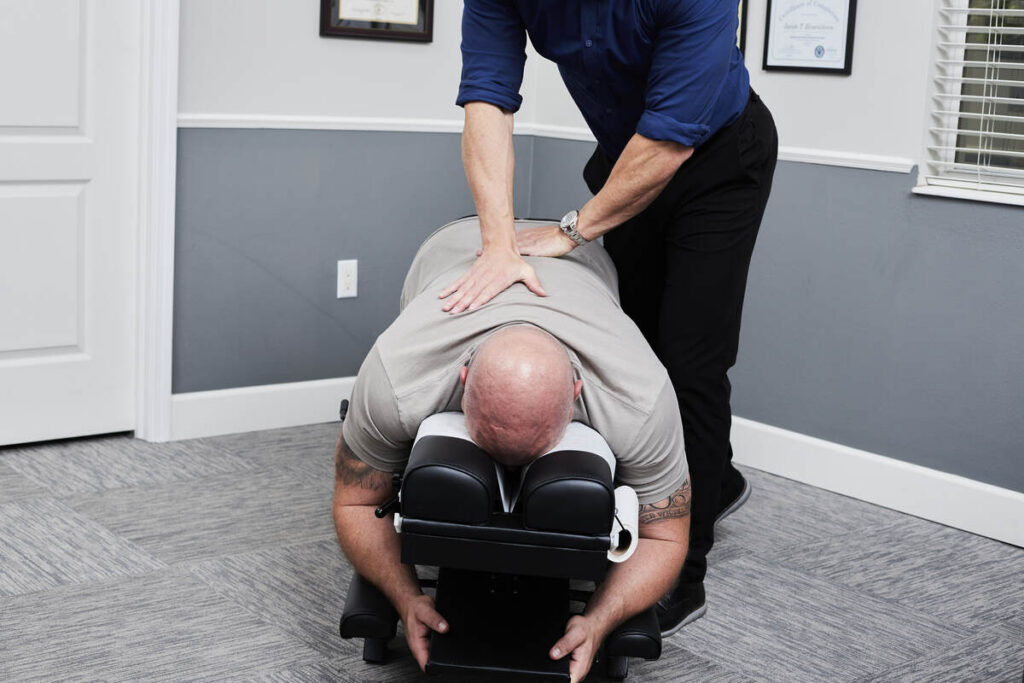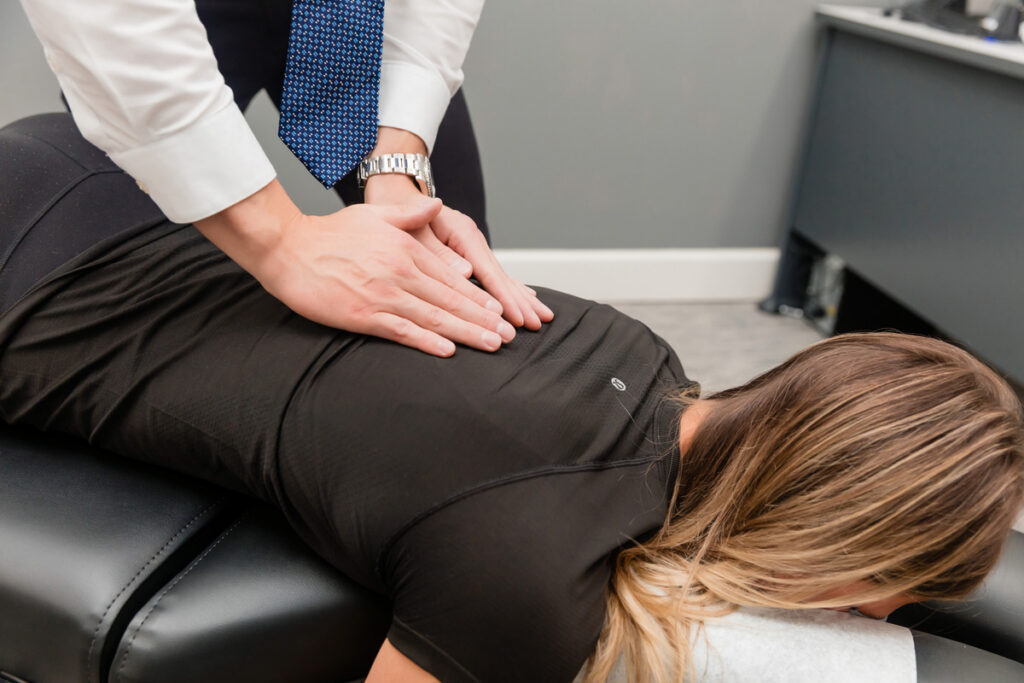

Chronic back pain is a common challenge that can significantly impact your everyday activities. As a chiropractor, I want to share with you some effective techniques to help alleviate your discomfort naturally. Understanding the importance of maintaining proper posture and integrating specific exercises into your routine can make a world of difference in managing your pain. You may be surprised by how small changes to your daily habits can lead to significant relief. Let’s delve into these techniques together and discover a holistic approach to addressing your back pain that promotes healing and well-being.
Maintain Proper Posture
As a local chiropractor, I want to emphasize the importance of maintaining proper posture in your daily life, as it plays a crucial role in preventing and alleviating chronic back pain. Good posture helps align your spine, evenly distributes your weight, and reduces unnecessary strain on your muscles and ligaments.
Whether you’re sitting at a desk or standing at work, it’s vital to keep your shoulders back and relaxed while ensuring your head is aligned with your spine. Slouching may feel comfortable in the moment, but it can lead to muscle fatigue and discomfort over time.
When seated, opt for a chair that provides support to your lower back, and make sure to keep your feet flat on the ground. If you’re standing, try to distribute your weight evenly between both feet. Engaging your core muscles can also provide extra support for your back.
Throughout the day, take a moment to check in with your body. If you start to feel discomfort, don’t hesitate to adjust your position.
By being mindful of your posture, you set the stage for a healthier spine and significantly reduce the chances of experiencing chronic back pain. Remember, taking these simple steps can make a big difference in your overall well-being.
If you have any questions or need further guidance, feel free to reach out to me!
Incorporate Stretching Exercises
As a local chiropractor dedicated to promoting your well-being, I want to share how incorporating stretching exercises into your daily routine can significantly alleviate chronic back pain. Many people are unaware that these simple stretches not only improve your flexibility but also strengthen the muscles that support your spine, which is vital for maintaining good posture and overall health.
Let’s delve into some effective stretching techniques that you can easily practice at home. These exercises are designed to relieve tension, enhance mobility, and ultimately support your journey toward better spinal health.
Benefits of Stretching
As a local chiropractor, I often see patients who underestimate the importance of stretching in managing and alleviating chronic back pain.
It may surprise you to learn that incorporating regular stretching into your routine can significantly improve your flexibility and range of motion. By doing so, you can effectively reduce muscle tension, which is often a key contributor to pain.
When you stretch, you promote increased blood flow to your muscles, which aids in healing and recovery. Moreover, stretching can help correct poor posture—a common issue that leads to back pain.
By making stretching a part of your daily life, you not only enhance your overall well-being but also take proactive steps to prevent future discomfort.
Even dedicating just a few minutes each day to stretching can lead to noticeable improvements in how you feel.
Recommended Stretching Techniques
Stretching isn’t just a simple exercise; it can significantly enhance your journey toward relieving chronic back pain. As a local chiropractor, I often emphasize the importance of incorporating effective stretching techniques into your daily routine.
These stretches can help improve your flexibility, reduce muscle tension, and promote overall spinal health. Here are four stretches I recommend for you to try:
- Child’s Pose: Begin by kneeling on the floor. Sit back on your heels, extend your arms forward, and allow your forehead to rest gently on the ground. This pose helps to elongate your spine and relax your lower back.
- Knee-to-Chest Stretch: While lying on your back, gently pull one knee up toward your chest, holding it for about 20 seconds. Then, switch to the other leg. This stretch can help alleviate lower back tension and improve flexibility in your hips.
- Cat-Cow Stretch: Position yourself on all fours. Alternate between arching your back upward (like a cat) and lowering it down (like a cow). This dynamic movement helps to mobilize your spine and can relieve stiffness.
- Piriformis Stretch: While seated, cross one leg over the other and gently pull your knee toward your opposite shoulder. This stretch focuses on the piriformis muscle, which can often contribute to buttock and lower back pain.
I encourage you to incorporate these stretches into your routine regularly. With consistent practice, you’ll likely notice a positive difference in your comfort and mobility.
Strengthen Core Muscles
As a local chiropractor, I want to emphasize the importance of strengthening your core muscles, especially if you’re dealing with chronic back pain. A robust core is crucial for providing stability to your spine and pelvis, which ultimately helps to reduce the strain on your back.
To get started, I recommend incorporating exercises such as planks, bridges, and abdominal crunches into your routine. These exercises engage multiple muscle groups and are foundational for building core strength. Consistency is key—aim to dedicate time to core workouts at least three times a week.
It’s also beneficial to mix in a variety of movements to ensure you’re targeting different muscle groups effectively. For example, side planks can help strengthen your obliques, while bird-dogs enhance your balance and coordination.
Remember to listen to your body; it’s perfectly okay to modify exercises to suit your comfort level and avoid any discomfort.
Use Heat and Cold Therapy
As a local chiropractor, I want to share with you the benefits of using heat and cold therapy for managing chronic back pain. Many of my patients have found that these simple techniques can significantly enhance their comfort and mobility.
Heat therapy is wonderful for relaxing tight muscles and improving blood circulation, which is essential for healing. It can help soothe those stubborn knots and ease tension in your back.
On the other hand, cold therapy is effective for reducing inflammation and numbing sharp pain, giving you relief when you need it most.
Understanding how to properly apply these therapies can make a world of difference in your recovery process. I encourage you to explore these natural methods as part of your journey to better health.
If you have any questions or need guidance on how to use heat and cold therapy effectively, feel free to reach out. Your well-being is my priority!
Benefits of Heat Therapy
As a local chiropractor, I want to share with you the benefits of heat therapy, especially if you’re dealing with chronic back pain. Many of my patients are new to chiropractic care and natural healing, so let’s explore how heat can help alleviate discomfort and enhance your mobility.
When you apply heat to your back, it serves as a soothing remedy that can provide immediate relief. Here are some of the key advantages:
- Reduces Muscle Stiffness: The warmth from heat therapy helps to ease tight muscles. This makes it much easier for you to move around comfortably.
- Enhances Blood Flow: Applying heat increases blood circulation to the affected area. This improved flow brings more oxygen and essential nutrients to your healing tissues, promoting recovery.
- Eases Pain: Heat can interfere with pain signals sent to the brain, offering you a sense of comfort and relief from your discomfort.
- Promotes Relaxation: The gentle warmth not only targets physical pain but can also help reduce stress levels, allowing you to feel more relaxed overall.
Incorporating heat therapy into your daily routine can be a powerful tool in managing your chronic back pain effectively.
It complements the chiropractic adjustments that we offer, working together to enhance your healing journey. If you have any questions about how to use heat therapy or how it fits into your treatment plan, feel free to ask during your next visit!
Cold Therapy Techniques
As a local chiropractor dedicated to helping you find relief from chronic back pain, I want to share the benefits of cold therapy in conjunction with your overall treatment plan.
While many are familiar with heat therapy, cold therapy can be just as effective for managing discomfort. Applying cold packs or ice wrapped in a cloth to the affected area can significantly reduce inflammation and numb sharp pain.
I recommend applying cold therapy for 15-20 minutes every hour, particularly after any activities that may exacerbate your back pain. A cold compress or a gel pack that conforms to your body shape can provide targeted relief, making it easier to soothe specific areas.
For those experiencing chronic pain, alternating between heat and cold therapies can often yield the best results. It’s important to pay attention to how your body responds; if at any point cold therapy feels uncomfortable, please discontinue use.
Before embarking on any new pain management techniques, including cold therapy, I encourage you to consult with me or another healthcare professional.
Together, we can develop a comprehensive approach to your pain relief that incorporates both chiropractic care and natural healing methods.
Explore Physical Therapy
As a local chiropractor, I want to introduce you to the transformative benefits of chiropractic care for those dealing with chronic back pain.
This holistic approach emphasizes natural healing through spinal adjustments, muscle strengthening, and improved mobility.
Here are four key advantages you can anticipate:
- Customized Care Plans: I’ll evaluate your unique situation and develop a tailored treatment plan that addresses your specific needs.
- Pain Management Techniques: You’ll discover various natural methods, including spinal manipulation and therapeutic exercises, to effectively alleviate pain.
- Strengthening Your Back: By participating in focused exercises, you can enhance the strength of your core and back muscles, which support and stabilize your spine.
- Knowledge for Prevention: You’ll learn essential information about body mechanics and posture, empowering you to prevent future injuries and maintain optimal health.
I encourage you to explore chiropractic care as a natural pathway to relief and wellness.
Consider Chiropractic Care
As your local chiropractor, I want to share how chiropractic care can be a powerful ally in managing chronic back pain, especially when combined with physical therapy. When you come to my practice, I’ll conduct a thorough assessment of your spine and nervous system to identify any alignment issues that may be contributing to your discomfort.
Through specialized spinal manipulation techniques, I aim to restore proper function and mobility in your body, which can lead to significant pain relief. Many of my patients discover that regular chiropractic sessions not only help alleviate their back pain but also improve their overall well-being.
In our sessions, I’ll provide you with personalized guidance on exercises and stretches that cater to your unique needs, empowering you to take an active role in your healing journey. I also offer advice on lifestyle changes that can support a healthier spine, helping you maintain long-term wellness.
If you’re considering this natural approach to healing, it’s important to find a qualified chiropractor you trust. Feel free to ask me any questions about my methods and experience; I want you to feel comfortable and confident in the care you receive.
Together, we can work towards a pain-free, healthier you.
Practice Mindfulness and Relaxation Techniques
As a local chiropractor, I want to share some valuable insights on how practicing mindfulness and relaxation techniques can significantly alleviate chronic back pain.
Many patients may not be aware, but incorporating simple methods such as breathing exercises, guided imagery, and body scan techniques into your daily routine can promote a deep sense of calm and effectively reduce muscle tension.
These practices not only assist in pain management but also contribute to your overall well-being.
By embracing these natural healing techniques, you can enhance the benefits of chiropractic care and improve your quality of life.
Breathing Exercises Benefits
As a local chiropractor, I want to share with you the incredible benefits of breathing exercises, especially for those of you dealing with chronic back pain. These techniques not only promote mindfulness but also foster relaxation, which can significantly enhance your overall well-being.
Here are some of the key advantages of incorporating breathing exercises into your routine:
- Reduces Stress: Deep breathing techniques can lower your body’s stress hormones, which helps to ease the tension that often contributes to pain in your back and other areas.
- Enhances Focus: Practicing mindful breathing can sharpen your concentration, enabling you to redirect your thoughts away from discomfort and pain, allowing for a clearer mental state.
- Promotes Relaxation: When you engage in slow, purposeful breaths, you trigger your body’s natural relaxation response, which can help alleviate discomfort and promote a sense of calm.
- Improves Posture: Proper breathing encourages better body alignment and core stability, which are crucial for supporting your back and maintaining a healthy posture.
By integrating these breathing exercises into your daily life, you may find a more comfortable, pain-free experience and greater ease in managing your chronic back pain.
Guided Imagery Practices
As your local chiropractor, I want to share how guided imagery practices can be a valuable addition to your pain management toolkit, especially for chronic back pain. These techniques, alongside breathing exercises, can significantly enhance your relaxation and healing journey.
Imagine this: by visualizing serene scenes—like a tranquil beach or a lush forest—you can create a mental refuge that helps diminish your perception of pain. Focus on the soothing sounds of waves gently crashing or the soft rustle of leaves in the wind. This mental exercise allows you to shift your focus away from discomfort, promoting deeper relaxation and mental clarity.
You can easily incorporate guided imagery into your daily routine, whether during quiet moments at home or as part of your self-care practice. As you harness your imagination, you’ll begin to feel a greater sense of control over your pain.
Regular practice can help reduce stress, foster a more positive mindset, and ultimately support your overall recovery process.
If you’re curious about how these practices can complement your chiropractic care, please feel free to ask during your next visit. Together, we can explore holistic approaches that benefit your health and well-being.
Body Scan Techniques
As a local chiropractor, I often emphasize the importance of mindfulness in conjunction with chiropractic care to promote overall well-being. One effective practice I recommend for my patients is the body scan technique, which can significantly enhance your awareness of physical sensations and help you identify areas of tension that may benefit from chiropractic adjustments.
Here’s how you can incorporate this practice into your routine:
- Create a Relaxing Environment: Find a quiet space where you can lie down comfortably without interruptions.
- Get Comfortable: Lie on your back, close your eyes, and take a few deep, calming breaths to center yourself.
- Focus on Your Body: Begin by directing your attention to your toes and gradually work your way up to your head. This method allows you to tune into your body’s signals.
- Observe and Release: Pay close attention to any sensations, tension, or discomfort you may feel in each area. As you identify these spots, consciously relax them, which can enhance the effectiveness of your chiropractic treatments.
Invest in a Supportive Mattress
As a local chiropractor, I want to emphasize the importance of investing in a supportive mattress for your overall health, particularly if you’re dealing with chronic back pain. A good mattress is essential for achieving quality sleep, as it helps maintain your spine’s natural alignment, which can alleviate discomfort and reduce pressure points.
When choosing a mattress, look for one that strikes the right balance between firmness and comfort. Many of my patients have found that memory foam or hybrid mattresses provide excellent support while contouring to the body’s shape. However, it’s crucial to test various options, since each person has unique preferences and needs.
Consider your sleeping position as well. For instance, side sleepers might find softer mattresses more beneficial, while those who sleep on their backs or stomachs often require firmer support to prevent misalignment.
Investing in a high-quality mattress can significantly impact your ability to manage chronic back pain, leading to more restful and rejuvenating sleep. Remember, prioritizing your sleep is an investment in your health, and your back will definitely thank you for it!
Stay Active With Low-Impact Activities
As a local chiropractor, I often emphasize the importance of staying active, especially for those managing chronic back pain. Engaging in low-impact activities can truly be transformative, allowing you to maintain an active lifestyle without placing excessive strain on your body.
Incorporating these gentle exercises into your daily routine can significantly improve your flexibility, strength, and overall well-being. Here are some fantastic options to consider:
- Walking: This is one of the simplest and most effective ways to keep moving while minimizing impact on your back.
- Swimming: The buoyancy of water not only supports your body but also helps alleviate pressure on your spine, making swimming an excellent choice for back pain relief.
- Cycling: Whether you prefer a stationary bike at home or cycling outdoors, this activity strengthens your legs and core without the jarring motions that can aggravate back discomfort.
- Yoga: Practicing gentle yoga can be incredibly beneficial. The combination of stretching and strengthening poses enhances mobility and can significantly reduce pain.
By integrating these low-impact activities into your routine, you can promote healing and support your chiropractic care.
Seek Professional Medical Advice
Are you struggling with chronic back pain and wondering how to manage it effectively? As a local chiropractor, I want to emphasize the importance of seeking professional medical advice tailored to your specific needs.
Chiropractic care focuses on understanding the underlying causes of your pain and developing a personalized treatment plan to address it.
During your visit, I’ll assess your condition and recommend natural healing methods, including spinal adjustments and therapeutic exercises, that can help alleviate your discomfort. It’s essential to monitor your progress, and we can adjust your treatment plan as necessary to ensure you’re on the right path toward recovery.
Don’t hesitate to explore the benefits of chiropractic care. By discussing your symptoms openly, we can work together to pinpoint the best course of action for your unique situation.
Conclusion
As a local chiropractor, I want to share some effective techniques that can help you alleviate chronic back pain naturally. It’s important to incorporate these practices into your daily routine for optimal results. First and foremost, maintaining proper posture is crucial; it can significantly reduce strain on your back. Stretching and strengthening your core muscles will also provide support and stability to your spine.
Don’t underestimate the power of heat and cold therapy; these methods can work wonders for easing discomfort. Additionally, I encourage you to explore mindfulness practices, as they can help you manage pain more effectively. Staying active with low-impact exercises is vital too, as movement promotes healing and improves flexibility.
Another key aspect to consider is the quality of your sleep. Investing in a supportive mattress can make a significant difference in your overall comfort. Remember, it’s always best to consult with a healthcare professional, like a chiropractor, who can provide personalized advice tailored to your specific needs. Take charge of your health today and work towards a more comfortable, pain-free life!