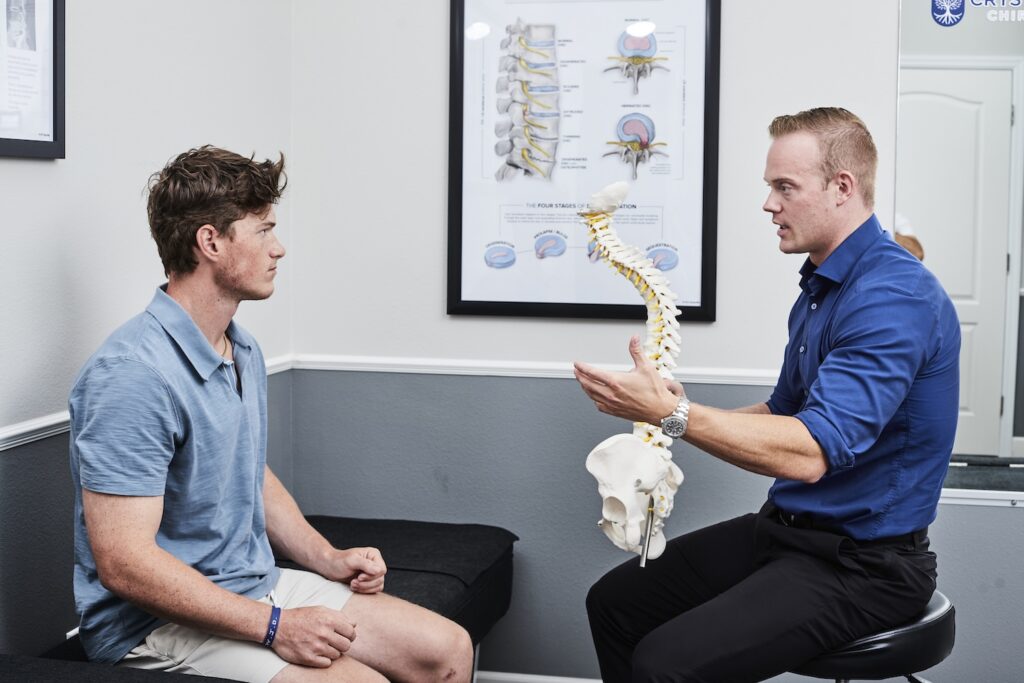
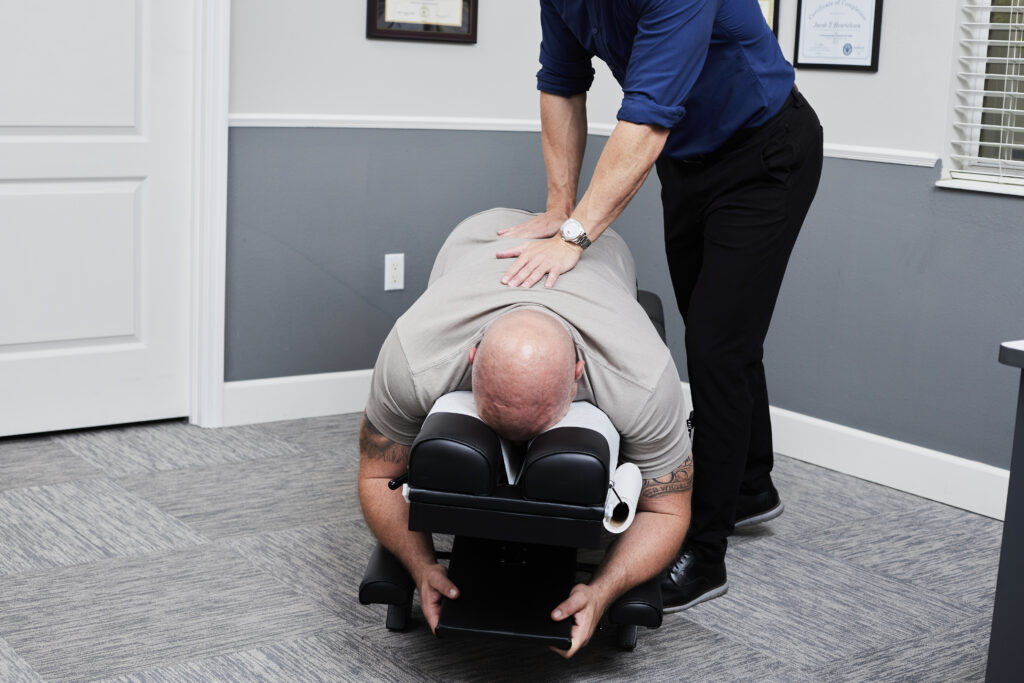
As a local chiropractor, I want to share with you some sustainable solutions for managing chronic pain that extend beyond medication. Many people are unaware of the benefits of chiropractic care and how it can play a vital role in a holistic approach to pain management. By integrating lifestyle changes, alternative therapies, and even technology, we can work together to address your discomfort from multiple angles.
Focusing on nutrition, physical activity, and mindfulness can significantly enhance your overall well-being while tackling the underlying causes of your pain. For instance, proper nutrition can reduce inflammation, while regular physical activity helps strengthen your body and improve mobility. Mindfulness practices, such as meditation or deep breathing exercises, can reduce stress and promote relaxation, which is essential in managing pain.
You might be surprised at how these elements come together. By incorporating chiropractic adjustments, we can improve your spinal alignment and nervous system function, which can lead to a reduction in pain and improved overall health. Together, we can develop specific strategies tailored to your unique situation that can create a lasting impact on your quality of life. If you're curious about how chiropractic care can fit into your pain management journey, I'm here to help guide you every step of the way.
Understanding Chronic Pain
Chronic pain can feel like an unwelcome companion, significantly impacting your daily life and overall well-being. Unlike acute pain, which serves as a warning signal for injury or illness, chronic pain lingers, often for months or even years, disrupting your routine and draining your energy. You may find yourself struggling to engage in activities you once loved, and the emotional toll can be just as significant as the physical discomfort.
At our practice, we believe that understanding chronic pain is vital for managing it effectively. Conditions like fibromyalgia, arthritis, or neuropathy can lead to ongoing discomfort, and the reasons behind this pain can be complex. Often, it involves changes in the nervous system, which may amplify pain signals even after an injury has healed.
Many of our patients notice that their chronic pain can fluctuate in intensity, creating a frustrating and unpredictable experience. It's important to recognize that your experience is valid, and you're not alone in this journey; millions are facing similar challenges. Engaging with healthcare professionals who specialize in pain management, like chiropractors, can provide you with valuable insights and strategies tailored to your specific situation.
As you learn more about your chronic pain, you'll begin to identify patterns and triggers unique to your experience. This understanding can empower you to take control of your life and explore various avenues for relief.
Chiropractic care focuses on natural healing, addressing the underlying issues contributing to your pain, and promoting overall wellness. Remember, acknowledging your pain is the first step toward finding effective solutions, and we're here to support you every step of the way.
Lifestyle Modifications
As your local chiropractor, I want to emphasize how important lifestyle modifications can be in managing chronic pain effectively.
By paying attention to your nutrition, engaging in regular physical activity, and utilizing stress management techniques, you can adopt a more holistic approach to your overall well-being.
Nutrition plays a crucial role in how your body responds to pain. By choosing anti-inflammatory foods, you can help reduce discomfort and promote healing.
Regular physical activity not only strengthens your muscles and joints but also releases endorphins, which act as natural pain relievers.
Additionally, stress management techniques such as mindfulness or yoga can significantly alleviate tension in your body, allowing for better movement and less pain.
Together, these lifestyle adjustments can empower you to take control of your pain and enhance your quality of life.
Let's work together to explore these options and find a sustainable path towards better health.
Nutrition and Diet Choices
As your local chiropractor, I want to emphasize the critical role nutrition plays in managing pain and enhancing your overall well-being. Many patients may not realize that by being mindful of your diet, you can significantly reduce inflammation and improve your body's response to pain.
One effective strategy is to incorporate anti-inflammatory foods into your meals. Consider adding fatty fish, leafy greens, nuts, and berries to your diet, as these foods are packed with omega-3 fatty acids, antioxidants, and vitamins that can help reduce inflammation.
Conversely, it's important to limit processed foods, added sugars, and refined carbohydrates, as these can contribute to increased inflammation and intensified pain. Instead, I encourage you to focus on whole foods, including whole grains, fresh fruits, and vegetables.
Additionally, staying hydrated is crucial; drinking enough water supports joint lubrication and overall health.
I often recommend that my patients keep a food diary to monitor how different foods influence their pain levels. This practice can help you identify potential triggers in your diet and adjust accordingly.
Remember, moderation is key here. Small, consistent changes to your eating habits can lead to significant long-term benefits for your pain management journey.
Regular Physical Activity
As a local chiropractor, I want to emphasize the importance of regular physical activity in managing pain and enhancing your overall quality of life. When you incorporate movement into your daily routine, you naturally stimulate the release of endorphins—your body's own pain relievers. These endorphins can significantly reduce your perception of pain while also improving your mood.
You don't have to commit to high-intensity workouts to experience these benefits. Simple activities such as walking, swimming, or practicing yoga can make a substantial difference. I recommend aiming for at least 150 minutes of moderate exercise each week. You can easily break this down into smaller, manageable sessions that fit seamlessly into your busy life.
It's essential to listen to your body and select activities that feel good for you. Consistency is vital, so find something you genuinely enjoy. You might also consider joining a class or a group, as this can provide added motivation and a sense of community support.
Over time, you'll likely notice improvements in your flexibility, strength, and endurance—factors that can contribute to lower pain levels.
Before embarking on any new exercise program, especially if you're dealing with chronic pain, it's crucial to consult with your healthcare provider. As your chiropractor, I can help you create a safe and effective plan tailored to your unique needs.
Embracing a lifestyle that includes regular physical activity can be a powerful step towards achieving better health and wellness.
Stress Management Techniques
As your local chiropractor, I want to emphasize the importance of incorporating effective stress management techniques into your daily routine, especially when it comes to managing chronic pain.
Stress can significantly intensify pain, so it's crucial to adopt strategies that promote relaxation and help you regain control over your body.
One highly beneficial practice is mindfulness meditation. Even dedicating just a few minutes each day to clear your mind and reduce anxiety can make a remarkable difference.
I also encourage you to try deep-breathing exercises; focusing on your breath can ground you and help alleviate tension in your body.
Engaging in activities like yoga or tai chi can be incredibly advantageous as well. These practices not only enhance flexibility and strength but also foster a strong connection between your mind and body, which is immensely beneficial for pain relief and overall wellness.
Don't overlook the therapeutic effects of journaling. Writing down your thoughts and feelings can serve as a valuable outlet for stress, and it can help you identify pain triggers that may be impacting your health.
Finally, prioritize getting enough quality sleep. Rest is vital for both your physical and mental well-being.
Establishing a calming bedtime routine, limiting screen time before sleep, and creating a comfortable sleeping environment can greatly improve your sleep quality.
Alternative Therapies
As a local chiropractor, I'd like to share how alternative therapies can be an effective part of managing chronic pain, often complementing traditional medical treatments.
These approaches not only provide relief but also empower you to take charge of your pain management journey.
One of the key methods we use in chiropractic care focuses on the alignment of your spine and joints. By performing regular adjustments, we can help alleviate pain and enhance your overall mobility.
Many of my patients experience significant improvement in their chronic pain after just a few sessions, and I encourage you to consider this holistic approach to your health.
In addition to chiropractic adjustments, there are other natural therapies worth exploring. Acupuncture, for example, involves inserting thin needles into specific points on your body and has been reported by many to provide considerable relief from chronic pain.
If you're interested in herbal remedies, I recommend consulting with a professional herbalist who can guide you toward plants with pain-relieving properties, such as turmeric or ginger.
Massage therapy is another effective option that we often discuss. Techniques like deep tissue or trigger point massage can help reduce muscle tension and promote relaxation, which can be beneficial in managing pain.
Physical therapy is an excellent complementary approach, where trained therapists create tailored exercise plans designed to strengthen your body and improve flexibility.
Additionally, aromatherapy, which utilizes essential oils, can enhance your mood and provide comfort during your healing process.
Lastly, I can't emphasize enough the importance of dietary changes. Incorporating anti-inflammatory foods into your meals can significantly impact your pain levels.
As always, it's essential to consult with a healthcare professional, like myself, before starting any alternative therapies to ensure they're safe and suitable for your individual condition.
Together, we can explore these alternative therapies to find the best approach for your pain management and overall well-being.
Mind-Body Practices
As a local chiropractor, I want to share how incorporating mind-body practices into your chronic pain management can significantly enhance your healing journey. These techniques highlight the vital connection between your mind and body, empowering you to take control of your pain and overall well-being.
Practices such as mindfulness meditation, yoga, and tai chi can be incredibly effective not only for stress reduction but also for alleviating pain symptoms.
Mindfulness meditation is a wonderful tool to help you focus on the present moment. It allows you to observe your pain without judgment, teaching you to respond to it in a healthier way. This approach can reduce both the intensity of your pain and its emotional toll.
I recommend starting with just a few minutes of mindfulness each day and gradually increasing your practice as you feel more at ease.
Yoga is another fantastic option that combines movement, breathing, and meditation. It promotes flexibility and strength while also calming your mind. You don't need to be an experienced yogi to benefit; even gentle yoga practices can yield great results.
I encourage you to seek out classes geared toward beginners or those specifically designed for individuals with chronic pain.
Tai chi, often referred to as "meditation in motion," involves slow, flowing movements that enhance both balance and relaxation. This practice can significantly improve your body awareness, which is crucial for effectively managing pain.
Consider joining a local class or exploring online tutorials to begin your tai chi journey.
By incorporating these mind-body practices into your daily routine, you can take a proactive approach to your pain management.
As your chiropractor, I believe that building resilience and fostering a deeper connection with yourself can lead to new strategies for coping with and reducing chronic pain.
Together, we can explore these natural healing methods to enhance your overall health.
Nutrition and Pain Relief
As your local chiropractor, I want to emphasize the important connection between nutrition and pain management.
Many patients may not realize that what you eat can significantly impact your body's ability to heal and cope with chronic pain. By incorporating anti-inflammatory foods into your meals, you can help reduce discomfort and support your overall well-being.
Additionally, addressing any nutrient deficiencies can enhance your body's natural healing processes. Together, we can explore how these dietary choices can play a vital role in your pain relief journey and promote a healthier, more balanced lifestyle.
Anti-Inflammatory Foods
As a local chiropractor, I often emphasize the importance of holistic approaches to managing chronic pain, and one effective way to do this is through diet. Incorporating anti-inflammatory foods into your meals can significantly aid in reducing inflammation, which is frequently associated with various chronic pain conditions.
By making mindful dietary choices, you can support your body's natural healing processes and experience meaningful relief.
Here are five anti-inflammatory foods I recommend considering for your diet:
- Fatty fish: Options like salmon, mackerel, and sardines are rich in omega-3 fatty acids, which are well-known for their ability to combat inflammation in the body.
- Leafy greens: Vegetables such as spinach, kale, and Swiss chard are loaded with antioxidants and essential vitamins that help fight inflammation effectively.
- Berries: Blueberries, strawberries, and raspberries are packed with anthocyanins, which have been shown to lower inflammatory markers in the body, making them a delicious and nutritious choice.
- Nuts: Almonds and walnuts are excellent sources of healthy fats and antioxidants that can contribute to reducing inflammation levels in your body.
- Turmeric: This vibrant spice contains curcumin, a potent anti-inflammatory compound. It can be easily incorporated into various dishes, offering both flavor and health benefits.
By including these foods in your diet, you not only nourish your body but also create an environment that supports overall wellness and pain management.
Nutrient Deficiencies Impact
As a chiropractor, I often see patients who are unaware of how nutrient deficiencies can significantly influence their pain levels and overall health.
It's important to understand that when your body is lacking essential vitamins and minerals, it can heighten pain signals and make it more challenging to manage discomfort.
For example, a deficiency in magnesium can lead to muscle cramps and spasms, which may exacerbate chronic pain conditions. Similarly, insufficient vitamin D levels can increase your perception of pain, and omega-3 fatty acids are crucial for reducing inflammation in the body.
To help alleviate these issues, I encourage you to focus on a balanced diet filled with whole foods. Incorporating leafy greens, nuts, fatty fish, and fortified products into your meals can make a significant difference.
While supplements can also be beneficial, it's vital to consult with a healthcare professional—like myself—before starting any new regimen.
Understanding the connection between nutrition and pain can be a powerful step toward improving your health and well-being.
Together, we can explore natural healing approaches that support your body's needs.
Technology in Pain Management
As a local chiropractor, I want to emphasize how advancements in technology are enhancing pain management, particularly through natural healing methods. Many of you may not be familiar with how chiropractic care can play a vital role in alleviating chronic pain, and I'm here to guide you through it.
Thanks to modern technology, managing your pain has never been easier or more personalized. Here are some innovative tools and approaches that can complement chiropractic care:
- Wearable Pain Relief Devices: These devices can be a great addition to your treatment plan. They utilize electrical stimulation or heat therapy to target pain directly at its source, providing relief that can be integrated into your daily routine.
- Mobile Apps: There are several apps designed to help you monitor your pain levels, track your medication, and identify triggers. This data is incredibly useful when shared with your chiropractor, as it helps us tailor your treatment to your specific needs.
- Telehealth Services: We offer virtual consultations, allowing you to connect with us from the comfort of your home. This makes it easier for you to receive guidance and support without the hassle of traveling, ensuring you stay on track with your pain management.
- Virtual Reality (VR): For those open to alternative methods, VR can be an intriguing option. It offers immersive experiences that can distract you from pain and promote relaxation, which can complement the benefits of chiropractic adjustments.
- Biofeedback Technology: This approach can be particularly effective in conjunction with chiropractic care. It teaches you how to control physiological functions, like muscle tension, empowering you to manage pain through relaxation techniques that we can work on together.
By integrating these technologies into your chiropractic care, we can enhance your pain management experience, making it more effective and empowering.
If you're curious about how these tools can work for you, feel free to reach out, and let's explore your options together!
Building a Support System
Building a robust support system is essential for effectively managing chronic pain, and as your local chiropractor, I want to emphasize the importance of surrounding yourself with supportive and understanding individuals. Having empathetic friends and family can significantly improve your daily experiences with pain. I encourage you to share your challenges with them; this openness can lead to deeper connections and greater understanding of your journey.
Consider exploring support groups, whether in-person or online. These communities provide a valuable space to connect with others who face similar challenges. Hearing their stories and sharing your own can offer new perspectives and help you feel less isolated in your experience.
In addition to your personal support network, it's crucial to involve healthcare professionals in your journey. As a chiropractor, I can provide tailored guidance for your specific needs—focusing on pain management techniques that incorporate natural healing practices. A strong relationship with your chiropractor and other healthcare providers can empower you to advocate for your health and explore various treatment options that work best for you.
Self-care practices also play a crucial role in your support system. Engaging in activities that uplift your spirit—such as gentle stretching, yoga, or mindfulness meditation—can help manage stress and enhance your overall well-being. These practices can complement the chiropractic care you receive and contribute to a holistic approach to healing.
Lastly, it's important to communicate openly about your needs and boundaries. This ensures that your support system understands how to best assist you in your healing journey.
Conclusion
As your local chiropractor, I want to emphasize how embracing sustainable solutions for chronic pain management can significantly enhance your life. By integrating simple lifestyle modifications, exploring effective alternative therapies, and focusing on a balanced diet, you can take control of your well-being.
Chiropractic care is a key component of this journey, helping to align your spine and improve your body's function. Additionally, incorporating mind-body practices, such as yoga or meditation, can complement the benefits of chiropractic adjustments. Advancements in technology can also be utilized to monitor your progress and support your healing.
It's important to build a supportive network, including friends, family, and healthcare providers, to nurture your emotional health throughout this process. By adopting this holistic approach, you'll not only manage your pain more effectively but also enhance your overall quality of life. Let's start this journey toward better health together!