If you’re experiencing lower back pain, it’s important to understand the steps you can take to recover effectively, especially through chiropractic care and natural healing methods. As your local chiropractor, I want to help you identify the specific triggers of your pain and guide you in modifying your daily activities for better outcomes.
While incorporating simple therapies and exercises may seem manageable, there are additional factors to consider for achieving lasting relief. Chiropractic adjustments, along with other holistic therapies, can play a significant role in your recovery journey. Let’s explore the essential steps together that can help you regain your comfort and mobility naturally.
Understand Your Pain
Understanding Your Pain: A Guide from Your Local Chiropractor
As your local chiropractor, I’m here to help you navigate the journey of recovering from lower back pain. The first step in this process is to truly understand the nature of your pain. It can stem from a variety of sources, such as muscle strains, ligament sprains, or even more complex issues like herniated discs.
Take a moment to reflect on the sensations you’re experiencing. Is the pain sharp, dull, or perhaps throbbing? Does it stay in one spot, or does it travel down your legs? These nuances are crucial for pinpointing the underlying cause.
Next, it’s essential to monitor when your pain flares up. Does it intensify with certain movements or after sitting for long periods? By identifying these triggers, you can make lifestyle adjustments to avoid aggravating your condition.
Additionally, be aware of any other symptoms you might experience, such as numbness or tingling, which could indicate that nerves are involved.
By gaining a clear understanding of your pain, you’re laying a solid foundation for effective recovery. This knowledge empowers you to make informed decisions about your treatment options and the lifestyle changes that can support your healing process.
So, take the time to listen to your body. With this awareness, you’ll be better equipped to address and overcome your lower back pain naturally.
Rest and Modify Activities
As a local chiropractor, I want to emphasize the importance of rest in your recovery from lower back pain. While it may be tempting to push through the discomfort, taking a break is crucial for allowing your muscles to heal and reducing inflammation.
During this recovery period, it’s also vital to modify your daily activities to prevent further strain on your back. Here are some recommendations to help you adjust your routine effectively:
- Focus on gentle movements, such as walking, instead of engaging in high-impact exercises that can exacerbate your pain.
- Steer clear of heavy lifting or bending at the waist, as these actions can place unnecessary stress on your lower back.
- Make it a point to incorporate regular breaks throughout your day where you can sit or lie down, especially if you’re experiencing discomfort.
- Always listen to your body; if a certain activity causes pain, don’t hesitate to ask for assistance with tasks that could aggravate your condition.
By implementing these strategies, you can support your healing process and enjoy a smoother path to recovery.
Apply Heat or Cold Therapy
As your local chiropractor, I want to share some effective strategies for managing lower back pain that you may not be familiar with. After you’ve allowed your body some rest and adjusted your activities, heat and cold therapy can be incredibly beneficial.
Heat therapy is a wonderful method for increasing blood flow to the affected area, which promotes healing and alleviates stiffness. You might consider using a heating pad, a warm towel, or even indulging in a warm bath.
Remember to limit the application to about 15-20 minutes to prevent burns and ensure your safety.
On the flip side, cold therapy is excellent for reducing inflammation and numbing sharp pain. You can utilize a cold pack, ice wrapped in a cloth, or even a bag of frozen vegetables if that’s what you have on hand.
Just like with heat therapy, apply cold for 15-20 minutes at a time, allowing your skin to rest in between applications to avoid any irritation.
I encourage you to experiment with both heat and cold therapies to determine which method provides you with the most relief. It’s essential to listen to your body throughout this process, as everyone responds differently.
Strengthen Your Core
As a local chiropractor, I want to emphasize the importance of strengthening your core for alleviating lower back pain and preventing future problems.
Many of my patients are surprised to learn that a strong core can significantly enhance stability and provide essential support for your spine.
By incorporating effective core exercises into your routine, you can experience a positive impact on your recovery journey.
Let’s delve into how fortifying your core can lead to better spinal health and overall wellness.
Importance of Core Strength
As a local chiropractor, I want to emphasize the critical role that core strength plays in maintaining a healthy back and preventing injuries. Many people may not realize that strong core muscles are vital for supporting your spine and reducing the strain on your lower back.
When your core is robust, it provides the stability needed to carry out daily activities effortlessly, leading to less discomfort.
Strengthening your core can offer numerous benefits that extend beyond just back health. Here are some key advantages:
- Reduces lower back pain: A strong core offers the necessary support for your spine, which can significantly alleviate pain in the lower back.
- Improves posture: Good core strength leads to better alignment, reducing tension in your back and promoting an upright stance.
- Enhances athletic performance: Whether you’re playing sports or engaging in physical activities, a strong core can boost your performance.
- Boosts balance and stability: With a solid core, everyday movements become more secure, reducing the risk of falls and injuries.
I encourage you to focus on building your core strength. Not only will it help protect your back, but it will also enhance your overall quality of life.
Effective Core Exercises
As a local chiropractor, I want to emphasize the importance of incorporating effective core exercises into your routine for enhancing your core strength and promoting overall back health.
These exercises aren’t just beneficial for athletes; they can make a significant difference for anyone looking to improve their well-being.
Let’s start with planks. This exercise involves holding your body in a straight line from your head to your heels for about 20-30 seconds. It’s a fantastic way to build strength in your core and support your spine.
Next, I recommend trying bird-dogs. To perform this exercise, get on all fours and extend one arm and the opposite leg simultaneously, then switch sides. This movement not only boosts your stability but also enhances coordination, which is crucial for everyday activities.
Another essential exercise is the bridge. Lie on your back, keeping your feet flat on the floor, and lift your hips towards the ceiling. This action engages your core and helps stabilize your lower back.
Lastly, let’s talk about dead bugs. While lying on your back, extend your arms and legs, then lower them alternately. This exercise targets various core muscles, helping to create a strong foundation for your back.
By including these exercises in your routine, you’re taking proactive steps toward reducing the risk of back pain and injury.
As your chiropractor, I encourage you to incorporate these movements into your daily life to support your journey toward natural healing and overall wellness.
Maintaining Core Stability
As a local chiropractor, I want to emphasize the importance of core stability for your overall health, particularly in preventing lower back pain. Many people may view core stability as simply a fitness fad, but I assure you, it plays a crucial role in supporting your spine and improving your posture.
Here are some essential tips to help you maintain core stability:
- Engage your core: Make it a habit to activate your abdominal muscles during everyday activities. This will provide the necessary support for your back and help alleviate strain.
- Practice good posture: Maintaining an aligned spine and keeping your shoulders back can significantly reduce the strain on your lower back. Being mindful of your posture throughout the day can make a big difference.
- Incorporate balance exercises: I recommend including exercises like planks and bird-dogs in your routine. These movements are excellent for enhancing your stability and strengthening your core muscles.
- Stay active: Regular physical activity, such as walking or swimming, not only strengthens your core but also improves your overall stability and health.
By prioritizing core stability, you’ll likely notice significant improvements in your back health and overall well-being.
If you have any questions or need guidance on how to implement these practices, feel free to reach out. Your health is my priority, and I’m here to help you on your journey to better health through natural healing.
Practice Good Posture
As a local chiropractor, I want to emphasize how crucial good posture is for preventing and alleviating lower back pain. Maintaining the spine’s natural alignment can significantly impact your overall well-being. When you’re sitting or standing, it’s important to keep your shoulders back and relaxed, ensuring that your ears are aligned with your shoulders. This proper alignment helps distribute your weight evenly and reduces unnecessary strain on your back muscles.
For those of you who find yourselves sitting for extended periods, I recommend choosing a chair that offers support for your lower back, allowing your feet to rest flat on the floor. It’s vital to avoid slouching or leaning forward, as these habits can exacerbate your discomfort over time.
When lifting objects, remember to bend at your knees instead of your waist, and keep the load close to your body to minimize strain.
I encourage you to take regular breaks throughout the day to stretch and adjust your position. By consistently practicing good posture, not only can you alleviate current discomfort, but you’ll also help prevent future issues with your lower back.
If you have any questions about how chiropractic care can support your journey to better posture and overall health, please feel free to ask.
Stay Active With Low-Impact Exercises
As a local chiropractor, I want to emphasize the importance of staying active with low-impact exercises, especially for those of you who may be experiencing lower back pain. Incorporating these exercises into your daily routine can significantly strengthen your back and enhance flexibility, all while being gentle on your body.
Here are some excellent low-impact options that I recommend:
- Walking: This is a straightforward yet powerful way to keep your body active without overexerting your back. Just a daily stroll can make a difference!
- Swimming: The water’s buoyancy alleviates pressure on your joints, allowing you to enjoy a full-body workout that’s both safe and effective.
- Cycling: Whether you’re riding a stationary bike or enjoying the outdoors, cycling is fantastic for boosting cardiovascular health and building leg strength.
- Yoga: Gentle stretches and poses can significantly improve your flexibility and core strength, both of which are essential for back health.
By integrating these low-impact exercises into your routine, you can maintain mobility and support your overall well-being without risking further discomfort.
If you have any questions about how to get started or want personalized recommendations, feel free to reach out!
Seek Professional Help if Necessary
If you’re experiencing persistent lower back pain, it may be beneficial to visit a chiropractor.
As a specialist in spinal health and natural healing, I can evaluate your condition and discuss personalized treatment options that align with your needs.
Chiropractic care focuses on addressing the root causes of discomfort through non-invasive techniques.
Don’t hesitate to reach out for assistance; seeking help can significantly enhance your recovery and overall well-being.
Consult a Specialist
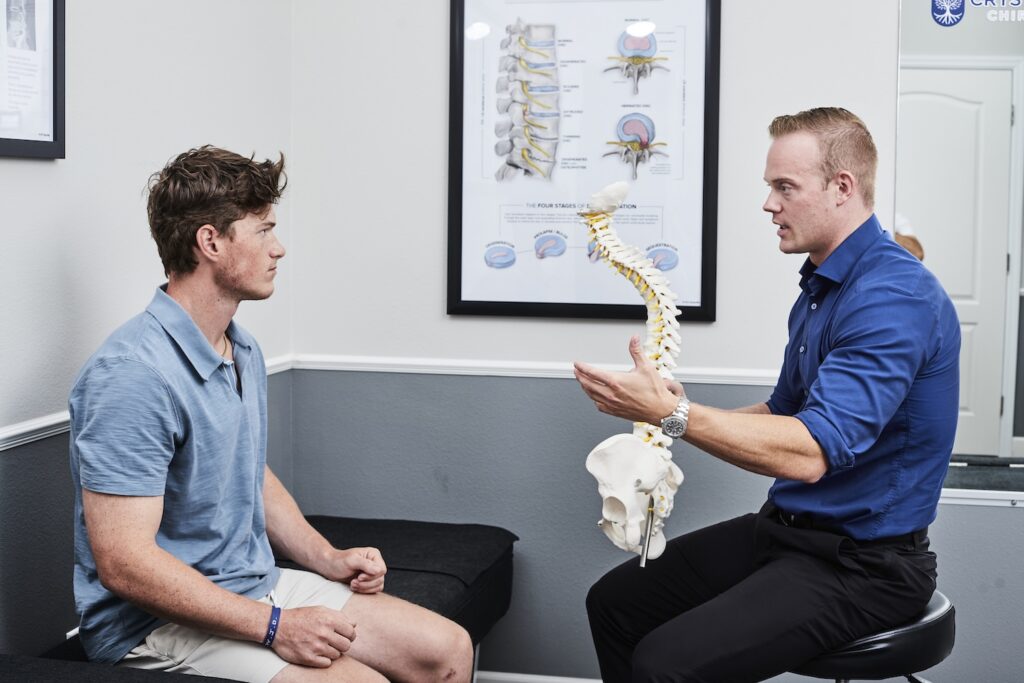
When you experience persistent lower back pain, it’s important to consider consulting a chiropractor as part of your journey to recovery. A chiropractor specializes in understanding the mechanics of the spine and how it affects overall health.
They can provide a thorough assessment to pinpoint any underlying issues contributing to your discomfort and develop a tailored treatment plan that aligns with your unique needs.
Here are a few tips to make the most out of your visit:
- Share your complete medical history and any previous treatments you’ve undergone. This information is crucial for us to understand your situation better.
- Be honest about your pain levels and any limitations you’re experiencing. This helps us gauge how to best support you.
- Don’t hesitate to ask questions! We want you to feel informed and empowered about your condition and treatment options.
- Follow any recommendations for further evaluations or referrals, as they may enhance your recovery process.
Chiropractic care focuses on natural healing methods, aiming to restore balance and function to your body.
Together, we can work towards alleviating your pain and improving your quality of life.
Explore Treatment Options
As your local chiropractor, I want to help you understand the various treatment options available that can assist in your recovery from lower back pain.
After our consultation, it’s important to explore a variety of approaches that can complement your healing journey.
One fundamental option is physical therapy, which can significantly strengthen your core muscles and enhance your flexibility, providing crucial support to your spine.
Additionally, I often recommend targeted exercises that are specifically designed to address your back issues.
For those times when discomfort persists, over-the-counter pain relievers or anti-inflammatory medications can help manage your symptoms.
However, I always encourage seeking natural alternatives when possible. Therapies such as acupuncture and massage therapy can offer relief and promote healing by addressing tension and improving circulation in the affected areas.
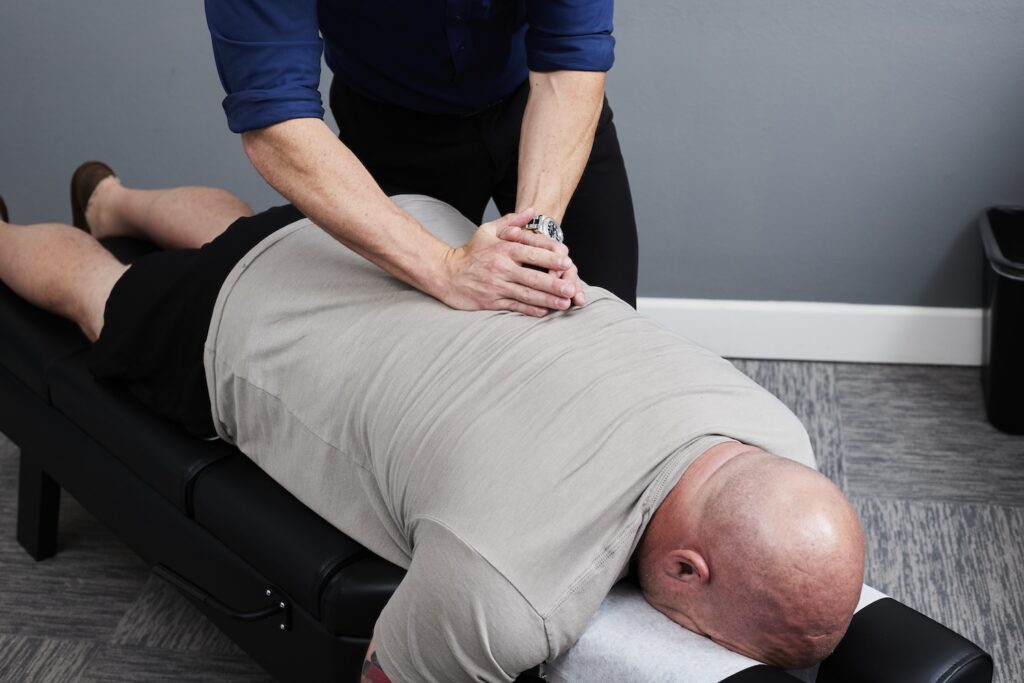
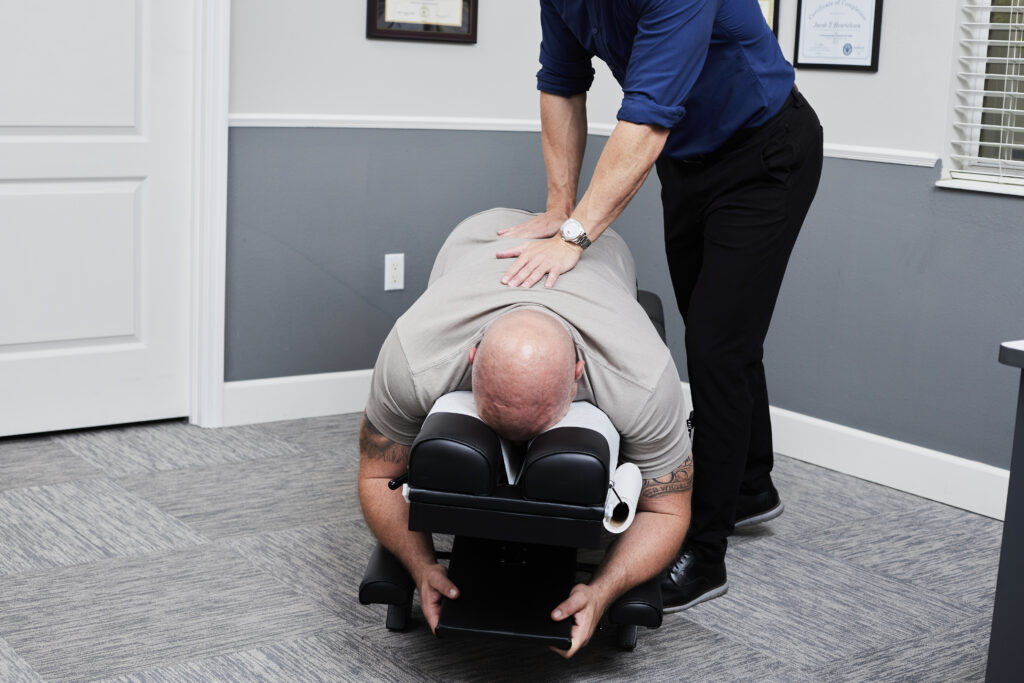
If your pain continues despite these methods, we can discuss chiropractic adjustments, which can realign your spine and alleviate pressure.
There are also more advanced treatment options we can consider together.
Remember, my goal is to guide you through these choices and find the best methods tailored to your individual needs.
Following my recommendations and being proactive about your health will lead you toward a more comfortable and pain-free life.
Conclusion
As a local chiropractor, I’m here to guide you through the process of recovering from lower back pain and to help you understand how natural healing can benefit you. By following these seven steps, you can not only alleviate your discomfort but also prevent future issues. First, it’s important to take the time to understand the nature of your pain. Listen to your body and recognize when you need to rest.
Incorporating heat or cold therapy can provide significant relief, and I often recommend these methods to my patients. Strengthening your core is vital; a strong core supports your spine and enhances your overall stability. Additionally, maintaining good posture is essential for spinal health.
Engaging in low-impact exercises is a great way to stay active without putting undue stress on your back. Remember, if your pain persists or worsens, don’t hesitate to seek professional help. Chiropractic care can offer targeted treatments designed to heal your spine and restore your mobility.
Throughout your healing journey, it’s crucial to listen to your body. Recovery takes time, but with the right approach, you’re well on your way to feeling better. Let’s work together to ensure you achieve lasting relief and a healthier back!