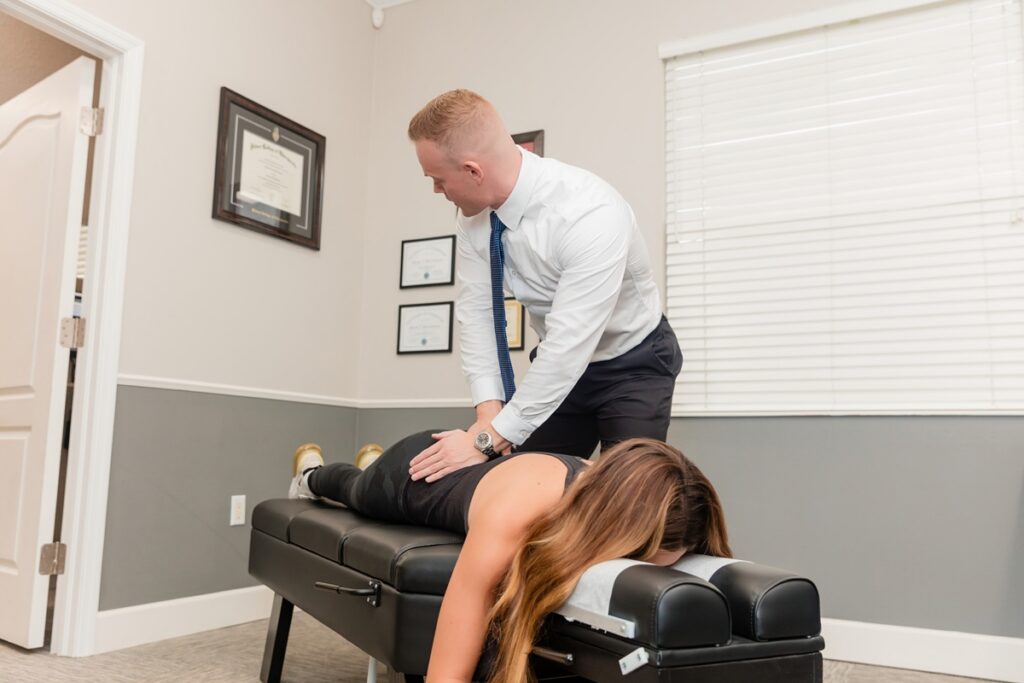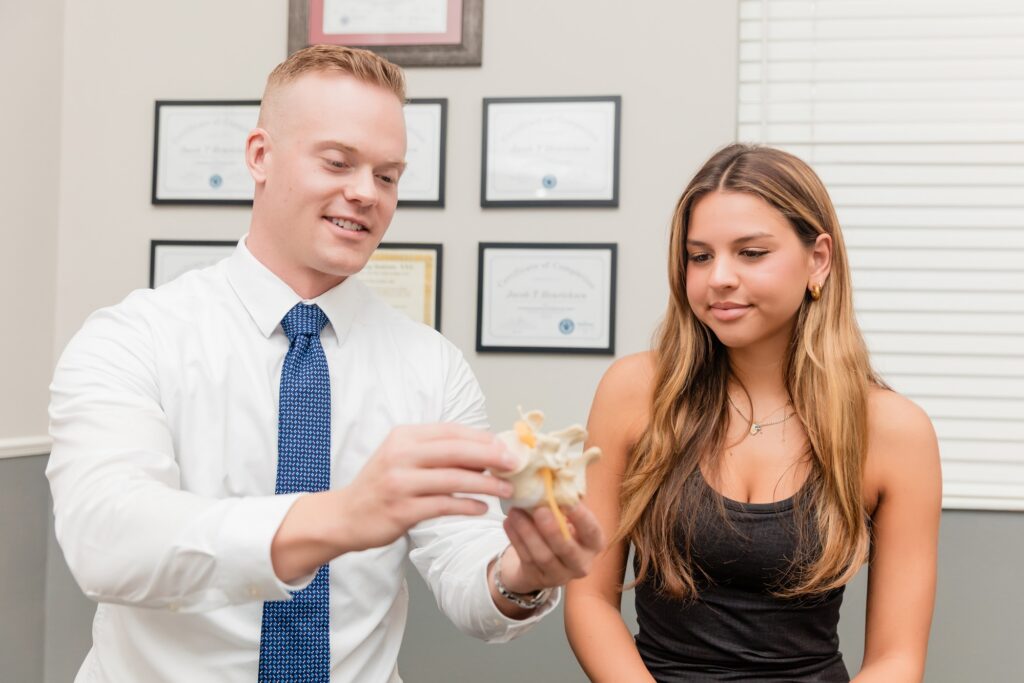

Chronic back pain is a common issue for many individuals, but it doesn’t have to dictate your daily life. As a chiropractor, I want to help you understand the various causes of back pain and how simple changes in your routine can lead to significant relief. By focusing on your posture, incorporating specific exercises, and even considering your diet, you can take proactive steps towards managing your discomfort. There are effective strategies we can explore together to help you alleviate pain naturally and improve your overall well-being. You might be surprised at how the first step can make a difference!
Understand the Cause of Your Pain
As a local chiropractor, I want to help you understand the root causes of your chronic back pain, which is vital for achieving effective relief.
It’s important to reflect on your daily routines and habits. Are you lifting heavy items without using the right techniques? Do you find yourself sitting for long periods at your desk? These everyday activities could be contributing significantly to your discomfort.
Additionally, think about any previous injuries or health issues that may be influencing your pain. Conditions such as herniated discs, arthritis, or sciatica can lead to ongoing pain.
Don’t forget to consider your stress levels, as emotional stress can manifest physically, causing muscle tension that exacerbates pain.
I encourage you to consult with a healthcare professional, like a chiropractor, to accurately identify the underlying causes of your pain.
We may perform physical exams and recommend imaging tests to better understand your condition.
Maintain Proper Posture
As a local chiropractor, I want to emphasize the importance of maintaining proper posture for preventing and managing chronic back pain. Many of my patients are surprised to learn how much their daily habits can impact their spine health.
One of the first steps you can take is to create an ergonomic workstation. This means arranging your desk, chair, and computer in a way that supports your body and encourages good alignment.
In addition to your workspace, it’s crucial to adopt mindful sitting habits throughout the day. Be aware of how you sit and make adjustments as needed—this small change can greatly improve how your back feels.
Remember, your posture isn’t just about looking good; it’s about ensuring that your spine remains healthy and pain-free. By following these guidelines, you’ll be taking an important step towards better spinal health and overall well-being.
If you have any questions or would like personalized advice, feel free to reach out to me during your next visit!
Ergonomic Workstation Setup
As a local chiropractor, I want to share how a well-designed ergonomic workstation can significantly reduce your risk of chronic back pain, which is something I see many patients struggle with.
To start, it’s important to adjust your chair so that your feet rest flat on the floor and your knees are at hip level. This setup helps maintain proper alignment and support for your spine. Your back should be fully supported by the chair’s backrest, allowing for the natural curve of your lower back.
Next, let’s talk about your computer screen. Position it at eye level and about an arm’s length away to prevent unnecessary strain on your neck. This small adjustment can make a big difference in how your body feels over time.
When it comes to your keyboard and mouse, they should be on the same surface to keep your elbows close to your body at a comfortable 90-degree angle. This position helps to prevent tension in your shoulders and arms.
Remember to keep your wrists straight while typing – this is crucial to avoid repetitive strain injuries.
I also highly recommend considering an ergonomic keyboard or mouse for added comfort and support.
By making these simple adjustments to your workstation, you can greatly enhance your posture and overall comfort, which will contribute positively to your spine health and well-being.
If you’re experiencing discomfort, please don’t hesitate to reach out to me for personalized guidance and support.
Mindful Sitting Habits
As a chiropractor, I want to emphasize that the way you sit can significantly impact your overall spinal health and comfort, especially when it comes to preventing chronic back pain.
Many people underestimate the importance of mindful sitting habits, but making a few adjustments can lead to noticeable improvements in your well-being. Here are some essential tips to help you maintain proper posture throughout your day:
- Ensure your feet are flat on the floor or consider using a footrest to support your legs and lower back.
- Keep your back straight and your shoulders relaxed. This positioning helps distribute your weight evenly and reduces strain on your spine.
- Position your computer screen at eye level to prevent unnecessary neck strain. This simple adjustment can make a big difference in how your body feels at the end of the day.
- Remember to take regular breaks to stand up, stretch, and adjust your position. These small movements can help alleviate tension and promote better circulation.
By incorporating these mindful sitting habits into your daily routine, you can support your spinal health and enhance your overall comfort.
If you have any questions or would like personalized advice, please don’t hesitate to reach out. Your health is important, and I’m here to help you on your journey to natural healing.
Incorporate Stretching and Strengthening Exercises
As a local chiropractor, I want to emphasize the importance of incorporating stretching and strengthening exercises into your routine to help alleviate chronic back pain. These exercises are crucial for enhancing flexibility, promoting muscle balance, and providing support to your spine.
To get started, focus on gentle stretches that target your back, hips, and legs. I often recommend stretches like the cat-cow stretch and child’s pose, which are effective for improving flexibility and relieving tension in the back.
In addition to stretching, it’s essential to strengthen your core muscles. A strong core is vital for supporting your spine and can significantly reduce the risk of back pain. Exercises such as planks, bridges, and pelvic tilts are excellent choices to include in your routine.
I suggest aiming for a balanced exercise regimen that combines both stretching and strengthening at least three times a week. Listen to your body during these exercises; if something doesn’t feel right, it’s important to modify the movement or consult with a healthcare professional.
As you progress, gradually increase the intensity and duration of your workouts to build strength effectively. By staying consistent with these exercises, you can achieve long-term relief from back pain and improve your posture, making your daily activities easier and more enjoyable.
Utilize Heat and Cold Therapy
As a local chiropractor, I’m here to share some effective strategies for managing chronic back pain, particularly through the use of heat and cold therapy. These methods can significantly enhance your comfort and promote healing without the need for medication. Let me explain how you can incorporate these techniques into your routine:
- Heat Therapy: Applying heat to your back can work wonders by relaxing tight muscles and increasing blood circulation. You can use a warm towel or a heating pad for about 15-20 minutes. This can be especially beneficial before engaging in physical activities, as it prepares your muscles for movement.
- Cold Therapy: On the other hand, cold therapy is excellent for numbing pain and reducing inflammation. A simple ice pack wrapped in a cloth can be applied for 10-15 minutes. This is particularly helpful after activity or when experiencing sharp pain, as it helps to minimize swelling.
- Alternating Between Heat and Cold: For optimal relief, consider alternating between heat and cold therapy. This combination can help manage pain more effectively; start with heat to loosen up your muscles and follow up with cold to alleviate any post-activity discomfort.
- Listening to Your Body: It’s crucial to pay attention to how your body responds to these therapies. If you find that a certain temperature or duration feels uncomfortable, don’t hesitate to adjust it to suit your needs.
By integrating heat and cold therapy into your daily routine, you can significantly alleviate chronic back pain and improve your overall well-being.
If you have any questions about how these therapies can work in conjunction with chiropractic care, feel free to reach out!
Explore Physical Therapy Options
If you’ve been finding relief through heat and cold therapy, it’s time to consider how chiropractic care can further support your back pain management. As a chiropractor, I focus on a holistic approach tailored specifically to your needs, emphasizing the importance of spinal alignment, muscle strength, flexibility, and proper posture.
By addressing the root causes of your pain, we can create a sustainable path to recovery.
During your visits, you’ll participate in targeted exercises designed to promote healing and restore function to your back. I may also incorporate gentle adjustments and other natural therapies, such as ultrasound or electrical stimulation, to help alleviate pain and reduce inflammation.
Open communication about your pain levels and progress is vital, allowing us to make necessary adjustments to your treatment plan.
Integrating chiropractic care into your routine not only helps to relieve pain but also empowers you to take control of your health. You’ll gain insights into body mechanics and learn effective techniques to prevent future issues from arising.
With dedication to your treatment and my guidance, you can look forward to a more active and pain-free life. Let’s work together to help you achieve your wellness goals!
Consider Mindfulness and Relaxation Techniques
As a local chiropractor, I want to emphasize the importance of mindfulness and relaxation techniques in managing chronic back pain. Integrating these practices into your daily routine can significantly enhance your recovery and overall well-being.
They not only help in reducing stress but also increase your body awareness and improve your ability to cope with pain.
Here are some techniques I encourage you to consider:
- Deep Breathing: This simple practice focuses on your breath, which can help calm your mind and relax your muscles, providing immediate relief from tension.
- Meditation: Taking just a few minutes each day for quiet reflection can enhance your mental clarity and reduce feelings of anxiety, contributing to a more relaxed state of being.
- Progressive Muscle Relaxation: By systematically tensing and then relaxing different muscle groups, you can help alleviate tension in your back and throughout your entire body.
- Yoga or Tai Chi: Engaging in these gentle movements can promote flexibility and strength while fostering a sense of mindfulness that’s beneficial for both your physical and mental health.
Incorporating these techniques alongside chiropractic care can lead to a more holistic approach to your pain management and recovery journey.
Let’s work together to find the best methods that fit your lifestyle!
Evaluate Your Sleep Environment
As a local chiropractor, I want to emphasize how crucial a well-analyzed sleep environment can be for managing chronic back pain and enhancing your overall recovery. One of the first things I recommend is to evaluate your mattress and pillow. A supportive mattress that maintains proper spinal alignment is essential for your health. If your mattress is over seven years old, it may be time to consider a replacement.
Additionally, your pillow should be chosen based on your sleeping position—back sleepers benefit from a firmer pillow, while side sleepers usually find a softer option more comfortable. This alignment is vital in preventing unnecessary strain on your neck and back.
Next, let’s talk about your bedroom’s temperature and lighting. A cool and dark room is ideal for promoting better sleep quality, which can have a positive impact on pain levels. Consider reducing noise distractions as well; tools like earplugs or a white noise machine can help create a more calming environment conducive to restful sleep.
Lastly, maintaining a consistent sleep schedule is key. Going to bed and waking up at the same time every day helps regulate your body’s internal clock, making it easier for you to fall asleep and stay asleep.
These simple adjustments to your sleep environment can significantly improve your comfort and support your recovery journey. Remember, your body needs quality rest to heal effectively, and I’m here to help guide you in creating the best conditions for that healing to occur.
Stay Active With Low-Impact Activities
As a local chiropractor, I want to emphasize the importance of staying active in managing chronic back pain, particularly through low-impact activities. These types of exercises can be incredibly beneficial for strengthening your muscles and enhancing flexibility, all while minimizing stress on your back.
Here are some excellent options to consider:
- Walking: This is one of the simplest yet most effective ways to keep your body moving and improve blood circulation. Just a daily walk can make a significant difference in how you feel.
- Swimming: The natural buoyancy of water takes the strain off your joints, allowing you to engage in a comprehensive workout without discomfort. It’s a fantastic way to strengthen your back and core while promoting overall wellness.
- Cycling: Using a stationary bike is a great way to elevate your heart rate and stay fit without placing any jarring impact on your spine. It’s an excellent alternative for those who may find running or jogging painful.
- Yoga: Gentle, focused stretches can greatly enhance your flexibility and help you relax. Regular yoga practice can alleviate tension and contribute to better posture, which is essential for spinal health.
Incorporating these activities into your daily routine can significantly improve your mobility and reduce pain levels.
Always listen to your body and start at a pace that feels comfortable for you; remember, consistency is crucial in achieving lasting benefits while managing discomfort.
If you have any questions or need personalized guidance, please feel free to reach out—I’m here to help you on your journey to better health!
Seek Professional Medical Advice
As a local chiropractor, I want to emphasize the importance of seeking professional medical advice, especially when it comes to managing chronic back pain. If you’ve been trying various at-home remedies without finding relief, it might be time to explore chiropractic care as a natural and effective option.
Chiropractic care focuses on identifying the root causes of your pain, particularly those related to misalignments in the spine and musculoskeletal system. By addressing these issues, we can create a tailored treatment plan that may include spinal adjustments, physical therapy, and other natural therapies designed to alleviate pain and enhance your overall well-being.
It’s also important to communicate openly about your symptoms and medical history during your visits. This information is vital for accurate assessment and treatment planning. If you ever feel uncertain about a diagnosis or treatment approach, don’t hesitate to seek a second opinion or consult a specialist.
Chiropractors often collaborate with other healthcare professionals to ensure that you receive comprehensive care. Regular visits to your chiropractor can help you monitor your progress and make necessary adjustments to your treatment plan.
Make Dietary Adjustments for Better Health
As a local chiropractor, I want to emphasize the profound impact dietary adjustments can have on your overall health, especially when it comes to managing chronic back pain.
Many patients may not be aware that what we eat can play a significant role in reducing inflammation and supporting the body’s healing processes. Here are some dietary changes I encourage you to consider:
- Increase Omega-3 Fatty Acids: Incorporating foods rich in omega-3s, such as fatty fish, walnuts, and flaxseeds, can greatly help in reducing inflammation in your body, which is crucial for alleviating pain.
- Embrace More Fruits and Vegetables: Strive to fill your plate with a variety of colorful fruits and vegetables. This diversity ensures you’re getting a wide array of antioxidants and vitamins that are essential for your health and healing.
- Prioritize Hydration: Staying well-hydrated is vital. Drinking sufficient water helps keep your spinal discs and joints well-lubricated, which can significantly ease discomfort and pain.
- Limit Processed Foods: It’s advisable to minimize your intake of processed foods, particularly those high in sugar and refined carbohydrates. These can exacerbate inflammation and lead to increased pain, counteracting the benefits of any chiropractic treatments you may receive.
By making these dietary adjustments, you can support your body in its healing journey and complement the chiropractic care you receive.
Conclusion
As your local chiropractor, I want to help you take charge of your chronic back pain and boost your overall well-being. It’s essential to first understand the underlying causes of your discomfort. Maintaining proper posture while sitting, standing, and moving is crucial for your spinal health. Staying active through gentle exercises is also important, as it helps strengthen the muscles that support your back.
Incorporating regular stretches into your routine can alleviate tension and enhance flexibility. I encourage you to seek professional guidance, as I can tailor a chiropractic care plan specifically for you, addressing your unique needs.
Don’t overlook the importance of a supportive sleep environment; your mattress and pillows play a significant role in your spinal alignment while you rest. Additionally, a balanced diet can contribute to your overall health and recovery.
With dedication to these strategies and appropriate chiropractic care, you can experience relief from pain and improve your quality of life. Let’s work together to start your journey toward feeling better today!