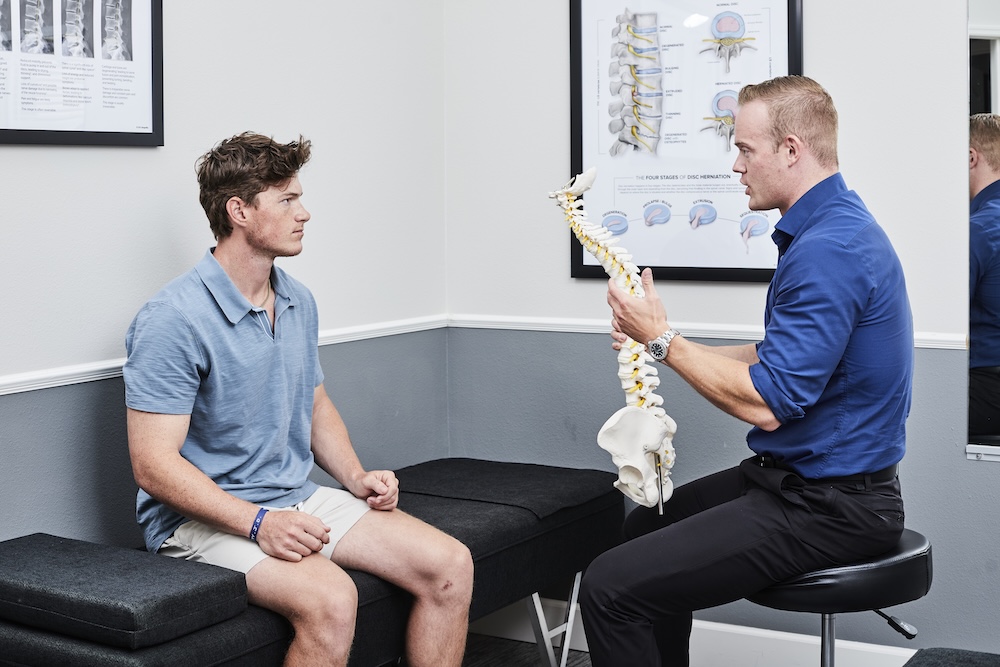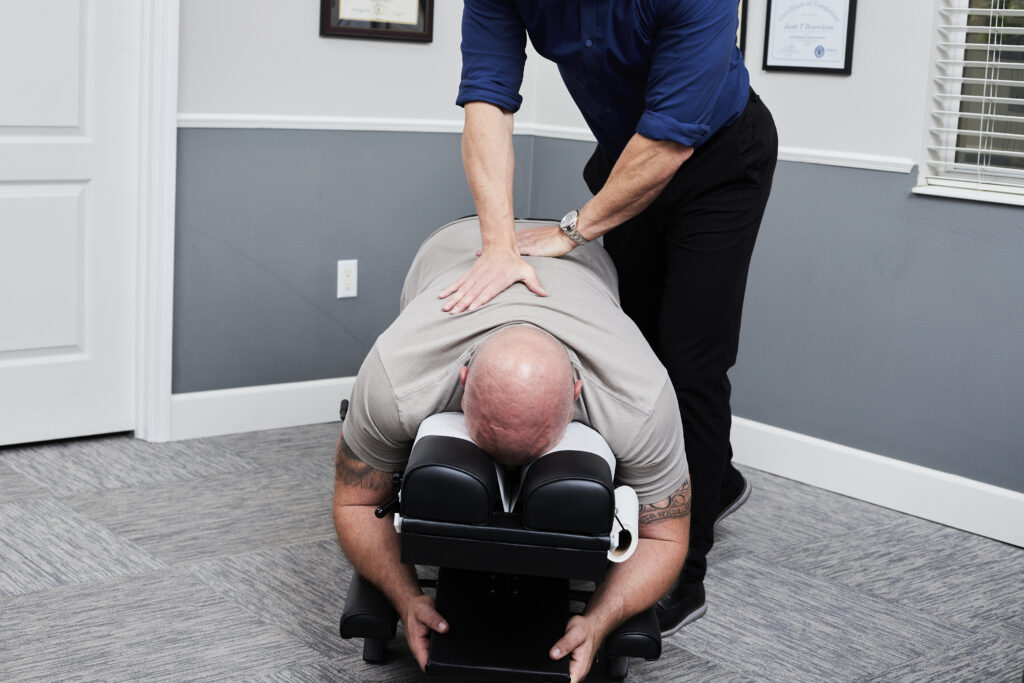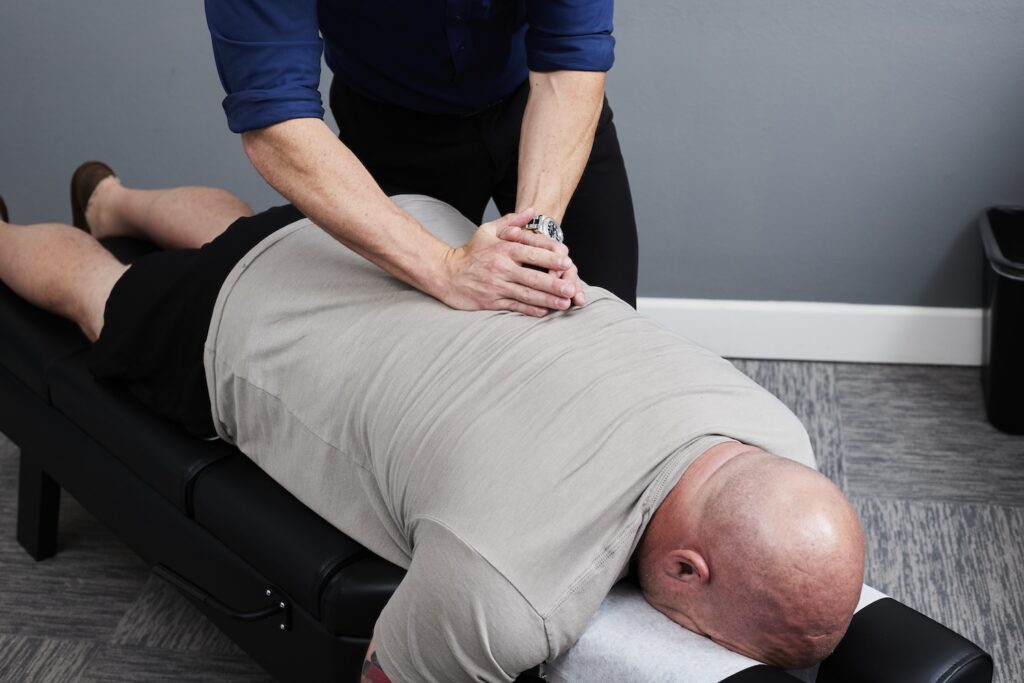

As a local chiropractor, I often see patients who don’t realize how much their posture can impact their back pain until it starts to interfere with their daily lives. The good news is that simple adjustments in your workspace and daily routines can lead to significant improvements. By emphasizing the importance of maintaining good posture and making a few ergonomic tweaks, you can begin to alleviate discomfort and promote better spinal health. If you’re curious about specific steps you can take to enhance your well-being, let’s delve into some practical tips that could truly transform your experience and help you feel better naturally.
Understanding the Importance of Good Posture
As a local chiropractor, I want to emphasize just how crucial your posture is for your overall back health. Many people may not realize that good posture goes beyond simply appearing confident; it plays a vital role in maintaining a healthy spine. When you adopt proper sitting or standing habits, your body can distribute weight evenly, which significantly reduces strain on your muscles and ligaments.
On the contrary, slouching or hunching can place undue pressure on your spine, leading to discomfort and chronic pain over time. Being conscious of your posture is a proactive way to prevent potential issues before they arise.
Good posture not only aids in improved circulation and reduced fatigue but also enhances your respiratory function. You may notice an increase in your energy levels and productivity as a result of maintaining proper alignment.
Even small adjustments can lead to significant improvements. Consider changing your chair height or utilizing ergonomic tools to support your posture effectively.
Remember, good posture isn’t just about aesthetics; it’s fundamentally linked to how you feel on a daily basis. Prioritizing your posture today can set the foundation for a healthier back tomorrow.
As your chiropractor, I’m here to guide you through this journey to better posture and overall well-being.
Assessing Your Current Posture
To effectively enhance your back health, it’s crucial to start by examining your current posture. As a chiropractor, I encourage you to stand tall and take a moment to notice how your body feels. Are your shoulders relaxed or slumped? Is your head positioned directly over your spine, or does it lean forward? These subtle indicators can reveal poor posture habits that might be contributing to your back discomfort.
Now, let’s sit down in your typical workspace. Pay attention to how your back feels against the chair. Are you leaning forward, or does your back have proper support? A quick assessment can show if you’re unintentionally straining your muscles, which can lead to discomfort over time.
Lastly, think about how you move throughout your day. Are you often bending or twisting in ways that feel awkward? Being mindful of these movement patterns can help you pinpoint areas that may need improvement.
Ergonomic Adjustments for Your Workspace
As a local chiropractor, I want to share some crucial tips for reducing back pain through simple ergonomic adjustments in your workspace.
It’s important to start by ensuring that your chair is at the right height; your feet should rest flat on the floor for optimal support.
Additionally, adjust your monitor so that it aligns with your eye level—this can significantly improve your posture and overall comfort during your workday.
Chair Height Adjustment
As a local chiropractor dedicated to your well-being, I want to emphasize the importance of proper chair height adjustment for your comfort and spinal health.
When you sit at your desk, it’s crucial to position your chair so that your thighs are parallel to the ground. This alignment helps support your lower back and can significantly reduce discomfort and back pain during long working hours.
Make sure your feet are flat on the floor or on a footrest, and your knees should form a 90-degree angle. If your chair includes armrests, adjust them so your arms can rest comfortably, allowing your shoulders to relax.
This proper setup not only enhances your comfort but also promotes correct spinal alignment, minimizing strain on your back.
I also encourage you to take breaks throughout the day. Stand up, stretch, and move around a bit. These small actions can greatly contribute to your overall posture and comfort.
Monitor Positioning Techniques
As a local chiropractor, I want to emphasize the importance of proper monitor positioning to help you maintain optimal spinal health and reduce eye strain while you work.
When your monitor is set up correctly, you can prevent common issues like neck and back pain, leading to a more comfortable and productive workday.
Here are some essential tips to ensure your monitor is positioned correctly:
- Eye Level: Aim to have the top of your screen at or just below eye level. This alignment helps keep your neck in a neutral position, reducing tension and discomfort.
- Distance: Position your monitor about an arm’s length away from your eyes. This distance is crucial for minimizing strain on your eyes and maintaining focus without excessive effort.
- Angle: Tilt your monitor slightly backward, around 10 to 20 degrees. This angle not only reduces glare from overhead lighting but also promotes a more natural viewing posture, which is beneficial for your overall spinal alignment.
By following these guidelines, you can create a workspace that supports your body’s natural alignment and enhances your well-being.
Exercises to Strengthen Core Muscles
As a chiropractor, I want to emphasize the importance of strengthening your core for maintaining a healthy spine and reducing back pain. A strong core plays a crucial role in providing stability to your body, which can alleviate discomfort and support your overall well-being.
Incorporating various plank variations into your exercise routine can be an effective way to engage your core muscles. Additionally, balance training is another fantastic method to build strength and stability.
Both approaches not only help in creating a solid foundation for your body but also contribute to better posture and alignment.
Plank Variations Explained
As a local chiropractor, I want to emphasize the importance of incorporating plank variations into your fitness routine for building core strength and promoting overall wellness.
These exercises not only engage multiple muscle groups but also play a crucial role in improving your stability and posture, which can help alleviate back pain and enhance your overall health.
Here are a few plank variations that I recommend:
- Forearm Plank: Begin by resting on your forearms and toes, ensuring that your body forms a straight line from head to heels. This position effectively targets your core and shoulders, providing a solid foundation for spinal alignment.
- Side Plank: Lie on your side and lift your body using one arm while stacking your feet. This variation is excellent for strengthening the obliques, which are essential for maintaining a balanced and stable spine.
- Plank with Leg Lift: While maintaining a standard plank position, lift one leg at a time. This not only enhances your balance but also engages your glutes, further supporting your lower back.
Incorporating these variations into your workout can significantly enhance your core strength, which is vital for preventing injuries and alleviating discomfort.
Remember, a strong core supports your spine, helping you maintain proper alignment and overall health.
If you have any questions about these exercises or their benefits, feel free to ask during your next visit!
Importance of Balance Training
As a local chiropractor, I want to emphasize the importance of balance training in your overall health and wellness. Many people tend to prioritize building muscle strength, but balance training is just as crucial for enhancing your core muscles and improving stability.
By incorporating balance exercises into your daily routine, you can gain better control over your movements, which can significantly reduce the risk of injury and alleviate issues like back pain.
Simple activities such as standing on one leg or using a balance board can engage your core and improve coordination. These exercises activate deep stabilizing muscles that traditional workouts often overlook.
By consistently practicing balance training, you’ll not only enhance your posture but also provide effective support for your spine.
Remember, a strong core isn’t solely about strength; it’s also about maintaining stability. Don’t underestimate the power of balance training—make it an integral part of your fitness regimen.
Doing so can’t only help alleviate back pain but also boost your overall well-being. As you embark on your journey to better health, consider the role balance training can play in your life.
Incorporating Stretching Into Your Daily Routine
As a local chiropractor, I want to highlight the importance of incorporating stretching into your daily routine. Not only can this practice significantly reduce back pain, but it can also enhance your overall flexibility.
Regular stretching plays a crucial role in lengthening tight muscles and relieving tension, which is essential for alleviating discomfort. The best part is that you don’t need to dedicate hours to this practice; even just a few minutes each day can yield noticeable benefits.
Here are some practical ways to weave stretching into your daily life:
- Morning Routine: Begin your day with gentle stretches. This not only helps wake up your muscles but also improves circulation, preparing your body for the day ahead.
- Break Time: If you find yourself sitting for extended periods at work, take advantage of short breaks to stand up and stretch. This can help counteract the stiffness that often comes with prolonged sitting.
- Before Bed: Consider ending your day with calming stretches. This practice can help relax both your body and mind, setting the stage for a more restful night’s sleep.
By integrating these simple stretching techniques into your daily routine, you can support your body’s natural healing processes and promote overall wellness.
If you have any questions or need personalized advice, feel free to reach out during your next visit.
Tips for Maintaining Good Posture Throughout the Day
As a chiropractor dedicated to your health and well-being, I want to emphasize the importance of maintaining good posture to prevent back pain and support your overall wellness. It’s vital to be mindful of your body’s alignment throughout your daily activities.
When sitting, ensure that you keep your back straight and your feet flat on the ground, allowing your spine to maintain its natural curves. If you find it challenging to sit comfortably, consider using a small cushion for lumbar support.
When you’re standing, aim to distribute your weight evenly on both feet while keeping your shoulders back to promote a strong and balanced posture.
For those of you who spend long hours at a desk, I recommend adjusting your computer screen to eye level. This simple change can help prevent neck strain. Remember to take regular breaks—stand up, stretch, and walk around to encourage blood flow and reset your posture.
Be mindful of how you use your smartphone; instead of looking down, raise your device to eye level. This small adjustment can significantly reduce strain on your neck and upper back.
Lastly, practicing mindfulness can help you become more aware of your posture in various situations throughout the day.
Incorporating these tips into your daily routine can lead to significant improvements in your posture and a reduction in back pain. As your chiropractor, I’m here to help you understand how to achieve and maintain a healthy posture for a better quality of life.
Conclusion
As a local chiropractor, I want to share with you some effective strategies to help alleviate posture-related back pain. By making simple adjustments to your daily habits and incorporating specific exercises into your routine, you can significantly reduce discomfort and improve your overall well-being.
First, it’s crucial to regularly assess your posture, especially in your workspace. Consider making ergonomic changes to your desk setup, as this can greatly impact how your body feels throughout the day. Additionally, strengthening your core muscles and committing to daily stretching will provide much-needed support to your back and enhance your stability.
Throughout your day, I encourage you to stay mindful of your posture. Pay attention to how you distribute your weight and ensure your shoulders remain relaxed. With consistent effort and a focus on these practices, you’ll be well on your way to achieving a healthier posture and finding relief from pain. Remember, taking care of your body is a journey, and I’m here to support you every step of the way!