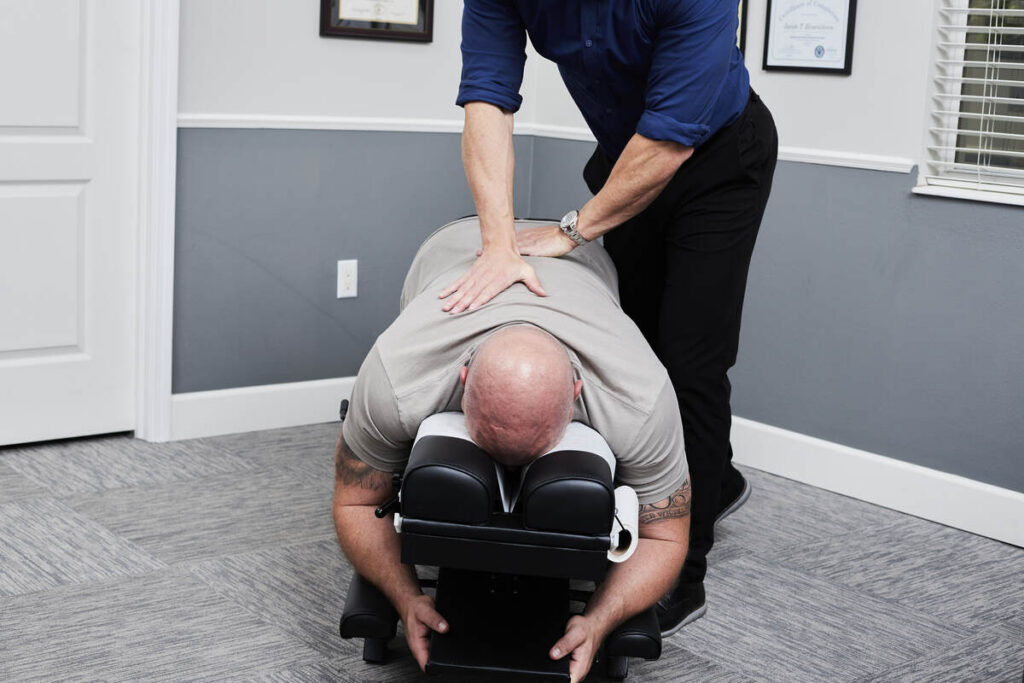
As a local chiropractor, I often see patients struggling with back pain, a condition that is more common than you might think. However, I want you to know that experiencing back pain doesn’t have to be your norm. By implementing some simple lifestyle changes, you can take control of your health and actively work to prevent discomfort.
One of the key areas to focus on is your posture. Many of us spend hours hunched over screens or sitting in positions that strain our backs. By being mindful of your posture and making small adjustments throughout your day, you can significantly reduce the risk of back pain.
In addition to posture, incorporating regular exercise into your routine is vital. Engaging in activities that strengthen the core muscles, improve flexibility, and promote overall body strength can greatly enhance your spine’s health.
If you’re curious about specific strategies that can help you maintain a healthier back, let’s discuss some effective approaches together. Remember, your well-being is important, and there are natural ways to support your spine’s health.
Improve Your Posture
As a local chiropractor, I want to emphasize the critical role that good posture plays in your overall health, particularly when it comes to alleviating and preventing back pain. Many of my patients are surprised to learn just how much their daily habits impact their spine and musculoskeletal health.
First, let’s talk about your sitting and standing habits. When you sit, it’s important to maintain a straight back and relaxed shoulders, with your feet resting flat on the floor. I often recommend using a chair that provides proper support for your lower back to help maintain this alignment.
When standing, aim to distribute your weight evenly across both feet and avoid locking your knees, as this can put unnecessary strain on your body.
If you spend a lot of time working on a computer, make sure your screen is at eye level. This simple adjustment can prevent neck strain, which is a common issue I see in my practice. For those of you who frequently use your phone, consider switching to a hands-free device. Cradling your phone between your neck and shoulder can lead to discomfort and misalignment over time.
I encourage you to perform regular posture checks throughout your day. You might find it helpful to set reminders on your phone or place sticky notes in your workspace to prompt you. By consistently focusing on your posture, you can significantly reduce your risk of experiencing back pain and enhance your overall comfort and well-being.
Stay Active With Regular Exercise
As a local chiropractor, I want to emphasize that maintaining good posture is just one piece of the puzzle when it comes to preventing back pain. An essential aspect of your well-being is staying active through regular exercise. Engaging in physical activity is crucial for strengthening your muscles, particularly those that support your spine. This not only helps alleviate discomfort but also enhances your flexibility and endurance, making everyday tasks more manageable and less painful.
I recommend aiming for at least 150 minutes of moderate aerobic exercise each week. Activities such as walking, swimming, or cycling are excellent choices, as they promote movement without placing excessive strain on your back.
Additionally, incorporating strength training into your routine is vital, as it builds the muscle support needed for a healthy spine and core. It’s important to choose activities that you genuinely enjoy. This will make it much easier for you to maintain a consistent exercise routine.
Even small amounts of regular activity can lead to significant improvements over time. By prioritizing physical activity, you’ll not only boost your overall health but also reduce the risk of developing back pain.
Incorporate Stretching Into Your Routine
As a local chiropractor, I want to emphasize the significant benefits of incorporating stretching into your daily routine. Regular stretching can greatly alleviate back pain and enhance your flexibility, which is crucial for maintaining a healthy spine.
I often see patients who are surprised at how effective consistent stretching can be in improving their overall well-being.
It’s essential to stretch regularly to maximize these benefits and keep your back in optimal condition. I encourage you to make stretching a part of your everyday life, as it not only helps with pain relief but also promotes better posture and mobility.
If you have any questions or need guidance on effective stretching techniques, please feel free to reach out. Your health is my priority!
Benefits of Regular Stretching
As a local chiropractor, I want to emphasize the importance of incorporating regular stretching into your daily routine. Many people tend to overlook this simple yet powerful practice, but it plays a crucial role in preventing back pain and enhancing your overall well-being. Stretching improves flexibility, which in turn helps maintain proper posture and reduces strain on your back.
When you engage in stretching, you increase blood flow to your muscles, promoting healing and alleviating tension. This can lead to less stiffness and a greater range of motion, making daily activities much easier and more enjoyable.
Furthermore, stretching can alleviate stress, a common contributor to muscle tension and discomfort.
By dedicating just a few minutes each day to stretching, you aren’t only investing in your back health but also improving your overall quality of life. I encourage you to make stretching a priority, and you’ll likely notice the positive changes it brings to your body and mind.
Embrace this natural method of self-care, and let’s work together towards your health goals!
Effective Stretching Techniques
As a local chiropractor, I want to emphasize the importance of incorporating stretching into your daily routine for better overall health. It’s essential to set aside dedicated time each day, even if it’s only for a few minutes.
Focus on key areas that often hold tension, such as your back, hips, and legs. Simple stretches like the cat-cow pose, seated forward bend, and standing quadriceps stretch can be incredibly beneficial in releasing that tightness.
I recommend making stretching a regular part of your day—consider doing it first thing in the morning or right before you go to bed. Additionally, you can seamlessly integrate stretches into your workday. Stand up during breaks and perform a few gentle movements to alleviate stress and improve circulation.
It’s important to listen to your body during these stretches. Avoid pushing yourself too hard; instead, ease into each movement and hold each stretch for at least 15-30 seconds.
Consistency is key to reaping the full benefits, so find a time that fits your schedule and make it a habit. Incorporating these practices can greatly enhance your well-being and complement the chiropractic care you receive.
Stretching Frequency Recommendations
As a chiropractor dedicated to your overall well-being, I want to emphasize the importance of incorporating stretching into your daily routine. Regular stretching can significantly enhance your flexibility and help prevent back pain, which is crucial for maintaining a healthy spine.
I recommend aiming to stretch at least three to four times a week, focusing on essential muscle groups such as your back, hips, and legs. Each stretching session should ideally last about 10 to 15 minutes; remember to take it slow and focus on controlled movements.
If you find yourself sitting for extended periods, it’s beneficial to take short breaks to stretch every hour. This practice not only keeps your muscles relaxed but also promotes better posture, which is vital for spinal health.
You might also consider establishing a morning stretching routine to energize your day or a bedtime routine to help you unwind. Always listen to your body—if you notice any areas that feel tight, give them some extra attention.
Use Proper Body Mechanics
As a local chiropractor, I want to emphasize the importance of using proper body mechanics to help you prevent back pain and maintain a healthy spine. Many of you mightn’t be familiar with how simple adjustments in your daily movements can make a significant difference.
When lifting heavy objects, always remember to bend your knees and keep the load close to your body. This technique minimizes strain on your muscles and protects your back. It’s also crucial to avoid twisting your torso; instead, turn your entire body to face the direction you’re moving.
While sitting, ensure your feet are flat on the ground and that your back is straight against the chair. If you find yourself reaching for something, resist the urge to stretch too far; it’s better to reposition yourself to avoid unnecessary strain.
For those of you who stand for long periods, try shifting your weight from one foot to another to ease tension and improve blood flow.
Be mindful of your posture throughout the day—keeping your shoulders back and aligning your head with your spine can contribute significantly to your overall comfort.
By practicing these techniques consistently, you can greatly reduce your risk of developing back pain and enhance your comfort in daily activities.
Invest in Ergonomic Furniture
As a local chiropractor, I want to emphasize the importance of investing in ergonomic furniture for your overall well-being. Many of you may not realize that the right furniture can significantly enhance your comfort and help alleviate back pain, which is a common issue I encounter in my practice.
When you select ergonomic furniture and arrange it thoughtfully in your workspace, you can create an environment that supports your body’s natural alignment. This can lead to improved posture and reduced strain on your spine.
Let’s delve into the many benefits of ergonomic options and how you can optimize your setup for better health. Remember, taking these steps can be an essential part of your journey towards natural healing and maintaining a pain-free lifestyle.
Benefits of Ergonomic Design
As a local chiropractor, I want to emphasize the importance of ergonomic design in your workspace, especially for those who may not be familiar with the benefits of chiropractic care and natural healing.
By prioritizing ergonomic principles in your environment, you can significantly decrease your risk of back pain and enhance your overall comfort.
Investing in ergonomic furniture isn’t just about aesthetics; it supports your body and promotes better productivity.
When you create a workspace that meets your physical needs, you’ll find it much easier to maintain proper posture throughout your workday, which is crucial for your spine health.
Let’s explore some key benefits of ergonomic design:
- Enhanced posture: Ergonomic setups help keep your spine aligned, reducing unnecessary strain and discomfort.
- Increased productivity: When you’re comfortable, you can focus better and work more efficiently, leading to greater output.
- Reduced fatigue: Proper support allows you to work for longer periods without experiencing discomfort or exhaustion.
- Long-term health: By minimizing the risk of chronic pain and injuries, you set yourself up for a healthier future.
I encourage you to consider making the switch to ergonomic design in your workspace.
It’s a proactive step towards a healthier and more comfortable work environment, and it aligns perfectly with the principles of natural healing that we promote in chiropractic care.
Your body will thank you!
Key Furniture Options
As a local chiropractor, I want to share how the right ergonomic furniture can significantly improve your workspace and help alleviate back pain.
First and foremost, investing in an adjustable chair that provides proper support for your lower back is crucial. This type of chair encourages you to maintain a natural curve in your spine, which is vital for spinal health.
Next, consider a desk that allows for both sitting and standing positions. Alternating between these positions throughout your day can help reduce strain on your back and promote better circulation.
Additionally, a monitor stand is essential; positioning your screen at eye level can prevent neck strain and discomfort.
Pay attention to your keyboard and mouse placement as well. Utilizing ergonomic options can help keep your wrists in a neutral position, reducing the risk of repetitive strain injuries.
Finally, a footrest can offer additional support and enhance your posture.
By incorporating these key furniture options into your workspace, you create a healthier environment that not only helps to keep you comfortable but also allows you to focus better on your tasks.
Proper Setup Techniques
As a local chiropractor dedicated to your well-being, I want to share some essential setup techniques that can significantly enhance your comfort and help prevent back pain in your daily activities.
Creating an ergonomic workspace is crucial for maintaining good posture and overall health. Here are some key tips to ensure your setup promotes natural healing:
- Chair height: It’s important to adjust your chair so that your feet rest flat on the ground or on a footrest. This helps maintain proper alignment of your spine.
- Desk height: Your desk should be positioned at elbow height. This allows your arms to rest comfortably while typing, reducing strain on your shoulders and neck.
- Monitor position: Set your monitor at eye level and about an arm’s length away from you. This helps prevent neck strain and encourages good posture while you work.
- Keyboard placement: Keep your keyboard close to your body and tilt it slightly if needed. Ensure your wrists are straight as you type to avoid unnecessary stress on your joints.
By following these guidelines, you can create a workspace that supports your spine and contributes to your overall health.
Maintain a Healthy Weight
As a local chiropractor, I want to emphasize the importance of maintaining a healthy weight in preventing back pain. Excess weight can put added stress on your spine and the muscles surrounding it. When you carry extra pounds, your body often compensates by altering your posture, which can lead to muscle imbalances and increased tension in your back.
To help you manage your weight effectively, I recommend focusing on a balanced diet that includes plenty of fruits, vegetables, lean proteins, and whole grains. Additionally, regular exercise is crucial. Aim for a combination of cardio, strength training, and flexibility exercises to support your overall fitness and spinal health.
Even small lifestyle changes can have a significant impact. For instance, opting for the stairs instead of the elevator or taking daily walks can contribute to maintaining a healthy weight.
Remember, this journey isn’t solely about losing weight; it’s about adopting a lifestyle that fosters a healthy body. By staying active and being mindful of your nutrition, you’ll not only feel better overall but also protect your back from unnecessary strain.
If you have any questions about how chiropractic care can support your weight management and spinal health, feel free to reach out!
Conclusion
As a local chiropractor, I want to share some valuable insights on how you can prevent back pain and enhance your overall well-being through natural lifestyle changes. One of the most important aspects to focus on is maintaining good posture throughout your daily activities. This can significantly alleviate strain on your spine.
Incorporating regular physical activity into your routine is crucial as well. Engaging in exercises that strengthen your core and improve flexibility can provide substantial support to your back. Additionally, I recommend making stretching a part of your daily habits to keep your muscles supple and reduce tension.
Using proper body mechanics is another key factor in preventing back pain. Be mindful of how you lift heavy objects and always bend at your knees instead of your waist. Consider investing in ergonomic furniture that supports your spine, especially if you spend long hours sitting.
Lastly, maintaining a healthy weight is essential for protecting your back from unnecessary stress. By adopting these habits, you can experience a substantial difference in how you feel. I encourage you to start implementing these changes today, and if you have any questions or need guidance, feel free to reach out. Your journey to a pain-free back is just beginning!