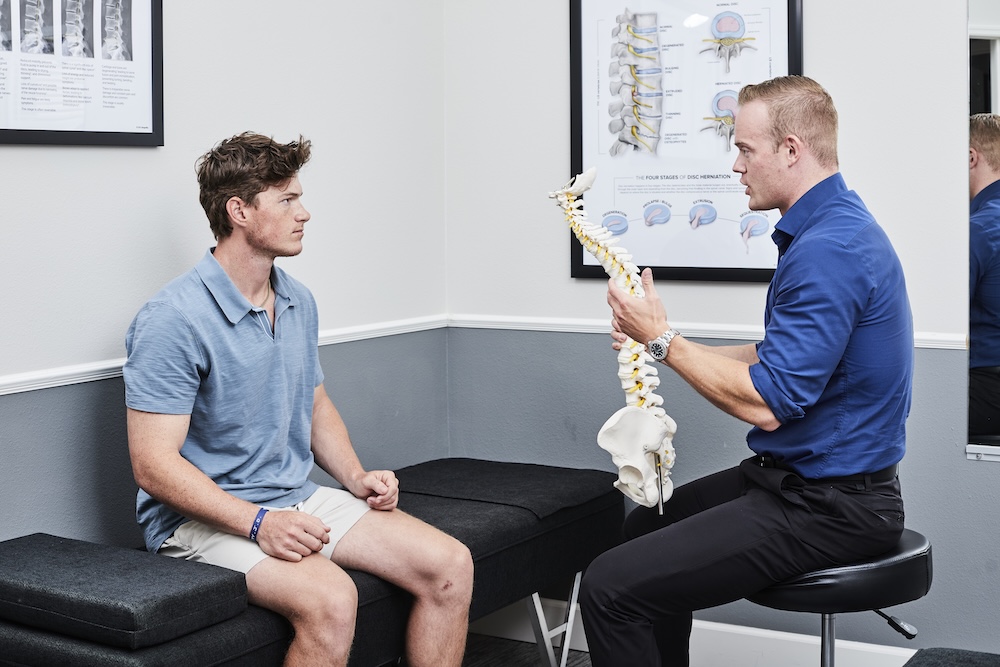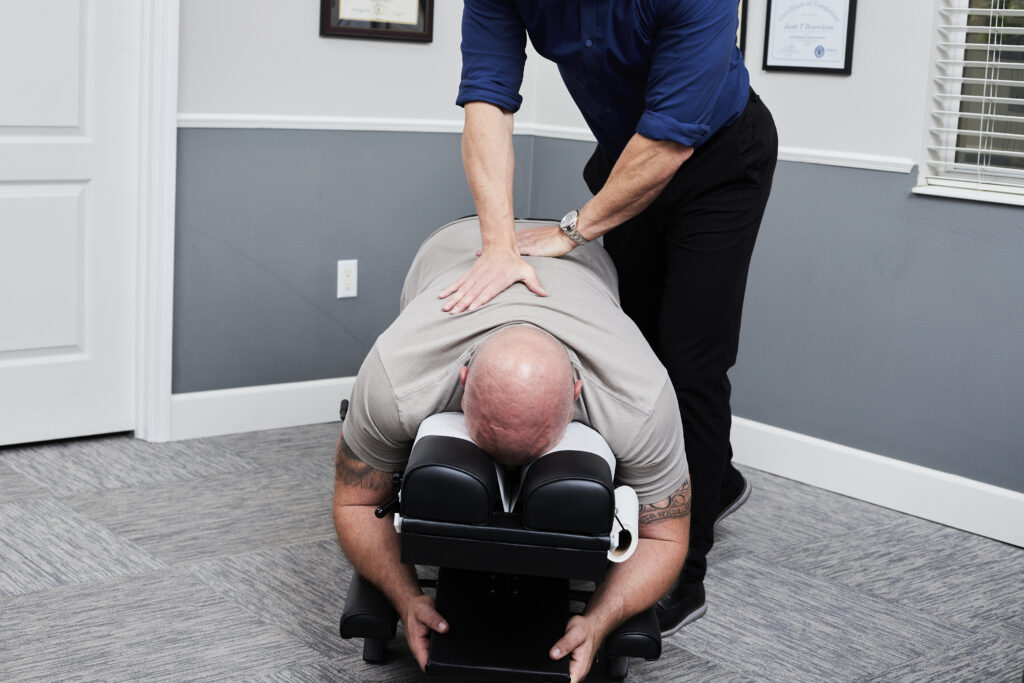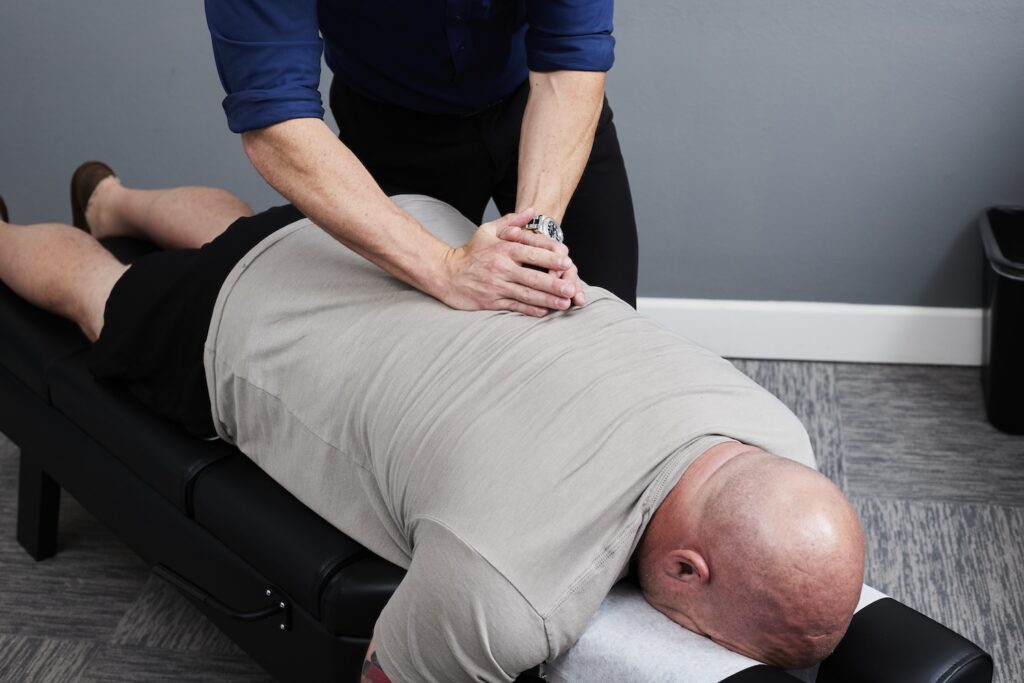

As a local chiropractor, I want to share some insights into how you can find relief from lower back pain using methods that may surprise you. Many people are unaware that effective relief can extend beyond conventional treatments.
You might be interested to learn about certain unconventional exercises that target the muscles supporting your spine, as well as unique dietary choices that can reduce inflammation and promote healing. Additionally, incorporating mindfulness practices into your routine can significantly enhance your recovery process.
Alternative therapies, such as acupuncture and massage, can also play a crucial role in easing discomfort and restoring balance to your body. If you’re curious about how these holistic approaches can transform your experience with lower back pain, let’s take a closer look together. Your journey to relief may be more comprehensive than you ever imagined!
Unconventional Exercises to Strengthen Your Back
As a local chiropractor, I want to emphasize the importance of not just traditional exercises but also incorporating unconventional movements to truly strengthen your back. Often, people think of standard workouts, but stepping outside that norm can provide significant benefits.
Consider activities like kettlebell swings or unique yoga poses such as the crow. These exercises engage your core and back in ways that typical movements might not, fostering both resilience and flexibility.
Another great addition to your routine is resistance bands. They offer variable resistance, which can challenge your muscles in different ways compared to conventional weights.
Swimming is also an excellent option; it’s gentle on the joints while effectively working your back muscles through a full range of motion.
Don’t overlook the value of daily activities either. Simple tasks like gardening or playing with your children can engage your back in beneficial ways.
The Power of Mindfulness and Meditation
As a local chiropractor, I want to share how mindfulness and meditation can play a vital role in your journey to managing lower back pain. Many of my patients find that by focusing on the present moment, they can significantly reduce the stress and tension that often exacerbate their discomfort.
When you practice mindfulness, you become more attuned to your body, which helps you recognize and address pain without judgment or fear.
Incorporating meditation into your daily routine can be incredibly beneficial. This practice not only promotes a sense of calm and relaxation but also helps redirect your focus away from pain, allowing for a more positive mindset.
I encourage you to set aside just a few minutes each day to sit quietly, take deep breaths, and visualize a pain-free back.
As you cultivate this mindfulness practice, you may notice that you’re better equipped to handle flare-ups when they occur.
It’s important to remember that mindfulness isn’t solely about alleviating pain; it’s about enhancing your overall well-being and quality of life.
By embracing these techniques, you can support your chiropractic care and take significant steps toward lasting relief.
Together, we can work towards a healthier, more balanced you!
Exploring Acupuncture for Pain Relief
Have you ever thought about how acupuncture might complement your journey toward managing lower back pain? As a local chiropractor, I often emphasize the importance of a holistic approach to healing.
Acupuncture, an ancient practice, involves the insertion of thin needles at specific points on the body to promote natural healing and alleviate pain. Many of my patients report that acupuncture significantly reduces tension in the muscles surrounding the lower back, which can lead to greater mobility and comfort.
During an acupuncture session, you might feel a slight pinch when the needles are inserted, but most people experience a soothing sensation soon after. This process helps stimulate your body’s endorphins, those natural pain relievers, which can be particularly beneficial in managing chronic discomfort.
Acupuncture can be an excellent complement to chiropractic care and other treatments, enhancing their overall effectiveness. If you’re looking for a natural, holistic approach to pain management, I encourage you to explore acupuncture as a viable option.
Just remember to consult with a qualified practitioner to ensure a safe and effective experience. You might just find that this alternative therapy is the key to the relief you’ve been seeking.
Benefits of Hot and Cold Therapy
As a local chiropractor, I want to share with you some effective techniques for managing pain that can complement your chiropractic care—specifically, hot and cold therapy. These methods are simple yet powerful tools in your pain relief toolkit.
Applying heat to areas like your lower back can significantly help by relaxing tense muscles, improving circulation, and reducing stiffness. A warm towel or heating pad can be especially soothing on those chilly evenings when discomfort tends to flare up.
On the other hand, cold therapy is great for numbing sharp pain and reducing inflammation. Using an ice pack or even a bag of frozen peas wrapped in a towel can provide quick relief after engaging in strenuous activities or if you’re experiencing acute pain.
For optimal results, I recommend alternating between hot and cold treatments. This approach not only enhances blood flow but also helps soothe discomfort effectively. Just remember to limit each application to about 15-20 minutes to prevent skin irritation.
Incorporating hot and cold therapy into your routine is easy, cost-effective, and can significantly improve your overall comfort. It’s a valuable addition to your pain management strategy, especially as you explore the benefits of chiropractic care and natural healing.
Nutritional Approaches to Lower Back Pain
As a local chiropractor, I want to emphasize the importance of diet in managing lower back pain. Many people may not realize that what you eat can significantly influence your discomfort.
By incorporating anti-inflammatory foods into your meals, staying properly hydrated, and maintaining a balanced intake of essential nutrients, you can support your body’s healing process and improve your overall well-being.
Let’s take a closer look at how these nutritional strategies can assist in your recovery from lower back pain and enhance your journey toward optimal health.
Anti-Inflammatory Foods
As a local chiropractor, I want to emphasize the importance of a holistic approach to managing lower back pain. While chiropractic care can help alleviate discomfort, integrating anti-inflammatory foods into your diet can significantly enhance your healing journey.
Incorporating foods rich in omega-3 fatty acids, such as salmon and walnuts, can help reduce inflammation in your body. It’s also essential to fill your plate with a variety of fruits and vegetables—think berries, spinach, and kale—because they’re loaded with antioxidants that support your overall health.
Whole grains like brown rice and quinoa are great options as well, providing the vital nutrients your body needs to heal effectively.
Additionally, don’t overlook the power of certain spices! Turmeric and ginger are well-known for their anti-inflammatory benefits and can easily be added to your meals.
By making these dietary adjustments, you can empower your body to combat pain more effectively and promote your overall well-being.
While eating well alone may not solve all your issues, it certainly plays a crucial role in your path toward relief and recovery.
Hydration Importance
As a local chiropractor, I want to emphasize the vital role that hydration plays in managing lower back pain, alongside a focus on anti-inflammatory foods. Many people may not realize that staying well-hydrated is crucial for maintaining the elasticity of your spinal discs.
These discs serve as the shock absorbers in your back, and when you’re dehydrated, they can lose their cushioning ability. This can increase your risk of experiencing pain and injuries.
Adequate water intake also supports the transport of essential nutrients throughout your body. This is important for ensuring that your muscles and tissues function optimally.
I recommend aiming for at least eight glasses of water a day, but don’t forget to adjust this based on your activity level and the climate you live in. If plain water doesn’t appeal to you, consider switching it up with herbal teas or infused water to make hydration more enjoyable.
Balanced Nutrient Intake
As a local chiropractor, I want to share some important insights on how a balanced nutrient intake can play a crucial role in managing lower back pain. Many patients may not realize that what we eat can significantly impact our body’s ability to heal and recover.
First and foremost, incorporating a variety of fruits and vegetables into your diet is essential. These foods are packed with vital vitamins and antioxidants that help reduce inflammation—a common contributor to back pain. Think of them as your body’s natural defense against discomfort.
Don’t overlook the importance of healthy fats, like those found in avocados and nuts. These fats promote joint health, which is vital for maintaining proper mobility and reducing pain.
Additionally, protein is a key player in your recovery journey. It helps repair muscles and build strength, which can be particularly beneficial if you’re experiencing back issues.
Consider adding omega-3 fatty acids to your diet. Foods such as fish and flaxseeds are rich in these healthy fats and have well-known anti-inflammatory properties. They can help soothe the inflammation that may be causing your pain.
It’s also important to ensure you’re getting enough calcium and vitamin D. These nutrients are critical for maintaining strong bones, which is essential for overall spinal health.
Lastly, I advise you to limit your intake of processed foods and sugars. These can lead to increased inflammation, which might hinder your recovery efforts. By nourishing your body with the right foods, you’ll not only support your healing process but also create a strong foundation for pain relief and improved well-being.
The Role of Sleep and Posture in Recovery
As a local chiropractor, I want to emphasize the importance of your sleep position when it comes to recovering from lower back pain.
The way you sleep can significantly influence your healing journey, so it’s essential to discover the position that works best for you.
In addition, practicing good ergonomic posture throughout your daily activities can help reduce strain on your back.
By paying attention to these factors, you can support your body’s natural healing process and enhance your overall well-being.
Let’s delve into how proper sleep and posture can aid in your recovery.
Sleep Position Matters
As a chiropractor, I often emphasize the importance of sleep position in recovering from lower back pain. The way you sleep can significantly influence your comfort levels and healing process.
For those of you who typically sleep on your back, I recommend placing a pillow under your knees. This simple adjustment helps maintain the natural curve of your spine, providing better support.
If you find yourself sleeping on your side, placing a pillow between your knees can be beneficial. This technique helps keep your hips aligned, reducing strain on your back.
On the other hand, if you tend to sleep on your stomach, I encourage you to consider changing your position. Sleeping on your stomach can create unnecessary pressure on your spine, which may hinder your recovery.
It’s crucial to remember that the right sleep position not only assists in alleviating pain but also promotes better overall posture.
Ergonomic Posture Tips
As a chiropractor, I want to emphasize the importance of proper sleep position as a key factor in establishing good posture when you’re awake. A restful night’s sleep sets you up to wake up feeling rejuvenated, which makes it much easier to maintain an ergonomic posture throughout your daily activities.
When you’re sitting, it’s essential to align your head, neck, and spine. Make sure your feet are flat on the floor and adjust your chair height so that your knees form a right angle. If you spend a lot of time at a desk, I recommend using a chair that provides good lumbar support to help maintain the natural curve of your lower back.
Don’t forget the significance of taking breaks—stand up, stretch, and regularly check your posture.
When standing, try to distribute your weight evenly across both feet and avoid locking your knees, as this can create unnecessary strain on your body.
By practicing these ergonomic tips, you can significantly reduce strain on your lower back, which promotes better recovery and enhances your overall comfort.
Conclusion
As a local chiropractor, I want to share some surprising methods that can significantly aid in relieving lower back pain. Many of my patients are often unaware of the benefits of incorporating unconventional exercises into their routines. These exercises, combined with mindfulness practices, can help you connect with your body and alleviate discomfort.
Additionally, exploring therapies like acupuncture can offer relief by targeting specific pain points and promoting healing. Another effective strategy is utilizing hot and cold therapy, which can soothe inflammation and improve circulation in the affected areas.
It’s also crucial to consider how nutrition and your sleep posture play vital roles in your recovery process. A balanced diet can support your body’s healing capabilities, while proper sleep positions can prevent further strain on your back.
By adopting this holistic approach to your health, you’re not just tackling pain; you’re enhancing your overall well-being and mobility. Together, we can work towards a healthier future free from discomfort.