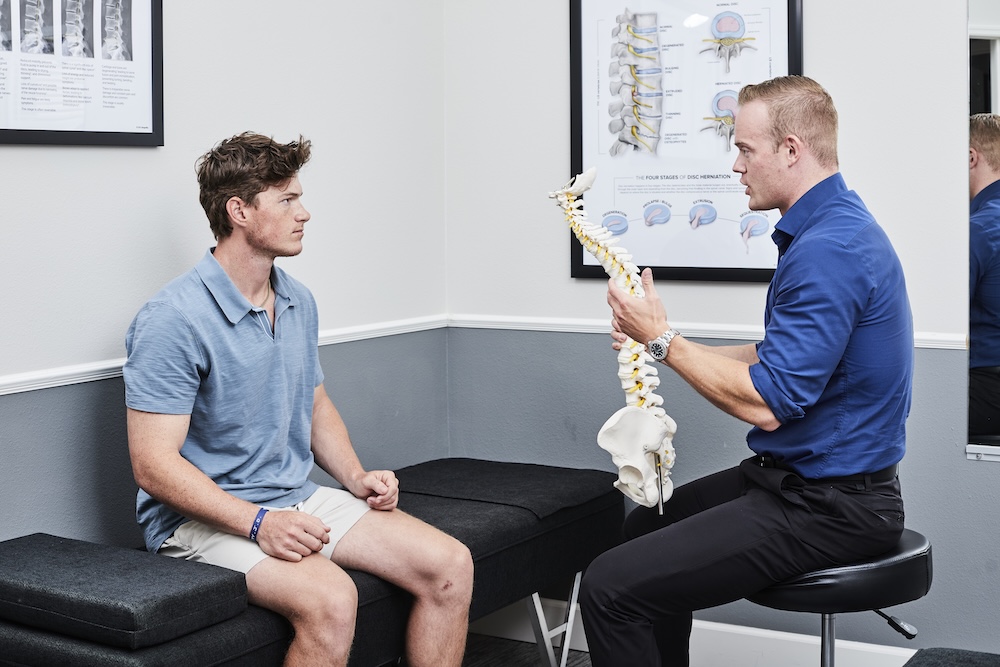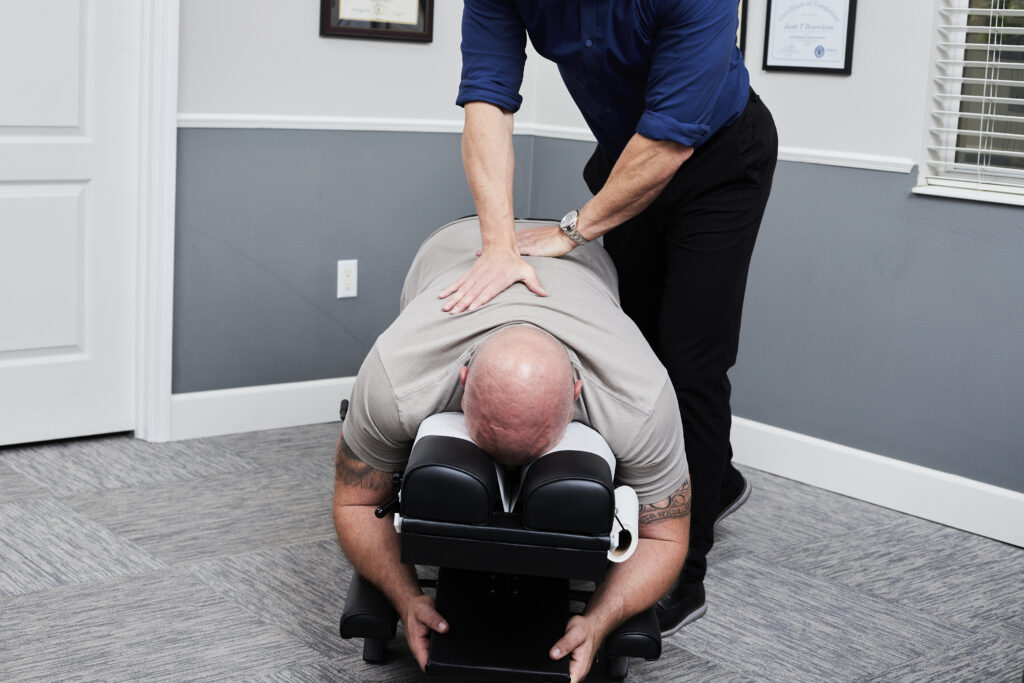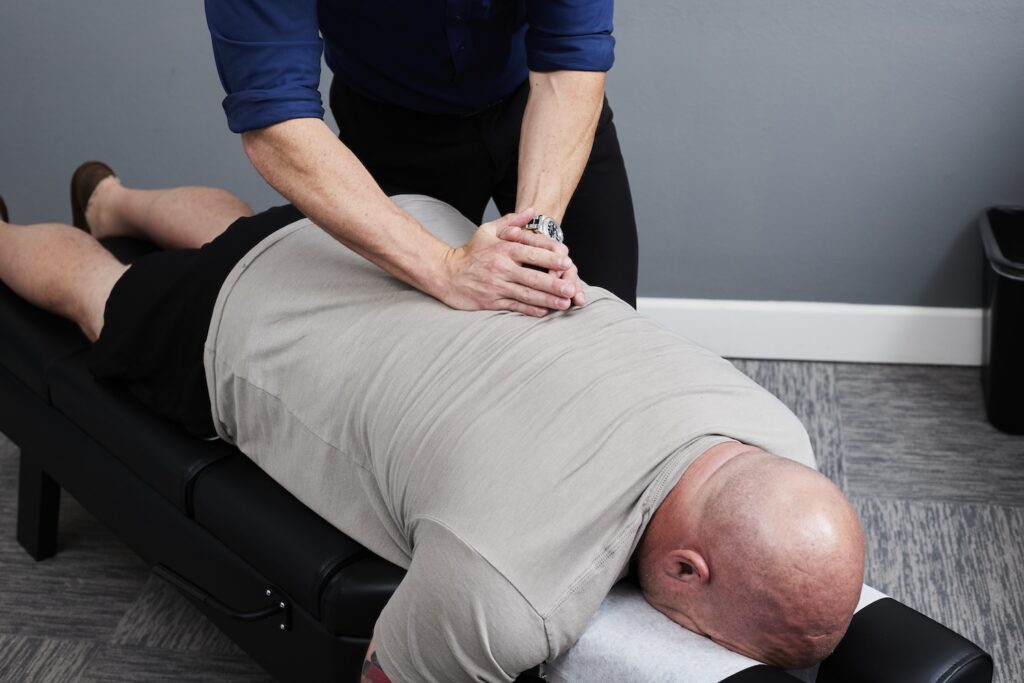

Migraines and cervical pain can significantly impact your daily life, making it vital to explore effective relief strategies. One of the most important steps towards alleviating these issues is identifying your unique triggers. Chiropractic care offers a holistic approach to managing pain, focusing on aligning your spine and improving overall body function, which can lead to a reduction in migraine frequency and intensity as well as relief from cervical discomfort.
In addition to regular chiropractic adjustments, there are several lifestyle changes and natural remedies that can enhance your well-being. Simple adjustments like maintaining good posture, staying hydrated, and incorporating gentle stretching or yoga into your routine can make a big difference. You might be surprised at how small shifts in your daily habits can lead to significant improvements in your comfort.
Here are some practical techniques to consider:
- Regular Chiropractic Visits: Consistent adjustments can help maintain spinal alignment, reduce tension in the neck, and ultimately minimize migraine occurrences.
- Stay Hydrated: Dehydration is a common trigger for migraines. Make sure you’re drinking plenty of water throughout the day.
- Mind Your Posture: Poor posture can lead to cervical pain and tension headaches. Be mindful of your posture when sitting or standing, and take breaks to stretch if you’re working at a desk.
- Incorporate Relaxation Techniques: Activities like meditation, deep breathing exercises, or gentle yoga can help reduce stress, which is often a trigger for migraines.
- Adequate Sleep: Ensuring you get enough restful sleep each night can help your body heal and reduce the frequency of migraines.
- Dietary Considerations: Keep a food diary to identify any potential food triggers for your migraines. A balanced diet rich in whole foods can support overall health.
By focusing on these strategies and prioritizing chiropractic care, you are taking a proactive step towards achieving optimal health and well-being. Remember, small adjustments can lead to significant improvements in your quality of life. If you’re struggling with migraines or cervical pain, consider reaching out to a chiropractor who can guide you on your journey to natural healing and wellness.
Key Takeaways
Relief Strategies for Migraines and Cervical Pain: A Chiropractic Approach
As a local chiropractor, I understand how challenging migraines and cervical pain can be. Fortunately, there are natural strategies that can help you find relief and promote overall wellness without the need for medications or invasive procedures. Here are some practical tips you can easily incorporate into your daily routine:
- Establish a Consistent Sleep Schedule: Prioritize good sleep hygiene by going to bed and waking up at the same time each day. Quality rest can help reduce the frequency and intensity of migraines while also relieving tension in the neck.
- Stay Hydrated: Drinking plenty of water throughout the day is essential. Dehydration can trigger migraines and lead to increased neck discomfort, so make hydration a priority.
- Gentle Neck Stretches and Strengthening Exercises: Incorporating simple neck stretches and exercises can ease tension in your neck muscles and improve spinal alignment. Regular chiropractic adjustments can also enhance your spinal support, reducing pain over time.
- Heat and Cold Therapy: Applying a warm compress to your neck can help relax tight muscles, while cold packs on your forehead may reduce migraine pain. Alternating between heat and cold can provide soothing relief.
- Mindfulness and Stress Management: Practicing mindfulness techniques, such as yoga and meditation, can significantly reduce stress levels. Since stress is a major contributor to migraines, these practices can be incredibly beneficial for both your mental and physical health.
- Keep a Migraine Journal: Tracking your migraines in a journal can help you identify potential triggers and patterns. This information can be invaluable in working with your chiropractor to develop a personalized care plan aimed at minimizing future episodes.
- Chiropractic Care: Regular visits to a chiropractor can help address the underlying issues related to migraines and cervical pain. Through spinal adjustments and targeted therapies, chiropractic care promotes healing, enhances mobility, and supports your body’s natural ability to function optimally.
By embracing these natural strategies, you can take an active role in managing your health and well-being. Remember, chiropractic care is a powerful ally on your journey to relief and optimal health!
Understanding Migraines and Cervical Pain
Understanding how migraines and cervical pain are connected is crucial for effective symptom management. Migraines often stem from a mix of neurological and physical factors, and cervical pain can make these headaches worse. When your neck muscles tighten or are strained, they can trigger or intensify migraine episodes.
Your cervical spine contains vital nerves that communicate with your head, so any tension or irritation in this area can be significant. Factors like poor posture, stress, or injuries can lead to neck discomfort, potentially setting off a migraine.
Recognizing this link is essential for your health and wellness journey. By focusing on alleviating neck pain, you may reduce the frequency or intensity of your migraines. Here are some simple tips to help you manage both conditions:
- Incorporate Neck Stretches: Gentle stretches can ease tension in your neck. Try tilting your head from side to side and forward to back to promote flexibility.
- Practice Good Posture: Pay attention to your posture, especially when sitting at a desk or using your phone. Keeping your head aligned with your spine can help reduce strain on your neck.
- Utilize Ergonomic Adjustments: Ensure your workspace is set up to support proper posture. Use a chair with good lumbar support and keep your computer screen at eye level.
- Explore Relaxation Techniques: Techniques such as deep breathing, meditation, or yoga can help alleviate stress, which may contribute to both neck pain and migraines.
- Consider Chiropractic Care: Regular chiropractic adjustments can help align your spine, relieve tension, and promote overall wellness. A chiropractor can provide personalized care tailored to your needs.
By being aware of the connections between neck pain and migraines and taking proactive steps, you can improve your quality of life. Chiropractic care is a natural and effective way to achieve pain relief and enhance your overall health.
Take control of your wellness journey today!
Identifying Triggers and Symptoms
To effectively manage your migraines, it’s crucial to identify your triggers and symptoms. By paying attention to your body, you may notice specific patterns or lifestyle factors that lead to migraine attacks, such as stress, certain foods, or changes in your environment. Understanding these elements can empower you to take proactive steps to minimize their impact on your daily life.
Chiropractic care can play a vital role in this process. Misalignments in the spine can contribute to increased tension and stress, which are common triggers for migraines. Regular chiropractic adjustments can help restore proper alignment, reduce tension, and promote relaxation, potentially decreasing the frequency and severity of your migraines.
In addition to chiropractic care, here are some general tips to help you manage your migraines naturally:
- Keep a Migraine Journal: Track when your migraines occur, their intensity, and any potential triggers. This can help you identify patterns and make informed decisions about your lifestyle.
- Stay Hydrated: Dehydration can be a significant trigger for migraines. Aim to drink plenty of water throughout the day to keep your body hydrated.
- Practice Stress Management: Engage in relaxation techniques such as yoga, meditation, or deep breathing exercises. These practices can help reduce stress levels, which may lessen the likelihood of a migraine.
- Maintain a Regular Sleep Schedule: Aim for consistent sleep patterns by going to bed and waking up at the same time each day. Quality sleep is essential for overall wellness and can help reduce migraine frequency.
- Eat Balanced Meals: Pay attention to your diet and try to eat regular, balanced meals. Avoiding known trigger foods can also help you manage symptoms more effectively.
By incorporating these practices and embracing the benefits of chiropractic care, you can take significant steps toward achieving optimal health and reducing migraine occurrences naturally.
Common Migraine Triggers
Understanding common migraine triggers is crucial for managing your headaches effectively, and as a chiropractor, I believe that natural healing and wellness practices can significantly help in reducing their frequency and intensity. For many individuals, specific foods such as aged cheeses, chocolate, and processed meats can initiate a migraine attack. It’s important to maintain a consistent eating schedule, as skipping meals or fasting can also lead to headaches.
Environmental factors, including bright lights, strong odors, and loud noises, may trigger migraine episodes as well. Stress and anxiety are often significant contributors to migraines, so incorporating relaxation techniques, such as deep breathing or gentle stretching, can be beneficial. Additionally, hormonal changes, especially in women, can play a role in the onset of migraines.
Being mindful of your daily habits and surroundings is key. Consider keeping a migraine diary to track what you eat, your stress levels, and any environmental factors that might contribute to your headaches. This can help you identify patterns and triggers more clearly.
Chiropractic care can be an excellent choice for addressing headaches and migraines. By focusing on spinal alignment and overall wellness, chiropractic adjustments can help reduce tension, improve circulation, and enhance your body’s natural ability to heal. Regular visits to a chiropractor can provide ongoing support in managing migraines and promoting a healthier lifestyle.
Cervical Pain Symptoms
Migraines can often come hand-in-hand with cervical pain, making it crucial to recognize the signs that might indicate an underlying issue. If you’re experiencing neck stiffness, this can limit your range of motion and lead to discomfort.
Pay attention if you notice pain radiating from your neck to your shoulders or if headaches feel like they’re stemming from your cervical spine. Tingling or numbness in your arms could also be a signal of cervical-related issues.
Headaches that worsen with neck movement or prolonged sitting may suggest a connection to cervical pain. It’s important to listen to your body and identify these symptoms early, as they can guide you toward effective relief strategies.
Chiropractic care is a natural and holistic approach that can help address both your migraines and cervical discomfort.
Here are some general tips for managing cervical pain and migraines:
- Good Posture: Maintain proper posture while sitting and standing to reduce strain on your neck and spine.
- Stretching: Gentle neck stretches can alleviate tension and improve flexibility.
- Hydration: Staying hydrated is essential for overall health and can help prevent headaches.
- Regular Chiropractic Adjustments: Regular visits to a chiropractor can help align your spine, reduce pain, and promote better overall wellness.
- Stress Management: Incorporate relaxation techniques such as deep breathing, meditation, or yoga to reduce stress, which can trigger migraines.
Don’t ignore these signs—understanding them can lead to better management of your pain. By choosing chiropractic care, you can embark on a journey toward natural healing and optimal health.
Lifestyle Impact Assessment
Understanding how your lifestyle impacts your migraines is crucial for effective management and prevention. One of the best ways to start is by keeping a migraine diary. Document when your headaches occur, along with details about your activities, diet, sleep habits, and stress levels. This practice can help you discover patterns and potential triggers.
Common triggers for migraines include certain foods, dehydration, irregular sleep, and high-stress levels. By identifying these triggers, you can work to avoid them. Additionally, pay attention to your posture and daily habits, as poor ergonomics can contribute to cervical pain and migraines.
Chiropractic care plays a significant role in promoting spinal health and alleviating pain naturally. Regular adjustments can help improve your posture, reduce tension, and enhance overall well-being.
To support migraine management, prioritize self-care by maintaining a balanced diet, staying hydrated, and ensuring you get regular, restorative sleep. Incorporating chiropractic adjustments into your wellness routine can greatly reduce the frequency and intensity of migraine episodes.
By evaluating your lifestyle and making necessary adjustments, alongside chiropractic care, you can move towards achieving optimal health and finding relief from migraines naturally.
Lifestyle Changes for Pain Management
While you may not be able to control every trigger of a migraine, making specific lifestyle changes alongside chiropractic care can greatly enhance your pain management. One of the first steps you should take is to establish a consistent sleep schedule. Aim for 7-9 hours of restful sleep each night; irregular sleep patterns can lead to migraine flare-ups.
Next, let’s talk about your diet. Regular meals and staying well-hydrated are crucial. Consider keeping a food diary to help pinpoint any potential food triggers that may be affecting your well-being. You’ll be surprised at how certain foods can impact your body!
Incorporating regular physical activity into your daily routine is also vital. Aim for at least 30 minutes of moderate exercise most days. Activities such as walking, swimming, or cycling not only help with stress reduction but also promote overall wellness, which can be supported by chiropractic adjustments.
Speaking of stress, it’s essential to manage it effectively. Techniques like yoga or mindfulness practices can be beneficial. These methods, combined with regular chiropractic care, can help you maintain a balanced state of mind and body.
Lastly, be mindful of your caffeine and alcohol consumption, as these can worsen your symptoms. By making these lifestyle changes and incorporating chiropractic care into your routine, you can take proactive steps toward managing your migraines and cervical pain more effectively, all while promoting natural healing and optimal health.
Natural Remedies and Alternative Therapies
Have you thought about using natural remedies and alternative therapies to help manage your migraine pain? As a chiropractor, I believe that chiropractic care can be a powerful approach to achieving optimal health and pain relief. Many patients find that regular chiropractic adjustments can reduce tension in the neck and improve spinal alignment, which may help alleviate migraine symptoms.
In addition to chiropractic care, you might consider incorporating mindfulness practices like yoga and meditation. These techniques can help reduce stress, a common trigger for migraines.
Another simple yet effective method is to explore the use of heat and cold therapy. Applying a cold pack to your forehead or a warm compress to your neck can provide immediate relief from discomfort.
While some people find essential oils like peppermint or lavender soothing when inhaled or applied to the skin, always remember to use these alongside your chiropractic care for the best results.
It’s also worth discussing herbal supplements, such as feverfew and butterbur, with your healthcare provider to see if they align with your holistic wellness plan.
Chiropractic adjustments not only address spinal health but also enhance your overall well-being, providing a natural path to managing migraine symptoms.
The Role of Diet and Hydration
When managing migraines, paying attention to your diet and hydration can make a significant difference in your overall health and wellness. As a chiropractor, I often see how lifestyle factors can impact our bodies, including the spine and nervous system, which are crucial in managing pain.
Certain foods can trigger migraine attacks, so it’s essential to identify and avoid them. Common culprits include aged cheeses, processed meats, and artificial sweeteners. Instead, focus on a balanced diet rich in fruits, vegetables, whole grains, and healthy fats. These nutrient-dense foods can help reduce inflammation in the body, which is essential for maintaining optimal health and well-being.
Hydration is equally important when it comes to preventing migraines. Dehydration can easily trigger a migraine, so aim to drink plenty of water throughout the day. Keeping a water bottle handy is a great way to remind yourself to sip regularly. Herbal teas can also be beneficial; they provide hydration and can have soothing effects on the body.
Additionally, consider keeping a food diary to track your diet and hydration levels alongside your migraine occurrences. This practice can help you identify patterns and make informed adjustments to your routine. By understanding how your diet and hydration affect your migraines, you can take proactive steps toward relief.
Remember, chiropractic care can also play a vital role in managing migraines and promoting overall health. Regular adjustments can help keep your spine aligned, which supports your nervous system and helps your body function at its best.
Physical Therapy and Exercise
Incorporating chiropractic care, along with physical therapy and exercise, into your daily routine can significantly enhance your approach to managing migraines. By focusing on spinal health and incorporating gentle movements and stretches, you can alleviate tension in your neck and shoulders—common culprits behind migraine triggers.
Here are some effective practices to consider:
- Gentle neck stretches: These can help relieve tightness and improve flexibility, reducing pain and discomfort associated with migraines.
- Strengthening exercises: Building the muscles that support your spine can help maintain proper posture, which is essential for preventing migraines.
- Low-impact aerobic activities: Engaging in activities like walking or cycling boosts blood flow and releases endorphins, naturally enhancing your mood and overall well-being.
- Mindfulness practices like yoga: These promote relaxation and can significantly reduce stress levels, a known trigger for migraines.
By regularly incorporating chiropractic care and these activities into your lifestyle, you can create a strong foundation for managing your migraines effectively.
A chiropractor can help you develop a personalized program that addresses your specific needs, ensuring you get the most out of your journey toward relief.
Remember, consistency is key! By making chiropractic care and holistic practices a part of your routine, you can experience long-term benefits for your migraine relief and overall health.
Prioritize your well-being naturally—your body will thank you!
Over-the-Counter and Prescription Medications
Managing migraines can be quite a challenge, but there are natural approaches that can help provide relief without the reliance on medications. As a chiropractor, I believe that chiropractic care is an excellent option for addressing the root causes of migraines and promoting overall wellness.
Chiropractic adjustments can help align the spine, reducing tension in the neck and shoulders, which may be contributing to your migraine pain. Many patients experience significant relief after receiving chiropractic treatment, as it focuses on restoring your body’s natural balance and function.
In addition to chiropractic care, here are some tips that may help you manage migraines more effectively:
- Stay Hydrated: Dehydration can trigger migraines, so make sure to drink plenty of water throughout the day.
- Maintain a Regular Sleep Schedule: Try to go to bed and wake up at the same time every day to help regulate your body’s internal clock.
- Manage Stress: Incorporate stress-reducing techniques such as deep breathing, yoga, or meditation into your daily routine.
- Keep a Food Diary: Certain foods may trigger migraines for some people. Keeping track of what you eat can help identify potential culprits.
- Regular Exercise: Engaging in regular physical activity can help reduce the frequency and severity of migraines.
- Limit Screen Time: Prolonged exposure to screens can strain your eyes and lead to headaches. Take regular breaks to rest your eyes.
- Consider Natural Supplements: Some patients find relief with natural supplements like magnesium or riboflavin, but be sure to discuss this with your healthcare provider.
Mindfulness and Stress Reduction Techniques
When you experience a migraine, it’s important to remember that incorporating mindfulness and stress reduction techniques can significantly enhance your comfort and well-being.
As a chiropractor, I often emphasize the connection between the spine, nervous system, and overall health. By addressing any spinal misalignments, we can promote better nerve function and potentially reduce the frequency and intensity of migraines.
Simple breathing exercises are a fantastic way to calm your mind and alleviate tension in your body. Focus on deep, slow breaths, inhaling through your nose and exhaling through your mouth. This practice not only helps you relax but also encourages better oxygen flow to your brain and body.
Additionally, guided imagery practices can be beneficial. Take a moment to visualize a peaceful place you love—perhaps a serene beach or a tranquil forest. This mental escape can ease discomfort and help shift your focus away from the pain.
Remember, regular chiropractic adjustments can help maintain proper spinal alignment, which may reduce the occurrence of migraines. Maintaining a healthy spine supports your nervous system and promotes overall wellness.
Incorporating these mindfulness techniques along with consistent chiropractic care can empower you to manage migraines more effectively.
If you’re looking for natural ways to improve your health and alleviate pain, consider scheduling an appointment to discuss how chiropractic care can support your journey to wellness.
Breathing Exercises Benefits
Breathing exercises are a fantastic tool to boost your mindfulness and alleviate stress, especially for those who experience migraines. By concentrating on your breath, you can create a soothing effect that helps ease tension in your body. These exercises do more than just promote relaxation; they also enhance your mental clarity, which is essential for overall well-being.
Here are some key benefits of incorporating breathing exercises into your routine:
- Increased oxygen flow: When you focus on your breathing, you allow more oxygen to enter your body, energizing you and improving your overall vitality.
- Decreased heart rate: As you practice deep breathing, you may notice your heart rate slowing down, which can lead to a greater sense of calm and relaxation.
- Enhanced focus: By clearing your mind and concentrating on your breath, distractions can fade away, allowing you to think more clearly and stay present.
- Reduced muscle tension: Deep breathing helps to release tightness in areas of your body, such as your shoulders and neck, promoting a sense of physical ease.
Incorporating these simple breathing techniques into your daily routine can significantly enhance your well-being and help manage migraine triggers.
Remember, chiropractic care complements these practices by addressing spinal alignment and overall body function, which can further support your journey to optimal health.
To get started, try setting aside a few minutes each day to focus on your breath. Find a comfortable position, close your eyes, and take slow, deep breaths. Inhale through your nose, allowing your abdomen to expand, and exhale through your mouth, releasing any tension.
As you practice regularly, you may find that both your body and mind feel more relaxed and balanced.
Guided Imagery Practices
Guided imagery practices can be a valuable tool for those seeking relaxation and stress relief, especially when it comes to managing pain. As a chiropractor, I believe in the power of holistic approaches to health and wellness, and guided imagery offers a way to tap into your mind’s potential for healing.
To get started, find a comfortable spot where you can sit or lie down without interruptions. Close your eyes and take a few deep breaths—this helps to settle your mind and body.
Now, visualize a peaceful scene that resonates with you, like a tranquil beach or a serene forest. Engage all your senses: imagine the warmth of the sun on your skin, the sound of gentle waves, or the rustle of leaves in a soft breeze.
As you immerse yourself in this calming imagery, allow any tension or discomfort to fade away. This practice can complement your chiropractic care by enhancing your overall relaxation and helping to alleviate pain, including migraines and cervical discomfort.
Remember, regular practice will make it easier to access this calming state whenever you need it.
In addition to guided imagery, maintaining good posture, staying active, and incorporating gentle stretches into your daily routine can further support your spinal health.
Chiropractic care focuses on natural healing and can be an effective way to achieve optimal wellness without the need for medications or surgeries. By prioritizing these practices, you can take charge of your health and find relief in a safe and natural way.
When to Seek Professional Help
How can you tell if your migraines require professional intervention? Recognizing when to seek help is essential for managing your pain effectively and enhancing your overall well-being. If you experience any of the following symptoms, it’s important to consult a healthcare professional, particularly a chiropractor who specializes in natural healing and wellness:
- Frequent attacks that disrupt your daily life, making it hard to work or enjoy activities. Regular chiropractic adjustments can help reduce the frequency and severity of migraines by addressing spinal misalignments that may contribute to your pain.
- Severe pain that feels different from your usual migraines, potentially signaling an underlying issue. Chiropractic care focuses on identifying and treating the root cause of your pain, offering a holistic approach to wellness.
- Neurological symptoms, like vision changes, difficulty speaking, or weakness in limbs, which may indicate a more serious condition. While these symptoms should always be evaluated, chiropractic care can support nervous system function and promote better communication within your body.
- Increased intensity or duration of migraines despite trying various home remedies. If your current strategies aren’t working, a chiropractor can provide tailored treatments, including spinal adjustments and lifestyle advice, to help manage your migraines more effectively.
In addition to seeking chiropractic care, here are some general tips to help alleviate migraine symptoms and promote healthier living:
- Maintain a regular sleep schedule to ensure your body gets the rest it needs.
- Stay hydrated by drinking plenty of water throughout the day.
- Incorporate relaxation techniques such as deep breathing, meditation, or yoga to manage stress, which can trigger migraines.
- Keep a food diary to identify any potential dietary triggers and make adjustments accordingly.
Conclusion
Incorporating chiropractic care into your routine can significantly improve the management of migraines and cervical pain. By working with a chiropractor, you can identify spinal misalignments that may be contributing to your discomfort. Chiropractic adjustments help restore proper alignment to your spine, which can alleviate pain and improve overall health.
In addition to chiropractic adjustments, consider making lifestyle changes that support your well-being. Maintaining good posture, engaging in regular physical activity, and practicing stress-reducing techniques like mindfulness can all contribute to better spinal health. Staying hydrated is also crucial, as proper hydration can help prevent headaches and keep your body functioning optimally.
Exploring natural remedies, such as gentle stretching and heat therapy, can provide additional relief. Remember, you don’t have to navigate this journey alone. If your symptoms persist or worsen, visiting a chiropractor can help you find effective, drug-free relief.
Your path to optimal health is within reach, and chiropractic care is a powerful tool in achieving it. Embrace these strategies, and take control of your health today!