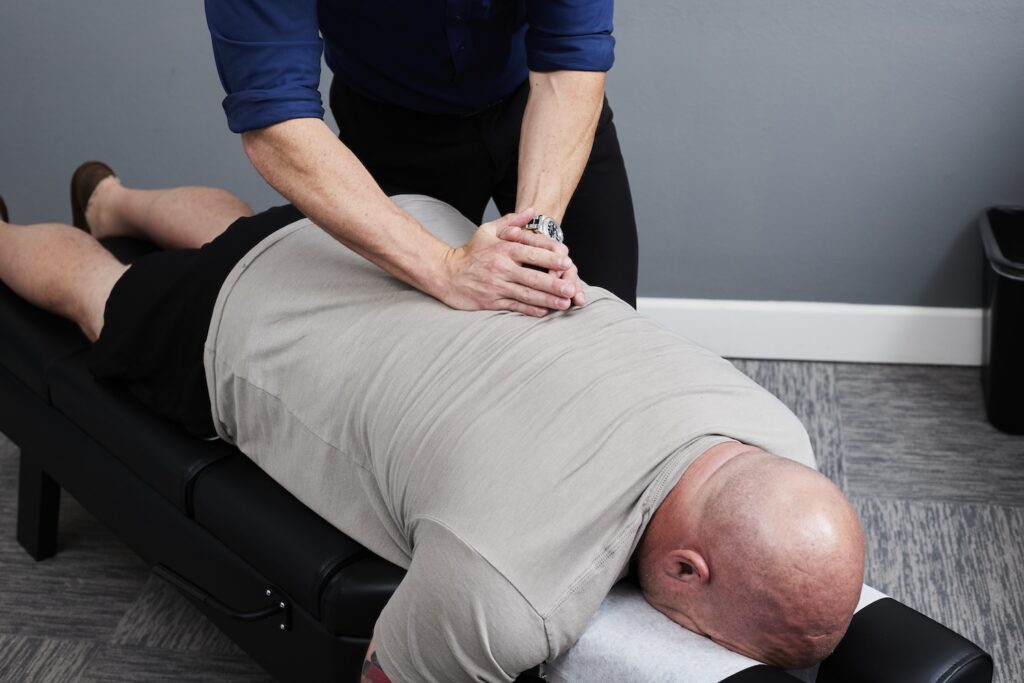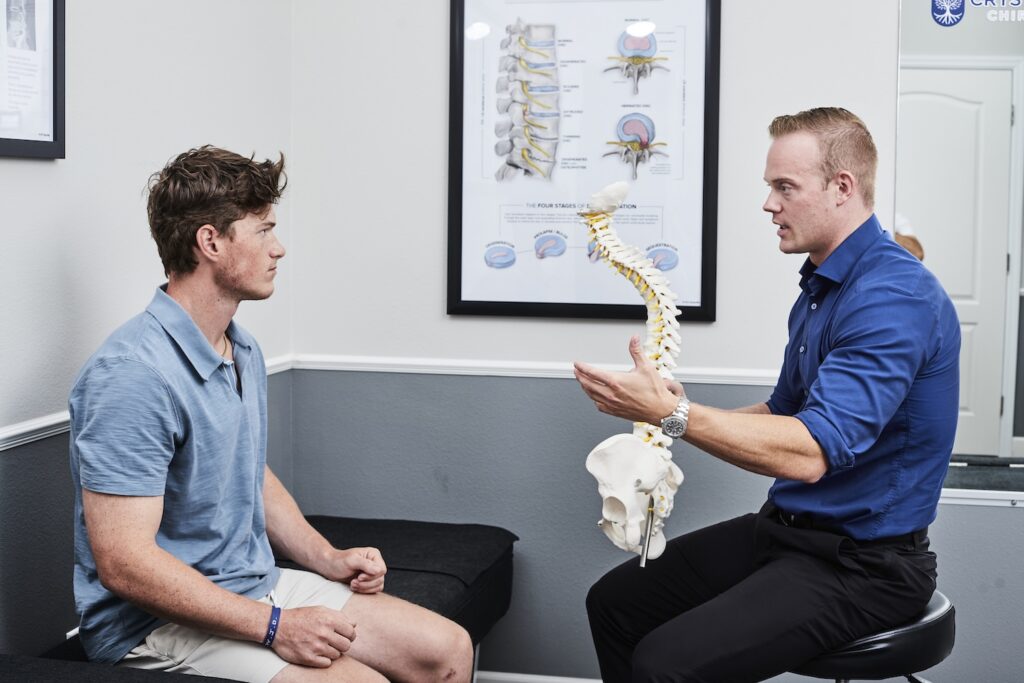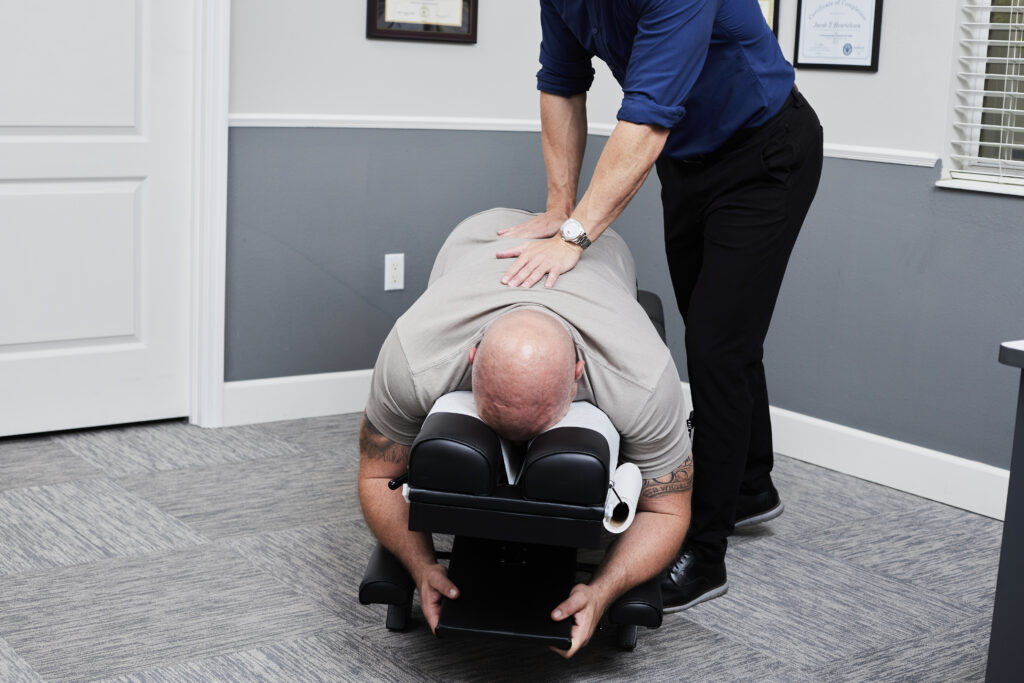

As a local chiropractor, I understand that chronic migraines can be incredibly debilitating. If you're experiencing them, you're not alone, and I'm here to help you navigate through it. One of the first steps is identifying your migraine triggers, which can be a key part of your relief strategy.
In our practice, we focus on holistic approaches that encompass lifestyle changes and dietary adjustments. These can significantly impact your overall well-being and reduce migraine occurrences. Additionally, I encourage exploring alternative therapies, such as chiropractic care, which can help align your spine and alleviate tension that may contribute to your migraines.
Stress management is another crucial aspect to consider. By incorporating techniques such as relaxation exercises or mindfulness into your routine, you may notice a decrease in both the frequency and intensity of your headaches.
So, what specific strategies and techniques can we incorporate into your daily life to make a meaningful difference? Let's work together to create a personalized plan that addresses your unique needs and empowers you to take control of your migraines.
Understanding Chronic Migraines
As a local chiropractor, I want to shed light on chronic migraines and how they can impact your life. These migraines often feel like an unwelcome presence that lingers, causing persistent disruption to your daily activities and overall well-being. If you're experiencing headaches more than 15 days a month, it's crucial to understand that you're dealing with a complex neurological condition that requires attention.
Chronic migraines go beyond just severe pain; they can also involve a range of symptoms such as nausea, and heightened sensitivity to light and sound. You might feel a throbbing or pulsating sensation, often on one side of your head, though both sides can be affected as well. Identifying these patterns is essential in recognizing the seriousness of your condition and seeking appropriate care.
The intensity and duration of chronic migraines can vary significantly. Some episodes may last just a few hours, while others can extend over several days. This variability can make even simple tasks seem daunting when you're in the midst of a migraine.
Additionally, fatigue and mood fluctuations are often intertwined with these headaches, complicating your daily life even further.
It's important to understand that chronic migraines can develop from episodic migraines, which are less frequent. Various factors, such as hormonal changes, sleep disturbances, and stress, may contribute to their onset. Knowing that many individuals share this experience can help you feel less isolated in your struggle.
As a chiropractor, I believe in the power of natural healing and holistic approaches to managing migraines. Chiropractic care can help address underlying issues related to spinal alignment and nervous system function, potentially providing relief from migraine symptoms.
If you're seeking ways to alleviate the burden of chronic migraines, I encourage you to explore chiropractic treatments as part of your journey toward wellness.
Identifying Triggers
As a local chiropractor, I want to help you understand how identifying your migraine triggers can significantly improve your well-being and pain management. Each individual has their own set of triggers, and uncovering them is a crucial step toward taking charge of your health.
One effective method to pinpoint these triggers is by maintaining a detailed migraine diary. In this diary, record the date, time, intensity, and duration of each migraine episode, along with any activities, foods, or stressors that preceded them. Over time, you'll likely notice patterns that can reveal specific triggers.
Common triggers you might encounter include certain foods, weather changes, hormonal shifts, stress levels, and sleep disturbances. For example, some people find that aged cheese, chocolate, or caffeine can trigger a migraine, while others may be sensitive to strong odors or bright lighting. By paying attention to these patterns and documenting them in your diary, you can begin to see what might be contributing to your migraines.
It's also essential to consider your lifestyle habits. Did you skip a meal? Did you get less sleep than usual? Are you experiencing heightened stress or anxiety? These factors can exacerbate your migraines, so being conscious of them is key to effective management.
Once you've identified your triggers, you can take proactive steps to minimize their impact. If you notice that certain foods consistently lead to migraines, consider avoiding them. If stress is a contributing factor, I encourage you to explore relaxation techniques or stress management strategies.
Remember, the goal is to discover what works best for you and to make informed decisions that can help reduce the frequency and intensity of your migraines. By taking these steps, you can empower yourself to regain control and enhance your quality of life.
As your chiropractor, I'm here to support you on this journey toward natural healing and improved health. Don't hesitate to reach out if you have questions or need guidance on managing your migraines effectively.
Lifestyle Modifications
As a local chiropractor dedicated to helping my patients find relief from chronic migraines, I want to share how lifestyle modifications can play a crucial role in your journey to better health. By making simple adjustments to your diet, managing stress levels, and enhancing your sleep hygiene, you can create a more balanced environment for your body, which may help alleviate the frequency and severity of your migraines.
Understanding how these factors influence your well-being can be transformative. For instance, certain foods might trigger your migraines, so identifying and avoiding them can be beneficial.
Additionally, incorporating stress management techniques, such as mindfulness or gentle exercises, can help reduce tension that often contributes to migraine episodes.
Improving your sleep hygiene is another vital aspect to consider. Establishing a regular sleep schedule and creating a calming bedtime routine can enhance the quality of your rest, which is essential for overall health and migraine management.
Together, we can explore these strategies further and find a personalized approach that works for you.
Remember, chiropractic care is about more than just adjustments; it encompasses a holistic view of your health, and these lifestyle changes can significantly complement your treatment plan.
Let's work together to help you feel your best!
#
Dietary Changes
Impact Migraines
As a local chiropractor, I want to share how dietary changes can significantly impact your migraine management. Many patients are surprised to learn that certain foods can trigger or alleviate migraine symptoms. A great first step in understanding your body's responses is to keep a food diary. This will help you identify any potential food triggers in your diet. Common offenders often include aged cheeses, processed meats, and foods with MSG. By eliminating these items from your meals, you may notice a decrease in the frequency of your migraines.
In addition to avoiding these triggers, it's beneficial to incorporate magnesium-rich foods into your diet. Foods such as spinach, nuts, and whole grains are excellent sources of magnesium, which studies have shown can help reduce migraine occurrences.
Staying well-hydrated is crucial as well, as dehydration is a known headache trigger. Aim for at least eight glasses of water daily to support your overall health.
Meal timing is another aspect to consider. Skipping meals can lead to dips in blood sugar levels, which might provoke a migraine. I recommend eating smaller, more frequent meals throughout the day to keep your energy levels stable.
Don't forget about omega-3 fatty acids either! Foods like salmon and flaxseeds can help reduce inflammation, a factor that may contribute to migraines.
#
Stress Management Techniques
As a local chiropractor, I want to emphasize the significant impact stress can have on your overall health, particularly when it comes to triggering migraines.
It's crucial for us to address stress management as part of your wellness journey. By implementing certain techniques into your daily life, you may not only alleviate stress but also reduce the frequency and severity of migraines.
Here are three effective strategies I encourage you to consider:
- Mindfulness Meditation: Dedicate a few moments each day to mindfulness meditation. By concentrating on your breathing and letting go of distracting thoughts, you can achieve a state of calmness that helps mitigate anxiety. This practice aligns beautifully with our holistic approach to health.
- Physical Activity: Regular exercise is vital for both your physical and mental well-being. Whether you prefer walking, practicing yoga, or dancing, engaging in physical activity releases endorphins. These natural feel-good hormones will elevate your mood and can significantly help in managing stress levels.
- Deep Breathing Exercises: When stress begins to take hold, pause for a moment to engage in deep breathing exercises. Inhale deeply through your nose, hold your breath for a few seconds, then exhale slowly through your mouth. This simple yet powerful technique can help soothe your mind and body, promoting relaxation and reducing tension.
Incorporating these methods into your routine can complement the chiropractic care you receive and support your journey toward a healthier, more balanced life.
Sleep Hygiene Practices
As a local chiropractor, I want to emphasize the importance of quality sleep for your overall health, particularly if you're dealing with chronic migraines. One of the first steps you can take to enhance your sleep hygiene is to establish a consistent sleep schedule. Going to bed and waking up at the same time every day, even on weekends, helps regulate your body's internal clock. This consistency makes it easier to fall asleep and wake up feeling refreshed.
Creating a calming bedtime routine is also crucial. Engaging in relaxing activities such as reading, meditating, or enjoying a warm bath before bed can set the tone for a peaceful night's sleep. It's important to avoid screens at least an hour before sleep, as the blue light they emit can disrupt your natural ability to wind down.
Your sleep environment plays a key role in your sleep quality as well. Make sure your bedroom is dark, cool, and quiet. You might consider using blackout curtains, earplugs, or a white noise machine to create an ideal sleeping atmosphere.
Additionally, I advise limiting your intake of caffeine and alcohol, especially in the hours leading up to bedtime. Both of these substances can negatively impact your sleep patterns and may even increase the frequency of migraines.
Lastly, pay attention to your body's signals. If you're feeling fatigued during the day, short naps can be beneficial. However, be cautious with long naps, as they might interfere with your nighttime sleep.
## Dietary Changes
As a local chiropractor, I often see how dietary changes can play a significant role in managing chronic migraines for my patients. Understanding what you consume is crucial, as it can help you identify potential triggers and create a supportive diet that promotes overall well-being. Here are some dietary adjustments I recommend considering:
- Stay Hydrated: One of the most common triggers for migraines is dehydration. It's important to ensure that you're drinking enough water throughout the day. I typically suggest aiming for at least eight 8-ounce glasses daily, and you may need even more if you're active or living in a warmer climate.
- Identify Trigger Foods: Keeping a food diary can be an invaluable tool. By tracking what you eat and noting when migraines occur, you can pinpoint foods that might be causing issues. Common trigger foods include aged cheeses, processed meats, alcohol, and caffeine. Once you identify your specific triggers, consider eliminating or reducing them to see if your symptoms improve.
- Incorporate Magnesium-Rich Foods: Research indicates that magnesium may help in preventing migraines. Including foods rich in magnesium—such as spinach, nuts, seeds, and whole grains—can provide essential nutrients and help keep your body in balance.
Making these dietary adjustments may require some time and patience, but with consistent effort, many of my patients have reported experiencing fewer migraines.
Remember, every individual is unique, so it's essential to listen to your body and make adjustments that work for you. You have the power to take charge of your eating habits, and through some trial and error, you can discover what makes you feel your best.
Embracing a holistic approach that includes chiropractic care and mindful eating can lead to significant improvements in your overall health.
Natural Remedies
As a local chiropractor, I want to share with you some natural remedies that can help manage chronic migraines without relying solely on pharmaceuticals. Many of my patients have found that making certain lifestyle adjustments and exploring natural treatments can significantly reduce the frequency and intensity of their migraines.
One effective approach is the use of essential oils, such as lavender and peppermint. These oils can be inhaled or diluted with a carrier oil and gently applied to your temples for soothing relief.
Additionally, incorporating deep breathing exercises or meditation into your daily routine can help alleviate stress, which is a common trigger for migraines. I encourage you to set aside a few minutes each day for mindfulness practices.
Another natural option worth considering is acupuncture. This ancient technique involves inserting thin needles into specific points on your body, which can help relieve pain and promote relaxation. If you're open to exploring alternative therapies, I recommend visiting a licensed acupuncturist to see if this option resonates with you.
Herbal supplements like butterbur and feverfew have also gained popularity in managing migraines. Some research suggests that these herbs may help reduce the frequency of migraine attacks. However, it's essential to consult with your healthcare provider before starting any new supplement to ensure it's appropriate for your individual health needs.
Staying hydrated is crucial as well. Dehydration can be a significant trigger for migraines, so I advise you to drink plenty of water throughout the day.
Additionally, consider keeping a migraine diary to track potential triggers in your diet or lifestyle. This can help you make informed decisions about your natural remedy approach and enhance your overall wellness.
Medications and Treatments
When it comes to managing chronic migraines, exploring natural remedies can be a great starting point. However, it's equally important to consider medications and treatments that may be necessary for more severe cases. As a chiropractor, I believe that finding the right balance between natural methods and medical interventions can greatly enhance your overall quality of life.
Let's discuss some common categories of medications and treatments that you might encounter:
1. Pain Relievers: Many individuals find relief from mild to moderate migraines using over-the-counter pain relievers, such as ibuprofen or acetaminophen. If these options aren't effective, healthcare providers may prescribe stronger medications like triptans, specifically designed for migraine pain relief.
While medication can be beneficial, I encourage you to also explore natural alternatives to minimize reliance on pharmaceuticals.
2. Preventive Medications: If migraines occur frequently, your doctor may suggest preventive treatments that you take daily. These can include beta-blockers, antidepressants, or anticonvulsants. The aim of these medications is to reduce the frequency and severity of migraines.
As a chiropractor, I often recommend complementing these treatments with lifestyle changes, chiropractic adjustments, and natural therapies to support your body's healing process.
3. Botox Injections: For those suffering from chronic migraines, Botox injections have gained popularity as a treatment to reduce the number of headache days. This FDA-approved method works by inhibiting the release of specific neurotransmitters that trigger pain.
While some find this approach helpful, I encourage patients to consider holistic treatments that focus on addressing the underlying causes of their migraines.
As you navigate your migraine journey, it's crucial to keep track of your symptoms and patterns. I recommend discussing these observations with your healthcare provider, who can help tailor a comprehensive treatment plan that aligns with your personal needs.
## Stress Management Techniques
As a local chiropractor, I want to share with you some effective stress management techniques that can significantly help with chronic migraines. By integrating these natural strategies into your daily routine, you can cultivate a healthier, more balanced lifestyle that promotes relaxation and overall well-being.
One of the most powerful methods I recommend is mindfulness meditation. Just a few minutes each day dedicated to focusing on your breath and observing your thoughts can greatly lower your stress levels. If you're new to this practice, consider starting with guided sessions or simply find a quiet space to sit and concentrate on your breathing.
Another valuable approach is incorporating regular physical activity into your life. Engaging in exercises such as yoga, walking, or swimming not only strengthens your body but also releases endorphins, which are your body's natural mood enhancers. Aim for at least 30 minutes of activity most days, and try to choose forms of exercise you genuinely enjoy so you can stick with them.
Additionally, I encourage you to practice deep-breathing exercises, especially during moments of rising tension. When you feel stress building, take a moment to inhale deeply through your nose, hold that breath for a few seconds, and then slowly exhale through your mouth. This straightforward technique can help calm your nervous system and potentially reduce migraine triggers.
Don't overlook the importance of sleep in your stress management plan. Establishing a consistent sleep schedule and creating a calming bedtime routine can enhance your sleep quality, which is crucial for managing stress effectively.
Lastly, I suggest keeping a journal to express your thoughts and feelings. Writing can provide clarity and help you process your emotions, ultimately reducing the anxiety that may contribute to migraines.
Alternative Therapies
As a local chiropractor, I want to introduce you to some alternative therapies that can open new doors for managing chronic migraines.
Techniques such as chiropractic adjustments, acupuncture, and the use of herbal remedies may offer you meaningful relief and enhance your overall wellness.
By exploring these natural healing options, you might find a transformative approach to your migraine management journey.
It's all about finding what works best for you, and I'm here to guide you through these alternatives.
Acupuncture Benefits for Migraines
As a local chiropractor dedicated to your health and well-being, I want to share how acupuncture can be a beneficial option for those suffering from chronic migraines. This age-old practice offers a natural alternative to medication, which often comes with unwanted side effects.
Acupuncture focuses on stimulating specific points in your body, potentially providing relief from pain and helping to reduce the frequency of migraine attacks. Many of my patients have reported significant improvements in their overall health and quality of life after incorporating regular acupuncture sessions into their wellness routine.
Here are three key benefits of acupuncture for managing migraines that I think you should know about:
- Pain Reduction: Acupuncture has the potential to trigger the release of endorphins, which are your body's natural painkillers. This can lead to a decrease in both the intensity and frequency of your migraine episodes.
- Stress Relief: Stress is a common trigger for migraines, and acupuncture promotes relaxation. By helping to lower your stress levels, acupuncture can make it easier for you to manage your symptoms and reduce the likelihood of migraine attacks.
- Improved Sleep Quality: Many individuals who suffer from migraines also face sleep disturbances. Acupuncture can assist in regulating your sleep patterns, which contributes to better overall health and may help in reducing the occurrence of migraines.
If you're curious about acupuncture as a treatment option, I encourage you to consult with a qualified practitioner who understands your unique health needs.
With consistent treatment, you might discover a natural and effective way to manage your chronic migraines and improve your well-being. Your health is important, and exploring holistic approaches like acupuncture can be a vital part of your journey to feeling better.
Herbal Remedies for Relief
As a local chiropractor, I want to share some insights on how you can manage chronic migraines through natural healing methods, including herbal remedies.
While chiropractic adjustments can significantly alleviate tension and improve spinal alignment, many patients also find relief through the use of certain herbs.
For instance, feverfew is a remarkable herb known for its anti-inflammatory properties, which may help in preventing migraines. You can easily incorporate feverfew into your daily routine in either capsule form or as a soothing tea.
Another herb worth considering is butterbur. This herb has been extensively researched for its potential in migraine prevention. Just be sure to choose a standardized extract that's free from harmful compounds known as pyrrolizidine alkaloids.
If nausea often accompanies your migraines, ginger may be beneficial. You might try sipping on ginger tea or taking ginger supplements to help ease that uncomfortable feeling.
Additionally, peppermint oil can be a powerful ally in your migraine management toolkit. Applying diluted peppermint oil to your temples can provide a calming sensation and potentially alleviate headache pain.
Lastly, I encourage you to discuss magnesium supplements with your healthcare provider. There's evidence suggesting that magnesium deficiency may contribute to migraines, and supplementing could be beneficial.
Remember, it's always best to consult with a healthcare professional before starting any herbal remedy to ensure it's safe and suitable for your individual needs.
These natural alternatives can complement your chiropractic care and help you regain control over your life, enhancing your overall well-being.
When to Seek Professional Help
Chronic migraines can feel like an unrelenting storm, disrupting your daily life and overall well-being. As a local chiropractor, I want to help you understand when it's time to seek professional help, especially through natural healing approaches.
While there are various relief strategies you can try, knowing when to turn to a healthcare provider can significantly impact your health.
Here are some signs that it may be time to reach out for professional support:
- Increased Frequency or Severity: If you notice that your migraines are occurring more often or the pain is becoming more intense, it's essential to consult with a healthcare provider. Such changes could indicate that your current treatment plan isn't effective, and it may be time to explore alternative options, including chiropractic care, which focuses on addressing underlying issues in the spine and nervous system.
- Medication Overuse: If you find yourself relying on over-the-counter medications more than twice a week, this could signal that you're experiencing medication overuse headaches. As a chiropractor, I can help you develop a safer, more holistic approach to managing your migraines that emphasizes natural methods rather than chemical solutions.
- Accompanying Symptoms: If you experience new or unusual symptoms, such as changes in vision, weakness, or difficulty speaking, it's crucial to seek immediate medical attention. While chiropractic care can be beneficial for many migraine sufferers, these symptoms may indicate a more serious condition that requires urgent evaluation.
By recognizing these signals, you can take control of your migraine journey.
Remember, you don't have to navigate chronic migraines alone. As a chiropractor, I'm here to help you identify effective, natural treatments tailored to your specific needs, ultimately improving your quality of life.
Don't hesitate to reach out for the support and guidance you deserve on your path to wellness.
Conclusion
As a local chiropractor, I want to share with you some effective relief strategies that can significantly enhance your quality of life if you're struggling with chronic migraines. It's essential to understand your personal triggers—whether they be dietary, environmental, or lifestyle-related. By making mindful changes in these areas and exploring natural remedies, along with stress management techniques, you can gain better control over your symptoms.
Chiropractic care can play a vital role in this journey. By addressing misalignments in your spine and improving overall nervous system function, we often see positive outcomes in migraine relief. I encourage you to consult with a healthcare professional, like myself, who can help you create a personalized treatment plan tailored to your needs.
Remember, finding the right combination of strategies may take some time, but with patience and the right support, relief is possible. You don't have to face this challenge alone; we're here to help you every step of the way.