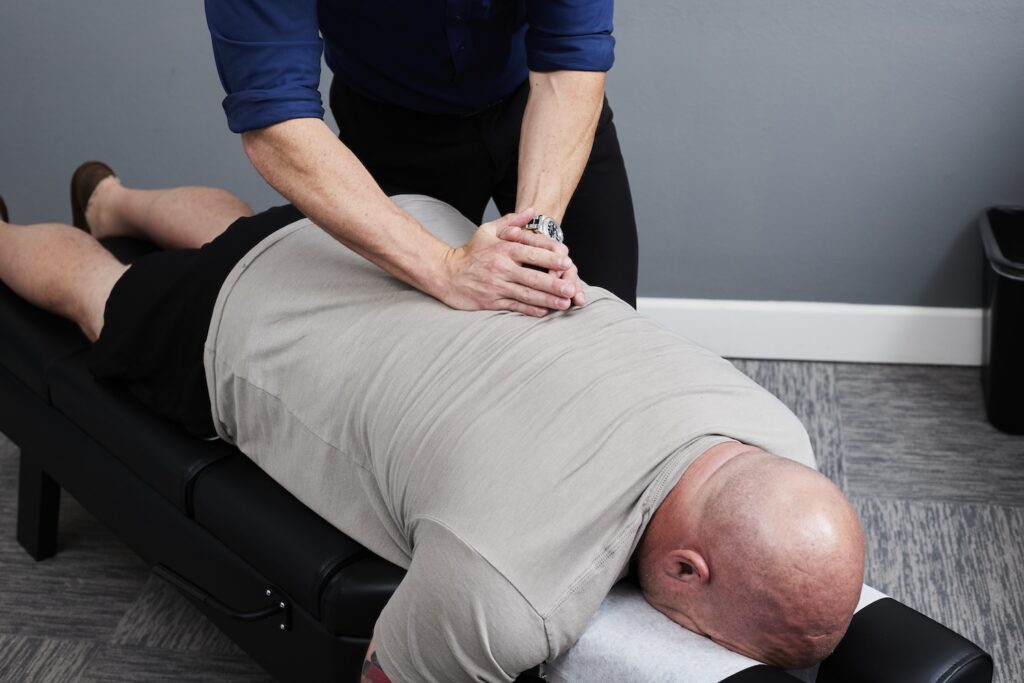
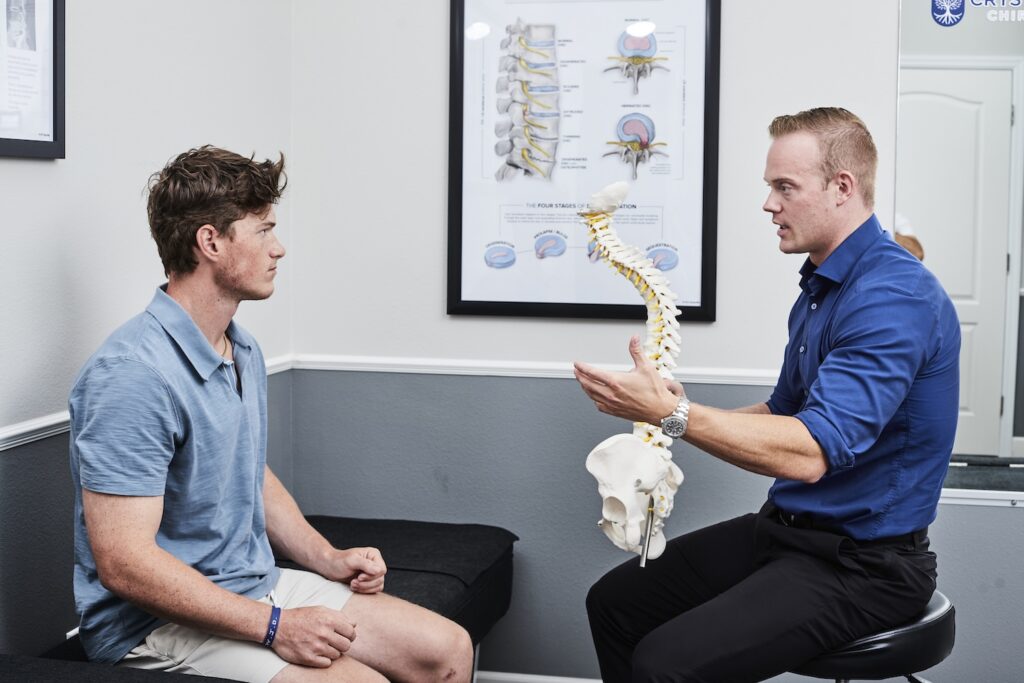
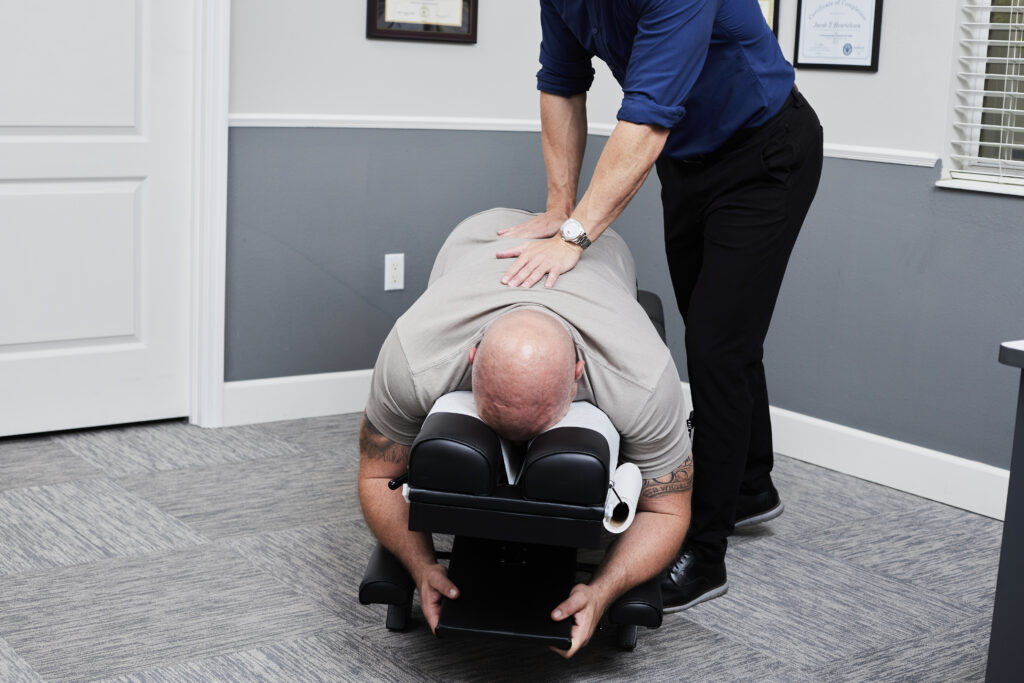
If you’re struggling with back pain related to your posture, you’re definitely not alone. Many individuals face discomfort stemming from poor ergonomics and insufficient movement throughout the day. As a local chiropractor, I want to share some effective, natural strategies that can help alleviate this pain and enhance your posture.
One of the first steps to consider is adjusting your workspace; ensuring that your chair, desk, and computer screen are ergonomically aligned can significantly reduce strain on your back. Additionally, incorporating specific exercises into your daily routine can strengthen your muscles and improve your posture over time.
Every small adjustment you make can lead to a substantial improvement in how you feel. I encourage you to explore these changes and see how they can positively impact your daily life. Remember, you don’t have to live with discomfort; there are natural ways to promote healing and restore balance to your body.
Understanding Posture-Related Back Pain
As a local chiropractor, I want to share how your posture can significantly impact your back health. Many patients come to me unaware of how their everyday habits, like slouching or sitting for extended periods, can lead to discomfort and pain.
When you don’t maintain proper posture, it can put unnecessary strain on your muscles and ligaments, causing various issues. For instance, hunching over screens or leaning in uncomfortable positions can create excess pressure on your spine, which may lead to chronic pain or even injury over time.
To help prevent posture-related back pain, it’s crucial to be mindful of your body alignment. Aim to keep your shoulders back, your head aligned with your spine, and your feet flat on the ground.
I also recommend taking regular breaks to stretch and move around—this simple practice can help alleviate built-up tension. Additionally, strengthening your core muscles is essential, as a strong core provides better support for your spine, lowering your chances of discomfort.
By implementing these changes, you can enhance your posture and significantly reduce your back pain. Remember, even small, conscious adjustments in your daily routines can lead to substantial relief and improvement in your overall quality of life.
If you’re curious about how chiropractic care can assist you further, I’m here to help!
The Importance of Ergonomics
As a local chiropractor, I want to emphasize that improving your posture is just one aspect of maintaining back health; understanding ergonomics is crucial, especially if you find yourself sitting at a desk for extended periods.
By properly setting up your workspace, you can significantly reduce the strain on your back and promote overall well-being.
First and foremost, invest in an adjustable chair that provides support for your lower back and allows your feet to rest flat on the ground. This small change can make a big difference in your comfort level.
Your computer monitor should be positioned at eye level to prevent any strain on your neck, while your keyboard and mouse should be easily accessible to keep your arms in a natural position.
It’s also important to use a desk that enables your elbows to stay at a 90-degree angle, which helps maintain proper alignment.
Additionally, don’t underestimate the power of regular breaks—standing up and stretching every hour can greatly alleviate tension and refresh your body.
By prioritizing these ergonomic adjustments in your workspace, you’ll not only support your back health but also create a more conducive environment for productivity.
Remember, small changes can lead to significant benefits for your overall health and well-being.
If you have any questions about how to optimize your workspace or how chiropractic care can further support your health journey, feel free to reach out!
Exercises to Strengthen Your Back
As your local chiropractor, I want to emphasize the importance of strengthening your back through specific exercises.
Focusing on core stability exercises, upper back strengthening, and flexibility drills can significantly improve your overall back health. These workouts not only build muscle strength but also enhance your mobility, which is crucial for maintaining a healthy spine.
By incorporating these exercises into your routine, you can effectively alleviate back pain and prevent future issues, supporting your journey toward natural healing and wellness.
Core Stability Exercises
As a chiropractor, I want to emphasize the importance of core stability exercises in promoting a healthy spine and improving your overall posture. Strengthening your core muscles is crucial, as they provide a solid foundation that supports your spine during everyday activities.
Let’s start with planks; these exercises engage your entire core while maintaining a straight body line. Side planks are also beneficial, as they specifically target your obliques, enhancing your lateral stability.
Incorporating bridges into your routine will help strengthen your lower back and glutes, which are essential for maintaining proper pelvic alignment.
Another effective exercise to consider is the bird-dog. This movement not only works your core but also promotes coordination and balance, which are vital for overall stability. I recommend aiming to perform these exercises at least three times a week.
As you consistently build strength in your core, you may notice improvements in your posture and a reduction in back pain. This can lead to greater freedom of movement and increased confidence in your daily activities.
Upper Back Strengthening
As a local chiropractor, I want to emphasize the importance of strengthening your upper back, which is often overlooked in favor of the lower back. However, a strong upper back is crucial for maintaining a balanced and healthy spine. It plays a key role in improving posture, alleviating muscle strain, and providing support to your shoulders.
Incorporating specific exercises into your routine can be extremely beneficial. I recommend movements such as bent-over rows, reverse flys, and wall angels. These exercises effectively target the rhomboids and trapezius muscles, promoting better spinal alignment.
You might also consider using resistance bands or dumbbells to enhance the intensity of your workouts. When starting out, it’s best to use lighter weights and prioritize proper form to prevent injuries. Aiming for two to three sets of 10 to 15 repetitions is a good goal, and you can gradually increase the weight as your strength improves.
Flexibility and Mobility Drills
As a chiropractor, I want to emphasize the importance of incorporating flexibility and mobility drills into your daily routine for better back strength and overall spinal health. Many of you may not be familiar with how these exercises can benefit you, so let me explain.
These drills are designed to help release tension in your muscles, improve your range of motion, and, importantly, prevent injuries. For those just starting out, gentle stretches like the cat-cow or child’s pose are excellent for promoting spinal flexibility. These movements can help ease stiffness and enhance your overall well-being.
Once you’re comfortable with those stretches, consider adding thoracic spine rotations to your routine. This specific exercise can significantly increase mobility in your upper back, which is crucial for maintaining a healthy posture.
Additionally, dynamic movements such as arm circles and torso twists can further enhance your flexibility, allowing for smoother movement throughout your daily activities.
It’s also essential to address tightness in the hips, as this can often contribute to lower back discomfort. Incorporating hip stretches like the pigeon pose can be incredibly beneficial for alleviating that tightness and supporting your lower back’s health.
I encourage you to dedicate just a few minutes each day to these drills. Over time, you’ll likely notice improvements in your posture and a reduction in discomfort.
Remember, consistency is key. By making these flexibility and mobility drills a regular part of your routine, you can experience lasting benefits that support your overall health and wellness.
If you have any questions or need guidance on how to perform these exercises, please feel free to reach out. Your journey to better spinal health is important to us!
Stretching Techniques for Relief
As a local chiropractor, I want to share some effective stretching techniques that can significantly alleviate back pain and promote overall wellness. Stretching is an essential practice that not only enhances flexibility but also helps to relieve tension in your muscles.
Let’s begin with a simple yet effective stretch known as the cat-cow stretch. Start by positioning yourself on your hands and knees. As you inhale, arch your back, creating a gentle curve in your spine. Then, as you exhale, round your back, tucking your chin to your chest. This movement is fantastic for warming up your spine and improving mobility.
Next, I recommend incorporating the child’s pose into your routine. By sitting back on your heels with your arms extended in front of you, you allow your back to stretch and relax gently. This pose can be incredibly soothing after a long day.
Another beneficial stretch is the seated forward bend. While seated with your legs extended in front of you, reach for your toes. You’ll feel a wonderful stretch in both your lower back and hamstrings.
Remember to hold each stretch for 15-30 seconds, and focus on deep, calming breaths to enhance relaxation.
I encourage you to incorporate these stretches into your daily routine, particularly after extended periods of sitting. By consistently practicing these techniques, you’ll gradually relieve tension and improve your posture, making your daily activities much more comfortable.
Embracing these natural healing methods can lead to a healthier, more balanced life.
The Role of Proper Seating
As a local chiropractor, I want to emphasize the significant impact that proper seating can have on your back health. Many patients come to me seeking relief from back pain, and often, the solution lies in something as simple as the chair they’re using.
When selecting a chair, it’s crucial to look for one that provides adequate lumbar support. This feature helps maintain the natural curve of your spine, which can greatly reduce the strain on your back.
It’s also important to adjust your chair to the right height. Your feet should rest flat on the floor, with your knees bent at a 90-degree angle. This position not only promotes better circulation but also alleviates pressure on your lower back, which can help prevent discomfort.
If you find yourself sitting for extended periods, I encourage you to take regular breaks. Standing up, stretching, and walking around can relieve built-up tension and enhance your overall well-being.
Additionally, consider using a cushion or a rolled towel to provide that extra layer of support for your lower back.
Mindfulness and Body Awareness
As a local chiropractor, I often see patients who are primarily focused on physical treatments for their back pain. However, I want to emphasize the importance of cultivating mindfulness and body awareness in your healing journey. By tuning into your body, you can catch tension and discomfort before they develop into chronic pain.
I encourage you to spend a few minutes each day practicing mindful breathing. As you take deep breaths, pay close attention to how your body feels in different positions. Notice any areas of tightness or strain, and consciously work to relax those muscles. This simple practice can make a significant difference in how you experience pain.
In addition, consider trying body scans to boost your awareness. Lie down comfortably and mentally check in with each part of your body, from your toes to the crown of your head. This technique not only enhances your awareness but also helps you identify posture habits that may be contributing to your pain.
As you become more in tune with your body, you can make small adjustments in your daily activities to support better posture. This proactive approach can significantly reduce the chances of your pain returning.
Incorporating Movement Into Your Day
As a local chiropractor, I want to share how incorporating movement into your daily routine can significantly alleviate back pain.
Many people underestimate the power of simple desk stretching techniques, taking regular walking breaks, and considering active commuting options. These small adjustments can greatly enhance your overall comfort and well-being.
Let’s delve into how these changes can promote better spinal health and improve your daily life. By integrating movement into your day, you’re not just easing discomfort; you’re also nurturing your body’s natural healing processes.
Desk Stretching Techniques
As a local chiropractor, I often see patients struggling with discomfort from sitting at their desks for extended periods.
It’s essential to understand that even when you’re confined to your workspace, there are simple stretching techniques you can incorporate into your day to help alleviate back pain and improve your overall well-being.
Here are three effective desk stretches that you can easily do without leaving your chair:
- Neck Stretch: Start by gently tilting your head to one side, bringing your ear toward your shoulder. Hold this position for about 15 seconds, then switch sides. This stretch is fantastic for relieving tension in your neck, which can accumulate from poor posture during long hours of sitting.
- Seated Torso Twist: While seated, place your right hand on the back of your chair and gently twist your torso to the right. Hold for 15 seconds, and then repeat on the left side. This movement enhances spinal mobility and can help counteract the stiffness that often accompanies prolonged sitting.
- Wrist and Finger Stretch: Extend one arm in front of you with your palm facing up. Using your other hand, gently pull back on your fingers to stretch your wrist and fingers. Hold this position for 15 seconds, then switch hands. This stretch is particularly beneficial for reducing tension in your wrists and fingers, especially if you spend a lot of time typing or using a mouse.
Incorporating these stretches into your daily routine can make a significant difference in how you feel at work.
Remember, taking regular breaks to stretch not only helps alleviate discomfort but also promotes better posture and overall health.
If you’re interested in learning more about natural healing and chiropractic care, feel free to reach out!
Walking Breaks Importance
As a local chiropractor, I want to emphasize the importance of taking regular walking breaks during your workday to enhance your physical and mental well-being. When you step away from your desk, you allow your body to relieve tension that builds up from prolonged sitting, which is a common issue I see in my practice.
A short walk can significantly improve your circulation, boost your energy levels, and sharpen your focus—essential elements for maintaining a healthy lifestyle. Even just five minutes of walking can help clear your mind and reduce stress, which is vital for both mental clarity and emotional balance.
These breaks also provide an excellent opportunity to stretch your legs, promoting better posture and reducing the risk of back pain and discomfort. By incorporating walking breaks into your daily routine, you’re not only taking care of your back but also enhancing your overall productivity and mood.
I encourage you to make it a point to stand up, walk around, and enjoy the benefits of movement throughout your day. Remember, small changes can lead to significant improvements in your health and well-being.
If you’re experiencing discomfort or have questions about chiropractic care and natural healing, I’m here to help!
Active Commuting Options
As a local chiropractor, I want to share with you how commuting can be transformed from a mundane task into a beneficial part of your day, promoting movement and supporting your overall spinal health.
Many people view commuting as just a necessary chore, but it can actually be an excellent opportunity to incorporate physical activity, which is vital for maintaining a healthy spine and body.
Here are some active commuting options to consider:
- Bike to Work: Riding a bike not only elevates your heart rate but also helps strengthen your legs and core muscles. This can lead to improved posture over time, which is crucial for spinal alignment and reducing discomfort.
- Walk or Jog: If your workplace is within a comfortable walking distance, take advantage of it! A brisk walk or jog can invigorate your body and mind, preparing you for a productive day. Plus, regular walking can help alleviate tension in your back and neck.
- Park Further Away: If you must drive, consider parking a little further from the entrance. This small change can help you incorporate extra steps into your routine, promoting circulation and keeping your joints flexible.
By choosing these active commuting options, you’re not only benefiting your physical health but also supporting your spine’s integrity.
Movement is essential for overall wellness, and as your chiropractor, I encourage you to make the most of your commute!
Tools and Gadgets for Better Posture
As your local chiropractor, I want to emphasize how incorporating specific tools and gadgets into your daily routine can significantly improve your posture and help alleviate back pain.
One of the best investments you can make is an ergonomic chair. This type of chair is designed to support your lower back and encourage proper spinal alignment, which is crucial for maintaining a healthy posture.
Consider the benefits of a standing desk as well. This allows you to alternate between sitting and standing throughout your workday, promoting better circulation and reducing the strain on your back.
For those who find themselves slouching, posture-correcting devices such as braces or smart wearables can be very effective. These gadgets gently remind you to straighten up, helping to retrain your muscles over time.
Additionally, lumbar support cushions for your car or office chair can provide the extra comfort and support needed to maintain proper alignment.
Incorporating foam rollers and massage balls into your routine can also be beneficial. These tools help ease muscle tension, promote flexibility, and can be a great complement to your chiropractic care.
Lastly, I encourage you to invest in a yoga mat; practicing stretches and strengthening exercises on it can greatly enhance your posture.
Professional Help: When to Seek Assistance
As a local chiropractor, I want to emphasize the importance of addressing persistent back pain. If you find that your discomfort has lingered for weeks or even months, it’s crucial to consider seeking professional assistance.
Many people underestimate the impact that ongoing pain can have on their daily activities. If you notice that your pain is hindering your ability to perform routine tasks or hasn’t improved despite various treatment efforts, I encourage you to reach out for help.
Chiropractic care focuses on natural healing methods and can provide effective solutions tailored to your specific needs.
Recognizing the signs that it’s time for professional support can lead to a path of relief and enhanced well-being. Don’t hesitate to ask questions and explore how chiropractic care can help you regain your quality of life.
Persistent Pain Duration
Experiencing back pain that lasts longer than a few weeks can be both frustrating and concerning. As a local chiropractor, I want to help you understand when it’s time to seek professional care and how chiropractic treatment can be beneficial for you.
Here are three signs that indicate you should consult a chiropractor:
- Persistent Pain: If your back pain isn’t improving with rest or over-the-counter treatments, this is a clear signal that it’s time to explore other options for relief. Chiropractic care focuses on addressing the underlying issues rather than just masking the symptoms.
- Increased Intensity: If the pain is worsening or becoming unbearable, don’t hesitate to reach out for help. Chiropractic adjustments can help realign your spine and reduce pain, restoring your body’s natural function.
- Radiating Symptoms: If you experience pain that radiates down your legs, along with numbness or weakness, it’s crucial to seek assistance promptly. These symptoms can indicate nerve involvement, and chiropractic care can provide targeted treatments to alleviate these issues.
Addressing persistent back pain early through chiropractic care can lead to better outcomes and prevent further complications.
Impact on Daily Activities
Chronic back pain can have a significant impact on your daily activities, making even the simplest tasks feel daunting. Many of my patients report difficulties with bending down to tie their shoes or lifting groceries without experiencing discomfort.
This persistent pain can hinder your ability to concentrate at work, enjoy hobbies, or spend quality time with family and friends. Tasks that were once routine, like cleaning or gardening, may start to feel overwhelming, resulting in frustration and exhaustion.
It’s important to recognize when your discomfort is affecting your quality of life. If you notice that your pain is keeping you from doing the things you love, it may be time to explore natural healing options like chiropractic care.
As a chiropractor, I specialize in helping individuals regain control over their daily activities by addressing the root causes of pain. Seeking professional help can be a crucial step towards improving your well-being and enabling you to fully engage in life again.
Previous Treatment Attempts
When your back pain lingers despite trying over-the-counter medications or home remedies, it may be time to consider a holistic approach to healing. As a local chiropractor, I want to emphasize the importance of addressing the root causes of your discomfort rather than just masking the symptoms. Ignoring persistent pain can lead to further complications and limit your daily activities.
Here are some crucial steps to take:
- Consult a chiropractor: A comprehensive evaluation can help identify misalignments and underlying issues affecting your back. We focus on understanding how your body functions as a whole.
- Engage in personalized care: Chiropractic care isn’t just about adjustments; it also includes tailored exercise programs to strengthen your core, improve posture, and promote overall wellness.
- Consider complementary therapies: In addition to chiropractic adjustments, therapies like acupuncture, massage therapy, and nutritional guidance can support your recovery and enhance your well-being.
By exploring these options, you can regain control over your back pain and improve your quality of life.
Don’t hesitate to reach out to a local chiropractor like myself for the natural healing support you deserve. Together, we can work towards a healthier, pain-free future.
Long-Term Strategies for Posture Improvement
As a local chiropractor, I want to emphasize that improving your posture involves much more than simply standing tall; it’s a dedicated journey towards enhancing your overall health.
It’s important to cultivate posture awareness as part of your daily life. I encourage you to set reminders throughout the day to assess your alignment while sitting, standing, or walking.
Incorporating strength training and flexibility exercises into your fitness routine is crucial as well, particularly exercises that target your core, back, and hip muscles.
Practices like yoga and Pilates are excellent for reinforcing good posture habits, helping to build the strength and flexibility needed for proper alignment.
Take a moment to evaluate your workspace ergonomics. Adjusting your chair, desk height, and computer screen can significantly impact your posture.
Don’t overlook the role of supportive footwear; the right shoes can make a substantial difference in how your body aligns itself.
I also recommend taking regular breaks to stretch and move throughout your day. This simple practice can help prevent stiffness and maintain proper alignment, promoting better overall health.
Remember, it’s important to be patient with yourself during this process. Improving your posture takes time and consistent effort.
By embracing these long-term strategies, you’ll not only reduce back pain but also enhance your overall well-being and confidence.
As your chiropractor, I’m here to support you on this journey to better posture and health.
Conclusion
As a local chiropractor, I want to help you understand how to effectively address posture-related back pain through a comprehensive, natural approach. It’s essential to consider the ergonomics of your workspace; ensuring that your chair, desk, and computer setup promote good posture can make a significant difference in your comfort.
In addition to creating a supportive environment, staying active with exercises specifically designed to strengthen your back and core can contribute to better posture. Incorporating regular stretching into your daily routine is equally important, as it helps to relieve tension and improve flexibility.
Listening to your body is crucial. If you start to feel discomfort, take breaks to move around and stretch. If your pain continues despite these efforts, I encourage you to reach out for professional help. As a chiropractor, I can provide tailored adjustments and therapies that align with your body’s needs.
By adopting these strategies, you’re not just aiming for immediate relief; you’re also laying the groundwork for long-term improvements in your posture and overall health. Let’s work together to help you feel your best!