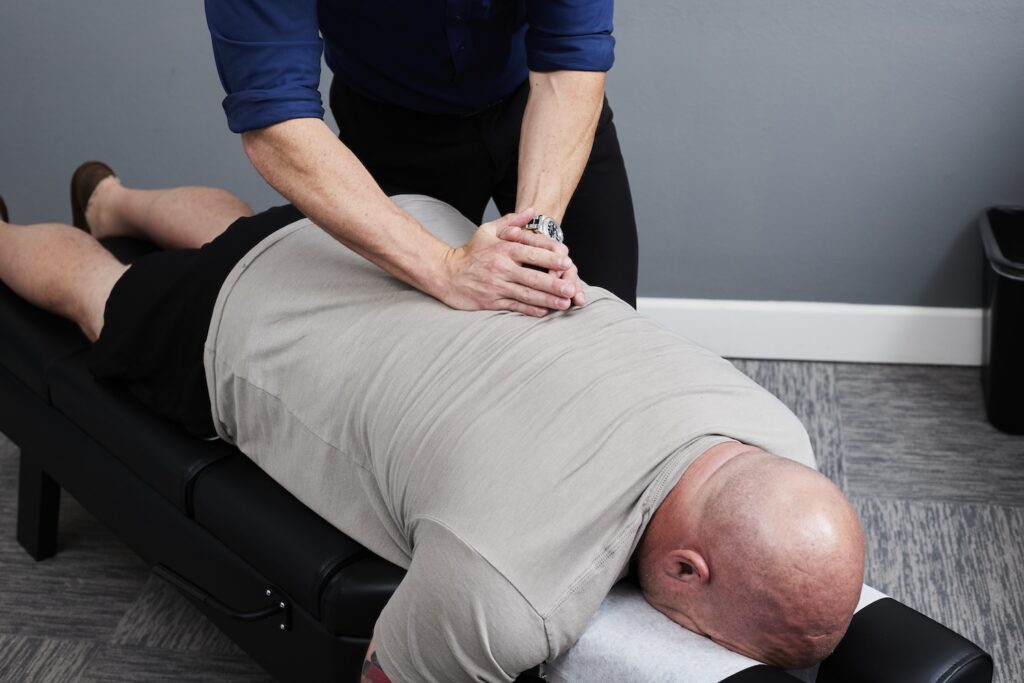
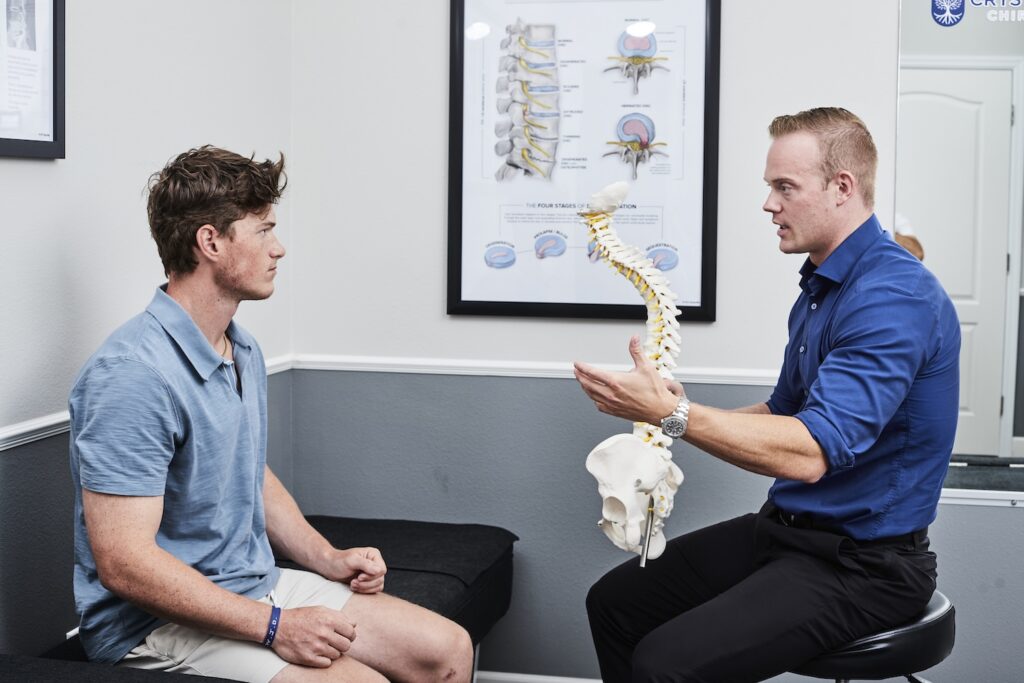
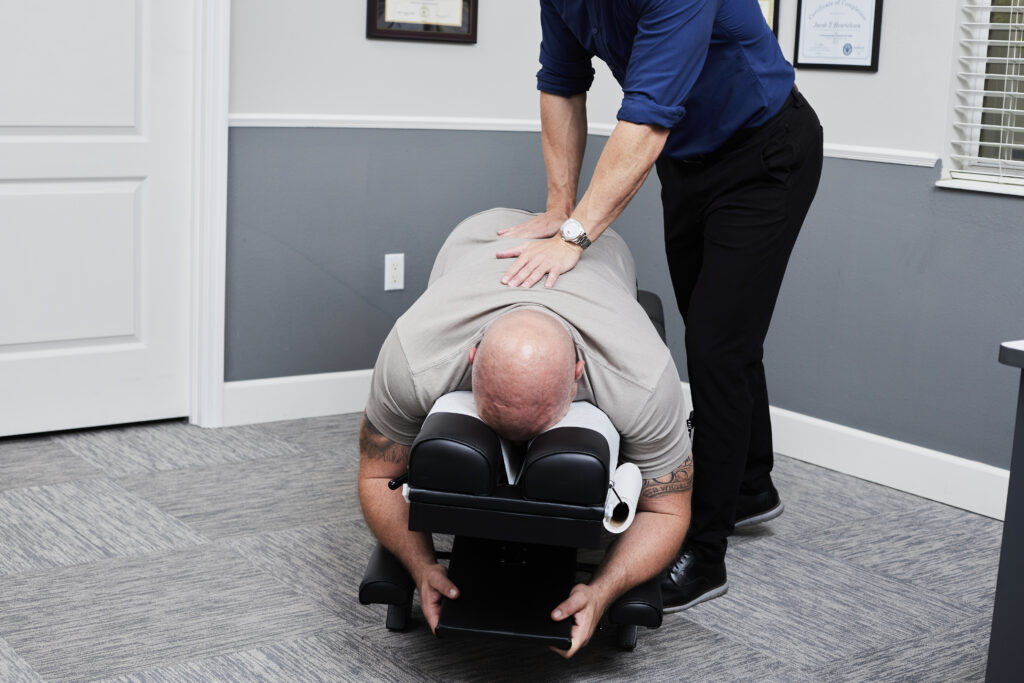
You might be surprised to learn that spinal adjustments could play a significant role in reducing anxiety. By aligning your spine, you can enhance the communication between your brain and body, which may lower stress responses. Consider how physical tension often manifests alongside emotional stress—addressing this connection might just be the key to achieving a greater sense of calm. But what exactly happens during a spinal adjustment, and how can it transform your overall well-being? The answers could change your perspective on anxiety management.
Understanding Anxiety and Its Impact
Anxiety can creep into your life unexpectedly, affecting your daily activities and overall well-being. You might find yourself feeling overwhelmed by everyday situations, struggling to focus, or constantly worrying about things that seem manageable to others. This emotional state can manifest in various physical symptoms, like tension headaches, fatigue, or even digestive issues, making it hard to enjoy life.
Understanding anxiety is important because it helps you recognize when it's becoming a problem. It's not just a temporary feeling; anxiety can develop into chronic stress if left unaddressed. You may notice that your sleep patterns change, or you start avoiding social situations, which can lead to isolation and further complications.
This cycle can be difficult to break, but identifying the triggers is your first step. It's essential to remember that you're not alone. Millions of people experience anxiety, and acknowledging this can often provide comfort.
You might also find it helpful to talk to someone about your feelings, whether it's a friend, family member, or a professional. Engaging in stress-reduction techniques, such as mindfulness or physical activity, can also create a positive impact on your mental state.
The Role of the Spine
Your spine plays an essential role in your nervous system, influencing how your body responds to stress.
When your spine is misaligned, it can create disruptions that affect your mental health.
Understanding this connection can help you see how spinal adjustments might reduce anxiety.
Spine and Nervous System
The spine plays an essential role in connecting the nervous system to the rest of the body. It serves as a protective structure for the spinal cord, which transmits signals between your brain and various body parts.
When the spine is misaligned, it can disrupt these signals, leading to interference in how you feel and function.
Here are three key functions of the spine in relation to the nervous system:
- Signal Transmission: The spine allows electrical signals to travel efficiently between your brain and muscles, impacting everything from movement to reflexes.
- Protection: It safeguards the spinal cord, which houses nerves responsible for critical bodily functions. Any damage to this area can lead to serious health issues.
- Postural Support: A healthy spine maintains good posture, reducing strain on the nervous system. This, in turn, can help prevent anxiety and tension that arise from physical discomfort.
Impact on Mental Health
Misalignments in the spine can greatly influence mental health, often manifesting as increased anxiety and stress. When your spine is out of alignment, it can disrupt the communication between your brain and nervous system. This disruption can lead to an imbalance in neurotransmitters, which play a vital role in regulating mood and anxiety levels.
Chiropractic adjustments can help restore proper alignment, allowing your body to function at its best. By enhancing spinal health, you may notice a reduction in anxiety symptoms and an overall improvement in your mental well-being.
When your spine is aligned, it supports not just physical health but also emotional resilience. You might find that after a few adjustments, you feel more relaxed and centered. This relief can come from the reduction of physical tension and the improvement of your body's ability to respond to stressors.
Incorporating regular spinal adjustments into your routine could be a game-changer for your mental health. It's not just about relieving pain; it's about creating an environment where your mind can thrive.
Prioritize your spine, and you may just reveal a new level of peace and clarity in your life.
Mechanisms of Spinal Adjustments
Through a combination of mechanical and neurological processes, spinal adjustments can markedly impact anxiety levels. When you receive a spinal adjustment, several mechanisms come into play that can help ease your anxiety. Here's how it works:
- Restoration of Movement: Spinal adjustments help restore proper alignment and movement of the vertebrae. When your spine is misaligned, it can restrict mobility and lead to discomfort. By allowing for better movement, you can reduce physical tension, which often translates to a calmer mind.
- Nervous System Regulation: Adjustments influence the nervous system, particularly the autonomic nervous system, which controls your fight-or-flight response. By promoting balance between the sympathetic and parasympathetic systems, spinal adjustments can help reduce your overall stress and anxiety levels, making you feel more relaxed.
- Endorphin Release: The mechanical stimulation involved in spinal adjustments can trigger the release of endorphins—your body's natural pain relievers. Endorphins not only alleviate physical discomfort but also enhance your mood, providing a sense of well-being that can combat anxiety.
Understanding these mechanisms can help you appreciate the powerful effects spinal adjustments can have on your mental health.
Connection Between Spine and Anxiety
Your spine plays an essential role in regulating your nervous system, which directly impacts your anxiety levels.
When your posture is off, it can lead to increased stress and tension, affecting your mental health.
Understanding this connection might help you find new ways to manage anxiety effectively.
Nervous System Regulation
When the spine is misaligned, it can disrupt the nervous system's ability to function effectively, leading to increased anxiety.
Your spine plays an essential role in how your brain communicates with the rest of your body. When nerve pathways are interrupted, it can create a cascade of stress responses, amplifying feelings of anxiety and unease.
Here are three ways spinal adjustments can help regulate your nervous system:
- Enhanced Communication: Proper alignment guarantees that signals between your brain and body flow smoothly. This can help reduce the overactivity of stress responses, allowing you to feel calmer.
- Reduced Muscle Tension: Misalignment can lead to muscle tightness, which often adds to feelings of anxiety. By correcting these alignments, you can relieve tension and promote relaxation.
- Improved Blood Flow: Spinal adjustments can enhance circulation, guaranteeing that your brain receives the nutrients and oxygen it needs to function at its best, which can positively affect your mood.
Posture and Mental Health
Posture plays an essential role in mental health, greatly influencing your anxiety levels. When you slouch or hunch over, it sends signals to your brain that can increase feelings of stress and discomfort. On the other hand, maintaining an upright posture can help you feel more confident and relaxed. This simple adjustment can make a significant difference in how you experience anxiety.
Your spine is central to this connection. A well-aligned spine supports not only your physical health but also your mental well-being. When your spine is misaligned, it can affect the nervous system, leading to increased tension and anxiety. By focusing on your posture, you can create a more conducive environment for mental clarity and calmness.
Incorporating spinal adjustments through chiropractic care can help realign your spine, thereby improving your posture. As your posture improves, you may notice a reduction in anxiety symptoms.
Benefits of Spinal Adjustments
Although many people associate spinal adjustments primarily with physical relief, these therapies also offer a range of psychological benefits that can greatly reduce anxiety. When your spine is aligned, it not only eases tension in your body but also promotes a sense of well-being that directly impacts your mental state.
Here are some key benefits you might experience from spinal adjustments:
- Enhanced Mood: Spinal adjustments can lead to the release of endorphins, the body's natural mood elevators. As these hormones circulate, you may find yourself feeling more positive and less overwhelmed by anxious thoughts.
- Improved Sleep Quality: Many people notice better sleep after receiving spinal adjustments. Quality sleep is crucial for mental health, and when you're well-rested, you're more equipped to manage stress and anxiety throughout the day.
- Increased Focus and Clarity: With a properly aligned spine, you might experience improved blood flow and nervous system function. This can enhance cognitive abilities, making it easier to concentrate and think clearly, which is especially beneficial when dealing with anxiety.
Incorporating spinal adjustments into your wellness routine can be a game-changer, not just for your physical health but also for your mental clarity and emotional balance.
Incorporating Spinal Adjustments
To effectively incorporate spinal adjustments into your wellness routine, start by scheduling regular visits with a qualified chiropractor. This professional will assess your specific needs and create a tailored treatment plan to address any spinal misalignments that may contribute to your anxiety. Consistency is key, so aim for sessions that align with your lifestyle—whether that's weekly, bi-weekly, or monthly.
Next, prioritize your overall health by integrating complementary practices. Engage in regular physical activity, such as yoga or walking, which can enhance the benefits of spinal adjustments. Exercise not only strengthens your muscles but also releases endorphins, which can help combat anxiety. Pairing these activities with your chiropractic care can create a holistic approach to wellness.
Don't forget about your posture! Be mindful of how you sit, stand, and sleep. Poor posture can lead to spinal issues that exacerbate anxiety. Consider ergonomic furniture and supportive pillows to maintain proper alignment throughout your daily activities.
Also, stay connected with your chiropractor. Share any changes in your symptoms or overall health, as this feedback will help them adjust your treatment plan as needed.
Finally, approach spinal adjustments with an open mind. You may find that the relief you experience from physical adjustments positively impacts your mental state, contributing to a greater sense of well-being.
Personal Experiences and Testimonials
Many individuals have found that spinal adjustments greatly reduce their anxiety levels, leading to a more balanced life. You might be curious about how these adjustments can impact your emotional well-being. Here are three personal experiences that can shed light on the benefits:
- Improved Sleep Quality: One person shared how regular spinal adjustments helped them sleep better. They noticed that after each session, they felt more relaxed and less overwhelmed, which translated into deeper, more restorative sleep. This improvement in rest greatly reduced their anxiety during the day.
- Enhanced Focus: Another individual recounted their struggle with anxiety that often made concentrating at work nearly impossible. After starting spinal adjustments, they felt a noticeable shift. The tension in their body decreased, which allowed them to focus better on tasks without the constant nagging of anxiety clouding their thoughts.
- Boosted Confidence: A third testimonial came from someone who felt more self-assured after receiving spinal care. They mentioned that as their physical discomfort lessened, they could engage more freely in social situations, which previously caused them great anxiety. This newfound confidence helped them build stronger relationships and enjoy life more fully.
These testimonials highlight how spinal adjustments can lead to a range of positive changes, from improved sleep to enhanced confidence, making a tangible difference in managing anxiety.
If you're considering this treatment, you might just discover similar benefits for yourself.
Conclusion
Incorporating spinal adjustments into your wellness routine can be a game-changer for managing anxiety. By improving the alignment of your spine, you enhance communication between your brain and body, leading to reduced stress and elevated mood. Not only can this practice help alleviate tension, but it can also promote better sleep and focus. Embrace chiropractic care as a powerful tool in your journey toward emotional stability and a greater sense of calm. You deserve to feel your best!