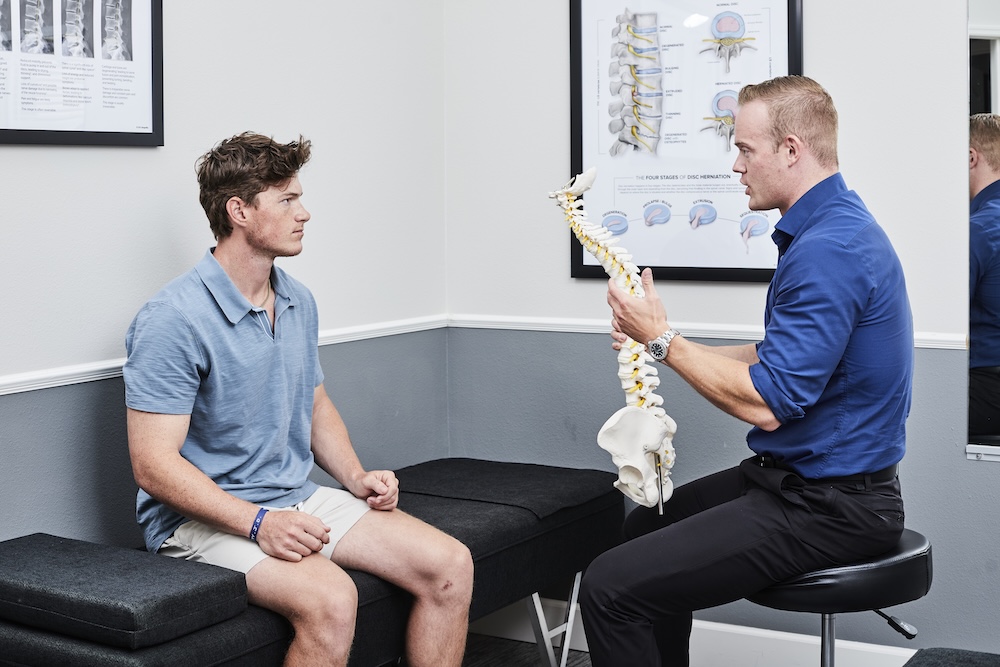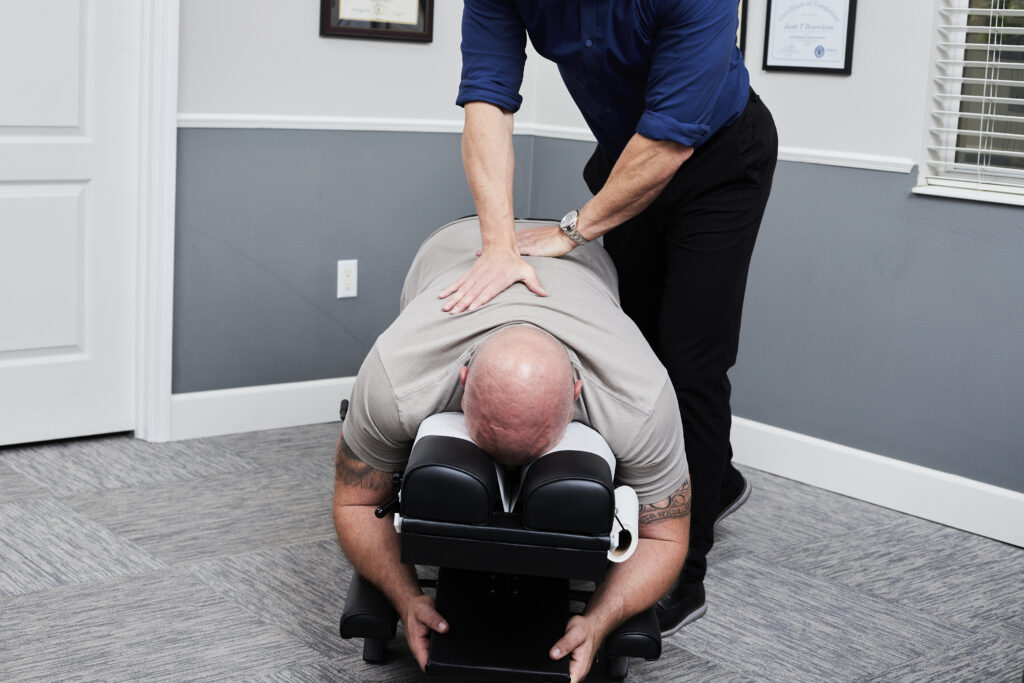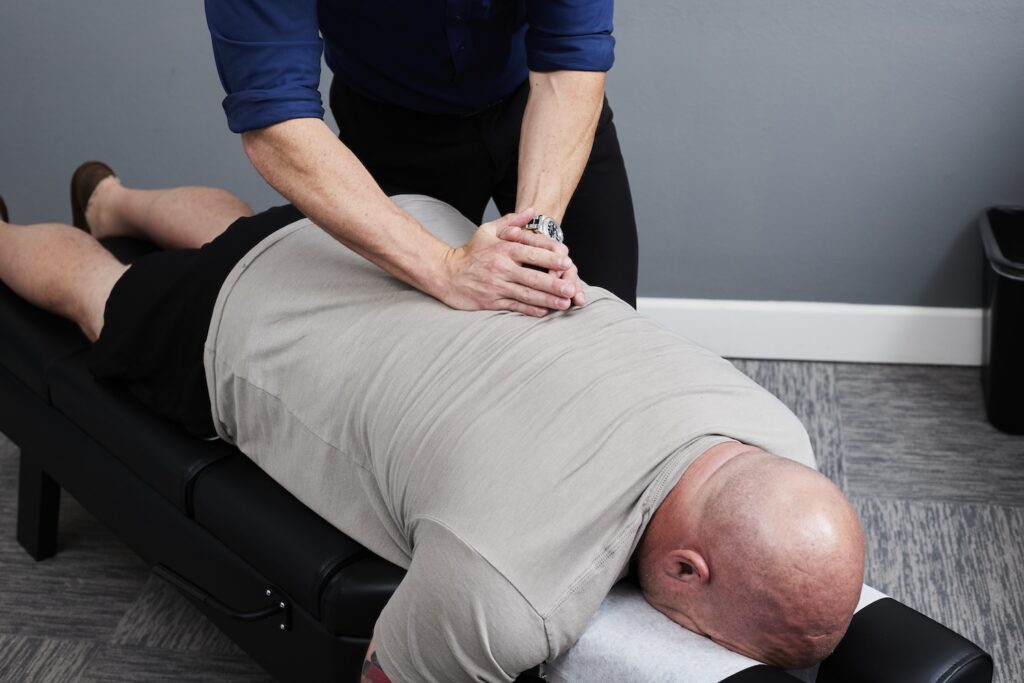

If you're feeling overwhelmed by anxiety, you might want to contemplate the benefits of chiropractic adjustments. These treatments can address both the physical and emotional aspects of stress, promoting better spinal alignment and nervous system function. Many people find that regular adjustments not only relieve tension but also enhance their sleep quality. As you explore how chiropractic care might fit into your anxiety management plan, you may discover some surprising connections that could lead to a more balanced and relaxed state of being. What aspects of this approach could be most beneficial for you?
Understanding Anxiety and Its Impact
Anxiety can creep into your life unexpectedly, impacting both your mental and physical well-being. You might find yourself feeling overwhelmed by racing thoughts, tension in your body, or an unshakeable sense of dread. It's crucial to recognize that anxiety isn't just a passing phase; it can affect your daily activities and relationships. You might even notice changes in your sleep patterns, appetite, or energy levels.
Understanding anxiety starts with acknowledging its symptoms. You may experience heart palpitations, excessive worrying, or irritability. These reactions can lead to a cycle of avoidance and isolation, making it even harder to manage. The emotional toll can leave you feeling drained, and you might struggle to concentrate or enjoy activities you once loved.
Anxiety can also manifest physically, causing muscle tension, headaches, or digestive issues. It's not uncommon to feel like your body is constantly on high alert, which can result in chronic stress. This prolonged state can have severe implications for your overall health, leading to burnout and additional health concerns.
Recognizing these impacts is the first step toward managing anxiety effectively. By understanding how it affects you, you can begin to explore various strategies for relief.
Whether it's mindfulness, exercise, or another approach, taking proactive steps is crucial. Remember, you're not alone in this struggle, and there are ways to regain control over your life.
The Role of Chiropractic Care
Chiropractic care plays an essential role in managing anxiety by focusing on the connection between your nervous system and overall well-being.
By using specific adjustments, you can reduce tension and promote relaxation, helping to alleviate stress.
These techniques not only target physical discomfort but also support emotional health, offering a holistic approach to anxiety relief.
Nervous System Connection
When it comes to managing anxiety, tapping into the nervous system's intricate network can make a significant difference. Chiropractic care plays an essential role in this connection by addressing spinal misalignments that can disrupt nerve function.
By ensuring that your spine is properly aligned, you can help restore balance to your nervous system, which may lead to reduced anxiety levels.
Here are three key benefits of chiropractic adjustments for your nervous system:
- Improved Communication: Adjustments can enhance the communication between your brain and body, allowing for better processing of stressors.
- Reduced Tension: By relieving tension in your muscles and joints, chiropractic care can help decrease the physical symptoms of anxiety, such as tightness and discomfort.
- Enhanced Relaxation: Regular adjustments may promote a state of relaxation, supporting the body's ability to recover from stress and anxiety more effectively.
Incorporating chiropractic care into your routine can positively impact your nervous system, paving the way for a calmer mind and a more balanced emotional state.
It's a proactive step toward managing anxiety and improving your overall well-being.
Stress Relief Techniques
Feeling overwhelmed by daily stressors? You're not alone. Many people experience anxiety from work, family obligations, and personal challenges. One effective way to combat this stress is through chiropractic care. Adjustments can help align your spine, improve your body's functionality, and promote relaxation.
When your spine is misaligned, it can lead to tension and discomfort, which may heighten your stress levels. Chiropractic adjustments not only relieve physical pain but also stimulate the nervous system, enhancing your body's ability to cope with stress.
By reducing muscle tension and improving blood flow, chiropractic care helps you feel more relaxed and in control.
Incorporating chiropractic adjustments into your wellness routine can also improve your sleep quality. With better sleep, you'll feel more energized and equipped to handle daily challenges.
Plus, regular visits can create a sense of routine, providing you with a dedicated time to focus on your well-being.
How Adjustments Affect the Nervous System
How do adjustments influence your nervous system? When you receive chiropractic adjustments, you're not just realigning your spine; you're also positively impacting your nervous system, which plays an essential role in how your body responds to stress and anxiety.
Here's how adjustments can make a difference:
- Enhanced Communication: Adjustments help restore proper alignment in your spine. This promotes better communication between your brain and body, allowing your nervous system to function at its best. Improved signaling means your body can respond to stressors more effectively.
- Reduced Tension: Misalignments can lead to increased tension in your nervous system, causing heightened stress responses. By correcting these misalignments, adjustments help reduce muscle tension and promote relaxation. This can lead to a calmer state of mind and lower anxiety levels.
- Improved Blood Flow: Adjustments can enhance circulation, allowing more oxygen and nutrients to reach your nervous system. Better blood flow can help reduce feelings of fatigue and improve your overall mood, making it easier to cope with daily stressors.
Reducing Stress Through Spinal Alignment
Many people don't realize that spinal alignment can considerably impact their stress levels. When your spine is misaligned, it can lead to tension in your muscles, which in turn creates a sense of discomfort and stress. You mightn't notice it at first, but over time, this tension can build up, affecting your mood and overall well-being.
By seeking spinal adjustments, you can promote better alignment, allowing your body to function more effectively. When your spine is properly aligned, your nervous system operates more efficiently, leading to reduced nerve interference. This can help your body respond better to stressors, giving you a greater sense of calm and control.
Imagine walking into your chiropractor's office feeling weighed down by stress, and after a few adjustments, you leave feeling lighter and more at ease. Regular adjustments can help release pent-up tension, making it easier for you to cope with daily stressors.
Additionally, improved spinal alignment can enhance your posture, which can influence how you feel about yourself. Standing tall not only boosts your confidence but can also reduce feelings of anxiety. When you feel good about your posture, you may find it easier to face challenges head-on.
Incorporating spinal adjustments into your routine is a proactive step toward managing stress. By nurturing your spine, you're not just addressing physical discomfort but also fostering a healthier mindset.
Enhancing Sleep Quality With Adjustments
Adjustments can also play a significant role in enhancing your sleep quality. When your spine is aligned properly, your body can relax more effectively, allowing you to drift into a deeper, more restorative sleep.
Here are three key ways adjustments can improve your sleep:
- Reduced Pain and Discomfort: Misalignments in your spine can lead to chronic pain, making it difficult to find a comfortable sleeping position. By receiving regular adjustments, you can alleviate this pain and enjoy a more restful night.
- Improved Circulation: Proper spinal alignment promotes better blood flow throughout your body. Improved circulation guarantees that your muscles and organs receive the oxygen and nutrients they need to function at their best, contributing to a more invigorating sleep experience.
- Decreased Anxiety and Stress: Adjustments can help lower your overall stress levels, which is vital for a good night's sleep. When your body is in a balanced state, you're less likely to toss and turn, allowing you to fall asleep faster and stay asleep longer.
Incorporating adjustments into your routine can create a positive ripple effect on your sleep quality.
You'll find yourself waking up feeling more revitalized and ready to tackle the day ahead.
Boosting Mood and Emotional Well-being
When you're feeling down, it can be hard to shake off those negative emotions, but incorporating adjustments into your routine can lift your mood and enhance your emotional well-being. Adjustments, whether they're physical, mental, or environmental, can have a profound impact on how you feel daily.
First, think about your posture. Poor posture can lead to feelings of anxiety and depression. By making simple adjustments, like sitting up straight or using ergonomic furniture, you can't only improve your mood but also boost your confidence. When you present yourself well, you're more likely to feel good inside.
Next, consider your environment. A cluttered space can contribute to stress and negativity. Take some time to declutter and create a calming atmosphere. Incorporating elements like plants, soft lighting, or soothing colors can greatly uplift your spirits.
Moreover, don't underestimate the power of social connections. Adjusting how you interact with friends and family can create a supportive network that fosters positivity. Schedule regular catch-ups or virtual hangouts to keep those connections strong.
Lastly, practice mindfulness through adjustments in your daily routine. Set aside a few minutes each day to focus on your breath or engage in meditation. These practices can help you cultivate a sense of peace and clarity, reducing anxiety and enhancing your emotional state.
Improving Physical Health and Comfort
To enhance your physical health and comfort, small adjustments in your daily routine can make a significant difference.
Whether it's your workspace, your sleeping habits, or your overall activity level, fine-tuning these areas can lead to improved well-being.
Here are three simple changes you can implement today:
1. Ergonomic Workspace Setup: Confirm your desk, chair, and computer are arranged to promote good posture.
Invest in an adjustable chair and keep your monitor at eye level. This alignment can reduce strain on your body, making it easier to work comfortably for longer periods.
2. Incorporate Stretch Breaks: Aim to take short breaks every hour.
Stand up, stretch, or take a quick walk. These mini-breaks not only help relieve tension but also boost circulation, which can enhance your energy levels and focus throughout the day.
3. Optimize Your Sleep Environment: Create a restful sleep space by keeping your bedroom dark, quiet, and cool.
Use comfortable bedding and consider a white noise machine if you're sensitive to sounds. A good night's sleep is essential for recovery and overall health.
The Connection Between Posture and Anxiety
Maintaining good posture not only benefits your physical health but also plays a significant role in managing anxiety. When you sit or stand up straight, you send signals to your brain that promote confidence and relaxation. This simple adjustment can help reduce feelings of stress and anxiety, making it easier to face daily challenges.
You mightn't realize it, but your body language has a profound impact on your mood. Slouching or hunching over can lead to a closed-off mentality, reinforcing negative thoughts and feelings. On the other hand, adopting an upright posture opens up your chest and lungs, allowing for better breathing. This increased oxygen flow can help calm your nervous system and lower anxiety levels.
Additionally, good posture can boost your self-esteem. When you carry yourself with confidence, you're more likely to engage with others and tackle social situations head-on. This engagement reduces isolation and can help alleviate anxiety over time.
It's also worth noting that the physical tension caused by poor posture can contribute to feelings of anxiety. Tight shoulders and a stiff neck can create a cycle where discomfort leads to stress, which in turn makes you more tense.
Long-term Benefits of Regular Adjustments
Regular adjustments to your posture and body mechanics can yield significant long-term benefits, transforming both your physical and mental well-being. When you make a habit of getting adjustments, you're not just alleviating immediate discomfort; you're investing in your future health.
Here are three key benefits you can expect:
- Enhanced Mobility: Regular adjustments help improve your range of motion and flexibility. This means you can move freely without the nagging pain that often comes from poor posture or misalignments. Greater mobility can enhance your overall physical performance in daily activities and exercise.
- Reduced Stress Levels: Consistent adjustments can lower your body's stress response. When your body is aligned and functioning properly, it's less likely to hold onto tension, which can lead to anxiety and fatigue. You'll find it easier to stay relaxed, even in challenging situations.
- Improved Mental Clarity: A well-aligned spine helps optimize nerve function, which can enhance cognitive performance. You might notice better focus and concentration after regular adjustments, allowing you to tackle tasks with greater efficiency and less mental fatigue.
Incorporating regular adjustments into your wellness routine can create a ripple effect, leading to a healthier, more balanced lifestyle.
Long-term commitment to this practice paves the way for sustained physical health and a more positive mental state, so why not start today? Your future self will thank you.
Finding the Right Chiropractor for You
When you're searching for the right chiropractor, it's essential to take into account their credentials and experience.
You should also evaluate their treatment approach and the overall office environment to guarantee it feels welcoming and comfortable.
Taking these factors into consideration will help you find a practitioner who meets your needs and helps reduce your anxiety.
Credentials and Experience
Choosing the right chiropractor is essential for effectively managing anxiety and enhancing your overall well-being. To guarantee you find a qualified professional, pay close attention to their credentials and experience.
Here are three key factors to take into account:
- Education: Verify that your chiropractor has a Doctor of Chiropractic (D.C.) degree from an accredited institution. This education provides them with a solid foundation in anatomy, physiology, and chiropractic techniques.
- Licensure: Confirm your chiropractor is licensed to practice in your state. Each state requires chiropractors to pass rigorous exams, and a valid license demonstrates their commitment to professional standards.
- Experience: Look for a chiropractor with experience in treating anxiety or related conditions. An experienced practitioner will be more adept at understanding your unique needs and tailoring their approach accordingly.
Treatment Approach
After ensuring your chiropractor has the right credentials and experience, the next step is to evaluate their treatment approach. Different chiropractors utilize various techniques, and it's essential to find one that aligns with your needs. Some may focus on traditional spinal adjustments, while others might incorporate holistic methods or soft tissue therapies.
Consider what you're comfortable with. If you prefer a gentle approach, look for chiropractors who specialize in techniques like the Activator Method or SOT. If you're open to more vigorous methods, you might explore those who practice Gonstead or Diversified techniques.
Don't hesitate to ask about the specific methods they use and how they tailor treatments to individual patients.
Communication is key. A good chiropractor should listen to your concerns and explain their treatment plan clearly. You want someone who takes the time to understand your unique situation and works collaboratively with you.
Finally, trust your instincts. If you feel at ease and confident in their approach, you're more likely to experience positive results.
Take your time in selecting the right chiropractor; it can make all the difference in your path to reducing anxiety and enhancing your overall well-being.
Office Environment
The right office environment can greatly impact your chiropractic experience and overall comfort. When you're looking for a chiropractor, pay attention to the atmosphere of their office. A welcoming and organized environment can help ease your anxiety and make you feel at ease during your visits.
Here are three key factors to take into account:
- Cleanliness: A tidy office indicates professionalism. You want to feel safe and comfortable in a space that prioritizes hygiene and organization.
- Ambiance: The overall vibe matters. Look for soothing colors, soft lighting, and calming decor. A relaxing environment can greatly reduce your stress levels before and during treatment.
- Staff Interaction: Friendly and attentive staff can enhance your experience. When you feel welcomed and valued, it creates a positive atmosphere that encourages open communication about your concerns.
Conclusion
Incorporating chiropractic adjustments into your routine can be a game-changer for managing anxiety. By enhancing your spinal alignment and nervous system function, you can experience reduced stress, improved sleep, and better overall health. As you build a trusting relationship with your chiropractor, you'll find a holistic approach to anxiety that supports your emotional well-being. Don't hesitate to explore this effective option—your journey to a more balanced and relaxed life could start with just one adjustment!