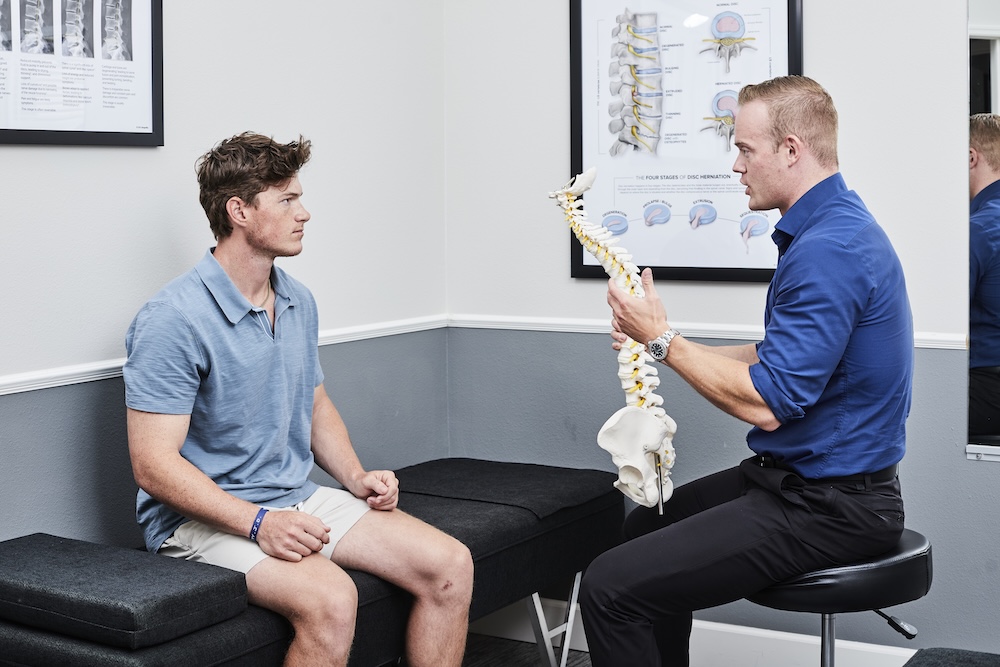

If you suffer from migraines, you may not realize how much neck pain can contribute to your discomfort. It’s more common than you might think, and addressing this issue through chiropractic care can lead to significant relief. By focusing on the health of your spine and neck, we can help reduce the frequency and intensity of your migraines.
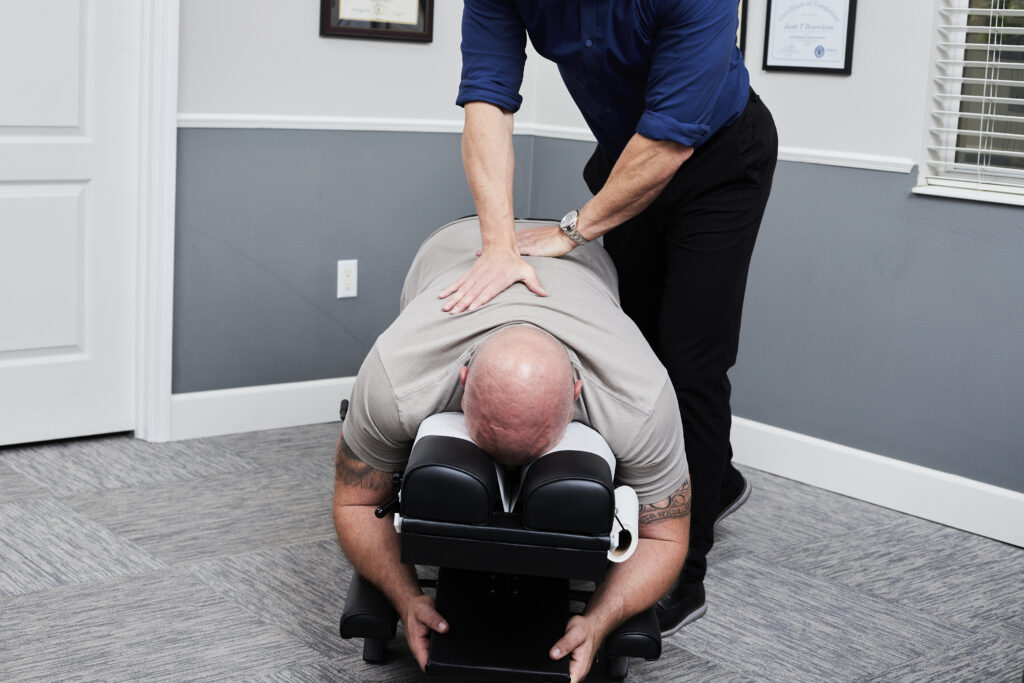
Chiropractic adjustments are an effective way to alleviate neck pain and tension, which often play a crucial role in triggering migraines. By restoring proper alignment to your spine, we can improve nerve function and reduce muscle tension, leading to a decrease in headache symptoms.
In addition to chiropractic care, there are simple strategies you can incorporate into your daily routine to further support your neck health and overall wellness. Here are a few tips:
- Maintain Good Posture: Be mindful of your posture, especially if you spend long hours sitting. Keep your shoulders back and your head aligned with your spine to reduce strain on your neck.
- Take Breaks: If you’re working at a desk or using a computer, take regular breaks to stretch and move around. This helps to relieve tension in your neck and shoulders.
- Stay Hydrated: Drinking plenty of water is essential for overall health and can help keep your muscles functioning properly. Dehydration can contribute to headaches, so make sure to stay hydrated throughout the day.
- Practice Relaxation Techniques: Stress can lead to muscle tension in the neck, which may trigger migraines. Techniques such as deep breathing, meditation, or gentle yoga can be beneficial in reducing stress levels.
- Sleep Well: Ensure you’re getting quality sleep and use a supportive pillow that keeps your neck aligned with your spine. Poor sleep can exacerbate neck pain and contribute to migraine occurrences.
By focusing on these strategies and incorporating regular chiropractic adjustments into your wellness routine, you can take a proactive approach to managing both neck pain and migraines. Remember, chiropractic care is a powerful tool for achieving optimal health and well-being—naturally and effectively. If you’re ready to find relief, don’t hesitate to reach out!
Key Takeaways
- Gentle neck stretches, such as rotations and side bends, can be incredibly beneficial in relieving tightness and improving circulation. These simple movements may help reduce the frequency of migraines, making them a great addition to your daily routine.
- Making ergonomic adjustments in your workspace, like positioning your monitor at eye level and ensuring your chair offers proper support, is essential for maintaining good posture. This can significantly decrease neck strain and promote a healthier spine.
- Regular visits to a chiropractor can play a crucial role in strengthening your neck muscles and enhancing flexibility. Chiropractic care not only aids in pain management but also helps in reducing the occurrence of migraines by addressing underlying issues in your spine and neck.
- Staying well-hydrated and eating a balanced diet are vital for optimal muscle function and overall health. When your body is well-nourished, it can better fend off migraine triggers.
- Incorporating stress management techniques, such as yoga and mindfulness, can greatly help in alleviating tension in your neck. These practices can also serve to reduce migraine triggers, providing you with a holistic approach to wellness.
Remember, chiropractic care is a natural and effective way to achieve optimal health and relief from pain. By making these small adjustments to your lifestyle and incorporating regular chiropractic visits, you can take significant steps toward reducing migraines and enhancing your overall well-being.
Understanding the Connection Between Neck Pain and Migraines
When you’re dealing with migraines, it’s crucial to recognize the significant role that neck pain can play in your discomfort. Many people don’t realize that tension in the neck can trigger or worsen migraine symptoms. Your neck is home to important nerves and muscles that can affect how often and how intensely you experience headaches. If you’re straining your neck due to poor posture or everyday stress, it can lead to tightness that radiates pain, potentially leading to a migraine.
Moreover, the connection between your cervical spine and your brain means that when neck pain occurs, it can amplify pain signals. This hypersensitivity in your nervous system may make you more prone to experiencing migraines. Understanding this connection is vital. If you often notice neck pain accompanying your migraines, addressing that discomfort could be a game-changer in reducing the frequency of your headaches.
Chiropractic care offers a natural and effective way to alleviate both neck pain and migraines. By focusing on spinal alignment and relieving tension in the neck, chiropractic adjustments can help restore balance to your body and reduce the likelihood of triggering migraines.
To promote a healthier neck and potentially lower your migraine risk, consider these tips:
- Maintain good posture, especially when sitting for long periods.
- Take regular breaks to stretch your neck and shoulders.
- Practice relaxation techniques like deep breathing or yoga to reduce stress.
- Stay hydrated, as dehydration can contribute to both neck pain and migraines.
Effective Stretching Techniques for Neck Relief
Neck relief is crucial for managing migraine symptoms, and one of the best ways to achieve this is through chiropractic care. Incorporating effective stretching techniques into your routine can help alleviate tension and improve mobility, making you feel better overall.
Here are some simple stretches you can do at home that complement the benefits of chiropractic adjustments.
Start with gentle neck rotations: slowly turn your head to one side and hold it for a few seconds, then switch to the other side. This movement helps loosen tight muscles and improve circulation in the neck.
Next, try side bends by tilting your head toward your shoulder, which stretches the muscles on the opposite side of your neck. Hold this position for 15-30 seconds on each side to feel the release of tension.
Shoulder shrugs are another excellent exercise to incorporate: simply lift your shoulders toward your ears and then relax them down. This action helps release built-up tension in the shoulders and neck area.
Finally, include chin tucks in your routine: gently draw your chin back to align your head over your shoulders, holding for a few seconds. This stretch is great for maintaining proper posture, which is essential for a healthy spine.
Aim to perform these stretches daily, particularly during migraine episodes, as they can foster relaxation and reduce discomfort. Remember, consistency is key for long-term relief.
By making these stretches a regular part of your wellness routine, you’re not just managing pain; you’re promoting natural healing and optimal health.
Consider visiting a chiropractor to discuss your migraine symptoms and learn more about how chiropractic care can help you achieve a pain-free, healthier lifestyle. Your journey to relief and wellness starts with taking care of your spine!
Ergonomic Adjustments to Your Workspace
Creating an ergonomic workspace is essential not only for reducing neck strain but also for managing migraine symptoms effectively. As a chiropractor, I’ve seen how proper posture and workspace setup can significantly impact your overall health and well-being.
Here are some simple yet effective adjustments you can make to your workspace to promote comfort and spinal health.
Start by adjusting your chair to provide adequate support for your lower back. This support is crucial for maintaining the natural curve of your spine. Ensure that your feet are resting flat on the floor or on a footrest, which helps promote proper alignment.
Next, position your computer monitor at eye level, about an arm’s length away. This reduces the tendency to crane your neck forward, which can lead to discomfort. If you’re using a laptop, consider investing in a separate keyboard and monitor. This allows you to maintain a more ergonomic posture while you work.
Using a chair with armrests can also help keep your shoulders relaxed while typing, reducing tension in your neck and upper back. Make sure your keyboard and mouse are close enough so you can use them while keeping your elbows at a comfortable 90-degree angle.
Don’t overlook the importance of lighting in your workspace. Adjust the lighting to avoid glare on your screen, as glare can contribute to headaches and eye strain.
Lastly, remember to take regular breaks. Stand up, stretch, and reset your posture every so often. These small actions can make a big difference in your comfort levels and can help alleviate migraine triggers.
By making these ergonomic adjustments, you can enhance your workspace for better health and well-being.
The Role of Physical Therapy in Managing Pain
While many people think of chiropractic care mainly for spinal adjustments, it plays a crucial role in managing chronic pain, including neck pain that can lead to migraines. Through gentle spinal manipulation and targeted techniques, chiropractors help strengthen your neck muscles, improve flexibility, and enhance overall posture. This not only alleviates pain but can also reduce the frequency and intensity of migraine episodes.
During your visits, your chiropractor will assess your specific condition and create a personalized care plan tailored to your needs. They’ll teach you simple stretches and exercises that you can easily do at home, empowering you to take charge of your health and well-being. Additionally, techniques such as heat and cold therapy may be suggested to promote healing and comfort.
Here are some general tips you can incorporate into your daily routine to support your neck health:
- Practice Good Posture: Be mindful of your posture when sitting or using your phone. Keep your head aligned over your spine and shoulders relaxed.
- Take Breaks: If you spend a lot of time at a desk, take regular breaks to stretch and move around.
- Stay Hydrated: Drink plenty of water throughout the day to keep your muscles hydrated and functioning well.
- Sleep Smart: Choose a supportive pillow that keeps your neck aligned during sleep.
Lifestyle Changes to Prevent Recurring Pain
To prevent recurring pain and promote overall wellness, making specific lifestyle changes can be incredibly beneficial. As a chiropractor, I emphasize the importance of maintaining good posture, especially for those who spend long hours at a desk. Ensure your workspace is ergonomically designed to support your neck and back, which can help reduce strain and discomfort.
Incorporating regular exercise into your routine is essential for keeping your muscles strong and resilient. Aim for a balanced mix of strength training, flexibility exercises, and cardiovascular activities. These exercises not only help alleviate pain but also contribute to better spinal health.
Staying hydrated and eating a balanced diet rich in anti-inflammatory foods are crucial for your well-being. Foods like leafy greens, fatty fish, and nuts can promote healing and reduce inflammation. Additionally, managing stress is vital, as tension can contribute to neck and back pain. Consider incorporating mindfulness practices such as yoga, meditation, or deep-breathing exercises into your daily routine to foster relaxation and ease tension.
Don’t forget to take regular breaks throughout your day to stretch and move around. Simple stretches can help relieve muscle tightness and improve circulation.
Prioritizing sleep is also important; creating a comfortable sleep environment and sticking to a consistent sleep schedule can significantly aid in recovery and pain prevention.
Lastly, consider integrating chiropractic care into your wellness journey. Regular chiropractic adjustments can help align your spine, enhance mobility, and support your body’s natural healing processes.
Conclusion
Incorporating chiropractic care into your daily routine can significantly enhance your ability to manage both neck pain and migraines. Understanding the connection between these issues is crucial. Chiropractic adjustments can help realign your spine, reduce tension in the neck, and promote overall wellness, leading to fewer migraine occurrences.
In addition to regular chiropractic visits, practicing effective stretches tailored to your neck and upper back can provide immediate relief. Simple exercises, like gentle neck rotations and shoulder rolls, can help release tension and improve flexibility.
Optimizing your workspace is also essential. Ensure that your computer screen is at eye level, your chair supports your lower back, and you take regular breaks to stretch. These changes can alleviate strain on your neck and reduce the likelihood of headaches.
Lifestyle changes, such as staying hydrated, managing stress through mindfulness or yoga, and getting enough sleep, can further support your journey to better health.
Remember, consistency is key. By committing to chiropractic care and these simple practices, you’re likely to experience a reduction in pain and an improvement in your overall well-being. Take charge of your health naturally—your body will thank you!