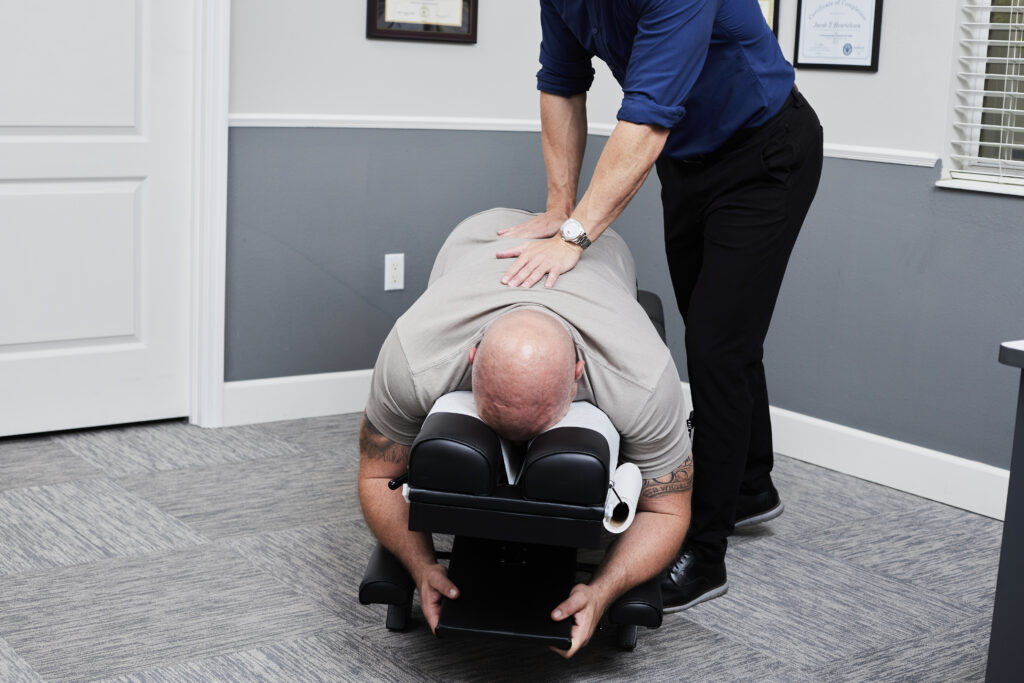

If you're dealing with fibromyalgia, you're likely aware of the difficulties in managing your symptoms. As a local chiropractor, I want to share how alternative care, particularly chiropractic treatment, can be a transformative part of your health journey. Many of my patients have found relief through spinal adjustments and other chiropractic techniques, which can help alleviate pain and improve your overall function.
Chiropractic care focuses on restoring proper alignment and function to the body, which can be especially beneficial for those experiencing the chronic pain associated with fibromyalgia. Additionally, incorporating lifestyle changes, such as exercise, nutrition, and stress management, can further enhance your well-being and support the healing process.
So, what specific strategies can we implement to achieve the best results for your health? Creating a supportive environment is crucial. This might include setting up a comfortable space for relaxation, practicing mindfulness, and maintaining open communication with your healthcare team. Together, we can explore these approaches and develop practical steps tailored to your needs. Your journey to reclaiming control over your health starts here, and I'm here to help guide you along the way.
Understanding Fibromyalgia Symptoms
As a local chiropractor, I want to help you understand fibromyalgia symptoms, which can often be perplexing and vary greatly from one individual to another. Many of my patients report experiencing widespread pain, fatigue, sleep disturbances, and cognitive difficulties often referred to as "fibro fog." These symptoms can fluctuate in intensity, making it challenging to predict how you'll feel each day.
The pain associated with fibromyalgia is often described as a deep ache or burning sensation, and it may be localized or felt throughout the body. You might notice increased sensitivity in certain areas, such as the neck, shoulders, or hips. This tenderness can lead to discomfort during everyday activities, which can complicate your ability to maintain a normal routine and could also be a sign that your body is out of alignment.
Fatigue is another common symptom that frequently accompanies the pain, leaving individuals feeling exhausted even after a full night's sleep. This fatigue can be exacerbated by disrupted sleep patterns, which are common in those with fibromyalgia. Many report waking up feeling unrefreshed, making it difficult to find the energy to tackle the day ahead.
Cognitive difficulties can also be a significant challenge. You might experience trouble concentrating, forgetfulness, or confusion, which can impact your daily life—from work responsibilities to personal relationships. This "fibro fog" can be frustrating, but it's important to know that you're not alone in this experience.
Recognizing these symptoms is a vital first step in managing fibromyalgia and can guide you toward appropriate support and treatment options. As a chiropractor, I focus on natural healing methods that can help alleviate some of these symptoms.
Benefits of Alternative Care
As a local chiropractor, I want to share with you the significant benefits of exploring alternative care options for managing fibromyalgia. One of the primary advantages of chiropractic care is its holistic approach. Rather than just focusing on your symptoms, we take into account your physical, emotional, and mental well-being. This comprehensive perspective allows us to understand your condition more deeply and determine the most effective ways to address it.
In our practice, we emphasize self-care and lifestyle changes that empower you to take charge of your health. By incorporating techniques such as chiropractic adjustments, stretching, and therapeutic exercises, along with practices like yoga and meditation, you can actively participate in your healing journey. This proactive mindset not only helps alleviate your symptoms but also enhances your sense of control over your body and mind.
Additionally, one of the benefits of chiropractic care is the potential reduction in reliance on pharmaceuticals. Many individuals with fibromyalgia experience side effects from conventional medications that can be difficult to manage. Our natural healing approaches aim to provide relief without the same level of adverse effects, helping you feel more comfortable and capable in your everyday life.
Moreover, chiropractic care fosters a supportive community. By engaging with both practitioners and fellow patients who share similar experiences, you can build a strong network of encouragement and understanding. This sense of belonging is incredibly valuable for your emotional well-being, helping to reduce feelings of isolation as you navigate your journey with fibromyalgia.
I invite you to explore the possibilities of chiropractic care and see how it can positively impact your health and quality of life.
Popular Alternative Treatments
As a local chiropractor, I often see individuals with fibromyalgia seeking relief from their symptoms through various alternative treatments. One option that many find beneficial is chiropractic care. This holistic approach focuses on the relationship between the spine and the nervous system, emphasizing the importance of proper alignment to enhance overall well-being.
By addressing spinal misalignments, we can help reduce pain and improve function, leading to a noticeable improvement in fibromyalgia symptoms.
Another popular alternative treatment that complements chiropractic care is acupuncture. This ancient practice involves the insertion of thin needles into specific points on the body, which may help alleviate pain and promote relaxation. Many of my patients report that regular acupuncture sessions, in conjunction with chiropractic adjustments, lead to significant improvements in their daily lives.
Massage therapy is also a key component in managing fibromyalgia. Techniques such as deep tissue massage and myofascial release can effectively relieve muscle tension and improve circulation.
After a massage, many of my patients express feeling more relaxed and less fatigued, making it an excellent adjunct to chiropractic treatment.
Additionally, I encourage my patients to explore herbal supplements and dietary changes. Herbs like turmeric and ginger are known for their anti-inflammatory properties, while supplements such as magnesium can aid in muscle relaxation and promote better sleep.
However, it's crucial to consult with me or another healthcare provider before introducing any new supplements into your routine.
Mind-body practices like yoga and tai chi are also gaining popularity among those coping with fibromyalgia. These gentle exercises not only enhance flexibility and strength but also foster mindfulness, which can be incredibly beneficial in managing symptoms.
I often recommend incorporating these practices into your lifestyle for improved mental clarity and emotional stability.
Lastly, consider the soothing effects of aromatherapy with essential oils. Oils such as lavender and eucalyptus can create a calming environment, helping to reduce stress and promote relaxation.
By exploring these alternative treatments and integrating them into your self-care routine, you can take an active role in managing your fibromyalgia and discovering what works best for you.
As always, I'm here to guide you on your journey to better health and well-being.
Lifestyle Changes for Relief
As a local chiropractor, I want to share some valuable insights on how lifestyle changes can significantly enhance your ability to manage fibromyalgia symptoms, especially when combined with chiropractic care and other natural healing practices.
First and foremost, let's talk about diet. Adopting a balanced, anti-inflammatory diet can do wonders for reducing pain and fatigue associated with fibromyalgia. Focus on incorporating plenty of fruits, vegetables, whole grains, and lean proteins into your meals. Keeping a food diary can also be beneficial; it allows you to pinpoint any specific foods that may trigger flare-ups in your symptoms.
Next, let's prioritize sleep. Quality sleep is crucial for anyone dealing with fibromyalgia. I recommend establishing a calming bedtime routine, minimizing screen time before you hit the hay, and ensuring your sleep environment is comfortable. If sleep continues to be a challenge for you, consider trying relaxation techniques such as deep breathing exercises or meditation, which can be incredibly helpful.
Physical activity is another key aspect of managing fibromyalgia effectively. Low-impact exercises such as walking, swimming, or yoga can improve your flexibility and strength without overexerting your body. Aim for at least 30 minutes of moderate exercise on most days, but remember to listen to your body and adjust your routine accordingly.
Chiropractic adjustments can also support your physical activity by improving your overall mobility and reducing tension.
Managing stress is equally important. I encourage you to incorporate stress-reducing practices into your daily routine. Mindfulness, journaling, or engaging in hobbies you're passionate about can make a significant difference. Additionally, spending time in nature can have a soothing effect on the mind and body, so take the opportunity to enjoy the outdoors whenever possible.
Lastly, let's not forget about hydration. Staying well-hydrated can help combat fatigue and enhance your overall health. As you make these lifestyle adjustments, remember that chiropractic care can complement your efforts by promoting spinal health, improving nerve function, and facilitating better overall wellness.
Creating a Supportive Environment
Creating a supportive environment is essential for your journey with fibromyalgia, and as a chiropractor, I want to help you understand how natural healing can play a role in this process. Start by evaluating your physical space. A well-organized and calming environment can significantly impact your well-being.
Consider decluttering your home to minimize distractions and enhance your relaxation. Soft lighting and comfortable seating can make all the difference, and adding elements like plants or essential oils can promote a soothing atmosphere that aids in your healing.
Next, let's talk about the importance of your emotional environment. It's crucial to surround yourself with supportive individuals who understand what you're going through. Open communication with friends and family about your condition can help them offer the right support.
If certain relationships feel draining, it's completely okay to establish boundaries. You deserve a supportive circle that encourages your wellness journey.
In addition to your physical and emotional surroundings, we should consider how daily routines can impact your health. Incorporating regular rest periods into your day is vital—allow yourself the time to recharge.
Finding a balance between activity and relaxation is key; this way, you can avoid overexerting yourself. Always listen to your body's signals. If you need to rest, it's important to honor that without feeling guilty.
Finally, empower yourself with the resources available to you. Consider joining support groups, whether online or in-person, where you can connect with others who've similar experiences.
Knowledge is power, and educating yourself about fibromyalgia and natural healing methods, including chiropractic care, will help you advocate for your health. As you learn more about your condition, you'll be better equipped to make informed decisions about your wellness journey.
Conclusion
As a local chiropractor, I want to share how incorporating alternative care into your fibromyalgia management can truly transform your life. Many patients may not be familiar with the benefits of chiropractic care, but it can play a significant role in alleviating pain and enhancing your overall well-being.
Chiropractic adjustments can help improve your body's alignment and function, which may reduce discomfort associated with fibromyalgia. In addition to chiropractic care, treatments such as acupuncture and massage therapy can complement your healing process by promoting relaxation and relieving muscle tension.
Alongside these therapies, making lifestyle changes and engaging with a supportive community can empower you to better manage your symptoms. Embracing this holistic approach to health is a proactive step towards feeling your best every day. Remember, you have the power to take control of your health journey, and I'm here to help guide you every step of the way.