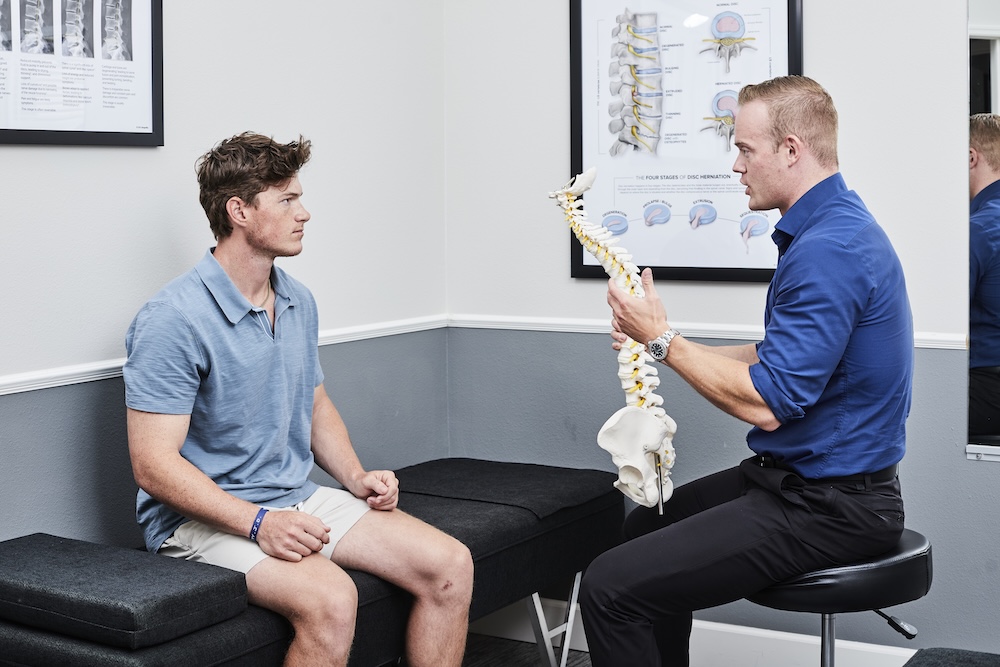
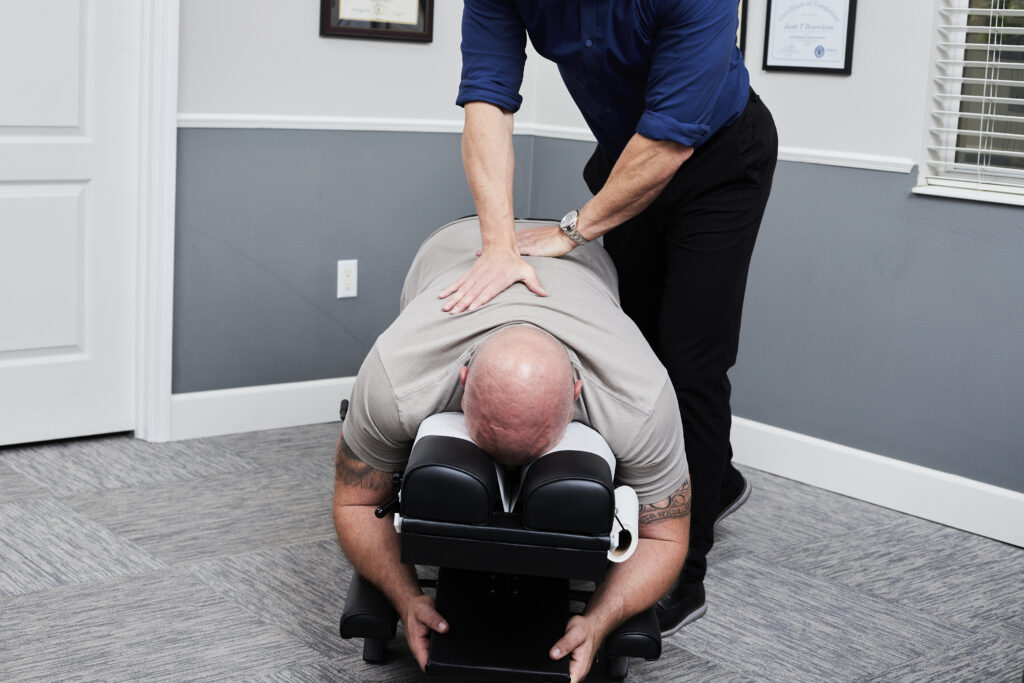
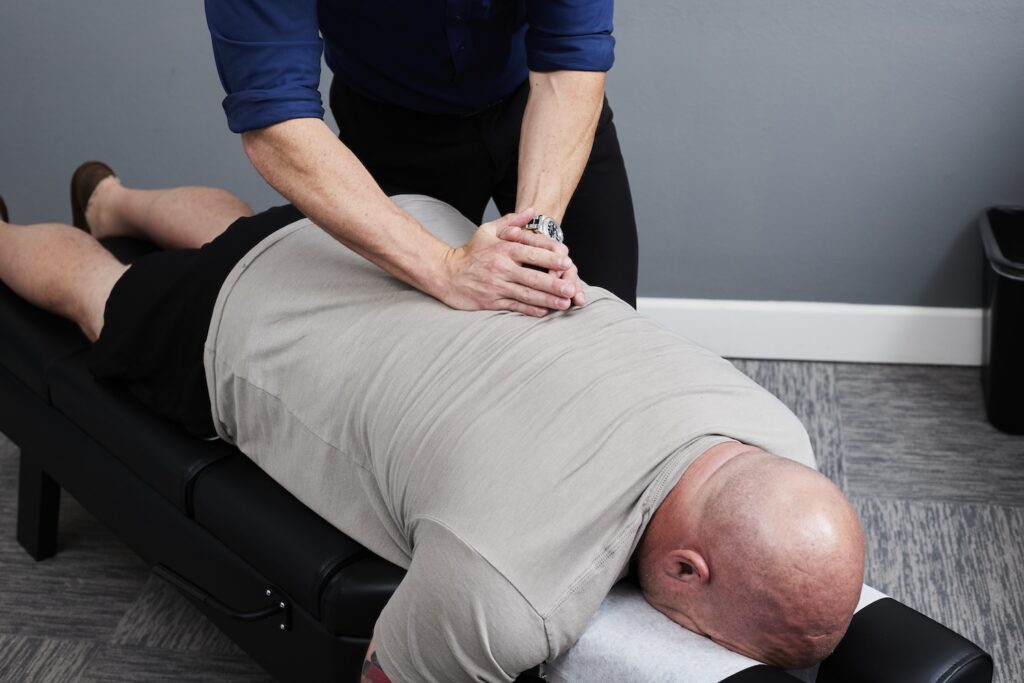
Managing pain can be a daunting experience, but as your local chiropractor, I’m here to share that you have many options that don’t involve medication. By integrating natural techniques into your routine, you can take charge of your health and find relief in ways you may not have considered. From mindfulness practices that promote relaxation to dietary changes that can support your overall well-being, each of these methods offers unique benefits.
You might be surprised at how even small adjustments in your lifestyle can lead to significant improvements in how you feel. If you’re curious about how these strategies can specifically work for you and support your journey to better health, let’s explore some effective techniques together. I’m here to guide you in reclaiming control over your well-being through chiropractic care and natural healing practices.
Mindfulness and Meditation
As a local chiropractor, I want to share how incorporating mindfulness and meditation into your daily routine can significantly help with pain management.
These techniques encourage you to focus on the present moment, which can help you detach from discomfort and reduce your perception of pain. Instead of fixating on your aches, you’ll learn to observe them without judgment, often leading to a decrease in their intensity.
I recommend starting with just a few minutes each day dedicated to mindfulness exercises or meditation.
Find a quiet space where you feel comfortable, close your eyes, and concentrate on your breath. When thoughts about your pain arise, acknowledge them, but gently guide your focus back to your breath. With consistent practice, you’ll become more aware of your body and emotions, which can enhance your ability to cope with pain.
Additionally, there are guided meditations specifically designed for pain management that can provide extra support on your healing journey.
By integrating these practices into your routine, you’ll cultivate a sense of calm and resilience, making it easier to face daily challenges and improve your overall well-being.
Physical Activity and Exercise
As your local chiropractor, I want to emphasize the importance of incorporating physical activity into your daily routine. Many of my patients have experienced a remarkable decrease in their pain levels when they engage in regular movement.
Not only does exercise enhance your mood, but it also fortifies your body, making it more resilient against pain and injury.
Let’s take a closer look at various types of exercises that can be both enjoyable and effective in managing discomfort. From gentle stretching and yoga to low-impact activities like swimming or walking, there are numerous options that cater to different fitness levels.
Benefits of Movement
As a local chiropractor, I want to share with you the incredible benefits of incorporating regular physical activity into your life, especially when it comes to managing pain. Engaging in movement isn’t just about staying fit; it plays a crucial role in your overall health and well-being.
When you move, your body naturally releases endorphins—these are your body’s own pain-relievers. This can significantly improve your mood and reduce discomfort, making it easier for you to navigate day-to-day activities.
Moreover, regular movement enhances circulation, ensuring that essential nutrients reach your muscles and tissues, which is vital for recovery and healing.
You may also notice that staying active increases your flexibility and strength. This means that everyday tasks become easier and less painful, helping you maintain a higher quality of life.
Additionally, movement can serve as a distraction from pain, giving your mind a much-needed break.
Establishing a routine of physical activity can also boost your confidence and contribute to your overall sense of well-being.
Whether you prefer walking, dancing, or practicing yoga, incorporating movement into your daily life can lead to significant improvements in how you feel and cope with pain.
Types of Exercises
As a local chiropractor dedicated to your health and wellness, I want to emphasize the importance of incorporating regular movement into your daily routine. Doing so can significantly help in managing pain and enhancing your overall well-being.
Here are three types of exercises that I often recommend to patients looking to improve their health naturally:
- Stretching: Gentle stretching exercises can play a crucial role in improving your flexibility and reducing muscle tension. This can lead to a reduction in discomfort and a greater range of motion, making everyday activities much easier and more enjoyable.
- Strength Training: Engaging in resistance exercises helps build muscle strength, which is key to supporting your joints. Over time, this can lead to a noticeable decrease in pain and an improved ability to perform daily tasks without discomfort.
- Low-Impact Aerobics: Activities such as walking, swimming, or cycling are excellent options for getting your heart rate up without putting excessive strain on your body. These low-impact exercises offer cardiovascular benefits while being gentle on your joints, making them ideal for anyone looking to enhance their fitness without aggravating existing pain.
By incorporating these exercises into your routine, you can take proactive steps towards better health and pain management.
Dietary Adjustments
As a chiropractor, I want to share how important your diet is in managing pain and enhancing your daily well-being. Many people may not realize that the food you eat can significantly impact inflammation levels in your body, which can lead to discomfort. By making some thoughtful dietary changes, you can support your healing process and feel better overall.
Start by adding more anti-inflammatory foods to your meals. Think of incorporating leafy greens, vibrant berries, and fatty fish into your diet. These foods are known to help lower inflammation and can be beneficial in managing pain.
On the flip side, it’s wise to limit your intake of processed foods, sugary snacks, and unhealthy fats, as these can exacerbate pain and discomfort. Staying well-hydrated is also crucial, so be sure to drink plenty of water throughout the day.
I often recommend smaller, more frequent meals to help maintain energy levels and prevent blood sugar spikes, which can influence how you perceive pain.
It’s also a good idea to pay attention to how different foods make you feel. Keeping a food diary can help you pinpoint any food triggers that may be affecting your pain levels.
Herbal Remedies
As a local chiropractor, I want to share with you how herbal remedies can play a valuable role in managing pain.
Many patients may not realize that certain plants possess natural pain-relieving properties that can complement chiropractic care. It’s essential to explore these options safely and effectively.
In my practice, I often educate patients on how to prepare and use these herbal remedies.
However, it’s equally important to understand the precautions necessary to ensure your safety and well-being while incorporating these natural solutions into your pain management routine.
By combining chiropractic adjustments with the benefits of herbal remedies, you can enhance your body’s healing process and achieve a more holistic approach to your health.
Let’s work together to find the best methods for your individual needs!
Effective Herbal Painkillers
As a local chiropractor, I often encourage my patients to explore natural alternatives to over-the-counter pain relief. Many individuals are surprised to discover how effective herbal remedies can be in managing their pain.
Here are a few herbal painkillers that I often recommend:
- Turmeric: This vibrant yellow spice is renowned for its anti-inflammatory properties. By incorporating turmeric into your diet, you may find relief from pain and swelling, particularly in conditions like arthritis.
- Willow Bark: Sometimes referred to as nature’s aspirin, willow bark has a long history of use for alleviating headaches and muscle discomfort. It can be a great option for those seeking a more natural approach to pain management.
- Ginger: This powerful root isn’t just a culinary favorite; it also has significant pain-relieving qualities. Many of my patients have found that ginger can help reduce pain associated with arthritis and various inflammatory conditions.
Integrating these herbal remedies into your daily routine may offer the relief you’re looking for, without the unwanted side effects that can accompany traditional medications.
However, it’s essential to consult with your healthcare professional before starting any new treatment plan. As your chiropractor, I’m here to support you in finding a holistic approach to your health and well-being.
Preparation Methods Explained
As a local chiropractor, I often explore the benefits of herbal remedies for pain relief with my patients. Understanding various preparation methods can really enhance the effectiveness of these natural solutions.
One of the simplest ways to enjoy the healing properties of herbs is by making teas. For instance, steeping dried herbs like ginger or chamomile in hot water not only creates a soothing drink but also extracts their beneficial compounds.
Another method is infusions, where you can soak herbs in cold water for several hours. This process captures the delicate flavors and nutrients that may be lost in heat.
For those looking for a more concentrated form, tinctures are an excellent option. They involve soaking herbs in alcohol, resulting in a potent solution that’s easy to dose.
If you’re interested in topical pain relief, consider making ointments or salves. By combining herbs with oils and beeswax, you can create a soothing application for your skin.
Lastly, capsules are a convenient way to consume powdered herbs, making it easy to incorporate them into your daily routine. Each of these methods offers unique benefits, and by understanding them, you can tailor your approach to managing pain more effectively.
Safety and Precautions
As a local chiropractor, I want to emphasize the importance of safety when exploring natural healing methods like herbal remedies for pain management.
It’s essential to approach these options with care and consideration. Here are some key points to keep in mind to ensure your well-being:
- Consult with Your Chiropractor or Healthcare Provider: Before introducing any herbal remedies into your routine, please discuss your plans with me or your primary healthcare provider. This is particularly crucial if you’re pregnant, nursing, or currently taking medications, as some herbs may interact negatively with these factors.
- Educate Yourself About the Herbs: It’s vital to understand the specific herbs you’re considering. Familiarize yourself with their potential effects and any side effects they may cause. Some herbs can lead to allergic reactions or may exacerbate existing health conditions, so knowledge is your best ally.
- Begin with Small Quantities: If you’re trying a new herbal remedy for the first time, I recommend starting with a smaller dose. This allows you to monitor how your body reacts before gradually increasing the amount, ensuring a safer experience.
By being well-informed and cautious, you can confidently incorporate herbal remedies into your pain management strategy while complementing the natural healing processes we focus on in chiropractic care.
Your health and safety are my top priorities!
Acupuncture and Acupressure
As a local chiropractor, I want to introduce you to two ancient techniques that can play a significant role in managing pain—acupuncture and acupressure. Both practices focus on stimulating specific points in the body to restore balance and promote natural healing, which aligns beautifully with the principles of chiropractic care.
Acupuncture involves the insertion of fine needles into targeted points, which can activate your body’s natural pain relief mechanisms. Many of my patients are often surprised at how quickly they can experience relief after just a session or two. It’s a powerful tool in our holistic approach to health.
On the other hand, acupressure is a non-invasive alternative that uses finger pressure instead of needles. This makes it an excellent option for those who may feel uncomfortable with acupuncture.
You can easily learn acupressure techniques to practice at home, allowing you to target specific areas where you feel tension or discomfort. Many individuals report benefits such as reduced pain, improved relaxation, and enhanced overall well-being through these methods.
If you’re curious about how acupuncture or acupressure can complement your chiropractic care, I encourage you to consult with a qualified practitioner. Together, we can create a tailored approach that suits your unique needs and helps you on your journey to better health.
Heat and Cold Therapy
As your local chiropractor, I often encourage patients to explore various methods for managing pain, and one effective approach is through heat and cold therapy. Understanding these techniques can significantly support your healing journey.
- Heat Therapy: When you apply heat to an affected area, it helps increase blood flow, relax tight muscles, and alleviate stiffness. You can use a heating pad or a warm towel to target specific areas for relief. This can be particularly useful for chronic pain or muscle soreness.
- Cold Therapy: On the other hand, cold therapy is excellent for reducing inflammation and numbing sharp pain. I recommend using ice wrapped in a cloth, especially after an injury or for conditions such as arthritis. This method can help minimize swelling and provide immediate relief.
- Alternating Therapies: A combination of both heat and cold can be especially beneficial. Alternating between the two can ease muscle tension and improve circulation, offering a comprehensive approach to pain management. This technique can help your body recover more effectively.
Incorporating heat and cold therapy into your daily routine can provide quick relief and enhance your overall comfort.
I encourage you to experiment with both methods to discover which one works best for you. Remember, managing pain naturally is a journey, and I’m here to support you every step of the way!
Sleep Hygiene and Relaxation Techniques
As a local chiropractor, I want to emphasize the importance of sleep hygiene and relaxation techniques in managing pain effectively. It’s crucial to establish a consistent sleep schedule—try to go to bed and wake up at the same time each day. Your bedroom should serve as a peaceful retreat—keep it dark, quiet, and cool to promote better rest.
I recommend avoiding screens for at least an hour before bedtime, as the blue light emitted can interfere with your natural sleep cycle.
In addition to good sleep habits, incorporating relaxation techniques can significantly enhance your sleep quality. Consider practices such as deep breathing exercises, progressive muscle relaxation, or gentle yoga before you hit the hay. These methods can help calm your mind and ease tension in your body, which is vital for your overall well-being.
Also, be mindful of your evening routine. Limiting caffeine and heavy meals can make it easier for you to fall asleep. Instead, you might find it beneficial to sip on a soothing herbal tea as you wind down.
Conclusion
As your local chiropractor, I want to share some valuable natural techniques that can significantly improve your ability to manage pain. Integrating practices such as mindfulness into your daily routine can help you cultivate a greater awareness of your body and its signals. Staying active is essential too; gentle movement can keep your joints flexible and muscles strong, which is crucial for pain management.
Adjusting your diet to include anti-inflammatory foods and exploring herbal remedies can also play a pivotal role in your overall wellness. Additionally, I recommend considering acupuncture, which has been shown to alleviate pain for many patients. Heat and cold therapy can provide immediate relief and help reduce inflammation, while prioritizing good sleep hygiene is vital for your body’s recovery.
By embracing these strategies, you may find a more balanced and pain-free life. Remember, even small adjustments in your lifestyle can lead to substantial improvements in how you feel. I’m here to guide you through these natural healing approaches as part of your chiropractic care journey.