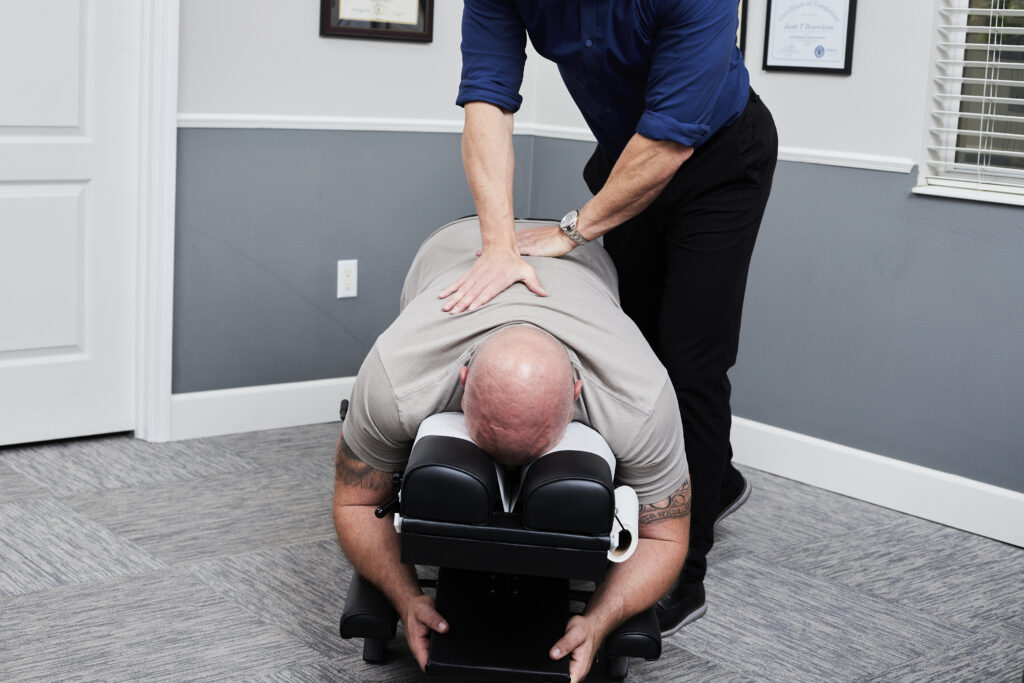

As a local chiropractor, I often encounter patients who are experiencing back pain, and I want to assure you that you are not alone in this struggle. Many individuals are looking for natural techniques to find relief without relying on medication. There are a variety of effective methods you can explore that focus on holistic healing.
Gentle exercises tailored to your specific needs can help strengthen your back and improve flexibility. Mindfulness practices, such as meditation and deep breathing, can also play a significant role in managing pain and stress. Additionally, making dietary adjustments and implementing ergonomic changes in your daily routine can contribute to your overall well-being.
Each of these approaches offers unique benefits that can help you find comfort and restore balance to your body. As we work together, I can guide you in discovering which combination of these natural techniques will best suit your individual needs. Let’s take a closer look at these effective solutions and how they can help you achieve lasting relief from back pain.
Gentle Exercises and Stretches
As a chiropractor dedicated to helping you understand the benefits of natural healing, I want to emphasize the importance of gentle exercises and stretches in managing back pain. These simple yet effective movements can play a crucial role in your recovery process.
I recommend starting with pelvic tilts, cat-cow stretches, and seated forward bends. These exercises are designed to enhance your flexibility and strengthen the muscles supporting your back.
Incorporating these stretches into your daily routine not only alleviates discomfort but also helps prevent future episodes of pain. It’s essential to listen to your body; if you experience any discomfort during these movements, please stop and consult with me.
When practicing these stretches, aim to hold each position for about 15 to 30 seconds while focusing on deep, calming breaths to promote relaxation. For optimal results, try to engage in these exercises at least three times a week.
Additionally, I encourage you to consider low-impact activities such as walking or swimming. These exercises not only support overall strength but also contribute to better endurance and mobility.
Mindfulness and Relaxation Techniques
As your chiropractor, I want to share some valuable techniques that can aid in managing your back pain through mindfulness and relaxation. These practices are essential in helping you stay present, which can significantly reduce stress and tension that often worsen discomfort.
Begin by dedicating a few minutes each day to deep breathing exercises. Inhale deeply through your nose, hold the breath for a moment, and then exhale slowly through your mouth. This simple practice can help calm your nervous system and alleviate some of the pain you may be experiencing.
Another effective technique is guided imagery. Picture a serene landscape or a calming environment; this mental escape can take your focus away from pain and promote relaxation.
Additionally, consider progressive muscle relaxation: by tensing and then relaxing each muscle group, starting from your toes and working your way up to your head, you can release built-up tension throughout your body.
Incorporating yoga or meditation into your daily routine can also be incredibly beneficial. These practices not only foster relaxation but also enhance your body awareness, allowing you to pinpoint areas of tension and address them more effectively.
Dietary Changes for Pain Management
As a local Chiropractor, I want to share how important dietary changes can be in managing back pain.
Many patients may not realize that what you eat can significantly impact your discomfort and overall well-being. By incorporating anti-inflammatory foods into your diet and ensuring you stay well-hydrated, you can help alleviate pain and support your body’s natural healing processes.
Let’s take a closer look at how these simple dietary adjustments can play a vital role in your journey toward pain relief and better health.
Anti-inflammatory Foods
As a local chiropractor, I want to share with you how incorporating anti-inflammatory foods into your diet can play a significant role in managing back pain. Many patients are surprised to learn that what we eat can have a direct impact on our body’s inflammation levels.
Start by adding a variety of fruits to your meals, especially berries and oranges, which are packed with antioxidants that help fight inflammation. Leafy greens, such as spinach and kale, are also essential; they provide vital nutrients that can help reduce inflammation in the body.
Don’t forget about fatty fish like salmon and mackerel. These are rich in omega-3 fatty acids, which are well-known for their anti-inflammatory benefits. Including nuts and seeds in your diet, particularly walnuts and flaxseeds, can further assist in lowering inflammation.
Additionally, whole grains like brown rice and quinoa are great for maintaining overall health and supporting your body’s healing processes.
It’s equally important to be mindful of what you limit in your diet. Processed foods, sugars, and trans fats can contribute to increased inflammation, so try to minimize those as much as possible.
By making these dietary changes and focusing on these anti-inflammatory foods, you’ll be creating a supportive environment for healing, which can significantly alleviate your back pain.
Hydration Importance
As your chiropractor, I want to emphasize the importance of staying properly hydrated for managing back pain. Water plays a crucial role in maintaining the health of your spinal discs and joints. When you’re well-hydrated, your body can effectively cushion and support your spine, helping to reduce discomfort.
On the other hand, dehydration can lead to stiffness, inflammation, and increased pain, which is why it’s vital to drink enough water throughout the day. I recommend aiming for at least eight glasses daily, but remember to adjust this based on your activity level and the climate you’re in.
Additionally, incorporating hydrating foods like fruits and vegetables into your diet can further support your hydration efforts. Even mild dehydration can impact your overall well-being, so I encourage you to make hydration a priority.
Heat and Cold Therapy
As a local chiropractor, I often see patients struggling with back pain, and I want to share how heat and cold therapy can be incredibly beneficial for your recovery.
Heat therapy is excellent for relaxing tight muscles and enhancing blood circulation, which promotes healing. On the other hand, cold therapy is effective for numbing pain and reducing any swelling or inflammation in the affected area.
Understanding when to apply heat versus cold can greatly enhance your pain relief strategy. For instance, if you’re dealing with muscle stiffness or tension, heat can provide soothing relief.
Conversely, if you’ve recently experienced an injury or swelling, cold therapy can help manage those symptoms. By incorporating these therapies into your routine, you can support your body’s natural healing process and improve your overall well-being.
Benefits of Heat Therapy
As a local chiropractor, I want to share with you the benefits of heat therapy for relieving back pain, especially if you’re experiencing muscle tension or stiffness.
Heat therapy is a gentle and effective way to promote healing and relaxation in the affected areas. When you apply heat, it increases blood flow, which is essential for healing. You might find that using a heating pad, hot water bottle, or warm compress can significantly ease your discomfort and improve your mobility.
In addition to relieving pain, heat therapy can help reduce muscle spasms, enabling you to participate in your daily activities with greater comfort. Many of my patients have reported feeling a greater sense of well-being after incorporating heat therapy into their routine, as it allows them to feel more relaxed and at ease.
It’s important to use heat therapy safely; I recommend applying heat for about 15-20 minutes at a time and taking breaks to prevent any skin irritation.
Advantages of Cold Therapy
As a chiropractor committed to your well-being, I want to share the importance of cold therapy in managing back pain. While many people are familiar with heat therapy for alleviating muscle tension, cold therapy is equally vital for promoting healing and comfort.
Here are the benefits of incorporating cold therapy into your pain management routine:
- Reduces inflammation: Cold therapy works by constricting blood vessels, which helps minimize swelling in areas affected by pain. This reduction in inflammation can significantly enhance your comfort levels.
- Numbs pain: The application of cold can temporarily dull nerve activity, providing immediate relief from sharp or acute pain. This numbing effect is valuable for those experiencing intense discomfort.
- Prevents muscle spasms: Cold therapy can help relax tight muscles, which is essential for maintaining mobility and overall function. By easing these spasms, you can move more freely and comfortably.
- Speeds up recovery: After physical activity, using cold therapy can accelerate your recovery from soreness and fatigue. This means you can get back to your daily activities more quickly and with less discomfort.
By integrating cold therapy into your routine, you can support your back health and enhance your overall quality of life.
If you have any questions about how to effectively use cold therapy or how it can fit into your chiropractic care plan, feel free to reach out. Your health is our priority!
Alternative Therapies: Acupuncture and Massage
As a local chiropractor, I want to share the benefits of alternative therapies like acupuncture and massage, especially for those dealing with back pain.
Acupuncture is a time-honored practice that involves the insertion of thin needles into specific points on the body. This technique is designed to stimulate energy flow, which can aid in healing and often leads to a reduction in pain and tension after just a few sessions. Many of my patients have found that acupuncture helps decrease inflammation and enhances their overall sense of well-being.
On the other hand, massage therapy targets the muscles and soft tissues in your back. It works by alleviating tightness and boosting circulation, which can significantly lower pain levels. Regular massage sessions not only help you relax but also support your body’s innate healing processes.
Integrating both acupuncture and massage into your care plan can complement the chiropractic adjustments I provide, offering you a more holistic approach to managing back pain.
If you’re curious about how these therapies can work alongside chiropractic care, I encourage you to consult with me or a qualified practitioner. Together, we can create a personalized plan that meets your unique needs. Embracing these natural healing methods could greatly enhance your journey toward relief and improved health.
Posture Correction and Ergonomics
As a local chiropractor, I want to share some important insights on how proper posture and ergonomics can significantly help prevent and alleviate back pain. Many people underestimate the impact of small adjustments in their daily habits, but these changes can lead to considerable relief.
Here are some key points to keep in mind:
- Sit up straight: It’s vital to maintain a straight back and relaxed shoulders while sitting. This simple adjustment can help reduce strain on your spine and surrounding muscles.
- Adjust your workspace: Take a moment to evaluate the height of your chair and desk. Ensuring that your workspace promotes a neutral wrist position while typing can prevent unnecessary tension and discomfort.
- Use supportive furniture: Consider investing in chairs designed to provide lumbar support. These can help maintain the natural curve of your spine, which is essential for long-term spinal health.
- Take breaks: Remember to stand up and stretch every hour. Prolonged sitting can lead to strain on your back, so regular movement is crucial for keeping your spine healthy.
By incorporating these practices into your daily routine, you can support your overall well-being and reduce the risk of back pain.
If you have any questions or need further guidance on ergonomics and posture, feel free to reach out. Your health is our priority!
Conclusion
As a local chiropractor, I want to share with you some effective natural techniques that can significantly aid in relieving back pain. Integrating gentle exercises into your daily routine is a fantastic starting point. These exercises can help strengthen your back and improve flexibility. Additionally, embracing mindfulness practices can reduce stress, which often contributes to muscle tension.
Making dietary adjustments can also support spinal health; consider incorporating anti-inflammatory foods into your meals. You might be surprised at how much your diet can impact your discomfort. Furthermore, don’t underestimate the power of heat and cold therapy—these simple methods can provide immediate relief for sore muscles.
Exploring alternative therapies, such as acupuncture or massage, can complement your chiropractic care and enhance your healing process. Additionally, I encourage you to pay attention to your posture and make ergonomic adjustments in your workspace. Proper alignment while sitting or standing can prevent further strain on your back.
With consistent effort in these areas, you can regain comfort and mobility, which will significantly enhance your overall well-being. Remember, chiropractic care is a holistic approach to health, and I’m here to guide you on your journey to a pain-free life.