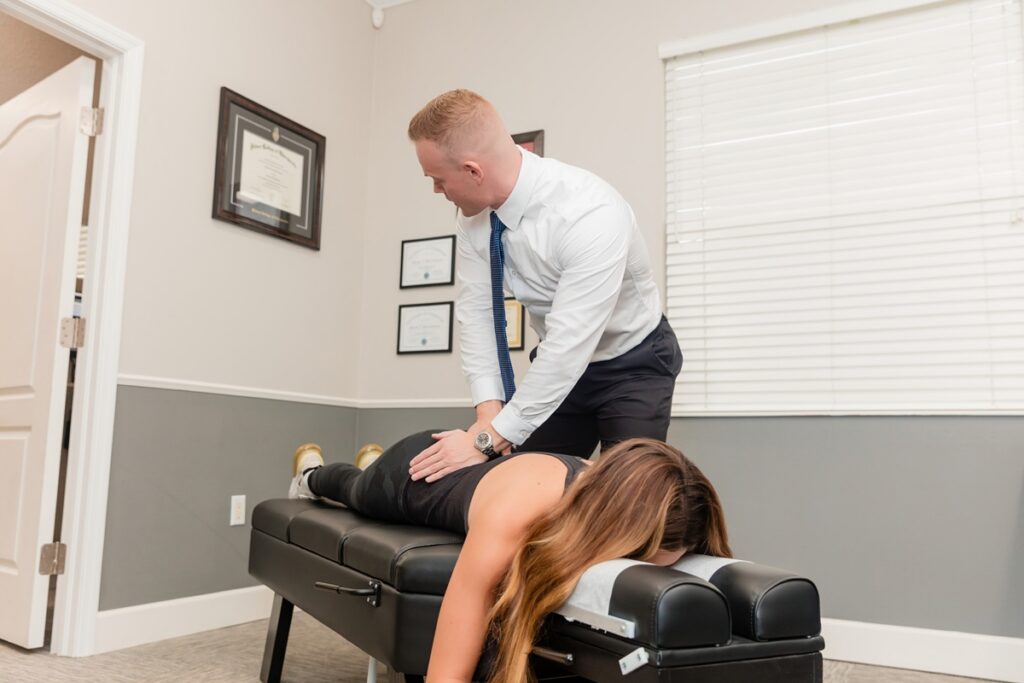
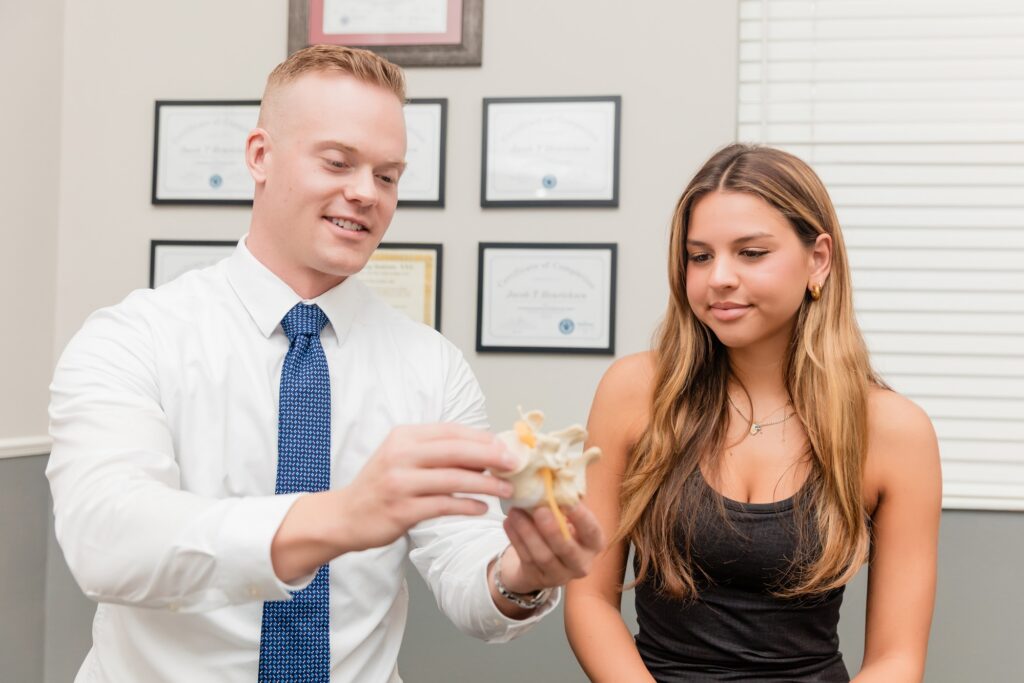
As a local chiropractor, I understand that many of you may be dealing with back pain and might be curious about natural relief techniques. It’s important to know that there are several effective options that can help alleviate your discomfort without relying solely on medication.
Gentle stretching exercises and yoga are fantastic ways to enhance flexibility and relieve tension in your back. Many of my patients have found that incorporating these practices into their daily routine significantly reduces their pain levels. Additionally, herbal remedies can provide soothing relief, and mindfulness practices such as meditation can help you manage the emotional aspects of pain.
Beyond these methods, chiropractic care itself plays a crucial role in addressing back pain. By focusing on spinal alignment and overall body mechanics, we can work together to create a personalized treatment plan that promotes long-term healing. Let’s explore these approaches further to determine which ones may work best for you. Remember, natural healing is within your reach, and I’m here to guide you every step of the way.
Gentle Stretching Exercises
As a local chiropractor, I understand that many of you may be dealing with persistent back pain. One effective way to find relief is through gentle stretching exercises. These stretches not only improve flexibility but also help alleviate tension in your back muscles, making daily activities more manageable.
I recommend starting with simple movements such as the cat-cow stretch. This exercise warms up the spine and helps ease stiffness, which can be particularly beneficial for those suffering from back discomfort.
Another great option is the child’s pose, a calming stretch that specifically targets your lower back.
As you incorporate these stretches into your routine, hold each position for about 15 to 30 seconds, and focus on deep, relaxing breaths. It’s crucial to pay attention to your body; if you experience any pain during a stretch, gently ease out of it.
By regularly practicing these gentle stretches, you may notice significant improvements in your back pain over time. Just a few minutes of stretching each day can lead to substantial benefits.
Consistency is key, so I encourage you to make gentle stretching a part of your daily routine. Remember, chiropractic care works best in conjunction with healthy habits, and stretching is a wonderful way to support your overall well-being.
Yoga for Back Pain Relief
As a local chiropractor, I often recommend incorporating yoga into your routine as a natural way to help relieve back pain. Yoga isn’t just about flexibility and strength; it also promotes relaxation, which is crucial for managing discomfort.
Simple poses such as Cat-Cow, Child’s Pose, and Downward Dog can effectively stretch and strengthen your back muscles, alleviating tension and discomfort. You don’t need to be an expert in yoga to benefit from its practices; even the most basic movements can lead to significant improvements in your condition.
Focus on your breathing and move gently, paying attention to what your body is telling you. Regular practice can enhance your posture, which is vital for reducing the strain on your back.
Moreover, yoga encourages mindfulness, allowing you to better manage stress that may exacerbate your pain. I suggest setting aside a few minutes each day for yoga. Over time, you may start to notice a gradual reduction in your discomfort.
Herbal Remedies and Supplements
As a local chiropractor, I want to share with you how herbal remedies and supplements can play a significant role in managing back pain.
Many of my patients have found options like turmeric and ginger particularly beneficial due to their natural anti-inflammatory properties. Incorporating these into your routine could potentially enhance your healing process.
Additionally, there are various effective supplements available that can support your body’s natural ability to relieve discomfort.
Embracing these natural approaches, alongside chiropractic care, can lead to a more holistic and effective pain management strategy.
Popular Herbal Remedies
As a local chiropractor, I want to share some natural options that can help alleviate back pain, especially if you’re new to chiropractic care and natural healing.
Many patients find that popular herbal remedies provide effective relief without the unwanted side effects that often come with pharmaceuticals.
One powerful option is turmeric, which is renowned for its anti-inflammatory properties. It can help reduce pain and improve mobility, making it a great addition to your wellness routine.
Ginger is another fantastic herb with similar benefits; it can be enjoyed in teas or taken as a supplement.
You might also hear about willow bark, which is often referred to as nature’s aspirin. It has analgesic effects that can help alleviate discomfort.
Additionally, devil’s claw has a long history of use for relieving pain and inflammation, and it’s worth considering.
Another herbal remedy to be aware of is boswellia, which may support joint health and overall mobility.
However, it’s essential to consult with a healthcare professional before starting any herbal regimen to ensure it’s safe and effective for your specific situation.
As your chiropractor, I’m here to guide you through these options and support your journey to better health.
Effective Supplements Overview
As a local chiropractor, I want to share some valuable insights about effective supplements that can complement your journey towards back pain relief. Many of my patients have found that incorporating certain natural supplements can enhance the benefits of chiropractic care.
One supplement worth considering is Omega-3 fatty acids, which are commonly found in fish oil. These have anti-inflammatory properties that may help alleviate discomfort in your back.
Another powerful option is turmeric, specifically its active compound curcumin, which is known for its ability to reduce pain and inflammation.
Magnesium is also important; it plays a crucial role in muscle function and may help ease tension in your back, promoting overall relaxation and comfort.
Additionally, glucosamine and chondroitin are supplements that can support joint health and improve your mobility, which is essential for maintaining an active lifestyle.
Lastly, don’t overlook the importance of vitamin D. It’s vital for bone health, and ensuring you have adequate levels can significantly contribute to your overall back wellness.
Before adding any new supplements to your routine, I strongly recommend consulting with a healthcare professional. They can help determine the best options for your individual needs and ensure that you’re making informed choices on your path to healing.
Mindfulness and Meditation Techniques
As a local Chiropractor, I want to share how mindfulness and meditation can be powerful tools in managing your back pain.
These practices allow you to connect with your body more closely, which is essential for understanding and alleviating discomfort.
By incorporating breathing exercises, guided visualization, and body awareness techniques into your routine, you can cultivate a sense of calm that not only eases pain but also enhances your overall well-being.
Let’s delve into how these natural healing methods can complement chiropractic care and support your journey to a healthier, pain-free life.
Breathing Exercises for Relief
As a local chiropractor, I want to share with you an effective technique that can significantly alleviate back pain: breathing exercises. These exercises not only promote relaxation but also help to reduce muscle tension, which is often a contributor to discomfort.
To begin, find a comfortable position, whether that’s sitting or lying down. Take a deep breath in through your nose for a count of four, allowing your abdomen to expand fully. Hold that breath for just a moment, and then exhale slowly through your mouth for a count of six.
Repeat this process several times while focusing on the natural rhythm of your breath. As you breathe, visualize the tension in your back melting away with each exhale. This practice doesn’t just help in reducing stress; it can also have a profound impact on your back pain.
I encourage you to incorporate these breathing exercises into your daily routine, aiming for at least five minutes each day. You may be surprised at how much better you feel, both in terms of stress relief and back pain reduction.
Give it a try, and let the soothing effects wash over you. Remember, at our clinic, we’re here to support you on your journey to natural healing and overall wellness.
Guided Visualization Practices
As a local chiropractor, I often see how guided visualization practices can significantly aid in managing back pain. These techniques allow you to harness the power of your mind to create a calming environment that can alleviate tension and promote relaxation in your body.
To start, I recommend finding a quiet space where you can relax without interruptions. Close your eyes and take several deep, calming breaths. Picture a serene landscape—maybe a tranquil beach with gentle waves or a peaceful forest filled with soft rustling leaves.
As you immerse yourself in this imagery, envision a warm, healing light surrounding your back, easing any discomfort you may feel.
You might also consider using guided recordings that lead you through specific visualizations tailored for pain relief. Engaging in these practices regularly can help shift your perspective on pain, making it more manageable and improving your overall sense of well-being.
Body Awareness Techniques
As a local chiropractor dedicated to helping you manage and alleviate back pain, I want to introduce you to some effective body awareness techniques that can complement your chiropractic care. These practices are designed to help you reconnect with your body and become more aware of areas where tension may be building up.
To start, consider incorporating mindfulness exercises into your daily routine. Focus on your breath and pay attention to how it feels in your back. Take a moment to perform a gentle body scan, identifying any tight spots or areas that feel uncomfortable. As you breathe deeply, visualize each exhale as a way to release that tension, allowing your muscles to relax.
Meditation can also play a significant role in your healing journey. I encourage you to set aside time each day to sit in a quiet space, observing your thoughts without judgment. This practice of being present and attuned to your body can help you develop a deeper understanding of your pain, empowering you to respond more effectively and reducing discomfort naturally.
Hot and Cold Therapy
As a local chiropractor, I often recommend hot and cold therapy as a straightforward yet effective way to alleviate back pain. Many of my patients find that applying heat can significantly help in relaxing tight muscles, enhancing blood circulation, and reducing stiffness. You might consider using a heating pad, a warm towel, or even indulging in a warm bath for some soothing relief.
Just be cautious not to use heat that’s too intense, as it can lead to burns.
Conversely, cold therapy is another beneficial tool in your pain management arsenal. It can effectively reduce inflammation and numb sharp pain sensations. Ice packs or even a bag of frozen vegetables wrapped in a cloth can work wonders.
I generally recommend applying cold therapy for about 15-20 minutes at a time, particularly after any physical activity or if you’ve experienced an injury.
For optimal results, you can alternate between hot and cold treatments. I encourage you to listen to your body to determine what feels best for you. This combination can be incredibly effective in managing your back pain and getting you back to your daily activities with improved comfort and mobility.
Proper Posture and Ergonomics
As a local chiropractor, I want to emphasize the importance of maintaining proper posture and ergonomics to prevent and alleviate back pain. Many people may not realize how crucial these practices are for their overall health and wellness.
When you’re seated, it’s vital to keep your feet flat on the floor and ensure that your knees are at or slightly below hip level. Choosing a chair that provides support for your lower back is essential; it allows you to sit upright without straining your spine.
If you spend long hours at a desk, position your computer monitor at eye level. This simple adjustment can prevent slouching and the tendency to lean forward, which can lead to discomfort.
For those moments when you’re standing, remember to distribute your weight evenly between both feet and avoid locking your knees. Engaging your core muscles will provide additional support to your lower back, promoting better posture.
Additionally, during your daily activities, it’s important to be aware of how you lift objects. Always bend at your knees and keep the object close to your body. This technique utilizes the strength of your legs instead of putting undue strain on your back.
By incorporating these ergonomic practices into your everyday routine, you can significantly reduce your risk of experiencing back pain and improve your overall well-being.
As your chiropractor, I’m here to help guide you on your journey to better posture and health through natural healing methods.
Acupuncture and Acupressure
As a local chiropractor, I want to introduce you to the effective, natural methods of acupuncture and acupressure for alleviating back pain. These techniques focus on specific points throughout the body to promote healing and relaxation, which can complement your chiropractic care.
In acupuncture, fine needles are carefully inserted at precise locations to stimulate energy flow, reduce inflammation, and relieve tension. Many patients experience significant pain relief after just a few sessions, making it an excellent option alongside your chiropractic adjustments.
Acupressure, on the other hand, uses finger pressure on the same points targeted in acupuncture, making it a fantastic self-care practice that you can do at home. By applying pressure with your fingers or thumbs to areas that feel tight or sore, you can help manage your discomfort between visits.
Both acupuncture and acupressure can help balance your body’s energy, improve circulation, and encourage relaxation.
I encourage you to consider incorporating these techniques into your health routine, whether through professional treatments or self-applied acupressure. With consistent practice, you may find a substantial reduction in your back pain, allowing you to enjoy your daily activities with greater ease and comfort.
Conclusion
As your local chiropractor, I want to share some effective natural back pain relief techniques that can greatly enhance your comfort and overall well-being. By incorporating gentle stretching and yoga into your daily routine, you can help alleviate tension and improve flexibility. Additionally, herbal remedies can offer supportive benefits for pain management, while mindfulness practices allow you to cultivate a deeper awareness of your body and its needs.
It’s also important to consider the advantages of hot and cold therapy. Applying heat can help relax tight muscles, while cold packs can reduce inflammation and numb sharp pain. Maintaining proper posture is crucial in preventing further discomfort, so be mindful of how you sit and stand throughout the day.
Another valuable tool to explore is acupuncture, which has been shown to provide relief for many patients. Remember, finding the right combination of these techniques may take some time, but with persistence, you can achieve lasting relief and greatly improve your quality of life. Don’t hesitate to reach out if you have questions or need guidance on incorporating these natural methods into your healing journey.