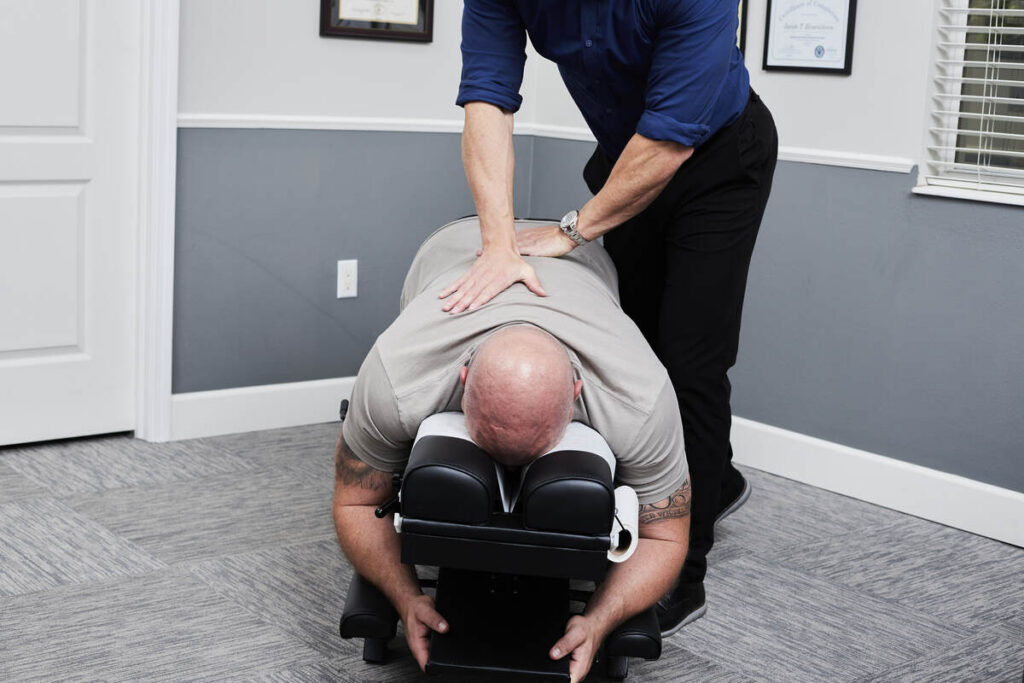

As a local chiropractor, I want to emphasize the importance of mastering your posture for achieving lasting relief from back pain. Many of my patients come to me struggling with discomfort that has become a hindrance in their daily lives, often stemming from poor alignment. It’s crucial to understand that by recognizing common postural mistakes and making simple adjustments, you can significantly enhance your overall well-being.
It’s not solely about sitting up straight; there’s much more to it. I encourage you to explore practical strategies and exercises that can easily fit into your everyday routine. By doing so, you can experience a remarkable transformation in your approach to spinal health. Together, we can work towards improving your posture and, consequently, your quality of life. Let’s take this journey towards better health and pain relief together!
Understanding the Link Between Posture and Back Pain
As a local chiropractor, I want to take a moment to discuss how your posture can significantly influence your back health. Many people don’t realize that sitting or standing with poor posture can contribute to back pain. Your body’s alignment is crucial for keeping your muscles balanced and your spine healthy.
When you slouch or hunch over, your spine can curve in ways that it shouldn’t, which places unnecessary strain on your back muscles and ligaments. Over time, this strain can lead to discomfort, stiffness, and even chronic pain.
Additionally, poor posture doesn’t just affect your back; it can also impact your breathing and circulation. When you’re hunched over, your lungs don’t have the room to expand fully. This can reduce the oxygen flow to your body and leave you feeling fatigued.
Unfortunately, this creates a cycle: when you’re less active due to fatigue, your muscles may weaken, further worsening your back pain.
At our chiropractic practice, we focus on educating our patients about the importance of maintaining good posture for overall health. By making simple adjustments to how you sit and stand, you can help alleviate back pain and improve your overall well-being.
Common Posture Mistakes That Contribute to Discomfort
As a local chiropractor, I want to highlight a common issue that many people overlook: slouching while sitting. This seemingly minor habit can significantly affect your back health over time.
Additionally, if your desk setup isn’t ergonomically correct, it can worsen your discomfort and lead to more serious problems.
Let’s take a closer look at these common posture mistakes and discuss some simple adjustments you can make to promote better alignment and overall relief.
Slouching While Sitting
As a local chiropractor, I often see patients who experience discomfort from slouching while sitting, especially after long hours in front of a screen.
When you hunch forward, your spine loses its natural curve, which can create significant stress on your muscles and ligaments. This misalignment isn’t just uncomfortable; it can lead to tension in your back, headaches, and even fatigue.
To help alleviate these issues, I recommend focusing on maintaining a straight back and relaxed shoulders while seated. Ensure that your feet are flat on the floor and your knees are either at or below hip level.
Investing in a chair that provides support for your lower back is also important.
Additionally, don’t forget to take regular breaks to stand, stretch, and move around. These small adjustments can make a huge difference in your overall comfort and help prevent long-term pain.
Incorrect Desk Setup
As a local chiropractor, I often see the effects of poor desk setups on my patients’ posture and overall well-being. A desk that isn’t set up properly can increase discomfort, especially if you tend to slouch. For instance, if your monitor is positioned too low, you may find yourself leaning forward, which can strain both your neck and back.
It’s essential to have a chair that provides adequate support for your lower back. If your chair lacks proper lumbar support, you might end up leaning in ways that can lead to further discomfort. Your feet should always rest flat on the floor or on a footrest; keeping your legs dangling can contribute to unnecessary tension in your back and legs.
Additionally, it’s important to keep frequently used items within easy reach. This helps prevent excessive stretching or twisting, which can lead to strain. When typing, ensure your wrists remain straight—using a wrist rest can be very beneficial in maintaining this alignment.
Lastly, adjust your chair height so that your elbows are at a comfortable 90-degree angle. Making these adjustments to your workspace can significantly improve your posture and help alleviate back pain.
The Importance of Ergonomics in Your Workspace
As a chiropractor, I want to emphasize the significant role that an ergonomic workspace plays in your overall health and well-being. Many of my patients come to me with complaints of back pain, and often a contributing factor is their work environment.
When your desk, chair, and computer setup are poorly arranged, it can lead to discomfort and strain, making it difficult to maintain proper posture throughout the day.
To start, ensure that your chair is adjusted to a height where your feet rest flat on the ground and your knees form a 90-degree angle. This simple adjustment can make a world of difference!
Your desk should be at a height that allows your elbows to remain comfortably bent, ideally also around 90 degrees, while you type.
The positioning of your monitor is crucial as well. It should be at eye level and about an arm’s length away. This helps prevent you from leaning forward or putting unnecessary strain on your neck.
If your feet don’t comfortably reach the floor, consider using a footrest for additional support.
Incorporating ergonomic accessories, such as a comfortable keyboard or mouse, can also help alleviate strain on your body.
By prioritizing ergonomics in your workspace, you’re not just supporting your back; you’re also enhancing your productivity and overall health.
Techniques for Improving Your Posture Throughout the Day
As a local chiropractor, I want to emphasize the importance of simple techniques for improving your posture throughout the day. Many individuals may not realize how much their daily habits affect their spinal health.
Start by becoming mindful of your body alignment. When you’re standing, aim to distribute your weight evenly between both feet while keeping your shoulders relaxed and pulled back. If you find yourself sitting, ensure that your feet are flat on the floor and that your back is straight against the chair.
Incorporating reminders into your daily routine can be incredibly beneficial. Consider setting an hourly reminder on your phone to check your posture. Adjusting your computer screen to eye level is a great way to prevent slouching, and when using your phone, try to hold it at eye level instead of bending your neck down.
Additionally, it’s crucial to take short breaks to stretch and reset your posture throughout the day. Even a quick walk can work wonders for your alignment and help alleviate tension.
Exercises to Strengthen Core Muscles and Support Your Back
As a local chiropractor, I want to emphasize the importance of strengthening your core muscles for supporting your back and preventing discomfort. A strong core plays a crucial role in stabilizing your spine and alleviating strain on your back.
Let’s start with some foundational exercises. One effective exercise is the plank. Begin by holding a plank position for 20 to 30 seconds, and as you build strength, gradually increase the duration. This simple position engages multiple muscle groups, providing essential support for your spine.
Next, I recommend incorporating bridges into your routine. To perform this exercise, lie on your back with your knees bent. Lift your hips off the ground to create a straight line from your shoulders to your knees. This movement primarily targets your glutes and lower back, which are vital for spinal health.
Another excellent exercise is the bird-dog. Begin by kneeling on all fours, then extend one arm forward while simultaneously extending the opposite leg behind you. Switch sides, and repeat. This exercise enhances stability and coordination, which are essential for maintaining a healthy back.
Lastly, consider seated abdominal twists. Sit up tall in a chair and gently rotate your torso to each side while keeping your hips stable. This exercise promotes flexibility and strength in your core.
Aim to complete two to three sets of each of these exercises, two to three times a week. By committing to these core-strengthening exercises, you’ll significantly improve your back support and help reduce discomfort.
Mindfulness and Body Awareness for Better Posture
As a local chiropractor, I often emphasize the importance of not just physical exercises but also the power of mindfulness and body awareness in achieving better posture.
It’s essential to tune into your body’s sensations throughout your daily activities. Pay attention to how you hold yourself when sitting, standing, or walking. Regularly checking in with your posture can help you recognize whether your shoulders are slumped or your head is jutting forward. This kind of awareness is crucial in identifying and correcting poor habits before they lead to discomfort or pain.
In addition, I encourage incorporating breathing exercises into your routine. Deep and intentional breaths can help ground you, facilitating the release of tension and allowing your body to align naturally.
Mindfulness meditation is another excellent tool to enhance your overall body awareness. By focusing on your physical presence, you’ll cultivate a deeper connection with your posture, which is vital for maintaining spinal health and overall well-being.
Lifestyle Changes for Long-Term Postural Health
As a local chiropractor, I want to share some essential lifestyle changes that can support your spine and overall well-being for the long haul.
First and foremost, let’s take a close look at your workspace. It’s crucial to ensure that your chair provides adequate lumbar support and that your computer screen is positioned at eye level to prevent unnecessary strain on your neck and back.
I recommend that you make it a habit to take regular breaks throughout your day. Standing up, stretching, and moving around can significantly alleviate the tension that builds up from long periods of sitting.
Additionally, incorporating physical activities like walking or yoga into your routine can help strengthen your core muscles, which play a vital role in supporting your spine.
Don’t overlook the importance of your footwear! Choosing shoes that provide proper arch support can make a world of difference in how your body feels throughout the day.
It’s also important to nourish your body with a balanced diet rich in nutrients like calcium and vitamin D, which are essential for maintaining healthy bones.
Finally, let’s talk about sleep. A good mattress that supports your spine’s natural alignment is key to a restful night’s sleep and can significantly impact your overall posture.
By implementing these lifestyle adjustments, you’re laying the groundwork for lasting postural health, which can help reduce back pain and enhance your quality of life.
Conclusion
As a local chiropractor, I want to emphasize the importance of mastering your posture for lasting relief from back pain. Many people are often unaware of the common mistakes they make in their daily habits that contribute to discomfort. By understanding these issues and making ergonomic adjustments in your workspace and home, you can significantly support your spine and improve your overall well-being.
Engaging in core-strengthening exercises is another vital aspect of maintaining a healthy posture. A strong core provides the necessary support for your spine, helping to alleviate pressure and reduce pain. I encourage you to remain mindful of your body’s alignment throughout the day and consider adopting lifestyle changes that promote long-term postural health.
Chiropractic care can play a crucial role in this journey. Regular adjustments can help correct spinal misalignments, improve mobility, and enhance your body’s natural healing abilities. With consistent effort and the right guidance, you can achieve a pain-free lifestyle and enjoy the freedom that comes with proper alignment. Remember, I’m here to help you every step of the way on this path to wellness.