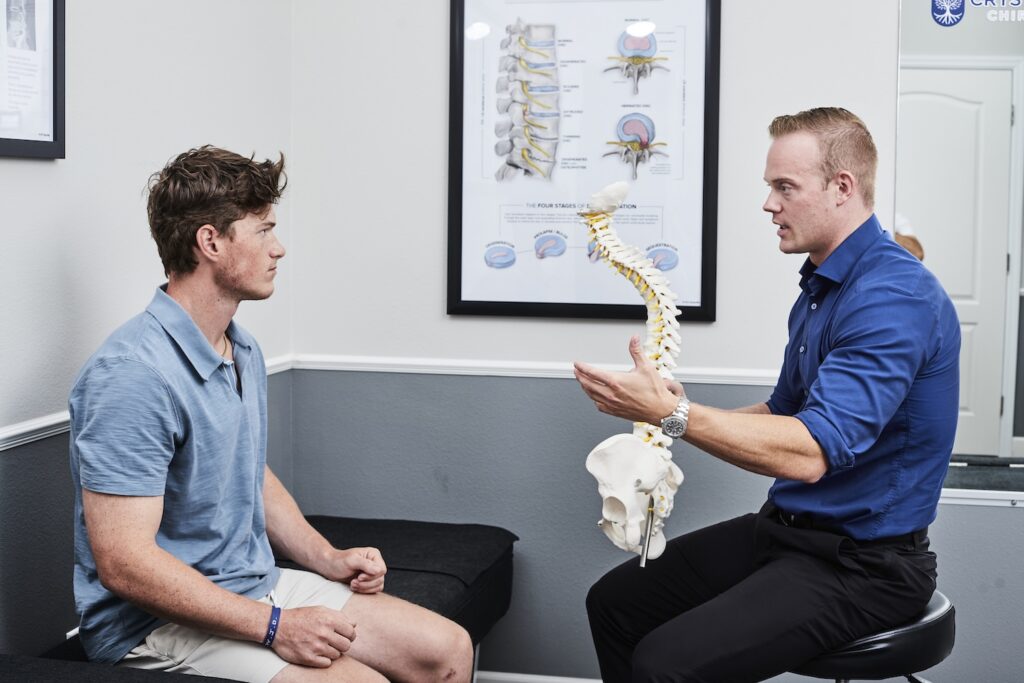
As a local chiropractor, I want to shed light on how a holistic approach to managing ADHD symptoms in children can significantly impact their well-being. It's essential to recognize that a collaborative care approach, involving not just parents and teachers, but also healthcare providers like chiropractors, can create a tailored strategy that meets your child's specific needs.
By fostering open communication and structured environments, we can help build emotional resilience and enhance focus. Chiropractic care can play a vital role in this process by promoting overall health and well-being. We often explore effective strategies such as adjustments to improve nervous system function, which can help alleviate some ADHD symptoms.
Additionally, incorporating lifestyle changes, such as nutrition and exercise, can further support your child's development. By addressing these factors alongside traditional methods, we can transform your child's experience in a positive way. What specific techniques or support might you be interested in to help your child thrive?
Understanding ADHD in Children
Understanding ADHD in children is crucial for recognizing how it impacts their daily lives and behaviors, especially from a holistic health perspective. As a chiropractor, I see many families who may notice that their child has difficulties with focus, impulsivity, or hyperactivity. These symptoms can appear in various environments, such as home or school, affecting their ability to follow instructions, complete tasks, and maintain friendships.
As you observe your child, you might find them getting easily distracted, misplacing items often, or jumping from one activity to another without finishing anything. It's important to understand that these behaviors aren't just temporary phases; they're linked to how ADHD can influence their neurological function. By approaching these challenges with patience and understanding, instead of frustration, you can create a supportive environment that nurtures their wellbeing.
Additionally, emotional responses may seem exaggerated in your child, where they become easily overwhelmed or upset over minor issues. This emotional dysregulation is a common aspect of ADHD, and it can significantly affect their social interactions. By acknowledging these patterns, you can better address their needs and foster their strengths, contributing to their overall health and happiness.
Remember, ADHD doesn't reflect your child's intelligence or potential. Many children with ADHD are incredibly creative and intelligent; they simply process information differently.
As a chiropractor, I believe in the importance of a holistic approach to health, addressing not just physical symptoms but also emotional and cognitive wellbeing. By understanding ADHD in children, you'll be better prepared to support them in navigating their world effectively, allowing them to thrive despite the challenges they may face.
Importance of Early Diagnosis
Early diagnosis of ADHD can significantly influence a child's developmental journey, and as a local chiropractor, I want to highlight the importance of early intervention not just from a medical standpoint, but from a holistic perspective as well.
Identifying symptoms early allows for a range of natural treatments and lifestyle adjustments that can lead to improved outcomes for your child. Delaying diagnosis often results in missed opportunities to address underlying issues, which may negatively impact self-esteem and academic performance.
Recognizing the signs of ADHD as soon as possible allows you to explore natural healing strategies that can help your child flourish. Early intervention can lead to:
- Improved Academic Performance: With the right support, including chiropractic care, children can develop effective learning strategies that align with their unique needs, helping them focus and retain information better.
- Enhanced Social Skills: Early diagnosis enables you to work on social skills through natural therapies, which can help your child build stronger relationships with peers and navigate social situations with confidence.
- Reduced Behavioral Issues: By addressing symptoms proactively through natural methods, you can minimize disruptive behaviors that often stem from frustration or misunderstanding, creating a more harmonious home environment.
- Stronger Family Dynamics: Understanding your child's challenges encourages open communication and cooperation within the family, fostering a supportive atmosphere.
The earlier you take action, the more holistic tools and resources are available to you.
Collaborating with educators and exploring natural healing options, such as chiropractic care, can create an environment that nurtures your child's development.
Collaborative Care Approach
When addressing ADHD in children, I believe that a collaborative care approach can greatly enhance the effectiveness of treatment.
As a chiropractor, I emphasize the importance of working together with parents, teachers, and other caregivers to create a comprehensive plan for your child's well-being. By combining our efforts, we can implement natural healing strategies, maintain open lines of communication, and consistently monitor your child's progress.
This teamwork allows us to make necessary adjustments to the treatment plan, ensuring it remains tailored to your child's unique needs.
By integrating chiropractic care with other supportive therapies, we aim to promote better overall outcomes for your child, helping them thrive both academically and socially.
Let's work together to explore how natural healing can play a vital role in your child's journey with ADHD.
Team-Based Treatment Strategies
A collaborative care approach can be incredibly beneficial for children with ADHD, and as a local chiropractor, I want to highlight how this strategy can incorporate natural healing methods to support your child's overall well-being.
By assembling a team of professionals, we can address the various aspects of your child's health and create a comprehensive treatment plan tailored to their unique needs.
Here are some essential components of a team-based treatment strategy that includes chiropractic care:
- Chiropractic Care: As a chiropractor, I focus on the alignment of the spine and overall nervous system function. Regular adjustments can help improve your child's physical health, which may, in turn, enhance their ability to focus and manage behavioral challenges.
- Behavioral Therapists: These professionals work closely with your child to develop effective coping mechanisms and behavioral strategies, complementing the physical benefits of chiropractic care.
- Pediatricians or Psychiatrists: While they assess your child's condition and may prescribe medications if needed, it's important to discuss holistic options, including chiropractic care, as a part of your child's treatment.
- School Personnel: Teachers and counselors play an important role in monitoring your child's behavior in educational settings. Their observations can guide the team in developing effective strategies to support your child's learning and behavior.
- Parent Involvement: Your engagement is crucial in this process. Sharing your observations and concerns helps the team, including me as your chiropractor, to adjust the treatment plan and ensure it remains effective as your child grows.
Communication Among Caregivers
Effective communication among caregivers is essential for a collaborative approach to health, including managing conditions like ADHD in children. When parents, teachers, and healthcare providers, including chiropractors, share insights about a child's health and behavior, we can develop a comprehensive understanding of their needs. Keeping everyone informed fosters a consistent approach to treatment and overall well-being.
Start by setting up regular check-ins with all caregivers involved in your child's life. These meetings don't have to be lengthy but should focus on sharing observations about the child's health, progress, and any challenges they may face. Utilizing tools such as shared notes or health apps can help document and communicate vital updates. This practice not only keeps everyone in the loop but also cultivates a strong sense of teamwork in supporting the child's health journey.
Encourage an open dialogue where caregivers feel at ease discussing their experiences and concerns regarding the child's health. Actively listening and validating each other's perspectives can enhance relationships and improve care strategies. If conflicts or misunderstandings arise, addressing them directly is important; resolving these issues promptly can help maintain a stable support network for your child.
Incorporating feedback from all caregivers can lead to more effective strategies tailored to your child's unique health needs. By prioritizing communication and collaboration, you create a nurturing environment that empowers your child to thrive, allowing them to navigate challenges, including those associated with ADHD, more effectively.
As a chiropractor, I believe in the importance of a holistic approach to health that includes natural healing methods to support your child's overall well-being.
Consistent Monitoring and Adjustments
Monitoring your health journey, especially when managing conditions like ADHD, is crucial for your overall well-being. As a local chiropractor, I believe that by consistently observing your progress in various aspects of life—such as behavior, daily activities, and social interactions—you can uncover valuable insights that can guide your natural healing process.
This collaborative approach promotes open communication between your healthcare providers and ensures a comprehensive care plan.
To effectively monitor and adjust your wellness plan, here are some key strategies to consider:
- Regular Check-ins: Schedule routine appointments with me, as well as other healthcare professionals such as therapists and teachers, to discuss your progress and any challenges you may face.
- Behavioral Tracking: Keep a daily log of your experiences, noting how your body feels and any reactions to treatments. This can be especially useful in identifying patterns and making informed adjustments.
- Involve Your Family: Encourage your loved ones to share their observations and experiences with you. Their insights can empower you to take a more active role in your healing journey.
- Flexibility: Be open to adapting your approach based on your experiences and feedback from your healthcare team. What works today may need some adjustments tomorrow, and that's perfectly okay.
By using these strategies, you can enhance your understanding of your health and optimize your care for better outcomes.
Behavioral Therapy Techniques
As a local chiropractor, I want to share how you can support your child's well-being, especially if they're managing ADHD.
Integrating effective behavioral therapy techniques can be incredibly beneficial. For instance, employing positive reinforcement strategies can encourage your child to engage in desired behaviors, much like how we encourage proper posture and alignment in chiropractic care.
Establishing structured routines helps create consistency, similar to how we promote regular adjustments for optimal health.
Additionally, incorporating social skills training can enhance your child's interactions with peers, paralleling how we focus on holistic health to improve overall quality of life.
These methods can empower your child to thrive and develop essential life skills, while also considering natural healing approaches.
Positive Reinforcement Strategies
As a local chiropractor, I want to share how positive reinforcement strategies can be beneficial not just in behavioral management, but also in promoting overall well-being for children, especially those with ADHD.
Just as we encourage physical health through spinal adjustments and holistic care, reinforcing positive behaviors can lead to a harmonious balance in their lives.
Here are some effective strategies that can be easily integrated into your routine:
- Immediate rewards: Much like how we address pain immediately through adjustments, providing praise or small rewards right after your child exhibits desired behavior strengthens the positive connection between their actions and the outcome.
- Token systems: Think of this as a way to track progress in your child's development—much like we track improvements in your spine's alignment. Create a chart where your child can earn tokens for completing tasks or following rules, which they can later exchange for a larger reward. This not only motivates them but also teaches them about goal setting.
- Specific praise: Just as I might explain the specific benefits of a chiropractic adjustment, be specific about what your child did well. This helps them understand exactly what behaviors to replicate, reinforcing their learning and growth.
- Celebrate milestones: In chiropractic care, we celebrate every step of progress as you move towards better health. Similarly, acknowledging and celebrating small achievements in your child's behavior fosters a sense of accomplishment and encourages them to continue striving for success.
Structured Routines Implementation
Establishing a structured routine can significantly benefit your child's ability to manage ADHD symptoms, and as a local chiropractor, I can attest to the holistic benefits of a well-balanced lifestyle. By implementing a consistent daily schedule, you help your child understand what to expect, which can reduce anxiety and impulsivity often associated with ADHD.
Begin by mapping out specific times for waking up, meals, homework, play, and bedtime. This predictability can be particularly beneficial for their nervous system, promoting a sense of stability and ease.
Involving your child in creating this routine is essential. Ask them about their favorite activities and when they feel most focused. This not only empowers them but also enhances their commitment to adhere to the plan.
Utilizing visual aids, such as charts or color-coded schedules, can provide a clear representation of these daily activities, making it easier for your child to follow along. While it's important to keep the routine flexible to accommodate unexpected changes, maintaining consistency is key to fostering a sense of security—something that's vital for both mental and physical well-being.
Regularly reviewing the schedule with your child is a great practice. Celebrate their successes and discuss any challenges they face. As a chiropractor, I understand the importance of adaptability; feel free to adjust the routine as needed to ensure it remains effective.
Lastly, don't forget to incorporate breaks into the routine. Short breaks allow your child to recharge and refocus, minimizing frustration and enhancing their overall well-being.
With a structured routine in place, your child may experience improved focus, reduced anxiety, and more effective management of their ADHD symptoms, all of which align with the principles of natural healing we advocate in chiropractic care.
Social Skills Training
As a local chiropractor, I want to emphasize the importance of holistic approaches to health and well-being, particularly when it comes to nurturing social skills in children with ADHD.
Just as we use targeted techniques to align the body for optimal function, we can also apply structured strategies to help children navigate social interactions more effectively. By fostering these skills, we empower them to build connections, enhance communication, and improve their overall social experiences in a supportive environment.
Here are some effective strategies that can complement chiropractic care in promoting social skills development:
- Role-Playing: Similar to how we might practice certain movements to improve physical health, engaging in role-play scenarios allows your child to practice social interactions in a safe space. This helps them learn appropriate responses and behaviors.
- Social Stories: Think of these as narratives that illustrate specific social situations your child might encounter. Just like a chiropractic adjustment aligns the spine, these stories can clarify expectations and appropriate behaviors in social settings.
- Video Modeling: Watching videos that demonstrate positive social interactions can offer visual examples. This is akin to observing proper posture or movement patterns, making it easier for your child to understand and replicate these behaviors in real life.
- Positive Reinforcement: Just as we encourage patients to maintain their adjustments through healthy habits, rewarding your child for exhibiting desired social skills reinforces these behaviors and encourages continuous practice and development over time.
Role of Medication
As a local chiropractor, I want to share insights on how we can support children managing ADHD through natural methods. While medication is often considered for addressing symptoms like inattention, impulsivity, and hyperactivity, there are alternative approaches that can be beneficial.
Chiropractic care focuses on the connection between the spine and the nervous system, which plays a crucial role in overall health and well-being. By ensuring that the spine is aligned, we can help improve communication between the brain and the body. This may lead to better focus, increased self-control, and a reduction in hyperactive behaviors.
It's essential to consult with healthcare professionals who specialize in ADHD to discuss all potential options, including chiropractic care. A chiropractor can work collaboratively with other practitioners to create a holistic treatment plan tailored to your child's unique needs.
Regular chiropractic adjustments can help alleviate physical tension and stress, potentially improving your child's mood and behavior. Additionally, incorporating healthy lifestyle habits, such as balanced nutrition and regular physical activity, can further enhance their overall well-being.
While it's important to acknowledge that some families may find medication helpful, I encourage you to explore natural healing methods as part of a comprehensive approach to managing ADHD. By combining chiropractic care with behavioral therapies and supportive routines, you can help your child thrive in a more natural, holistic manner.
Creating a Structured Environment
A structured environment can significantly enhance the well-being of children managing ADHD, and as a local chiropractor, I want to highlight how chiropractic care and natural healing can play a role in this process.
Providing stability in a child's life is essential for their overall health, and creating a consistent routine can be a key factor in achieving this. When you establish a daily schedule that includes regular times for meals, homework, and bedtime, it helps your child understand what to expect, which can reduce anxiety and improve focus.
Chiropractic adjustments can further support this by promoting better nervous system function, ultimately aiding in their ability to concentrate and manage stress.
Here are some strategies you can incorporate to create a structured environment at home:
- Establish a daily schedule: Just as you plan your appointments with a chiropractor, having a predictable routine can help your child feel more secure. Make sure to include time for physical activity, as chiropractic care emphasizes the importance of movement for overall health.
- Designate specific areas for activities: Creating a quiet homework space, free from distractions, can enhance focus. Regular chiropractic visits can also help alleviate any physical discomfort that may arise from poor posture while studying.
- Use visual aids: Charts or timers can be effective tools to keep your child on task and aware of time limits. Chiropractic care often involves educating patients about body awareness, which can be beneficial in teaching children how to manage their own time and activities.
- Set clear expectations: Communicate rules and responsibilities clearly to avoid confusion, just like we explain the chiropractic process to our patients. Understanding what's expected can empower children and reduce anxiety.
- Break tasks into smaller steps: This method makes assignments feel less overwhelming, similar to how we break down treatment plans to ensure progress is manageable and achievable.
- Use routines for transitions: Providing warnings before moving from one activity to another can help your child mentally prepare. Chiropractic care advocates for holistic approaches, which often includes mindfulness and awareness of transitions.
- Encourage independence: Allowing your child to make choices within the structure fosters a sense of control and responsibility. Chiropractic care promotes self-advocacy in health, encouraging children to listen to their bodies and express their needs.
Incorporating these strategies, alongside regular chiropractic care, can create a nurturing environment that allows your child to thrive while managing ADHD. Your child's health is a holistic journey, and together, we can support their development through structured routines and natural healing.
Lifestyle Modifications
As a local chiropractor, I want to emphasize how lifestyle modifications can significantly support children with ADHD in managing their daily lives. One of the most effective strategies is to establish a consistent routine. Children flourish with predictability, so having scheduled times for meals, homework, and bedtime can enhance their sense of security and concentration.
Utilizing visual schedules or charts can also reinforce this structure, providing clear expectations for daily activities.
Incorporating regular physical activity is another crucial aspect to consider. Exercise not only boosts focus but also serves as an outlet for excess energy—a vital need for children with ADHD. Encourage your child to explore activities they find enjoyable, whether it's biking, swimming, or participating in team sports.
Aim for at least 30 minutes of physical activity on most days to support their overall health and well-being.
Nutrition plays a pivotal role in managing ADHD symptoms as well. A balanced diet rich in fruits, vegetables, whole grains, and lean proteins can help stabilize mood and attention. It's wise to limit sugary snacks and processed foods, as these can heighten hyperactivity.
Additionally, ensuring your child stays hydrated is essential, since even mild dehydration can hinder concentration.
Sleep quality is another critical factor. Establishing a consistent bedtime and creating a calming nighttime routine can significantly aid your child in winding down. Strive for the recommended amount of sleep for their age, as sufficient rest can greatly enhance attention and mood stability.
Lastly, I encourage you to consider integrating mindfulness practices, such as deep breathing exercises or yoga, to help your child manage stress and improve focus.
Supporting Emotional Well-being
Supporting emotional well-being is crucial for children with ADHD, as it significantly influences their ability to navigate everyday challenges. As a chiropractor, I understand that when children feel emotionally supported, they're better equipped to manage their symptoms and engage positively with peers and family.
Here are some strategies you can adopt at home to foster emotional resilience, which can complement the physical adjustments we provide in our chiropractic care.
First and foremost, encourage open communication. Allow your child to express their feelings without fear of judgment. This practice helps them feel acknowledged and understood. Additionally, active listening is vital; show genuine interest in what they're saying. This builds trust and encourages them to share their thoughts more freely.
Here are a few more approaches to consider:
- Establish routines: Creating consistent daily schedules can provide a sense of security for your child. Just as regular chiropractic adjustments can help maintain physical balance, predictable routines help children anticipate what comes next, thereby reducing anxiety.
- Teach coping skills: Equip your child with natural strategies to manage stress. Techniques like deep breathing or taking breaks when emotions escalate are effective tools that can complement their overall well-being.
- Promote positive self-talk: Help your child cultivate a positive inner dialogue. Just as chiropractic care can help align the body, encouraging positive thoughts can help align their mindset, combating negativity and enhancing self-esteem.
- Encourage social interaction: Facilitate playdates or group activities to help your child build friendships and develop essential social skills. Strong social connections are vital for emotional growth and can positively influence their overall health.
By integrating these strategies at home, you're not only supporting your child's emotional well-being but also enhancing the benefits of the chiropractic care they receive.
Together, we can work towards a healthier, more balanced life for your child.
Involving Educators and Schools
Involving healthcare providers, such as chiropractors, in the management of ADHD can greatly enhance a child's overall well-being. When practitioners understand ADHD, they can contribute to creating a holistic approach that supports your child's health and learning.
Communication is essential, so it's important to establish a strong relationship with your child's chiropractor. Share insights about your child's strengths, challenges, and any strategies that have been effective at home. This partnership can help the chiropractor tailor their approach to meet your child's specific needs.
Consider discussing natural treatment options that may complement traditional methods, such as chiropractic adjustments, which can help improve focus and reduce stress. Regular visits can help track progress and adjust techniques as needed.
Encourage the chiropractor to implement strategies like promoting a balanced lifestyle, proper nutrition, and physical activity, all of which can support your child's ability to concentrate and engage in their daily activities.
Additionally, educating families about ADHD and the benefits of chiropractic care can foster a more supportive environment for your child. Providing resources or hosting workshops can empower parents with effective tools and techniques.
Encourage open communication, so your child feels comfortable discussing their challenges and seeking help in a supportive setting.
Lastly, don't forget to advocate for your child's health and well-being. Stay involved in their care and proactively address any concerns that arise.
Conclusion
As a chiropractor, I want to share the importance of a collaborative approach in managing ADHD symptoms in children. Working alongside parents, healthcare providers, and educators, we can create a customized plan that addresses your child's specific needs. Chiropractic care can be a valuable component of this plan, as it focuses on enhancing the overall well-being of the nervous system, which plays a crucial role in attention and focus.
Incorporating structured routines, positive reinforcement, and healthy lifestyle choices—such as proper nutrition and regular physical activity—can also significantly support your child's emotional health and concentration. As a parent, your active involvement is vital in this journey. By staying engaged and informed about chiropractic care and its benefits, you can help your child thrive and achieve better management of their ADHD symptoms. Together, we can explore holistic approaches that empower your child to reach their full potential.