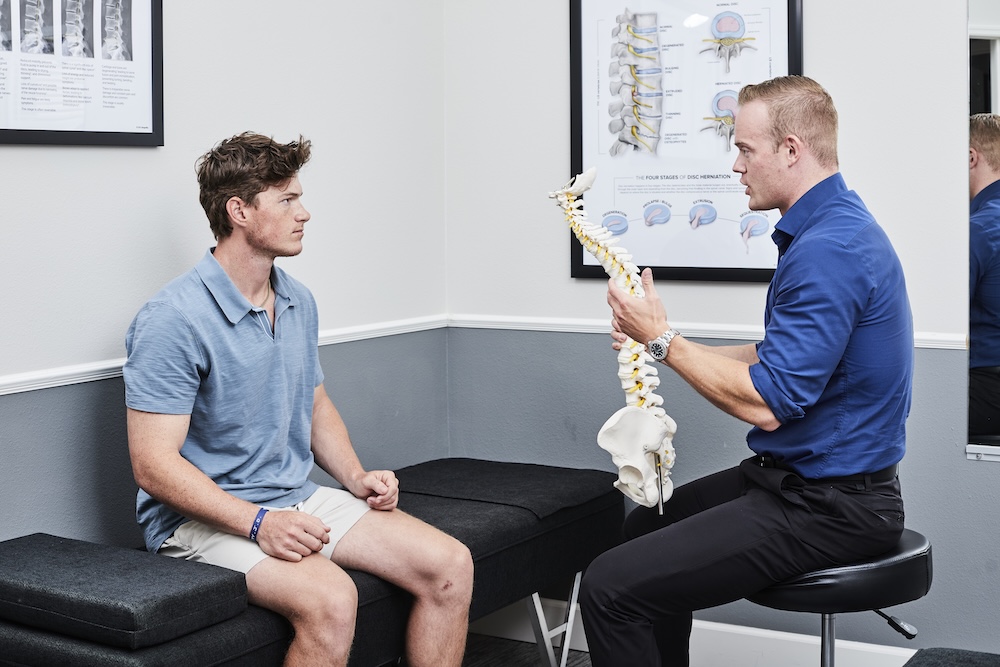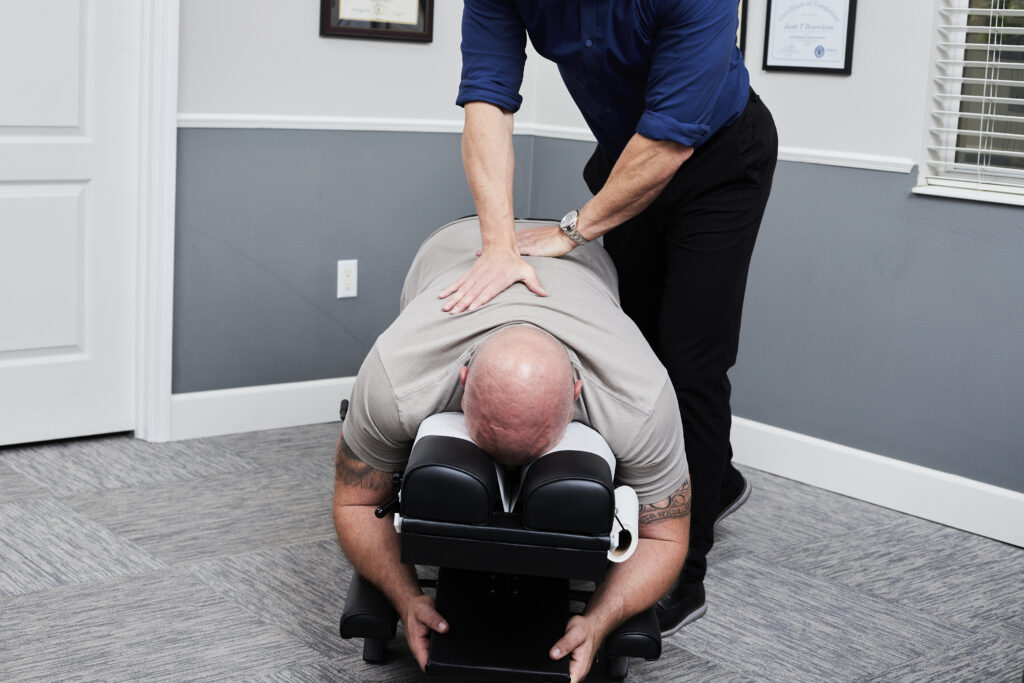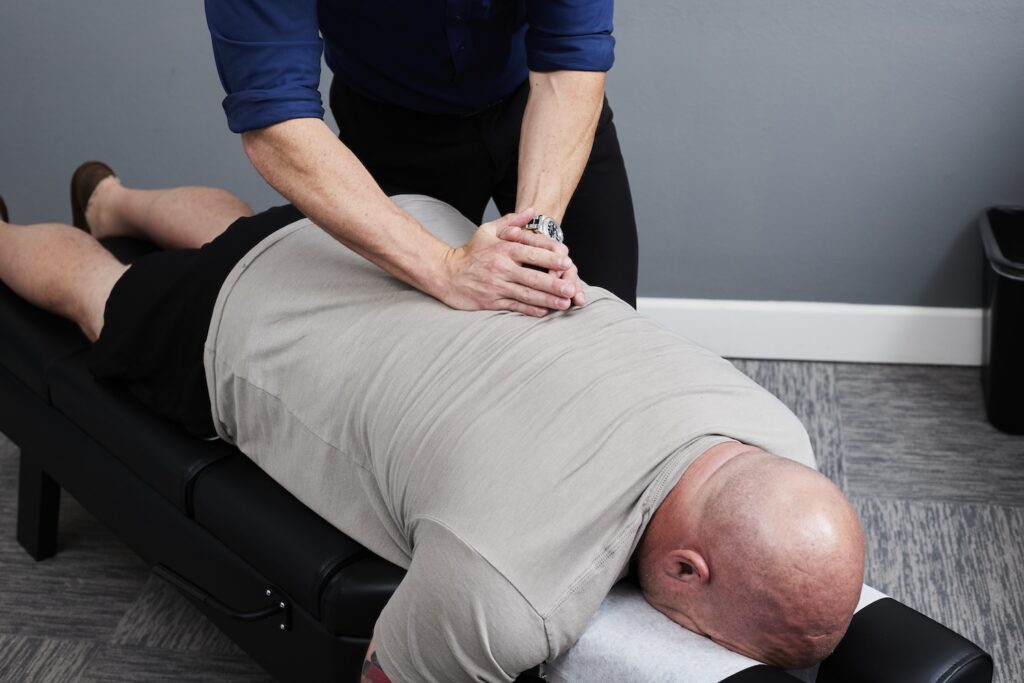

As a local chiropractor, I understand that back pain can significantly affect your daily activities and overall quality of life. Many individuals may not realize that by implementing some straightforward lifestyle changes, they can substantially minimize their risk of experiencing discomfort. Simple adjustments, such as improving your posture and engaging in regular exercise, can lead to remarkable improvements in your back health.
Are you interested in learning about specific changes that can benefit your back and enhance your well-being? Allow me to share seven effective strategies that can help you maintain a healthier spine and support your journey towards natural healing. Together, we can work towards a pain-free life!
Improve Your Posture
As a local chiropractor, I want to emphasize the importance of posture for maintaining a healthy spine and overall well-being. Good posture is crucial; it not only protects your spine but can also significantly enhance your quality of life.
When you’re sitting, ensure your feet are flat on the floor, your knees are aligned with your hips, and your back is supported by the chair. If you’re spending long hours at a desk, it’s vital to adjust your monitor to eye level to avoid straining your neck and shoulders.
While standing, distribute your weight evenly across both feet, and avoid locking your knees, as this can lead to discomfort. Engaging your core muscles can provide additional support to your spine. If you frequently carry a bag, remember to switch sides regularly to maintain muscle balance.
Listen to your body; if you start to feel any discomfort, it’s a signal to reassess your posture. Small changes can make a world of difference.
By incorporating these adjustments into your daily routine, you can reduce your risk of back pain, improve your posture, and boost your confidence.
Stay Active With Regular Exercise
As your local chiropractor, I want to emphasize the importance of staying active to prevent back pain, and how regular exercise can significantly contribute to your overall health.
Engaging in low-impact activities is a great way to protect your joints while keeping your body moving. Incorporating strength training exercises can also help build the muscles that support your spine, which is essential for maintaining proper alignment and function.
Before you dive into any exercise routine, don’t forget to stretch! Stretching is crucial as it prepares your muscles and joints for the activity ahead, reducing the risk of injury.
By following these simple steps, you can’t only keep your back healthy but also enhance your overall well-being. Remember, a well-rounded approach to fitness and movement is vital in achieving long-lasting health and vitality.
As always, if you have any questions or need personalized advice, feel free to reach out!
Choose Low-Impact Activities
As a local chiropractor, I want to share with you the importance of incorporating low-impact activities into your routine for overall health and back pain prevention. Many people believe that only intense workouts can keep them fit, but that’s not the case.
Engaging in low-impact activities such as walking, swimming, and cycling can be just as beneficial for your body, particularly for your spine. These activities provide excellent cardiovascular benefits while minimizing strain on your back. They help maintain flexibility and strengthen the muscles that support your spine, which is crucial for preventing pain and injury.
The beauty of low-impact exercises is that they can easily fit into your daily life, making them enjoyable and sustainable. By choosing low-impact activities, you also reduce your risk of injury, allowing you to stay active for longer periods.
Listen to your body and select activities that feel good for you, ensuring consistency in your efforts to maintain a healthy spine. Remember, staying active doesn’t have to involve high-impact workouts. As your chiropractor, I encourage you to explore these gentler options for a healthier, pain-free life.
Incorporate Strength Training
As a local chiropractor, I want to emphasize the importance of incorporating strength training into your routine for better back health and overall fitness. Strengthening your muscles plays a crucial role in supporting your spine and enhancing your posture, which can significantly decrease your chances of experiencing back pain.
Focusing on exercises that strengthen your core, hips, and lower back is essential for maintaining stability and preventing injuries. I recommend incorporating movements such as squats, deadlifts, and planks into your regimen.
It’s vital to use proper form while performing these exercises to avoid any unnecessary strain on your body. Aim for two to three strength training sessions a week, and remember to gradually increase the intensity as your strength improves.
Consistency is key—making strength training a regular part of your routine will lead to noticeable improvements in your daily activities and a reduction in back discomfort.
You don’t need to lift heavy weights; bodyweight exercises can also be incredibly effective. By prioritizing strength training, you’re taking an important step toward better health and wellness.
If you have any questions or need guidance on starting a strength training program that suits your needs, don’t hesitate to reach out to me.
Stretch Before Exercise
As a local chiropractor, I want to emphasize the importance of stretching before you engage in any workout. Spending just five to ten minutes on a proper stretching routine can significantly help in preventing back pain and discomfort.
Stretching is essential for increasing flexibility, which not only enhances your overall performance but also minimizes the risk of injuries.
I recommend focusing on key muscle groups such as your hamstrings, hip flexors, and lower back. These areas often accumulate tension and, if not addressed, can lead to discomfort and other issues.
Incorporating dynamic stretches, like arm circles and leg swings, is particularly beneficial as they warm up your muscles and prepare them for the activity ahead.
You don’t need to devote a lot of time; a brief yet effective routine can greatly enhance your mobility and support your spine’s health.
Make stretching a non-negotiable part of your exercise routine, and your back will thank you for it.
If you have any questions about specific stretches or how to integrate them into your fitness regimen, feel free to ask! Your journey to better health starts with simple steps like these.
Incorporate Stretching Into Your Routine
As your local chiropractor, I want to emphasize the importance of incorporating stretching into your daily routine for optimal back health. Stretching not only improves your flexibility and alleviates tension, but it also plays a crucial role in injury prevention. Many of my patients are surprised to learn how simple stretching techniques can make a significant difference in their overall well-being.
Let’s discuss some effective stretching exercises that you can seamlessly integrate into your workday. By setting aside just a few minutes each hour to stretch, you can help maintain your spinal health and reduce discomfort.
This proactive approach to self-care is essential in supporting your body’s natural healing processes. Remember, small adjustments to your routine can lead to substantial long-term benefits for your back and overall health.
Daily Stretching Benefits
As a local chiropractor, I want to share with you the incredible benefits of incorporating daily stretching into your routine. Many people are unaware of how effective stretching can be in enhancing your overall well-being and preventing back pain.
By making stretching a regular part of your day, you’ll not only improve your flexibility but also strengthen the muscles that support your spine. Here are some key benefits you can expect:
- Improved Posture: Stretching plays a vital role in aligning your body properly, which helps reduce the tendency to slouch. This is important because poor posture can contribute to chronic back pain.
- Increased Blood Flow: Regular stretching enhances circulation throughout your body. This increased blood flow delivers essential nutrients to your muscles, aiding in recovery and maintaining muscle health.
- Reduced Stress: Stretching can serve as a powerful relaxation technique. It helps alleviate tension not only in your back but also throughout your entire body, promoting a sense of calm and well-being.
I encourage you to prioritize stretching in your daily activities. You may be surprised by the significant improvements in how you feel and function throughout the day.
Effective Stretching Techniques
As a local chiropractor, I often see how busy lives can make it challenging to prioritize stretching. However, I want to share some effective techniques that can seamlessly integrate stretching into your daily routine.
Start your day with just five minutes dedicated to your body; focus on key muscle groups such as your back, hips, and legs. Incorporating simple stretches like the cat-cow, hamstring stretch, and seated twists can be done quickly and yield great benefits for your flexibility and overall health.
To help you stay committed, consider setting reminders on your phone or even downloading a stretching app. Stretching can also be woven into your daily activities; for example, take a moment to stretch your back while waiting for your coffee to brew. It’s these small adjustments that can make a significant difference.
Remember, consistency is essential. By making stretching a regular part of your routine, you’ll not only improve your flexibility but also reduce the risk of back pain and enhance your overall well-being.
Taking care of your body through these natural methods can complement the chiropractic care I provide and help you lead a healthier, more active life.
Incorporating Stretching at Work
As a local chiropractor, I often see the effects of prolonged sitting on our bodies, especially in the workplace. If you find yourself in front of a computer for long periods, it’s essential to take a few moments to stretch. Not only can this help alleviate discomfort, particularly in your back, but it can also significantly enhance your overall productivity and energy levels.
I recommend setting a reminder every hour to stand up and incorporate some gentle movements into your routine. Here are a few effective stretches you can easily perform right at your desk:
- Neck Rolls: Gently roll your head from side to side to relieve tension in your neck and improve circulation.
- Seated Torso Twists: While seated, rotate your torso gently to each side. This helps to stretch your back and promote spinal mobility.
- Wrist and Finger Stretches: Take a moment to stretch your wrists and fingers. This is especially important to counteract the repetitive strain from typing and using a mouse.
By integrating these simple stretches into your workday, you can help maintain your spine’s health and support your body’s natural healing processes.
Invest in a Supportive Mattress and Chair
As a local chiropractor, I want to emphasize the crucial role that a supportive mattress and chair play in maintaining your back health. Many people may not realize just how much these items affect your overall comfort and well-being.
A quality mattress is essential for ensuring that your spine stays properly aligned while you sleep. It’s important to find one that offers the right mix of firmness and softness tailored to your sleeping position—whether you’re a back, side, or stomach sleeper. This alignment is key to preventing unnecessary strain on your back muscles and joints.
When it comes to sitting, the right chair can make a world of difference, especially if you spend long hours at a desk. An ergonomic chair that provides support for your lower back and promotes a neutral spine position can help alleviate discomfort and reduce the risk of developing chronic pain.
Look for chairs that offer adjustable features, allowing you to customize the height and angle to suit your body.
Investing in a supportive mattress and chair isn’t just about comfort; it’s about enhancing your overall quality of life and preventing back pain. Your body deserves the support it needs to thrive, so I urge you to consider how these everyday items impact your health.
Taking these steps can lead to better sleep, improved posture, and a healthier lifestyle.
Practice Proper Lifting Techniques
As a local chiropractor, I want to share some important insights about preventing back pain, particularly when it comes to lifting heavy or awkward objects. Understanding proper lifting techniques is crucial for protecting your back and maintaining overall spinal health.
Here are some key steps to keep in mind:
First and foremost, take a moment to assess the weight and size of the object before you lift it. If it feels too heavy or cumbersome, please don’t hesitate to ask for assistance—it’s always better to be safe than sorry.
Here are some essential lifting tips you should incorporate into your routine:
- Bend your knees, not your back: When preparing to lift, squat down while keeping your back straight and engaging your core muscles. This position helps to protect your spine and reduces the risk of injury.
- Keep the load close: Holding the object close to your body minimizes the strain on your back and allows you to maintain better balance as you lift.
- Use your legs: When lifting, rely on your legs to do the work rather than your back. Stand up by straightening your legs while keeping the object close, which ensures a smoother and safer lift.
By following these simple yet effective lifting techniques, you can significantly reduce the risk of back pain and injuries.
Maintain a Healthy Weight
As a local chiropractor, I want to emphasize the importance of maintaining a healthy weight for your overall well-being and specifically for the health of your back. Carrying extra weight can place significant strain on your spine, leading to discomfort and even injury over time.
When your body is burdened with excess pounds, it has to work harder to support itself, which can negatively impact your posture and lead to misalignment.
To achieve and maintain a healthy weight, I recommend embracing a balanced diet that includes plenty of fruits, vegetables, lean proteins, and whole grains. Coupling this with regular physical activity—whether it’s walking, swimming, or cycling—can help strengthen your core muscles.
These muscles are essential for providing the support your back needs. Additionally, staying properly hydrated is key, as it helps maintain joint flexibility and overall health.
I encourage you to regularly monitor your weight, as this awareness can motivate you to stick to healthy habits. By prioritizing weight management, you can significantly reduce your risk of back pain and enhance your quality of life.
Manage Stress Effectively
As a local chiropractor, I often see how carrying excess weight can put additional stress on your body, particularly your back, leading to discomfort and pain.
It’s crucial to manage stress effectively to alleviate this strain. When you’re under stress, your muscles tend to tense up, which can further contribute to back pain.
Here are some natural strategies you can incorporate into your daily routine:
- Practice mindfulness: Techniques such as meditation and deep breathing exercises can be incredibly beneficial. They help calm your mind and promote relaxation, which is essential for overall well-being.
- Engage in regular exercise: Staying active is vital. Physical activity not only strengthens your muscles but also releases endorphins—your body’s natural mood lifters—helping to lower stress levels and improve your overall outlook.
- Prioritize sleep: Don’t underestimate the power of quality sleep. It allows your body to recover properly and plays a significant role in managing stress. A well-rested body is more resilient and better equipped to handle daily challenges.
By adopting these practices, you can support your body’s natural ability to heal and maintain a healthy spine, ultimately reducing discomfort and enhancing your quality of life.
Conclusion
As a local chiropractor dedicated to helping my patients understand the importance of spinal health, I want to share with you seven lifestyle changes that can significantly reduce your risk of back pain. First and foremost, it’s essential to focus on your posture. Good posture not only supports your spine but also enhances your overall health.
Staying active is crucial; regular movement keeps your muscles strong and flexible, which can prevent injuries. Incorporating stretching into your daily routine can also help maintain flexibility and alleviate tension.
I encourage you to invest in supportive furniture, whether it be your chair at work or your mattress at home, as this can make a substantial difference in your comfort levels. Additionally, practicing proper lifting techniques is vital; always lift with your legs, not your back, to avoid strain.
Maintaining a healthy weight is another important factor, as excess weight can put additional stress on your spine. Finally, effective stress management plays a key role in your overall well-being, as stress can lead to muscle tension and pain.
By adopting these practices, not only will you protect your back, but you will also enhance your overall quality of life. Start implementing these changes today, and you’ll likely notice a positive difference in how you feel! If you have any questions or would like personalized advice, don’t hesitate to reach out. I’m here to support you on your journey to better health!