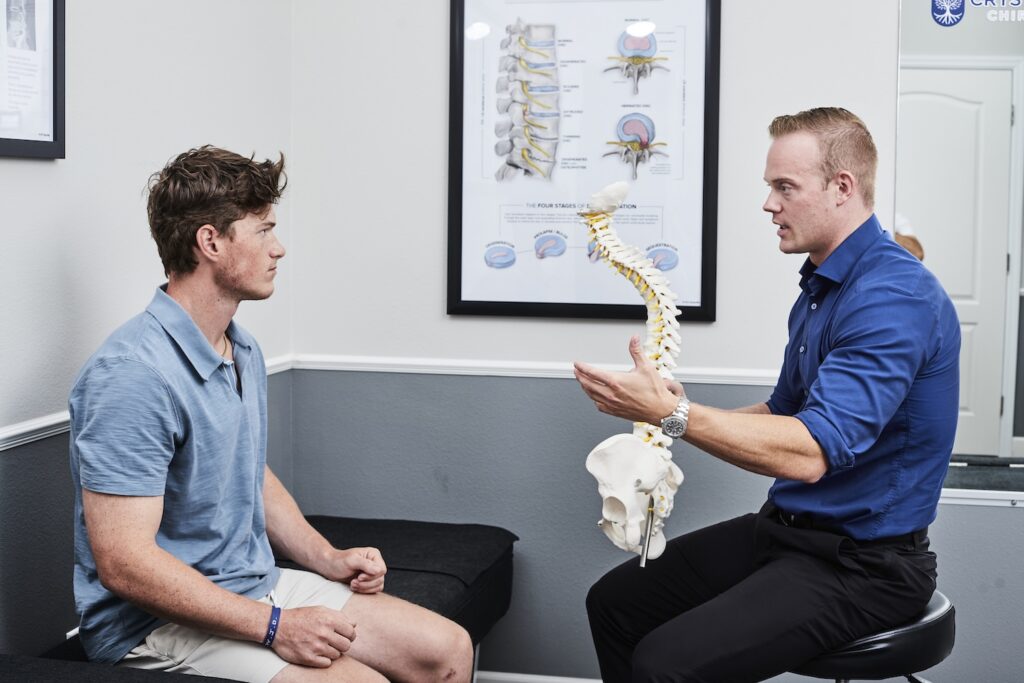

As a local chiropractor dedicated to your family's health, I want to highlight the importance of safe treatment methods for infants and toddlers. Understanding how to care for your little ones during common ailments like fevers or teething discomfort is essential for their overall well-being. Knowledge of age-appropriate natural remedies and gentle techniques can make a significant difference in their comfort and recovery.
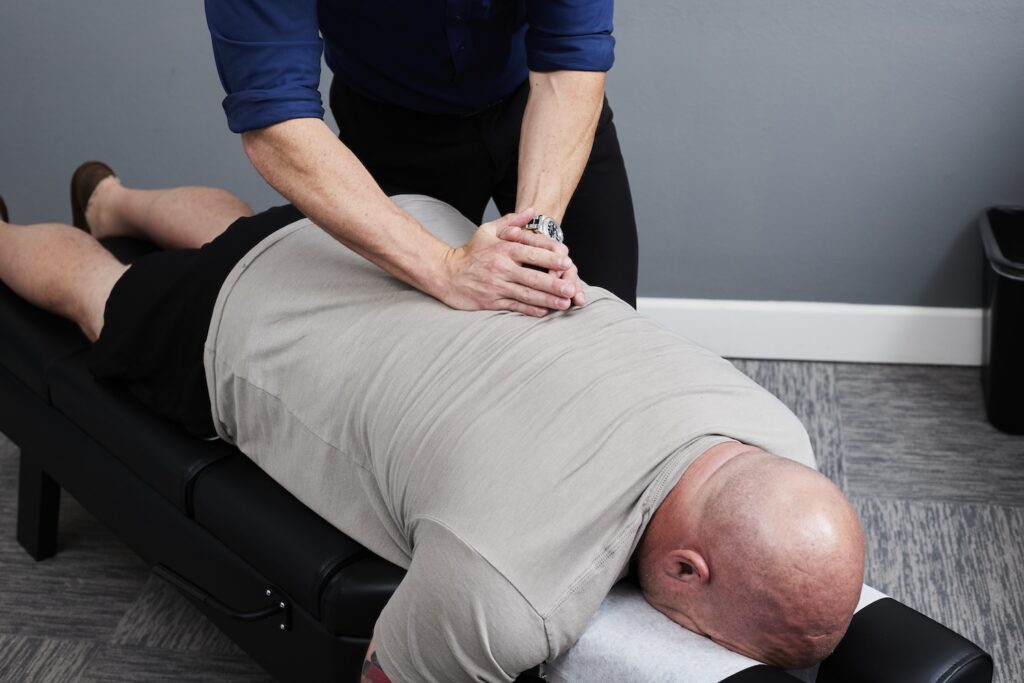
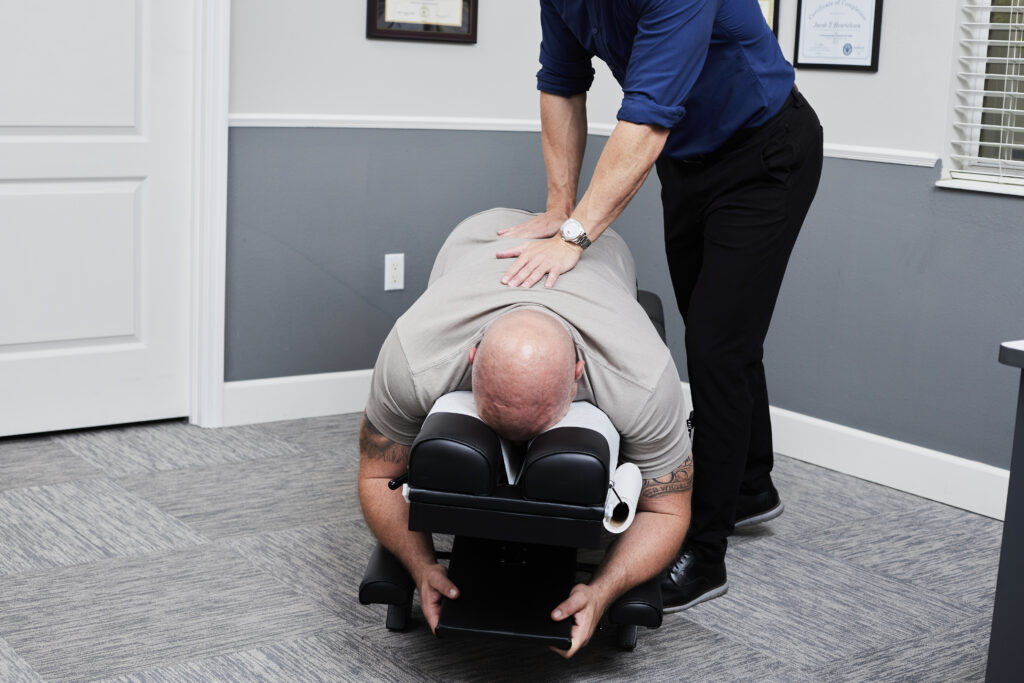
When it comes to minor injuries or uncertainties about whether a situation requires professional attention, it's crucial to have a clear understanding of your options. Chiropractic care offers a holistic approach to health, focusing on the body's ability to heal itself naturally. With gentle adjustments and supportive therapies, we can help alleviate discomfort and promote optimal development for your child.
Let's explore the best practices in chiropractic care and natural healing that can empower you to navigate these challenges with confidence, ensuring your little ones thrive in a safe and nurturing environment.
Understanding Common Ailments
As a local chiropractor, I want to emphasize the importance of recognizing common ailments in infants and toddlers, as understanding these can significantly enhance their overall well-being and health. Young children are susceptible to a range of conditions, and being informed allows you to respond more effectively.
One prevalent issue is the common cold, which often manifests with symptoms such as a runny nose, cough, and mild fever. Typically caused by viruses, colds can be distressing for both you and your little one, but it's reassuring to know that they usually resolve naturally within a week or two. Chiropractic care can support the immune system, potentially helping to reduce the duration and severity of such illnesses.
Another frequent concern is ear infections, which often follow a cold. You may notice your child tugging at their ear, appearing irritable, or having trouble sleeping. Because infants and toddlers may struggle to communicate their discomfort, it's crucial to be vigilant about these signs. Chiropractic adjustments can help improve the function of the nervous system and may aid in reducing the frequency of ear infections.
Gastrointestinal issues, including diarrhea or vomiting, can also occur. These symptoms might arise from a viral infection or certain foods they've consumed. Monitoring hydration is vital, and if symptoms persist, consulting a pediatrician is essential. Chiropractic care can assist in promoting digestive health and function, which can be beneficial for young children experiencing these issues.
Lastly, rashes are a common occurrence that can stem from various causes, such as diaper irritation or allergic reactions. Take the time to assess the rash and consider recent foods or products that may have contributed to it. Chiropractic care can help support the body's natural healing processes and may alleviate some skin irritations by improving overall health.
By understanding these common ailments, you can better support your child's health and wellness. Always consult with your pediatrician for any health concerns, and consider integrating chiropractic care as a natural approach to enhance your child's health and promote healing.
Timely intervention, whether through traditional or alternative care, can make a significant difference in your child's well-being.
Safe Fever Management
As a local chiropractor, I understand that fever can be a common reaction in infants and toddlers, often occurring after illnesses like colds or ear infections. While it can be worrisome for parents, it's important to recognize that a fever typically indicates that your child's immune system is actively working to combat an infection. My goal is to help you manage your child's fever safely and effectively, promoting their comfort and overall health.
First, monitor your child's temperature regularly. A fever is generally defined as a temperature exceeding 100.4°F (38°C). Using a digital thermometer can provide accurate readings.
If your child develops a fever, ensure they stay well-hydrated by offering a variety of fluids such as water, clear broths, or electrolyte solutions to avoid dehydration.
If your child seems uncomfortable due to the fever, you might consider using natural methods to support their body's healing process. While over-the-counter medications like acetaminophen or ibuprofen can help, I encourage you to follow the dosing instructions carefully or consult with your pediatrician for personalized advice.
It's also crucial to avoid aspirin for children due to its association with Reye's syndrome, a rare and serious condition.
Dress your child in lightweight clothing and maintain a comfortable room temperature. A lukewarm sponge bath can assist in reducing fever, but steer clear of cold water, as it may induce shivering and potentially raise their body temperature.
Keep a close watch on your child; if their fever lasts longer than three days or if they show other worrying symptoms, it's advisable to reach out to your pediatrician. They can provide tailored guidance based on your child's unique needs.
As a chiropractor, I believe in the body's ability to heal itself and support your child's health through natural methods. If you have any questions about how chiropractic care can complement your child's healing process, feel free to reach out. Your child's well-being is our priority.
Soothing Teething Discomfort
As a local chiropractor, I understand that teething can present challenges not just for infants, but also for parents navigating this developmental milestone.
It's essential to support your little one through this phase with gentle, natural methods that can help alleviate discomfort. Here are some holistic approaches that may ease your baby's teething pain:
- Teething Toys: Providing a range of teething toys made from non-toxic, safe materials can be beneficial. Opt for toys that are soft and easy for tiny hands to grip. Chilled toys can offer extra comfort, as the cold sensation helps numb the gums and reduce swelling.
- Cold Compress: A clean, cold washcloth can serve as a soothing tool for your baby. Allow them to chew on it for a while; the cold compress can help diminish inflammation and provide relief from the pressure they may be experiencing.
- Gentle Gum Massage: Using your clean finger, you can gently massage your baby's gums. This simple act can provide comfort and help alleviate some of the discomfort associated with teething.
- Consultation for Pain Relief: If your baby appears to be in significant discomfort, it's wise to consult with your pediatrician. They can guide you on safe over-the-counter pain relief options and suggest appropriate dosages tailored to your child's needs.
As a chiropractor, I also believe in the importance of supporting the overall well-being of your child.
Regular chiropractic care can help enhance their comfort and promote healthy development. If you have any questions about how chiropractic care can fit into your child's wellness journey, feel free to reach out!
Treating Minor Injuries
Minor injuries are a common aspect of childhood, and understanding how to manage them can significantly enhance your child's comfort and healing process. Whether it's a scraped knee, a small cut, or a bruise, having a proactive approach allows you to respond quickly and effectively, which is essential in promoting natural healing.
First and foremost, assess the injury. For scrapes or cuts, gently clean the area with soap and water to eliminate any dirt and debris. Make sure to pat it dry with a clean towel afterward. Applying an antiseptic ointment on minor cuts can be beneficial in preventing infection. Cover the area with a bandage to keep it protected and facilitate the healing process.
In the case of bruises, utilizing a cold compress can be very effective in reducing swelling and alleviating pain. You can create a cold compress using a cloth filled with ice or a cold pack wrapped in a towel. Apply this to the bruise for about 15-20 minutes.
It's also important to encourage your child to rest and avoid placing pressure on the affected area, as this promotes healing.
For minor bumps or impacts to the head, it's crucial to observe your child for any unusual symptoms. However, most of the time, a simple application of ice along with some comforting cuddles can be just what they need. Your presence and reassurance can have a soothing effect on their anxiety.
As a chiropractor, I emphasize the importance of staying calm and providing comfort throughout this process. Your ability to remain composed not only helps alleviate your child's fears but also fosters a healing environment.
When to Seek Professional Help
As a local chiropractor dedicated to your child's health and well-being, it's important to understand when to seek professional help for injuries, especially in a natural healing context. While many minor injuries can be managed at home, there are specific signs that indicate your little one may need medical attention or chiropractic care. Here are four key situations to be aware of:
- Severe Injuries: If your child suffers from a deep cut, a suspected fracture, or a head injury accompanied by loss of consciousness, it's crucial to seek immediate assistance. These situations may require more than just chiropractic care and should be evaluated by a medical professional.
- Signs of Infection: Be vigilant for symptoms such as increased redness, swelling, warmth, or pus around a wound. If your child develops a fever or exhibits unusual lethargy, it's essential to consult a healthcare provider to rule out infection and discuss how chiropractic care may support recovery.
- Persistent Pain: If your child is experiencing ongoing pain that doesn't improve with standard home remedies (like rest, ice, or over-the-counter pain relievers), a chiropractic evaluation may be beneficial. We can assess their condition and determine a holistic treatment plan to alleviate discomfort.
- Breathing Difficulties: Any signs of trouble breathing, such as wheezing, rapid breathing, or changes in skin color (like blue-tinged lips or skin), require immediate medical attention. Once stabilized, chiropractic care can help support respiratory function and overall well-being.
Being proactive about your child's health is key to their safety and recovery. Trust your instincts; if something feels off, don't hesitate to seek help.
Conclusion
As a local chiropractor, I want to emphasize the importance of understanding safe and natural treatment methods for caring for infants and toddlers. When it comes to common ailments like fevers, teething discomfort, and minor injuries, there are effective, gentle approaches that can promote your child's health without relying solely on medications.
Chiropractic care can play a significant role in supporting your little one's overall well-being. For example, gentle adjustments can help with discomfort and alignments that may be affecting their ability to thrive. It's crucial to be attentive to any signs that indicate a need for professional care, such as breathing difficulties or signs of infection.
By staying informed and proactive about your child's health, you can make confident decisions as a caregiver. Remember, you're not alone on this journey; your chiropractor is here to guide you with natural healing methods that can enhance your child's health and comfort.