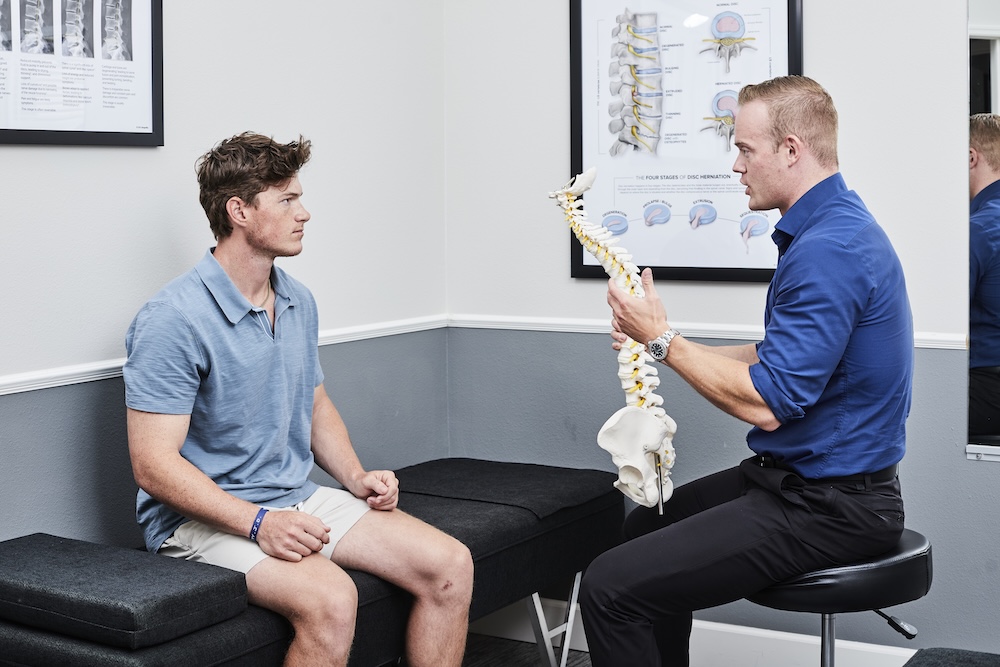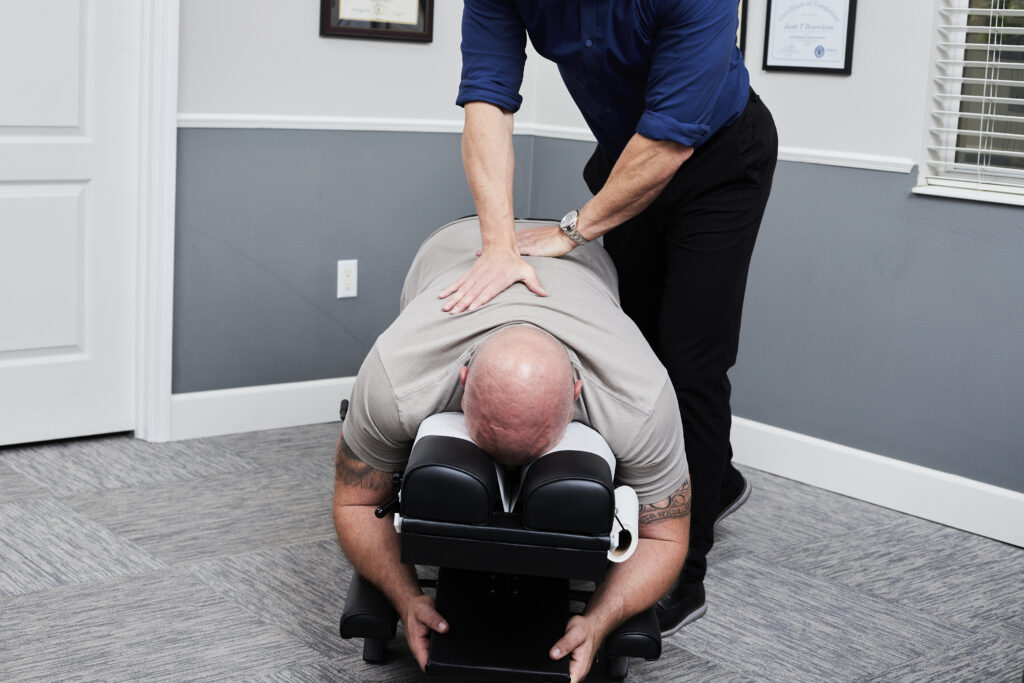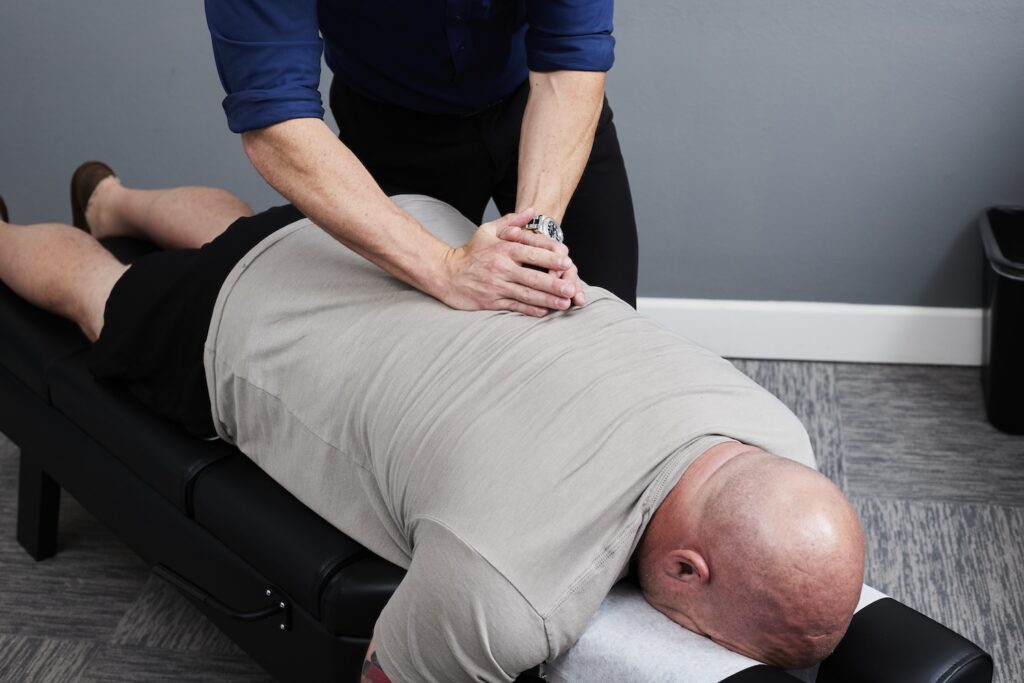

As your local chiropractor, I'm here to help you understand how we can improve your joint flexibility through various natural healing techniques. Many of my patients find that a combination of tailored exercise plans, chiropractic adjustments, and physical therapy can significantly enhance their range of motion.
In addition to these methods, I encourage you to consider practices like myofascial release and proprioceptive neuromuscular facilitation. Each of these techniques has its own unique benefits and can be incredibly effective when used correctly. It's important to work together to find the best approach for you, ensuring that you achieve lasting flexibility in a safe and natural way. Let's explore how these therapies can support your journey to improved joint health!
Understanding Joint Flexibility
As a chiropractor, I want to help you understand the importance of joint flexibility and how it can enhance your overall physical well-being. Joint flexibility refers to the range of motion available at each joint in your body, and it significantly affects your ability to perform daily activities and maintain an active lifestyle.
To grasp the concept of joint flexibility, it's important to recognize its key components. Each joint has a specific range of motion influenced by the surrounding muscles, ligaments, and tendons. When you consider how easily you can move your arms, legs, and other joints, you're reflecting on your flexibility.
Several factors can affect your joint flexibility. Genetics plays a role; some individuals are naturally more flexible due to their unique body structure. Additionally, as we age, our joints may lose some elasticity and range of motion. Regular physical activity is crucial; engaging in exercises that promote stretching and movement can keep your joints limber and functioning optimally.
It's also important to distinguish between static and dynamic flexibility. Static flexibility is your ability to hold a stretch in a certain position, while dynamic flexibility involves smoothly moving through a range of motion. Understanding both types can help you tailor your exercise routine to enhance your overall flexibility.
Remember, joint flexibility isn't solely about performing advanced yoga poses or gymnastics. It's about ensuring that your joints can handle everyday movements with comfort and ease. Whether you're reaching for an item on a high shelf or bending down to tie your shoes, maintaining adequate joint flexibility is essential for performing these tasks efficiently.
As your chiropractor, I encourage you to prioritize flexibility as an essential aspect of your health. Together, we can develop a personalized plan that incorporates stretching and movement exercises to help you achieve and maintain optimal joint flexibility, leading to a more active and fulfilling life.
Importance of Joint Flexibility
As a local chiropractor, I want to emphasize the vital role that joint flexibility plays in your overall health and daily performance. Maintaining good joint flexibility allows you to move more freely, making it easier to engage in various physical activities, whether you're playing sports, exercising, or simply going about your daily tasks.
When your joints are flexible, they provide a greater range of motion, which can significantly enhance your performance and make activities feel less strenuous and more enjoyable.
Additionally, good joint flexibility is crucial for preventing injuries. Flexible joints can absorb shock more effectively, which reduces the risk of strains and sprains. This becomes increasingly important as we age, as stiff joints can lead to falls and other accidents.
By prioritizing your flexibility, you're not just boosting your performance; you're also protecting your body against potential injuries.
Beyond the physical advantages, joint flexibility can have a positive impact on your mental well-being as well. When you're able to move freely, you'll likely feel more energetic and motivated, which can lead to a more active lifestyle.
An active lifestyle is closely linked to improved mood and reduced stress levels. When you feel good in your body, it encourages you to stay active, creating a beneficial cycle of health and wellness.
Finally, maintaining good joint flexibility contributes to proper body alignment and posture. Good alignment can alleviate strain on your muscles and joints, leading to less discomfort and a better quality of life.
By focusing on your joint flexibility, you're investing in both your physical health and emotional well-being, setting the stage for a more active and fulfilling life.
As your chiropractor, I'm here to help you understand the importance of joint health and provide you with the tools to improve your flexibility naturally.
Common Causes of Stiffness
As a local chiropractor, I often see patients who experience stiffness for a variety of reasons. It's important to understand that stiffness can sneak up on you, often due to a lack of movement or repetitive strain on your body.
If you find yourself sitting for long periods—whether at your desk, in your car, or on the couch—your joints may become accustomed to being immobile. This inactivity can lead to tightness in the muscles and connective tissues surrounding your joints, resulting in stiffness that can limit your range of motion.
Another common culprit is repetitive movements, especially those related to sports or work activities. When you engage in the same motion repeatedly—such as typing, lifting, or throwing—you may develop overuse injuries. These injuries can lead your body to tighten muscles as a protective response, which ultimately makes it harder for you to move freely.
Aging is also a significant factor in stiffness. As we age, the cartilage in our joints can wear down, leading to conditions like osteoarthritis that can cause discomfort and stiffness. Additionally, hormonal changes associated with aging can further reduce flexibility, making it more challenging to stay active and agile.
It's also worth noting that emotional stress can manifest physically in your body. When you're under stress, you might unconsciously tighten your muscles, which can create a sense of stiffness that can feel quite uncomfortable.
Lastly, hydration plays an essential role in joint health. If you're not drinking enough water, the lubricating synovial fluid in your joints may decrease, leading to discomfort and increased stiffness.
By being aware of these common causes of stiffness, you can take proactive steps to improve your joint flexibility and overall well-being.
As your chiropractor, I'm here to help guide you through natural healing methods and adjustments that can alleviate stiffness and enhance your mobility. Together, we can work towards a healthier, more flexible you!
Stretching Techniques for Flexibility
As a local chiropractor, I want to share some valuable insights on enhancing your flexibility through effective stretching techniques. Flexibility is crucial not only for improving your range of motion but also for preventing injuries and boosting your overall physical performance. Here are some techniques that you can easily incorporate into your daily routine.
Firstly, let's talk about static stretching. This method involves holding a stretch for 15-30 seconds without any bouncing. It's important to focus on major muscle groups such as your hamstrings, quadriceps, and shoulders. For instance, when you're seated, try reaching for your toes to stretch your hamstrings.
Remember to breathe deeply and allow your body to relax into the stretch; this is vital for reaping the full benefits.
Dynamic stretching is another technique that I highly recommend. Unlike static stretching, dynamic stretching includes controlled movements that take you gently through your range of motion. Activities like leg swings or arm circles can be particularly effective as a warm-up before any workout.
Engaging in dynamic stretching not only prepares your body for activity but also helps enhance flexibility over time.
If you're ready to take your flexibility to the next level, consider Proprioceptive Neuromuscular Facilitation (PNF). This more advanced technique combines stretching with muscle contractions and works best with a partner.
For example, while lying on your back, you can have your partner gently push your leg towards your chest while you provide some resistance. After a few seconds, relax and allow them to push further. This method can significantly improve flexibility, but it's essential to perform it with care to avoid any strain.
Lastly, consistency is key in any flexibility routine. I recommend aiming to stretch at least three times a week and gradually increasing the intensity as your body adapts.
By dedicating time to these stretching techniques, you'll likely notice improvements in your flexibility, making everyday movements easier and more enjoyable.
Myofascial Release Methods
As a local chiropractor, I want to share with you the incredible benefits of myofascial release methods. These techniques are designed to relieve tension in your muscles and fascia, which can significantly enhance your overall flexibility.
By focusing on specific areas of tightness, we can help improve your range of motion and promote better joint health.
Many people are unfamiliar with how myofascial therapy works, but it plays a crucial role in natural healing. By incorporating these gentle methods into your routine, you can experience reduced pain and increased mobility.
I encourage you to explore myofascial release as part of your wellness journey—it's a fantastic way to support your body's natural ability to heal and function optimally.
Techniques for Release
As your local chiropractor, I want to share some valuable insights into enhancing your joint flexibility through natural techniques. One of the most effective methods we encourage is using a foam roller. This handy tool allows you to roll over tight muscles and fascia, applying pressure that helps release built-up tension and improve blood circulation.
Simply place the roller under the area you want to target and roll back and forth slowly to feel the benefits.
Another excellent technique you can utilize is self-myofascial release using your hands. By applying pressure to specific tight spots and holding for 30 seconds to a minute while taking deep breaths, you can effectively control the intensity and focus on areas that need extra attention.
Don't forget about the benefits of tennis balls or massage balls! These tools are great for targeting smaller muscle groups. You can place the ball under your body where you feel tightness and gently move to massage the area, helping to alleviate discomfort.
If you have a partner or friend available, partner-assisted techniques can also be incredibly helpful. They can apply gentle pressure to your muscles while you relax, which can aid in releasing deeper layers of fascia and enhancing your overall flexibility.
By incorporating these myofascial release techniques into your routine, you may notice a significant improvement in your joint flexibility. This will allow you to move more freely and comfortably in your everyday activities.
As always, if you have any questions or need personalized guidance, feel free to reach out during your next visit!
Benefits of Myofascial Therapy
As a local chiropractor dedicated to your wellness, I want to share the transformative benefits of myofascial therapy, a key component of natural healing that you may not be familiar with. This technique specifically targets the fascia, the connective tissue that surrounds and supports your muscles. By applying sustained pressure to specific areas, myofascial therapy works to release tension, enhance blood circulation, and improve your overall flexibility.
One of the most notable benefits of myofascial therapy is its ability to relieve pain. If you have been dealing with chronic discomfort, this therapy can help alleviate those symptoms by breaking down muscle knots and releasing tight areas. As a result, you'll likely experience increased mobility, making everyday activities much more manageable.
Moreover, myofascial therapy promotes better posture. By relaxing the fascia, your body can align itself more naturally, which can significantly reduce strain on your muscles and joints. This improvement can enhance your athletic performance and lower the risk of injury, whether you're a weekend jogger or a seasoned athlete.
Finally, many of my patients report a profound sense of wellbeing following their sessions. The therapeutic touch of myofascial therapy not only relaxes the body but also soothes the mind, helping to reduce stress and anxiety.
Benefits of Physical Therapy
As a local chiropractor, I want to share with you the myriad benefits that chiropractic care can offer to enhance your joint flexibility and overall mobility. When you choose chiropractic treatment, you're not just addressing immediate discomfort; you're also laying the groundwork for long-term physical wellness.
Here are three key benefits you can expect from chiropractic care:
- Personalized Treatment Plans: Every individual is unique, and so are their health needs. As a chiropractor, I take the time to assess your specific situation and create a customized treatment plan just for you. This tailored approach ensures that we effectively address your particular joint concerns and promote optimal healing.
- Strengthening the Body: A core objective of chiropractic care is to strengthen the muscles that support your joints. By improving muscle strength and function, we enhance stability and significantly reduce the risk of injury. Stronger muscles not only support your joints but also contribute to greater flexibility and movement.
- Natural Pain Management: Many individuals experience pain that hinders their daily activities. Chiropractic care utilizes a variety of techniques, including spinal adjustments and therapeutic exercises, to alleviate discomfort. By managing your pain naturally, you can concentrate on improving your range of motion and flexibility without relying on medications.
Integrating chiropractic care into your health routine can lead to remarkable improvements in how you move and feel.
Incorporating Yoga and Pilates
As a local chiropractor, I often emphasize the importance of holistic approaches to health and wellness, and incorporating yoga and Pilates into your routine can significantly enhance your joint flexibility and overall strength.
Both of these practices focus on controlled movements and stretching, which can help you achieve a greater range of motion in your joints—something that's crucial for maintaining a healthy spine and musculoskeletal system.
Yoga, for instance, places a strong emphasis on breath control and various postures that promote flexibility. When you engage in yoga, you'll find that each pose encourages the stretching and lengthening of the muscles surrounding your joints, which can alleviate tension and improve mobility.
Poses like Downward Dog and Warrior II can be particularly beneficial for enhancing flexibility in your hips and shoulders. Regular participation in yoga classes or guided online sessions can help you cultivate a deeper awareness of your body and its movements.
Alternatively, Pilates brings a unique focus on core stability and alignment. The exercises involved in Pilates engage your core muscles, which not only help to stabilize your body but also reduce strain on your joints.
Movements such as the Pilates Hundred or Leg Circles are designed to strengthen the muscles around your joints, providing them with additional support. By concentrating on proper alignment and control, you'll learn to move more efficiently, which over time can lead to improved flexibility and reduced discomfort.
To reap the maximum benefits for your health, I encourage you to integrate both yoga and Pilates into your weekly routine.
For example, you might consider attending a yoga class one day and a Pilates session the next. This combination not only keeps your workouts varied and stimulating but also supports your journey toward enhanced flexibility and strength.
With consistent practice, you may notice significant improvements in your joint flexibility, which can translate to better overall movement and physical performance, ultimately contributing to your well-being.
Maintaining Flexibility Long-Term
As your local chiropractor, I want to emphasize the importance of maintaining flexibility for your overall well-being.
A consistent stretching routine is essential, and it's best when it seamlessly integrates into your daily life. Remember, proper hydration plays a crucial role as well; it keeps your joints lubricated and your muscles adaptable.
By incorporating these practices into your lifestyle, you can experience improved mobility and a decrease in stiffness over time. Embracing these natural healing methods can significantly enhance your quality of life.
Let's work together to create a plan that supports your journey to better flexibility and overall health.
Consistent Stretching Routine
As a local chiropractor, I want to emphasize the importance of a consistent stretching routine for maintaining joint flexibility and overall mobility. Many people don't realize how dedicating just a few minutes each day to stretching can significantly enhance how your joints feel and function.
Here are three key components to consider when developing your stretching routine:
- Frequency: I recommend aiming to stretch at least 3-5 times a week. Consistency is crucial! Stretching too infrequently can hinder your flexibility progress and may lead to discomfort in your joints.
- Variety: It's essential to include a variety of stretches that target different muscle groups. For instance, consider incorporating dynamic stretches before physical activities to warm up your muscles, and static stretches afterward to cool down. This diverse approach not only keeps your routine engaging but also ensures that you're addressing your body comprehensively.
- Listen to Your Body: Always be mindful of how your joints respond to stretching. If you experience any discomfort or pain, it's important to modify your routine accordingly. Flexibility is a gradual process, so be patient with yourself and allow your body to adjust over time.
By integrating these elements into your stretching routine, you can support your chiropractic care and promote natural healing in your body.
Proper Hydration Practices
As a local chiropractor, I want to emphasize the importance of proper hydration in maintaining your overall health, especially when it comes to joint flexibility. Many people overlook hydration, but it plays a crucial role in how well your joints function. Your joints rely on synovial fluid for lubrication and cushioning, and this fluid is directly affected by your hydration levels.
When you're not drinking enough water, this fluid can become less effective, leading to stiffness and discomfort in your joints.
To keep your body well-hydrated, I encourage you to drink water consistently throughout the day. Don't wait until you feel thirsty to grab a drink; instead, make it a part of your daily routine. Additionally, consider incorporating water-rich foods, such as fruits and vegetables, into your meals to boost your hydration levels.
If you're physically active or live in a warmer climate, it's even more important to increase your water intake to support your body's needs.
Pay attention to the signs your body gives you; symptoms like dry mouth, fatigue, or less frequent urination can indicate that you need to rehydrate. If you experience any of these symptoms, take action to replenish your fluids.
Conclusion
As a local chiropractor, I want to share how integrating specific therapy techniques into your daily routine can significantly improve your joint flexibility. Many of you may not realize the crucial role flexibility plays in overall joint health, and I'd like to help you understand how to address common causes of stiffness.
By incorporating methods such as stretching, myofascial release, and targeted physical therapy, along with holistic practices like yoga and Pilates, you can foster long-lasting improvements in your flexibility. These approaches work together to enhance your body's natural ability to move freely and comfortably.
I encourage you to stay dedicated to your flexibility journey. Regular assessments of your progress are essential, as they ensure you continue to advance towards optimal joint health and mobility. Remember, chiropractic care is all about supporting your body's natural healing processes, and together we can achieve great results!