If you've been struggling with tight muscles or limited range of motion, professional care might be the key to improving your flexibility. With personalized assessments and targeted programs tailored to your unique needs, you can address specific limitations effectively. Expert trainers and therapists not only guide you through proper techniques but also help create a sustainable routine that minimizes injury risks. Curious about how these tailored approaches can enhance not just your flexibility but your overall well-being? Let's explore the benefits and options available to you.
Importance of Flexibility
Flexibility plays an essential role in your overall health and wellness, especially as you age. It's not just about being able to touch your toes or perform impressive yoga poses; flexibility impacts your daily activities and overall quality of life.
When you maintain good flexibility, you're less likely to experience injuries, as your muscles and joints can move freely and efficiently. This adaptability is vital for reducing the risk of strains and sprains, which can sideline you from your favorite activities.
Moreover, flexibility enhances your posture. When your muscles are tight, they can pull your body out of alignment, leading to discomfort and long-term issues. By incorporating flexibility exercises into your routine, you help keep your muscles elongated and balanced, promoting better posture and reducing back pain.
Additionally, improved flexibility can boost your athletic performance. Whether you're running, cycling, or playing sports, flexible muscles can generate more power and speed, allowing you to perform at your best.
Don't forget the mental aspect, either. Engaging in stretching and flexibility routines can also promote relaxation and stress relief. Taking a few moments to focus on your body can help clear your mind, offering a break from daily stressors.
Benefits of Professional Care
Seeking professional care for your flexibility needs can greatly enhance your progress and overall well-being. When you work with a qualified expert, you benefit from personalized assessments that identify your specific limitations and goals. This tailored approach guarantees you're not just stretching aimlessly but are engaging in exercises designed to improve your flexibility effectively.
Professional guidance helps you adopt proper techniques, reducing the risk of injury. You'll learn the correct way to stretch, ensuring you're targeting the right muscle groups without straining them. With their experience, professionals can also introduce you to new methods and techniques that you mightn't have considered, broadening your flexibility training.
Another significant benefit is accountability. When you're working with a professional, you're more likely to stay committed to your routine. They'll motivate you to push your limits while maintaining a safe environment, which can lead to quicker results. Additionally, regular sessions can provide valuable feedback, allowing you to adjust your practices based on your progress.
Lastly, professional care fosters a holistic approach to flexibility. It often incorporates elements of strength training, balance, and relaxation techniques, all of which contribute to improved overall physical health.
Types of Professionals for Flexibility
When it comes to improving your flexibility, several types of professionals can help you achieve your goals effectively. One of the most common choices is a certified personal trainer. These experts can design customized workouts that include flexibility exercises tailored to your specific needs, ensuring you progress safely and efficiently.
Another option is a physical therapist. If you've been dealing with injuries or chronic pain, a physical therapist can assess your situation and create a rehabilitation plan that incorporates flexibility training. They'll focus on your unique limitations and help you regain mobility while preventing future injuries.
Yoga instructors are also fantastic resources for enhancing flexibility. They teach various poses that promote stretching and balance, helping you develop a deeper understanding of your body's capabilities. Regular sessions with a qualified instructor can improve your overall flexibility and mindfulness.
Pilates instructors are another great choice. They emphasize core strength, stability, and flexibility through controlled movements. Engaging in Pilates can help you increase your range of motion and improve body awareness, which is essential for flexibility.
Lastly, massage therapists can play a key role in your flexibility journey. They can release muscle tension and improve circulation, making it easier for you to stretch and increase your overall flexibility.
Stretching Techniques for Improvement
Incorporating various stretching techniques into your routine can greatly enhance your flexibility. To get started, focus on dynamic stretching, which involves moving parts of your body through a full range of motion. This technique warms up your muscles and prepares them for more intense activity. Try arm circles, leg swings, or torso twists for a quick and effective warm-up.
Next, implement static stretching after your workouts. This involves holding a stretch for 15-30 seconds to lengthen your muscles and improve flexibility. Pay attention to major muscle groups like your hamstrings, quadriceps, and shoulders. For instance, sit on the floor, reach for your toes, and hold the position to stretch your hamstrings.
Don't forget about proprioceptive neuromuscular facilitation (PNF) stretching, which combines stretching and contracting of the target muscle group. Partner with a friend, or use a wall or towel for assistance. For example, while lying on your back, have your partner gently push your leg while you resist, then relax and allow them to stretch your leg further.
Lastly, consider incorporating yoga or Pilates into your routine. These practices emphasize stretching and flexibility, while also promoting strength and balance.
Role of Physical Therapy
Physical therapy plays an important role in enhancing flexibility, especially for those recovering from injuries or dealing with chronic pain. When you work with a physical therapist, they'll assess your individual needs and create a tailored program that focuses on improving your range of motion. This personalized approach guarantees you're not just stretching, but doing so in a way that addresses your specific limitations and goals.
One of the key benefits of physical therapy is the use of targeted exercises. These exercises can help strengthen the muscles around your joints, which in turn supports better flexibility. Your therapist will guide you through movements that not only increase your flexibility but also enhance overall strength and stability. You'll find that engaging in these exercises regularly can lead to significant improvements over time.
Additionally, physical therapists employ various techniques such as manual therapy, which involves hands-on manipulation of your muscles and joints. This can help release tension and improve mobility. By combining these techniques with education about proper body mechanics, your therapist empowers you to maintain flexibility even after your sessions end.
As you progress, your therapist will adjust your program, making sure you're continually challenged while also avoiding the risk of injury. With their expertise and guidance, you'll learn the best practices for stretching and strengthening your body, paving the way for a more flexible, pain-free life.
Embrace physical therapy as an important component of your journey toward improved flexibility.
Chiropractic Approaches to Flexibility
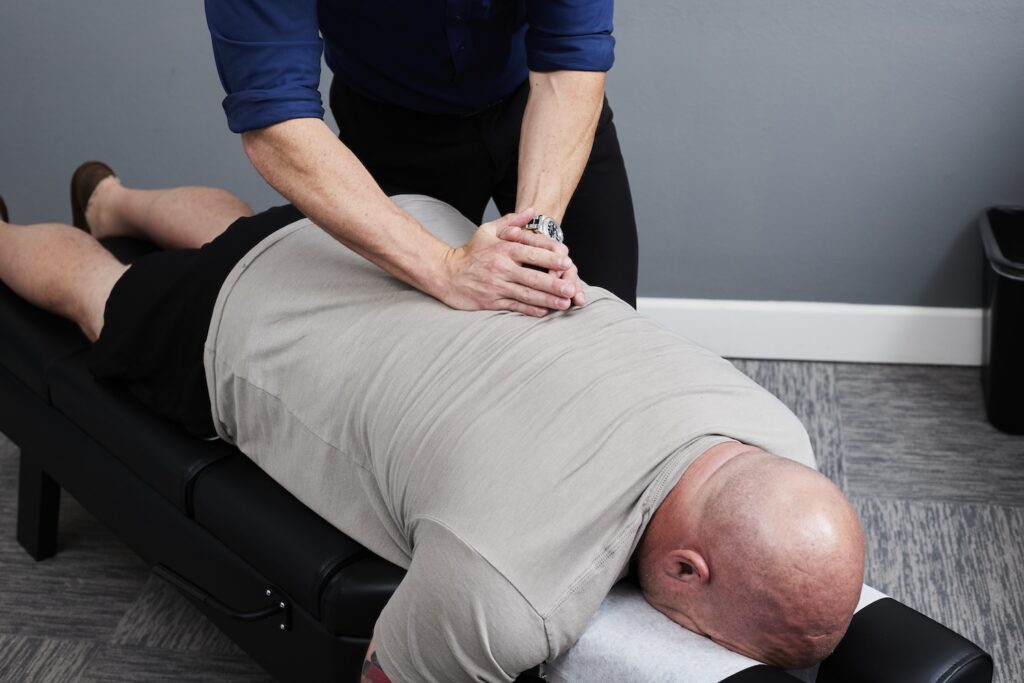
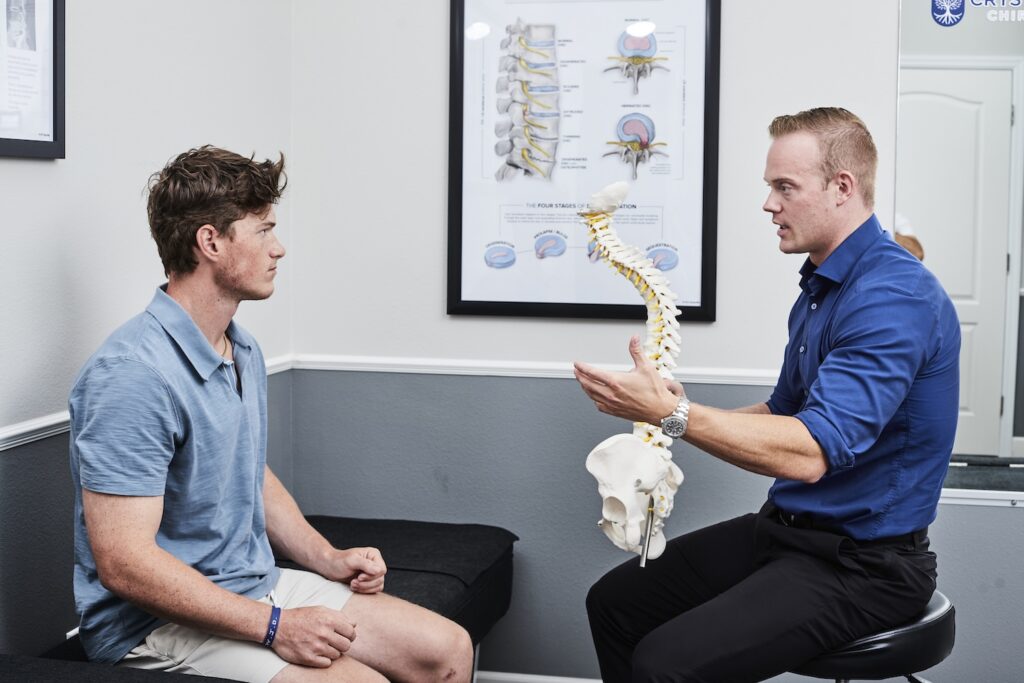
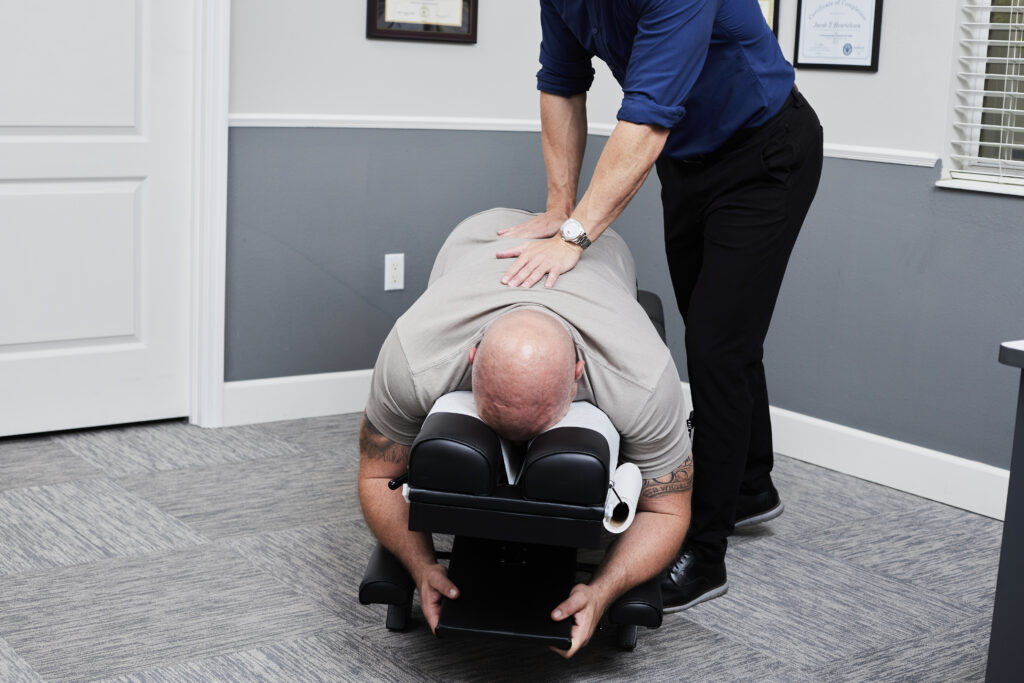
Chiropractic approaches to flexibility focus on optimizing your spinal health and overall body alignment. When your spine is aligned correctly, it allows for better movement and flexibility throughout your body. Chiropractors use a variety of techniques to assess and improve your spinal health, including spinal adjustments, soft tissue therapy, and targeted exercises.
One way chiropractic care enhances flexibility is through spinal adjustments. These adjustments help correct misalignments, reducing tension in your muscles and connective tissues. When your spine is in proper alignment, your body can move more freely, enabling greater flexibility in your joints and muscles. This can lead to improved performance in physical activities and reduced risk of injuries.
Soft tissue therapy is another crucial component of chiropractic care. Techniques like myofascial release or trigger point therapy target tight muscles and fascia, promoting relaxation and improved circulation. By alleviating muscle tension, you'll experience greater ease of movement and enhanced flexibility.
Chiropractors also guide you in proper stretching techniques and exercises tailored to your specific needs. They'll teach you how to incorporate these practices into your daily routine, ensuring you're not only more flexible but also stronger and more resilient.
Customized Flexibility Programs
When you're looking to boost your flexibility, a customized program can make all the difference.
You'll start with a personalized assessment to identify your needs, then follow tailored stretching routines designed just for you.
Plus, tracking your progress helps guarantee you stay on course and reach your goals effectively.
Personalized Assessment Techniques
To truly enhance your flexibility, it's essential to start with a personalized assessment that identifies your unique needs and goals. This initial evaluation sets the stage for an effective flexibility program tailored just for you.
Here are four key components that a personalized assessment should include:
- Movement Analysis: Observe how you move in daily activities and exercises to pinpoint areas of tightness or restriction.
- Goal Setting: Discuss your specific flexibility goals, whether it's improving performance in a sport or simply increasing your overall range of motion.
- Physical Evaluation: A thorough evaluation of your current flexibility levels helps identify which muscle groups need the most attention.
- Lifestyle Considerations: Consider factors like your daily routine, work habits, and any past injuries that could influence your flexibility journey.
Tailored Stretching Routines
A tailored stretching routine is vital for maximizing your flexibility gains and addressing your specific needs. By identifying your goals, such as improving athletic performance or enhancing overall mobility, you can create a program that's just right for you.
Start by incorporating stretches that target your tight areas. If you've noticed stiffness in your hamstrings, for example, prioritize dynamic and static stretches that focus on this muscle group.
Also, consider the type of activities you engage in regularly; these can influence which stretches'll be most beneficial.
Frequency matters too. Aim to stretch at least three times a week, adjusting the intensity and duration based on your comfort level and progress.
Don't forget to include both static and dynamic stretches in your routine. Dynamic stretches are excellent for warming up, while static stretches are perfect for cooldowns.
Listening to your body is imperative. If you feel pain during a stretch, ease back and modify the movement. By doing so, you'll foster a more sustainable approach to flexibility training, helping you gain the most benefit from your tailored routine.
Progress Tracking Methods
Tracking your progress is essential for gauging the effectiveness of your customized flexibility program. By monitoring your improvements, you'll stay motivated and make necessary adjustments to maximize results.
Here are four effective methods to track your progress:
- Flexibility Assessment: Regularly evaluate your range of motion through specific stretches or movements. Note any improvements or limitations.
- Measurement Logs: Use a measuring tape to record the distance you can reach during stretches. Document these figures weekly to visualize your progress.
- Video Recordings: Record yourself performing stretches and movements. Reviewing these videos over time can highlight changes in your form and flexibility.
- Journaling: Keep a flexibility journal to log your daily routines, feelings, and any physical changes. Reflecting on this can provide insights into your progress and areas needing focus.
Incorporating Flexibility Into Workouts
To truly enhance your flexibility, you need to incorporate it into your workouts effectively.
Start with proper warm-up techniques to prepare your muscles, and explore various stretching methods that suit your routine.
Timing your flexibility workouts can also make a significant difference in your overall performance and recovery.
Warm-Up Techniques Explained
Warm-up techniques play an essential role in enhancing flexibility and preparing your body for more intense workouts. By incorporating effective warm-up strategies, you can increase blood flow to your muscles and improve your overall performance.
Here are four key warm-up techniques you should consider:
- Dynamic Stretching: Focus on controlled movements that gently stretch your muscles through their full range of motion. This can include leg swings or arm circles.
- Foam Rolling: Use a foam roller to release muscle tightness. This helps to loosen up the fascia surrounding your muscles, making them more flexible and ready for exercise.
- Movement Preparation: Engage in sport-specific movements at a lower intensity. This can involve practicing movements you'll perform in your workout, which prepares your muscles accordingly.
- Joint Mobilization: Perform exercises that target your joints, like ankle circles or wrist rotations. This increases synovial fluid in your joints, enhancing flexibility and reducing injury risk.
Incorporating these warm-up techniques into your routine can greatly improve your flexibility, setting a strong foundation for your workout sessions.
Stretching Methods to Try
While you've laid the groundwork for flexibility with your warm-up, incorporating effective stretching methods into your workouts is essential for maximizing your results.
Start with dynamic stretching, which involves controlled movements that improve range of motion. Try leg swings or arm circles to enhance blood flow and prepare your muscles for activity.
Once you've completed your workout, shift to static stretching. Hold each stretch for 15 to 30 seconds, focusing on major muscle groups like hamstrings, calves, and shoulders. For instance, try a seated forward bend to target your hamstrings or a chest opener to relieve tension.
Remember to breathe deeply, as this helps you relax and increase the stretch's effectiveness.
Incorporating yoga poses can also enhance flexibility. Poses like downward dog and pigeon stretch not only improve flexibility but also promote balance and strength. Consider adding these to your routine for a holistic approach.
Finally, don't forget about foam rolling. This technique helps release muscle tightness and improves flexibility by breaking down knots.
Timing Your Flexibility Workouts
Incorporating flexibility training into your workouts consistently can lead to better results and improved performance. Timing is essential, so here are four effective strategies to help you integrate flexibility work seamlessly:
- Warm-Up: Start your workout with dynamic stretches to prepare your muscles and joints. This increases blood flow and reduces injury risk.
- Post-Workout Stretching: After your session, dedicate time to static stretching. This helps cool down your body and improves flexibility while your muscles are warm.
- Active Recovery Days: Use your rest days for flexibility training. Gentle yoga or dedicated stretching sessions can enhance recovery and maintain your range of motion.
- Combine with Strength Training: Pair flexibility exercises with strength workouts. For example, incorporate movements like lunges that require both strength and flexibility, maximizing your overall efficiency.
Common Myths About Flexibility
Many people believe that flexibility is solely about how far you can stretch, but that's just one of several misconceptions. Flexibility is more about the range of motion in your joints and how well your muscles can lengthen and contract. It's not just about achieving a deep forward bend or doing the splits; it's essential for overall body function and injury prevention.
Another common myth is that flexibility is only for athletes or dancers. In reality, everyone can benefit from improved flexibility, regardless of their activity level. It helps you move better in daily tasks, reduces muscle tension, and can even enhance your overall physical performance.
You might also think that you need to stretch every day to see results. While regular stretching is beneficial, it's not necessary to do it daily. Your body needs time to recover and adapt. A few well-timed sessions each week can be just as effective.
Some people assume that flexibility is fixed and can't be changed. This is far from true. With consistent practice, you can indeed improve your flexibility over time. It's a gradual process, and everyone progresses at their own pace.
Finally, many believe that static stretching before a workout is the best way to prepare. Instead, dynamic stretches are often more effective at warming up your muscles and improving mobility.
Monitoring Your Progress
To truly improve your flexibility, you need to track your goals and assess your physical improvements regularly.
Keeping a record of your progress helps you see what's working and what isn't. If you find that certain techniques aren't yielding results, don't hesitate to adjust your approach.
Track Your Flexibility Goals
Tracking your flexibility goals is essential for seeing real progress and staying motivated. By actively monitoring your improvements, you can identify what works and where to focus your efforts.
Here are four steps to effectively track your flexibility goals:
- Set Clear Goals: Define what flexibility means for you. Whether it's touching your toes or achieving a full split, having specific targets helps you stay focused.
- Keep a Journal: Document your sessions, including stretches, duration, and any discomfort. A journal not only shows your progress but also highlights patterns in your flexibility journey.
- Use Measurements: Take regular measurements of your flexibility. This could be how far you can reach in a certain stretch or the angles achieved in various poses. Numbers provide concrete evidence of your progress.
- Celebrate Milestones: Acknowledge your achievements, no matter how small. Celebrating milestones boosts your motivation and encourages you to push further.
Assessing Physical Improvements Regularly
Monitoring your progress is essential for gauging how far you've come in your flexibility journey. Regular evaluations help you understand your improvements and keep you motivated. Start by measuring your flexibility at consistent intervals, like every four to six weeks. Use specific exercises, such as the sit-and-reach test or overhead arm stretch, to track your range of motion.
Keep a journal of your results. Write down the measurements and any changes you notice in how you feel during daily activities or workouts. This documented progress can be incredibly encouraging, showing you that your efforts are paying off. If you notice you're able to stretch further or hold a pose longer, celebrate those victories, no matter how small!
Don't just focus on numbers, though. Pay attention to how your body feels. Are you experiencing less stiffness? Can you perform movements with greater ease? These qualitative improvements are just as important as numerical measurements.
Adjusting Techniques as Needed
As you assess your flexibility improvements, it's crucial to adjust your techniques based on what you observe. Monitoring your progress helps you identify areas needing more focus or different approaches.
Here are some key actions to contemplate:
- Evaluate Your Range: Regularly check how far you can stretch in each movement. Are there specific areas where you feel tight or restricted?
- Track Your Pain Levels: Pay attention to any discomfort during stretching. If something hurts, you might need to adjust your technique or ease back on intensity.
- Incorporate Feedback: If you're working with a trainer or physical therapist, ask for their insights. They can provide valuable guidance on modifying your routines for better results.
- Set New Goals: As you make progress, redefine your flexibility goals. Aim for new challenges that push your limits and keep you motivated.
Conclusion
Incorporating professional care into your flexibility routine can truly transform your physical capabilities and overall well-being. By working with certified trainers and therapists, you'll receive personalized guidance and support tailored to your needs. Don't underestimate the power of proper techniques and consistent feedback—they're key to avoiding injuries and achieving your goals. So, take the leap and invest in your flexibility journey; you'll notice significant improvements that enhance your athletic performance and daily life.