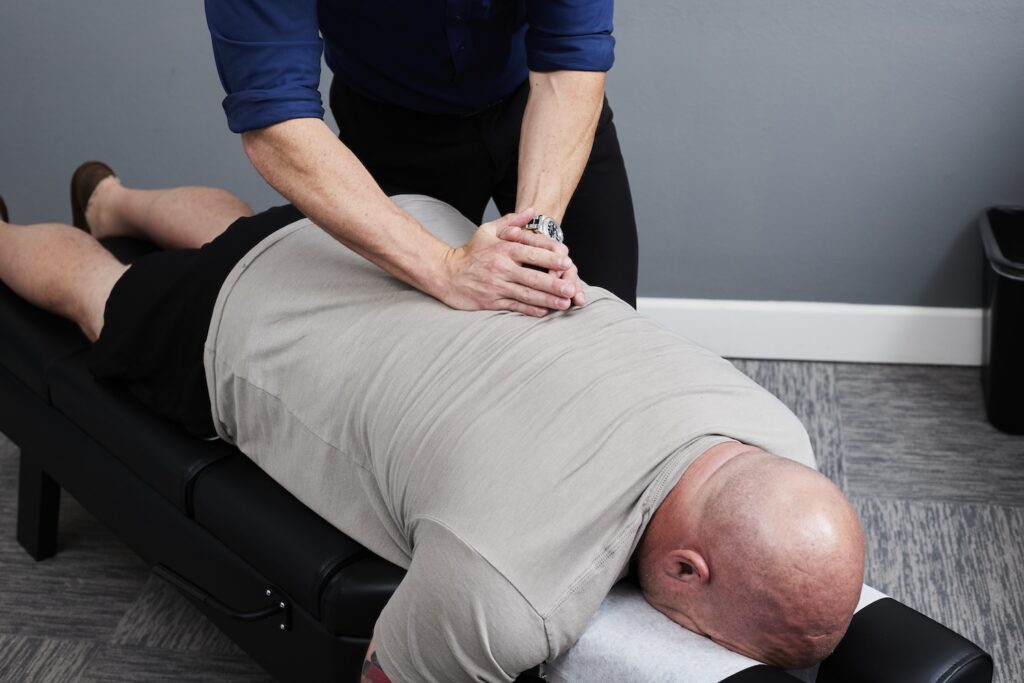
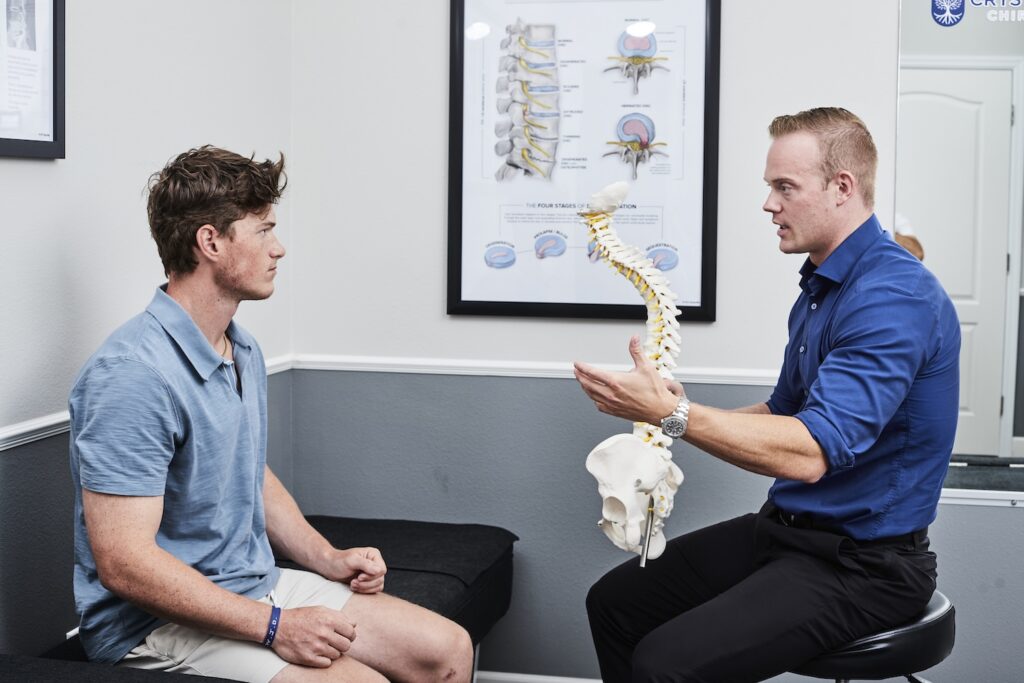
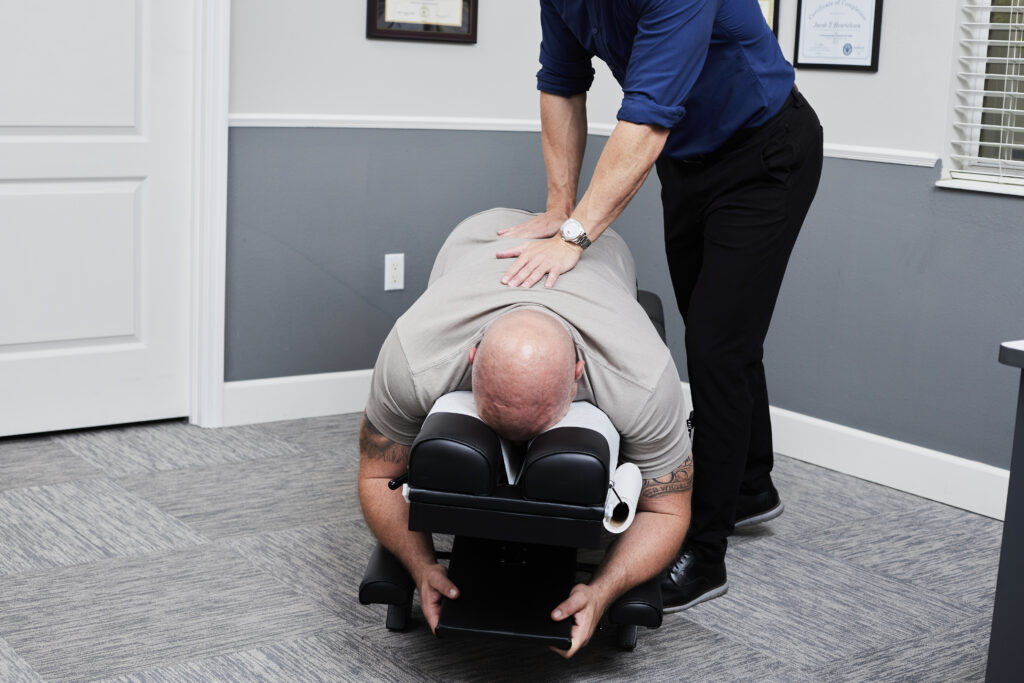
As a local chiropractor, I want to assure you that if you’re experiencing sports-related back pain, you’re certainly not alone. Many athletes face this issue, which can significantly impact their performance and overall enjoyment of their favorite activities. The good news is that there are natural, holistic methods to help alleviate your discomfort.
Understanding the underlying causes of your pain is crucial, and that’s where chiropractic care comes in. By focusing on spinal alignment and overall body mechanics, we can help you not only relieve pain but also enhance your athletic performance.
Incorporating proper warm-up routines and specific strengthening exercises can also play a vital role in your recovery. These strategies can help to stabilize your spine and improve your flexibility, reducing the risk of future injuries.
So, what approaches might work best for you? Together, we can explore a variety of effective techniques tailored to your individual needs. My goal is to help you return to the activities you love, pain-free and stronger than ever. Let’s work together to find the right path for your natural healing journey.
Understanding the Causes of Sports-Related Back Pain
As a local chiropractor, I want to help you understand the causes of sports-related back pain so you can prevent it and maintain an active lifestyle. Many athletes, whether seasoned or just starting out, often experience back pain due to a few common factors.
Improper techniques—like lifting weights or performing explosive movements with poor form—can strain your back muscles and ligaments, leading to discomfort. It’s essential to focus on maintaining proper posture and alignment to protect your back.
Another significant contributor to back pain is overtraining. When you push your body without allowing adequate rest, fatigue sets in, increasing your risk of injury. A well-rounded training program should include rest days to let your body recover.
Additionally, if you have tight hip flexors or weak core muscles, your back may compensate for these imbalances, resulting in pain.
Repetitive motions, especially in sports like tennis or golf, can also stress your spine, leading to discomfort over time. Sports that involve sudden changes in direction or high-impact activities can further contribute to back pain.
By recognizing these factors in your routine, we can work together to make adjustments that enhance your performance and protect your spine.
Understanding these causes is a critical first step toward reducing your risk of back pain in the long run. As your chiropractor, I’m here to guide you through natural healing methods and help you maintain a healthy, active lifestyle.
Let’s focus on strengthening your body and optimizing your movements to keep you pain-free.
Importance of Proper Warm-Up and Stretching
As a local chiropractor, I want to emphasize the crucial role that a proper warm-up and stretching routine plays in preventing sports-related back pain. Preparing your body for physical activity is essential for your overall success and well-being.
Begin with dynamic stretches that promote blood flow and flexibility, focusing on your back, hips, and legs. This approach not only warms up your muscles but also improves your range of motion, making you more resilient during your activities.
I recommend dedicating at least 10-15 minutes before each session to these exercises. Choose movements that closely resemble those of your sport; this will ensure that your body is primed for the specific demands you’ll encounter.
Skipping this warm-up can increase the risk of injury, making it an essential step in your routine.
Remember to listen to your body. If you notice any tightness or discomfort, take a moment to gently stretch those areas.
Strengthening Exercises for Back Support
As a local chiropractor, I want to emphasize the importance of strengthening exercises for your back, especially if you’re involved in sports.
It’s essential to focus on core stability exercises, as they help support your spine and improve overall balance. Additionally, incorporating stretching into your routine can enhance your flexibility, which is crucial for preventing injuries.
Resistance training plays a vital role as well, building a strong foundation that can protect your back during physical activities.
By integrating these practices into your routine, you’ll not only boost your athletic performance but also significantly reduce the risk of future injuries.
Core Stability Exercises
As a local chiropractor, I want to emphasize the importance of core stability exercises in managing and alleviating sports-related back pain. These exercises are designed to strengthen the muscles that support your spine, which is crucial for maintaining proper alignment and reducing strain during physical activities.
Incorporating exercises such as planks, bridges, and bird-dogs into your routine can greatly benefit your spinal health. I recommend starting with basic variations and gradually increasing the intensity as you build strength.
It’s essential to focus on engaging your core throughout each movement while maintaining good form—this will help you maximize the benefits of your efforts. Remember to breathe steadily during these exercises; avoiding breath-holding is important for optimal performance and safety.
Consistency is key; I suggest aiming for at least three sessions a week to see significant improvements. By building a strong core, not only can you relieve pain, but you’ll also enhance your overall athletic performance.
If you have any questions or need guidance on specific exercises, don’t hesitate to reach out to our office for support. Your journey to better health is our priority!
Stretching for Flexibility
As a local chiropractor, I want to emphasize the importance of stretching for flexibility in maintaining a healthy back and preventing sports-related pain.
While strengthening exercises are crucial for back support, incorporating stretching into your routine is equally vital. Flexibility exercises help to lengthen tight muscles, which enhances your range of motion and reduces tension in the body.
I encourage you to focus on stretches that target key areas such as the hamstrings, hip flexors, and lower back. Simple movements like the cat-cow stretch or seated forward bends can effectively release tightness and promote relaxation.
It’s beneficial to hold each stretch for at least 20-30 seconds, and remember to breathe deeply during the process. This not only aids in relaxation but also helps to improve your overall flexibility.
Regular stretching can significantly support your posture during physical activities, which is essential for protecting your back from injury. By dedicating time to stretch, you’re taking proactive steps toward achieving a healthier, pain-free back.
If you’re new to chiropractic care or natural healing, I’m here to guide you through these practices and help you understand how they can benefit your overall well-being.
Resistance Training Benefits
As a local Chiropractor, I want to emphasize the importance of incorporating resistance training into your routine for better back support and overall stability. Engaging in targeted exercises can significantly strengthen the muscles around your spine, which helps reduce the risk of injury. Stronger back muscles are essential for maintaining proper posture, a critical factor in preventing discomfort during various activities, including sports.
In addition to supporting your back, resistance training improves your core strength, which is vital for stabilizing your spine during movement. I recommend focusing on exercises like rows, deadlifts, and planks. These exercises are effective in building strength and can be easily modified to suit your fitness level. Start with lighter weights and gradually increase the load as you become more comfortable and stronger.
Consistent resistance training not only boosts your athletic performance but also plays a significant role in promoting long-term back health. This makes it an essential part of your overall wellness plan.
The Role of Posture in Preventing Back Pain
As a local chiropractor, I want to emphasize that good posture is crucial not only for looking confident but also for preventing back pain. This is especially important for athletes, as proper alignment reduces strain on your spine and the muscles surrounding it.
Whether you’re running, cycling, or lifting weights, being mindful of your posture can significantly impact how your body feels both during and after physical activity.
To improve your posture, I recommend focusing on engaging your core muscles while keeping your shoulders relaxed and pulled back. If you’re sitting, ensure that your feet are flat on the ground and that your back has adequate support.
During your workouts, it’s essential to pay attention to your body mechanics; improper form can lead to injuries and worsen any existing pain.
Incorporating regular stretching and strengthening exercises into your routine can also promote good posture. By prioritizing your alignment, you not only enhance your athletic performance but also safeguard your back from unnecessary strain.
This proactive approach can help you stay active and pain-free for longer periods.
If you’re interested in learning more about how chiropractic care can support your posture and overall wellbeing, I invite you to schedule a consultation. Together, we can develop a personalized plan to help you achieve optimal alignment and health.
Utilizing Heat and Cold Therapy
As a local chiropractor dedicated to helping patients understand natural healing methods, I often recommend utilizing heat and cold therapy for sports-related back pain. These therapies can offer significant relief and promote recovery.
Heat therapy is beneficial as it increases blood flow, relaxes tight muscles, and alleviates stiffness. I suggest using a heating pad or a warm towel, applying it gently to the affected area for about 15-20 minutes. However, it’s important to monitor the time you use heat to avoid any risk of burns.
On the flip side, cold therapy is excellent for reducing inflammation and numbing sharp pain. Simple tools like ice packs or even a bag of frozen peas wrapped in a cloth can be effective. I recommend applying cold therapy for 15-20 minutes, especially after physical activity or if you’ve sustained an injury.
For the best results, consider alternating between heat and cold therapy. Start with cold to minimize swelling, then switch to heat to help relax your muscles.
Incorporating Yoga and Mindfulness Practices
As a local chiropractor, I want to share some effective ways to alleviate sports-related back pain that you may not be familiar with, particularly focusing on the benefits of integrating yoga and mindfulness practices into your routine.
Yoga is a fantastic tool for promoting flexibility and strength, which can help alleviate discomfort in your back. It encourages you to stretch tight muscles and improve your posture, both of which are crucial for recovery. I recommend starting with gentle poses like Cat-Cow and Child’s Pose to help release tension and promote relaxation in your back.
In addition to yoga, mindfulness practices such as deep breathing and meditation can be incredibly beneficial. These techniques help to reduce stress and enhance your awareness of your body. By concentrating on your breath, you can cultivate a sense of relaxation that may ease discomfort and improve your overall well-being.
I encourage you to set aside a few minutes each day for a yoga session or mindfulness practice. This consistency can’t only aid in pain relief but also contribute to your overall mental health and wellness.
When you combine yoga and mindfulness, you create a holistic routine that supports your recovery process and helps prevent future injuries. Embracing these practices can empower your journey toward a healthier, pain-free back, allowing you to enjoy your sports activities to the fullest.
Nutrition and Hydration for Muscle Recovery
As a local chiropractor, I want to share how integrating yoga and mindfulness into your daily routine can significantly enhance your nutrition and hydration, both of which are crucial for effective muscle recovery.
When you properly fuel your body and maintain adequate hydration, you won’t only improve your recovery but also optimize your overall performance.
Here are some fundamental tips to consider:
- Prioritize Protein: Focus on lean sources such as chicken, fish, or plant-based alternatives. Protein is vital for repairing muscle tissue, especially after physical activity.
- Include Healthy Carbs: Incorporating whole grains, fruits, and vegetables into your diet is essential for replenishing glycogen stores. This will provide you with the energy needed for recovery and daily activities.
- Stay Hydrated: It’s important to drink plenty of water throughout the day, particularly before, during, and after exercise. Staying hydrated helps prevent dehydration and supports your body’s natural healing processes.
- Incorporate Anti-Inflammatory Foods: Foods rich in anti-inflammatory properties, such as berries, nuts, and fatty fish, can play a crucial role in reducing inflammation and aiding in recovery.
By understanding the connection between nutrition, hydration, and your body’s healing capabilities, you can take proactive steps toward better health and wellness.
When to Seek Professional Help
As a local chiropractor, I want to help you understand when it’s time to seek professional assistance for your back pain. If your discomfort persists for more than a few days, intensifies, or fails to improve with rest and home care, it may be time to reach out to a healthcare provider.
Additionally, if you notice numbness, tingling, or weakness in your legs, it’s crucial not to delay seeking help. These symptoms could indicate nerve involvement and warrant immediate attention.
You should also consider chiropractic care if your pain disrupts your daily activities or sleep, or if it arises after an injury.
Remember, taking a proactive approach to your health is essential. As a chiropractor, I can offer a thorough assessment and develop a personalized treatment plan that aligns with your needs.
Ignoring ongoing pain can lead to long-term complications, so trust your body’s signals. If something doesn’t feel right, don’t hesitate to get in touch. Your well-being is a priority, and I’m here to support you on your journey to recovery and optimal health!
Conclusion
As a local chiropractor dedicated to your health, I want to emphasize that managing sports-related back pain naturally requires a comprehensive approach. It’s essential to start with proper warm-ups to prepare your body for activity, along with targeted stretching and strengthening exercises that support your back health.
Posture plays a crucial role; maintaining good posture can help prevent further discomfort. Additionally, utilizing heat and cold therapy can be very effective in managing pain and inflammation. I also encourage incorporating mindful practices, such as yoga, which can enhance flexibility and reduce tension.
Don’t overlook the importance of fueling your body with a balanced diet, as it aids in recovery and overall wellness. Always pay attention to how your body feels, and if you find that the pain persists, please don’t hesitate to reach out for professional help. Your long-term well-being is my priority, and together we can work towards a healthier, pain-free lifestyle!