You may not realize how much poor posture is affecting your daily life, from back pain to decreased energy levels. Spinal adjustments offer a practical solution to realign your vertebrae, addressing common issues like rounded shoulders and forward head posture. These adjustments can enhance your overall health and even boost your confidence. But what exactly can you expect from the process, and how do you know if it's the right choice for you? Understanding these aspects can make all the difference in your journey to better posture and wellness.
Understanding Spinal Adjustments
Understanding spinal adjustments can greatly enhance your overall well-being. When your spine is aligned correctly, it allows your nervous system to function effectively, which contributes to better health. Spinal adjustments, performed by trained professionals, help restore proper alignment and mobility to your spine. This process can alleviate pain, improve your range of motion, and promote better posture.
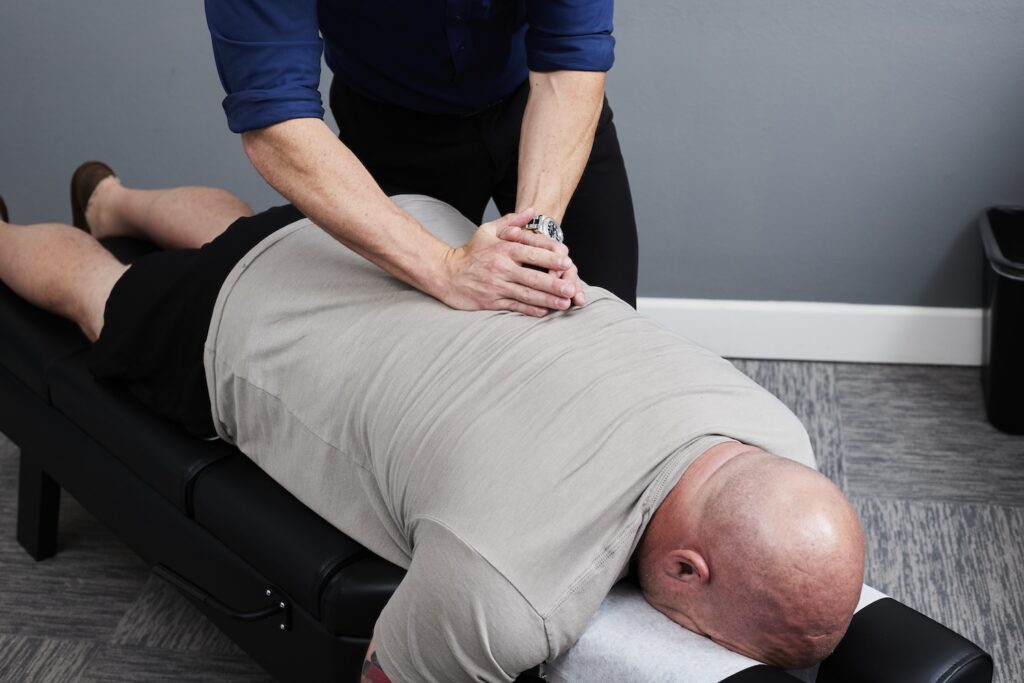
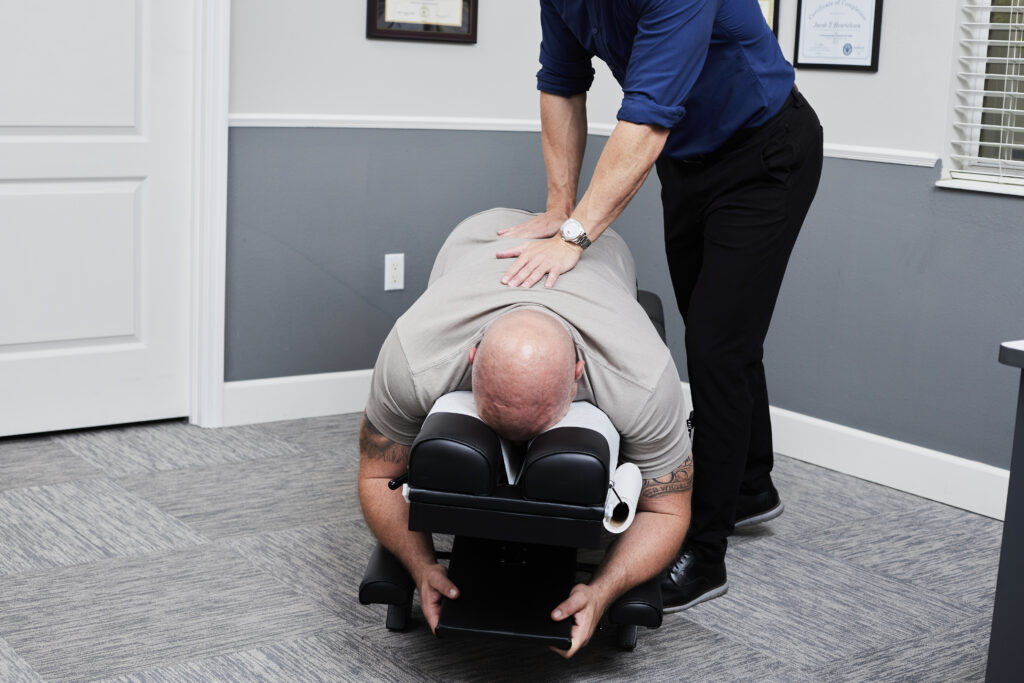
During an adjustment, the chiropractor applies precise pressure to specific areas of the spine. This manipulation helps realign vertebrae that may have shifted due to everyday activities or injuries. You might feel immediate relief after an adjustment, as it reduces nerve irritation and tension in surrounding muscles. Many people report improved energy levels and reduced stress following these treatments.
Regular spinal adjustments can also enhance your body's natural healing processes. By promoting proper alignment, you support healthy circulation and immune function. This holistic approach encourages your body to work more efficiently, which can lead to improvements in your overall health.
It's important to remember that spinal adjustments aren't just for those experiencing pain. They're beneficial for anyone looking to maintain ideal spinal health and prevent future issues.
Common Posture Problems
Posture issues are more common than you might think, affecting people of all ages and lifestyles. You might find yourself slouching at your desk, leaning forward to look at your phone, or hunching over while driving. These habits can lead to several common posture problems that can impact your daily life.
One prevalent issue is forward head posture, where your head juts forward instead of aligning with your spine. This can strain your neck and shoulders, leading to discomfort and tension. You may also experience rounded shoulders, which occurs when your shoulders roll inward, often due to long hours spent sitting. This not only affects your appearance but can also restrict your breathing and energy levels.
Another common posture problem is a swayback, where your lower back arches excessively while your pelvis tilts forward. This can result in lower back pain and discomfort. Similarly, flat back posture, where your lower back loses its natural curve, can put undue stress on your spine and lead to tight hamstrings and buttocks.
Lastly, many people suffer from a combination of these issues, known as mixed posture. It's important to recognize these problems early on, as addressing them can help prevent further complications.
How Poor Posture Affects Health
Poor posture doesn't just affect your appearance; it can have serious implications for your overall health. When you slouch or hunch, you're not just creating an unflattering silhouette; you're putting unnecessary strain on your body. This strain can lead to chronic pain, particularly in your neck, shoulders, and back. Over time, these issues can become debilitating, making daily activities a challenge.
Moreover, poor posture can impact your breathing. When you're hunched over, your diaphragm can't function properly, which means you may not be getting enough oxygen. This can lead to feelings of fatigue, anxiety, and even headaches. You might find it harder to concentrate, as your brain isn't getting the oxygen it needs to function efficiently.
Your digestion can also suffer from poor posture. Slouching compresses your abdominal organs, making it difficult for your digestive system to operate effectively. This can result in discomfort, bloating, and even constipation.
Additionally, poor posture can affect your mood. Studies show that body language influences how you feel; when you're slouched, you're more likely to feel down or anxious. Conversely, standing tall can boost your confidence and improve your overall state of mind.
Benefits of Spinal Adjustments
One of the most effective ways to improve your overall health and well-being is through spinal adjustments. These adjustments can help realign your spine, which often leads to a cascade of positive effects on your body. By correcting misalignments, you'll likely notice a reduction in pain, especially in your back, neck, and shoulders. Many people experience immediate relief after an adjustment, allowing them to move more freely and comfortably.
Spinal adjustments also enhance your nervous system's function. A properly aligned spine allows your nerves to transmit signals more efficiently, which can boost your overall energy levels and improve your body's ability to respond to stress. As you experience less tension and discomfort, you may find it easier to engage in physical activities and maintain an active lifestyle.
Additionally, spinal adjustments can improve your posture. With a better alignment, you'll naturally stand taller and sit straighter, which can contribute to increased confidence and a more positive self-image. Over time, this can also reduce the risk of developing chronic issues associated with poor posture, such as headaches and fatigue.
Finally, regular adjustments can enhance your overall quality of life. You'll likely sleep better, feel more relaxed, and enjoy a greater sense of well-being. By investing in spinal adjustments, you're taking a proactive step towards a healthier, more balanced life.
Embracing this practice can lead to lasting benefits that extend far beyond just posture improvement.
What to Expect During Treatment
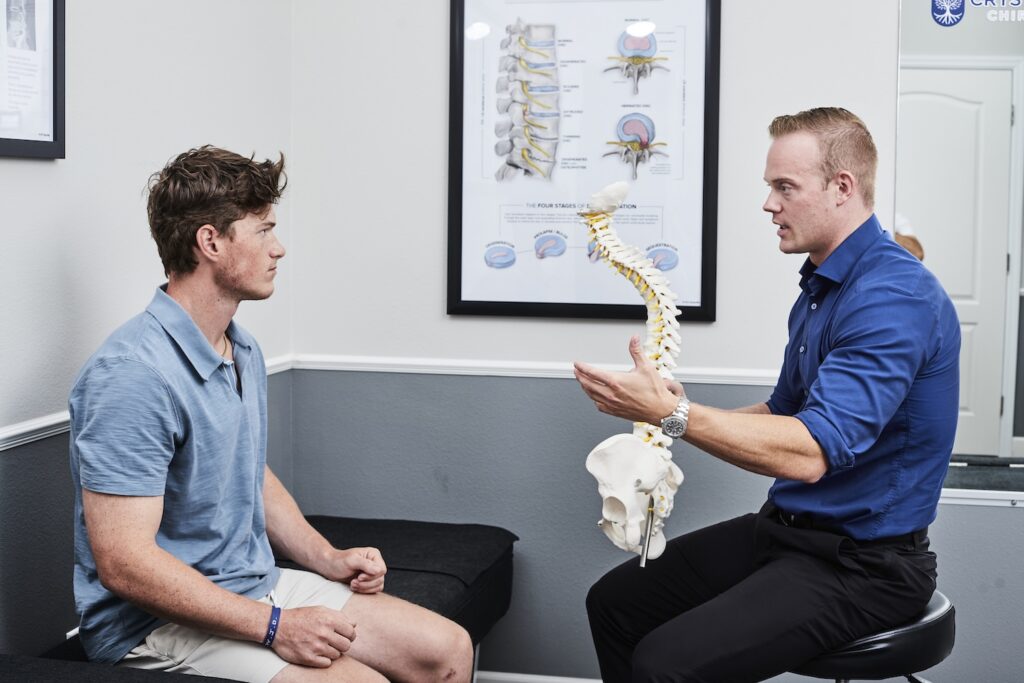
During your treatment, you'll find that the process is both straightforward and tailored to your needs. Each session typically begins with a brief consultation, where your chiropractor will review your posture and discuss any specific concerns you might have. This open dialogue helps guarantee that your treatment plan aligns with your goals.
Here's what you can expect during your treatment:
- Assessment: Your chiropractor may perform an initial assessment, including physical examinations and possibly some diagnostic tests. This step is vital for understanding your spinal health and identifying areas that need attention.
- Personalized Plan: Based on the assessment, your chiropractor will develop a personalized treatment plan. This plan will outline the frequency and types of adjustments you'll receive, making sure it fits your lifestyle.
- Adjustments: During each session, you'll receive spinal adjustments aimed at realigning your vertebrae and improving your posture. These adjustments are performed using gentle techniques designed to minimize discomfort.
- Follow-Up: After your adjustments, your chiropractor will likely schedule follow-up appointments to monitor your progress. They may also provide exercises or lifestyle tips to help maintain your improved posture between visits.
As you go through this process, remember that your comfort is a priority. Don't hesitate to communicate any concerns with your chiropractor, as they're there to support you on your journey to better posture.
Techniques Used in Adjustments
When it comes to improving your posture, you'll encounter various adjustment techniques.
Manual manipulation techniques rely on hands-on approaches to realign your spine, while instrument-assisted adjustments use specialized tools for precision.
Understanding these methods can help you feel more confident in your treatment journey.
Manual Manipulation Techniques
Numerous manual manipulation techniques play an essential role in correcting posture and enhancing overall well-being.
These hands-on methods help realign the spine, relieve tension, and improve mobility. Here are four common techniques you might encounter during your adjustments:
- Chiropractic Adjustments: Your chiropractor applies controlled force to specific vertebrae, helping restore proper alignment and function. This technique can considerably relieve pain and tension.
- Myofascial Release: This technique targets the fascia, the connective tissue surrounding muscles. By applying gentle pressure, it can reduce muscle tightness and improve flexibility, which contributes to better posture.
- Craniosacral Therapy: A light touch is used to manipulate the craniosacral system, which can help relieve tension and improve the flow of cerebrospinal fluid. This technique can promote relaxation and balance in your body.
- Nerve Mobilization: This technique involves gentle stretching of nerves to help improve their function and reduce discomfort. It can also aid in improving overall posture by addressing nerve-related issues.
Instrument-Assisted Adjustments
While manual manipulation techniques are effective for improving posture, instrument-assisted adjustments offer a modern approach that enhances these benefits. These adjustments utilize specialized tools to deliver precise, controlled forces to your spine. This means you can experience the advantages of spinal alignment without the intensity of traditional manual methods.
You might find that instrument-assisted adjustments feel more comfortable and less invasive. Chiropractors often use devices like the Activator or similar tools to target specific areas, ensuring you get the right treatment for your unique posture issues. The gentle pressure from these instruments can promote relaxation and reduce resistance in your muscles, making the entire process smoother.
This technique is particularly beneficial for those who might be apprehensive about manual adjustments or for individuals with specific health concerns that make traditional methods less advisable. By incorporating instrument-assisted adjustments into your chiropractic care, you can work towards better posture with less discomfort.
Ultimately, these modern techniques complement manual manipulation, allowing you to enjoy a thorough approach to spinal health. Consider discussing instrument-assisted adjustments with your chiropractor to determine if they're right for you.
Frequency of Adjustments
Finding the right frequency for posture adjustments can greatly impact your overall well-being. When it comes to spinal health, consistency is key. You may wonder how often you should visit your chiropractor to achieve the best results. The answer often depends on your unique situation, including your posture issues and lifestyle choices.
Here are a few factors to take into account when determining the frequency of your adjustments:
- Severity of Posture Issues: If your posture problems are severe, you might need more frequent adjustments initially. This could mean visiting your chiropractor two to three times a week until you notice significant improvement.
- Your Body's Response: Pay attention to how your body responds to adjustments. If you feel immediate relief and improved mobility, you might be able to space out appointments sooner.
- Lifestyle Factors: Reflect on your daily activities and habits. If you sit for long periods or have a physically demanding job, you may benefit from more frequent adjustments to counteract the negative effects.
- Chiropractor's Recommendations: Trust your chiropractor's expertise. They'll assess your progress and suggest an appropriate schedule that aligns with your specific needs.
Ultimately, the frequency of your adjustments should support your journey towards better posture. Regular visits will help you stay on track, making it easier to maintain the improvements you achieve.
Lifestyle Changes for Better Posture
To improve your posture, consider making some key lifestyle changes.
Setting up an ergonomic workstation, incorporating regular stretching routines, and maintaining mindful posture awareness can make a significant difference.
These adjustments not only enhance your comfort but also promote long-term spinal health.
Ergonomic Workstation Setup
Creating an ergonomic workstation isn't just about comfort; it's vital for maintaining good posture and preventing long-term health issues.
When you set up your workspace correctly, you'll notice a significant difference in how you feel throughout the day. Here are four key elements to focus on:
- Chair Height: Adjust your chair so your feet rest flat on the floor, with knees at a 90-degree angle. This alignment supports your lower back and promotes proper posture.
- Monitor Position: Position your monitor at eye level, about an arm's length away. This reduces neck strain and encourages you to sit up straight.
- Keyboard and Mouse: Keep your keyboard and mouse close enough that your elbows remain at a 90-degree angle. Your wrists should be straight and not bent while typing.
- Lighting: Confirm your workstation is well-lit to minimize eye strain. Use adjustable lighting to reduce glare on your screen, which can also help maintain focus.
Regular Stretching Routines
Incorporating regular stretching routines into your daily life can considerably enhance your posture and overall well-being. Stretching helps lengthen tight muscles, improves flexibility, and promotes better alignment. When you stretch consistently, you'll notice a reduction in muscle tension, which often contributes to poor posture.
To get started, set aside time each day for stretching. Focus on major muscle groups, especially those that tend to tighten from sitting or repetitive motions, like your neck, shoulders, and hips. Simple stretches such as neck tilts, shoulder rolls, and hip flexor stretches can make a significant difference.
Make it a habit to stretch during breaks at work or after workouts. Incorporating stretches like the chest opener can counteract the forward hunch many experience from prolonged sitting. Additionally, don't forget to target your back muscles. Cat-cow stretches and child's pose are excellent for promoting spinal flexibility.
You'll find that integrating stretching into your routine not only enhances your posture but also boosts your energy levels and overall comfort.
Mindful Posture Awareness
Regular stretching routines lay a strong foundation for improving your posture, but becoming mindful of your posture throughout the day is equally important.
When you consciously pay attention to how you sit, stand, and move, you can make significant strides in correcting your posture.
Here are four practical tips to enhance your mindful posture awareness:
- Check your seating: Verify your chair supports your lower back and your feet are flat on the floor. This simple adjustment can alleviate slumping.
- Set reminders: Use your phone or sticky notes to remind you to check your posture every hour. A quick check-in can help you stay aware and adjust accordingly.
- Practice alignment: When standing, distribute your weight evenly on both feet. Imagine a straight line running from your head to your heels, promoting better alignment.
- Engage your core: Strengthening your core muscles helps maintain stability and supports your spine. Incorporate core exercises into your routine to promote better posture naturally.
Finding a Qualified Chiropractor
Finding a qualified chiropractor can often feel overwhelming, but it's essential for improving your posture and overall well-being. Start your search by asking for recommendations from friends, family, or your primary care physician. Personal referrals can help you find someone you can trust and feel comfortable with.
Once you have a few names, check their credentials. Make sure they're licensed and have the necessary certifications. You can usually find this information on state licensing boards' websites. Look for chiropractors who've experience in treating posture-related issues, as this specialization can be vital for your specific needs.
Next, consider their approach to treatment. Some chiropractors focus solely on spinal adjustments, while others may incorporate additional therapies, such as physical therapy, nutritional counseling, or exercise recommendations. It's important to choose someone whose methods resonate with you and align with your goals.
Don't hesitate to schedule initial consultations. This gives you the chance to ask questions about their techniques, experience, and treatment philosophy. Pay attention to how they communicate; a good chiropractor should listen to your concerns and explain their approach clearly.
Lastly, evaluate the clinic environment. Is it clean and welcoming? Are the staff friendly and professional? A supportive atmosphere can make a significant difference in your treatment experience.
Long-Term Benefits of Good Posture
Good posture offers numerous long-term benefits that can greatly enhance your quality of life. When you maintain proper alignment, you're not just avoiding back pain; you're also setting yourself up for a healthier future. Here are some key advantages you can enjoy:
- Reduced Pain: Good posture helps distribute your body weight evenly, reducing strain on your muscles and joints. This can lead to fewer headaches, neck pain, and lower back issues.
- Improved Breathing: Standing or sitting up straight opens up your chest and lungs, allowing for deeper and more effective breathing. This can increase oxygen flow and improve your energy levels.
- Enhanced Confidence: Good posture can boost your self-esteem. When you stand tall, you project confidence, which can positively influence how others perceive you and how you perceive yourself.
- Better Digestion: Proper alignment can also aid in digestion. When you sit or stand correctly, you allow your organs to function more efficiently, reducing discomfort and promoting overall digestive health.
Incorporating good posture into your daily routine might take some effort, but the long-term benefits are well worth it.
By focusing on maintaining alignment, you're investing in your physical health, mental well-being, and overall quality of life.
Conclusion
Incorporating spinal adjustments into your routine can transform your posture and overall well-being. By addressing common issues like forward head posture and rounded shoulders, you're not just alleviating pain—you're enhancing your health. With regular care and a commitment to lifestyle changes, you'll experience lasting benefits, including improved confidence and mobility. So, take the first step towards better posture today and seek out a qualified chiropractor who can guide you on this journey to a healthier you.