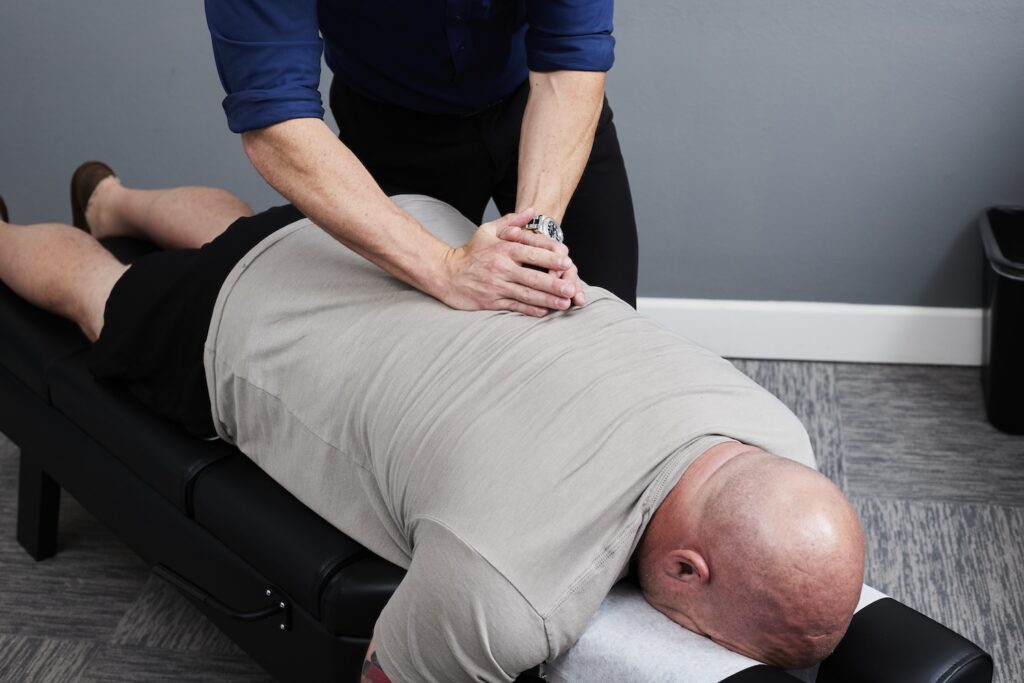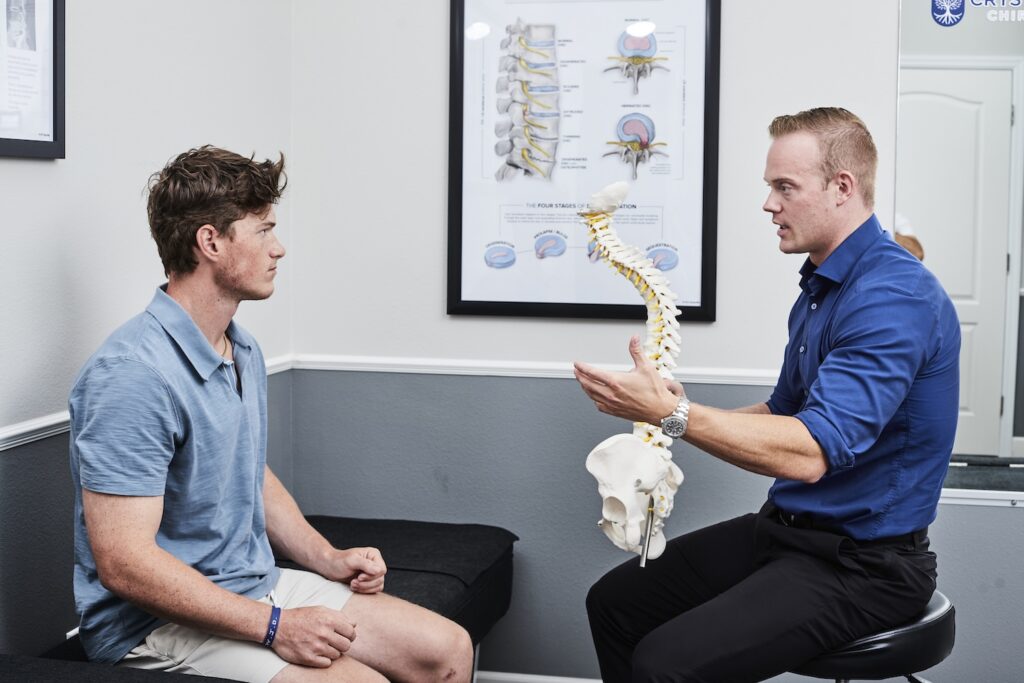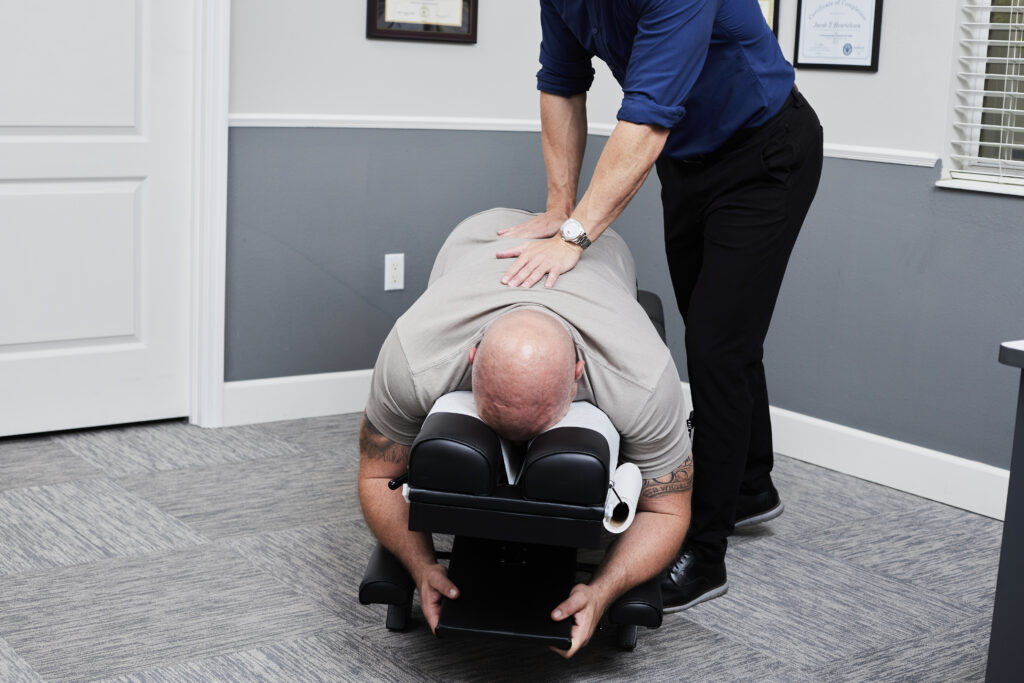

As a local chiropractor, I want to share how adjustments can significantly enhance your athletic performance. Many people aren't aware that these adjustments can be a crucial part of your overall success in sports and fitness. By focusing on areas such as improved posture, increased mobility, and faster recovery times, you'll notice not just physical improvements but also a boost in your mental outlook.
Each chiropractic adjustment plays a unique role in creating a comprehensive strategy to elevate your game. For instance, better posture can lead to more efficient movement, while increased mobility can enhance your range of motion, allowing for more fluid and powerful athletic performance. Moreover, regular adjustments can aid in quicker recovery from workouts or injuries, keeping you in optimal shape.
If you're curious about how these elements work together to optimize your training and overall well-being, I invite you to explore the five ways chiropractic adjustments can make a tangible difference in your performance. Understanding these benefits can be the first step toward unlocking your full athletic potential!
Optimizing Training Regimens
As a local chiropractor, I want to share some insights about optimizing your training regimen for both physical performance and overall well-being. It's important to adopt a balanced approach that incorporates intensity, recovery, and variety—not only for athletic gains but also for maintaining a healthy spine and body.
First, let's talk about intensity. While it's essential to challenge yourself during workouts, it's equally crucial to listen to your body. High-intensity interval training (HIIT) can be beneficial for improving cardiovascular fitness and building strength. Just be mindful not to push too hard, as overexertion can lead to injuries, which is where chiropractic care can help you recover and realign.
Next, we must emphasize the importance of recovery. Your muscles, joints, and spine need time to heal and strengthen after intense activity. Incorporating rest days and considering active recovery options—like light jogging, stretching, or yoga—can enhance your healing process.
Additionally, quality sleep is vital; aim for at least seven to eight hours each night to support your body's recovery efforts. Remember, real improvement occurs during these recovery periods, not just in your workouts.
Variety in your training routine is also essential. Mixing up your exercises and trying different training styles keeps your body engaged and helps prevent injuries. Integrating strength training, endurance exercises, and flexibility work can lead to a more balanced physique and reduce the risk of overuse injuries.
This is where chiropractic adjustments can play a key role, ensuring your body is functioning optimally regardless of the activity you choose.
Finally, tracking your progress is crucial. Keeping a training journal allows you to monitor your workouts, how your body feels, and any improvements you notice. This information is valuable for making necessary adjustments to your regimen and can help you avoid potential injuries.
If you do find yourself dealing with discomfort or pain, don't hesitate to seek chiropractic care. We can provide personalized treatment plans to help you stay on track toward your fitness goals.
Enhancing Nutritional Strategies
To improve your overall well-being and support your athletic performance, it's essential to consider how your nutrition plays a role in your health.
As a local chiropractor, I often emphasize the importance of tailored meal plans and proper hydration techniques.
These nutritional strategies can greatly impact how you feel and function, not just during your workouts but in your daily life as well.
Let's delve into how you can incorporate these approaches to enhance your physical performance and overall health effectively.
Tailored Meal Plans
When it comes to enhancing your overall health and well-being, personalized meal plans can significantly contribute to your journey towards better nutrition and vitality. Just as chiropractic care focuses on the alignment of your body to promote optimal function, tailoring your diet to your specific needs can help you achieve your health goals, whether that's increasing energy, maintaining a healthy weight, or supporting your body's natural healing processes.
Begin by assessing your individual requirements—consider factors such as your age, weight, activity level, and any dietary preferences you may have. This personalized approach allows you to create a meal plan that complements your unique body composition and lifestyle.
Pay attention to the balance of macronutrients in your meals; for instance, carbohydrates can provide the energy you need for daily activities, while proteins are essential for tissue repair and overall health.
Timing is also crucial! Consuming the right foods before and after physical activities can significantly influence your energy levels and recovery.
Focus on incorporating whole, nutritious foods into your diet, such as lean proteins, whole grains, fresh fruits, and vegetables. These foods not only support your physical health but also provide essential vitamins and minerals that contribute to your body's healing and maintenance.
By understanding the connection between nutrition and chiropractic care, you can empower yourself to make informed choices that promote a healthier, more balanced life.
Embrace the journey towards better nutrition and experience the benefits it can bring to your overall well-being!
Hydration Optimization Techniques
As a local chiropractor dedicated to promoting overall health and wellness, I want to highlight the often-overlooked aspect of hydration in optimizing your physical performance and well-being. Many individuals focus primarily on diet, but proper hydration is equally essential for maintaining peak performance and health.
Dehydration can lead to fatigue, decreased coordination, and impaired decision-making, all of which can affect your daily activities and exercise routines. Here are some hydration optimization techniques to consider:
1. Understand Your Hydration Needs: It's important to recognize that everyone's hydration needs are unique. Factors such as the climate you live in, the intensity of your physical activity, and the duration of your workouts can all influence how much water you should be consuming.
Pay attention to your body's signals—thirst, fatigue, and even the color of your urine can be indicators of your hydration status. Adjust your fluid intake accordingly to ensure you remain well-hydrated.
2. Maintain Electrolyte Balance: As you sweat, you lose not only water but also vital electrolytes that are crucial for muscle function and overall health. To replenish these, consider incorporating electrolyte-rich beverages or snacks into your diet.
This not only helps maintain your energy levels but also aids in preventing muscle cramps during intense physical activities.
3. Hydrate with Purpose: It's best not to wait until you feel thirsty to drink water. I recommend a consistent hydration routine throughout the day.
Focus on drinking water before, during, and after your workouts. By adopting this proactive approach to hydration, you can enhance your performance and support your body's natural healing processes.
Refining Technique and Form
Refining your technique and form is crucial not just for athletes, but for anyone looking to improve their physical health and well-being. When your movements are precise and efficient, you can enhance your overall performance in daily activities while significantly reducing the risk of injury. By paying close attention to the mechanics of how you move, you can achieve substantial improvements in your physical capabilities.
Consider seeking guidance from a chiropractor or health professional who specializes in biomechanics. An experienced practitioner can observe your movements and offer valuable feedback. They can help you identify areas that may need adjustment, which you might overlook. With tailored exercises and stretches, they can assist in refining your form, making your movements more effective and reducing strain on your body.
It's also essential to focus on the fundamentals of movement. Whether you're engaging in household chores, exercising, or simply walking, mastering the basic motions is vital. Breaking down complex tasks into smaller, manageable components allows you to practice and perfect each part. This methodical approach lays a robust foundation for more advanced activities and helps prevent injuries.
Using video analysis can be a beneficial resource as well. Recording yourself during various activities and reviewing the footage can provide fresh insights into your technique. By observing your movements, you can pinpoint any issues and make necessary adjustments.
Lastly, consistency is fundamental. Regular practice while prioritizing proper form helps to establish good habits. Over time, these refinements will become second nature, ultimately enhancing your performance in everyday tasks and allowing you to enjoy a more active lifestyle.
Improving Mental Resilience
To truly enhance your overall well-being and performance, it's essential to strengthen your mental resilience.
As a chiropractor, I believe that this involves not just your physical health but also your mental fortitude. Building confidence in your body, sharpening your focus, and learning to navigate life's challenges are critical components of this process.
By incorporating chiropractic care and natural healing practices, we can work together to address these areas, helping you feel more equipped to manage stress and adversity—whether in sports or daily life.
Building Confidence Under Pressure
In the midst of life's challenges, whether in sports or daily activities, confidence can play a crucial role in how we perform. At our chiropractic practice, we believe that building confidence isn't just about physical strength or skill; it's also about cultivating a strong mental state that supports your overall well-being.
Here are three ways you can enhance your confidence, especially when it counts:
- Practice Positive Self-Talk: Just as we focus on physical alignment, it's important to align your thoughts too. Replace any negative self-talk with positive affirmations. Remind yourself that you're strong, resilient, and capable of overcoming challenges. This mental shift can greatly influence your performance.
- Visualize Success: Visualization isn't just for athletes; it's a powerful tool for everyone. Before facing a challenging situation, take a moment to imagine yourself succeeding. Picture the details of the moment—how you feel, the support around you, and the sense of accomplishment. This mental rehearsal can help reduce anxiety and boost your confidence.
- Reflect on Past Achievements: Just like we assess your physical health through various milestones, reflecting on your past successes can help reinforce your confidence. Think back to moments when you triumphed, whether in sports, work, or personal life. Reminding yourself of these victories can reignite your belief in your abilities and empower you in high-pressure situations.
At our chiropractic office, we're here to support you in both your physical and mental health journeys. Embracing these strategies can help you build confidence naturally, enhancing your overall performance in every aspect of life.
Developing Focus and Clarity
As a local chiropractor, I want to share with you the importance of confidence and clarity in enhancing not just athletic performance, but overall well-being. When your body is aligned and free from discomfort, distractions tend to fade away. This allows you to channel your energy effectively, whether you're training for a sport or simply going about your daily activities.
Achieving this mental clarity and focus starts with a healthy body and requires consistent care and intentional strategies.
One way to cultivate focus is by setting specific wellness goals for your visits. Knowing what you want to accomplish during each session can sharpen your focus on your health. During your time in our office, let go of distractions—put away your phone and take a moment to concentrate on your body's needs.
I encourage you to incorporate mindfulness techniques, such as deep breathing or gentle stretches, to help center your thoughts and enhance your awareness of the present moment.
Visualizing your health can also enhance clarity. Imagine your body moving freely and functioning optimally. This mental imagery not only reinforces your confidence in your body's abilities but also helps you remain focused on your recovery and well-being.
Finally, it's essential to maintain a positive mindset. Replace any negative thoughts about your health with affirmations that remind you of your strengths and resilience.
When your mind is clear and focused, you'll find it easier to make healthier choices and respond positively to challenges. Remember, clarity isn't just about what you see; it's about how you feel and respond in various situations.
Overcoming Adversity Through Practice
When faced with physical challenges or injuries, the ability to recover and learn from adversity is crucial for everyone, not just athletes. Your journey towards wellness isn't only about physical healing; it's also about developing mental resilience.
By confronting obstacles head-on, you can cultivate a stronger mindset that helps you navigate through even the toughest situations.
Here are three ways to utilize chiropractic care and natural healing to overcome adversity:
- Embrace Setbacks: Every injury or pain episode can serve as an opportunity for growth. When you view these setbacks as chances to learn and improve your body's function, you'll find the strength to recover and come back even stronger.
- Visualize Recovery: Imagine yourself overcoming your physical challenges. Visualization can reinforce your belief in your body's ability to heal, helping you stay focused and motivated throughout your recovery process.
- Stay Committed to Care: Regular chiropractic visits in the face of discomfort help build resilience. When you commit to your wellness journey, regardless of the challenges, you cultivate a strong spirit that enhances your overall health and wellbeing.
Incorporating these strategies into your healthcare routine not only improves your physical condition but also strengthens your mental resilience.
Embrace the challenges that come your way, and you may discover that your greatest health achievements often arise from the most difficult experiences.
Adjusting Recovery Practices
As a local chiropractor, I want to share how adjusting your recovery practices can significantly enhance your athletic performance. After intense training, your body needs time to repair and adapt, and recovery is about more than just resting. It involves a variety of natural strategies to optimize your performance and overall well-being.
First and foremost, it's important to listen to your body. If you're feeling fatigued or sore, it's perfectly fine to allow yourself extra rest days. You might also consider low-impact activities such as swimming or yoga, which can promote active recovery without putting additional strain on your body.
Nutrition plays a crucial role in recovery as well. After a workout, it's vital to fuel your body with the right nutrients—especially protein and carbohydrates. These nutrients help replenish energy stores and facilitate muscle repair. Staying hydrated is equally important; dehydration can impede your recovery efforts, so make sure you're drinking enough water.
Sleep is another key aspect of recovery. Aim for 7-9 hours of quality sleep each night, as this is when your body performs much of its healing and rebuilding. Establishing a calming bedtime routine can help enhance the quality of your sleep.
Incorporating techniques such as foam rolling, massage, or contrast baths can also be beneficial. These methods can help alleviate muscle soreness and improve circulation, which in turn speeds up your recovery process.
Lastly, I encourage you to evaluate how you feel both mentally and physically after your workouts. By adjusting your recovery practices based on your daily needs, you can make a significant difference in your overall performance.
Setting Realistic Goals
Recovery practices, including chiropractic care, play an essential role in your overall well-being and athletic journey. Setting realistic goals is crucial to your success in this process, as it helps you concentrate your efforts and stay motivated. When you establish clear and attainable objectives, you can better measure your progress and appreciate the benefits of chiropractic care.
Here's how you can set those goals for your health:
- Break it Down: Instead of overwhelming yourself with a broad target, break it into smaller, manageable milestones. For instance, if you're aiming to improve your flexibility or reduce discomfort, set specific targets like attending weekly chiropractic sessions or incorporating stretches into your routine. Celebrating each small achievement can keep your motivation high.
- Be Specific: Ambiguous goals can lead to confusion about your health journey. Instead of saying, "I want to feel better," try specifying, "I want to reduce my lower back pain by 50% in the next month through chiropractic adjustments and exercises." This specificity gives you a clear direction and purpose in your healing process.
- Stay Flexible: Life is unpredictable, and you may face challenges along the way. If you discover that a particular goal isn't working for you or isn't realistic, don't hesitate to adjust it. Being flexible ensures that your objectives remain relevant and achievable, which helps cultivate a positive mindset towards your health.
Setting realistic goals isn't solely about physical measurements; it's about creating a pathway to your best self. As you reach these milestones with the help of chiropractic care, you'll likely notice an increase in your confidence and overall performance.
Incorporating Feedback Mechanisms
To enhance your overall health and well-being, it's crucial to incorporate feedback mechanisms that guide you on your healing journey. Feedback isn't solely about receiving praise or criticism; it encompasses gaining insights that help you refine your approach to wellness.
Begin by regularly evaluating your physical health. This could involve self-reflection after activities; take a moment to assess how your body feels. Ask yourself specific questions: Are there areas of discomfort? How did you feel after physical activity?
Another beneficial method is to seek input from your chiropractor or other healthcare professionals. They can offer valuable perspectives on your posture, mobility, and overall health that you might overlook. During your visits, don't hesitate to ask for constructive feedback on your alignment, movement patterns, or any discomfort you're experiencing. This open dialogue can illuminate areas that may need adjustment.
Additionally, consider maintaining a health journal. Documenting your physical activities, symptoms, and progress can reveal patterns over time. You may notice improvements or areas that require more attention, allowing you to adapt your wellness plan accordingly.
If possible, engage in regular health reviews with your chiropractor. Set aside time to discuss your progress towards your health goals. This practice not only helps you stay focused but also motivates you to navigate through challenges toward better health.
Lastly, remain open to feedback. Embrace it as a tool for personal growth rather than a critique of your capabilities. By integrating these feedback mechanisms into your wellness routine, you'll be better equipped to make informed adjustments, ultimately enhancing your health and vitality.
Utilizing Technology and Analytics
Harnessing technology and analytics can significantly enhance your journey to better health and athletic performance. As a local chiropractor, I often see how integrating these tools into your wellness routine can provide insights that were previously beyond reach.
It's not just about managing pain; it's about uncovering patterns that can lead to a more vibrant, active lifestyle.
Let's explore three powerful ways technology can support your health and athletic endeavors:
1. Wearable Devices: These innovative gadgets monitor essential health metrics, such as heart rate, sleep quality, and stress levels. They offer real-time feedback, enabling you to fine-tune your physical activities and recovery strategies.
Imagine having the ability to know precisely when to push your limits and when to take a step back—this knowledge can greatly enhance your overall well-being.
2. Video Analysis: Recording your movements can unlock valuable insights into your physical form and technique. By reviewing your performance on video, you can pinpoint areas that require adjustment, leading to improved posture and movement efficiency.
This visual feedback allows you to make corrections more swiftly, helping you establish healthy habits and skills. Envision refining your physical abilities in ways you never thought possible.
3. Data Analytics Software: Utilizing sophisticated analytics tools can assist you in tracking your progress over time. By examining data from your physical activities and chiropractic adjustments, you can uncover trends that inform your health strategies.
This personalized approach ensures you're optimizing your performance and aligning your training with your body's unique needs, paving the way for greater success.
Incorporating technology and analytics into your health regimen goes beyond mere numbers; it's about unlocking your full potential and achieving your wellness goals.
Embrace these innovative tools, and watch as your health and athletic performance flourish.
Conclusion
As a local chiropractor, I want to share how incorporating chiropractic adjustments into your training routine can significantly enhance your athletic performance. Many people may not realize that these adjustments play a crucial role in optimizing your body's alignment and mobility. By improving your biomechanics, you can reduce pain and speed up your recovery time.
This means that not only can you train more effectively, but it can also help to strengthen your mental resilience. Embracing chiropractic care allows you to refine your technique, set realistic goals, and use effective feedback mechanisms for improvement.
With the right chiropractic support, you can unlock your full potential and experience sustained enhancements in your athletic journey. I encourage you to explore the benefits of chiropractic adjustments and how they can contribute to your overall health and athletic success.