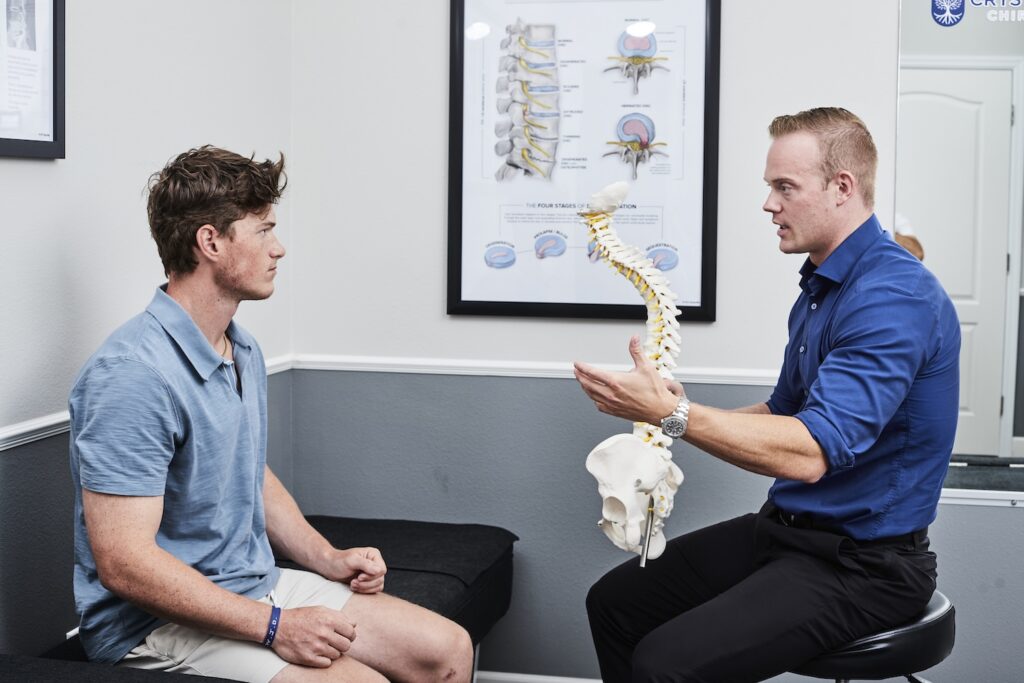
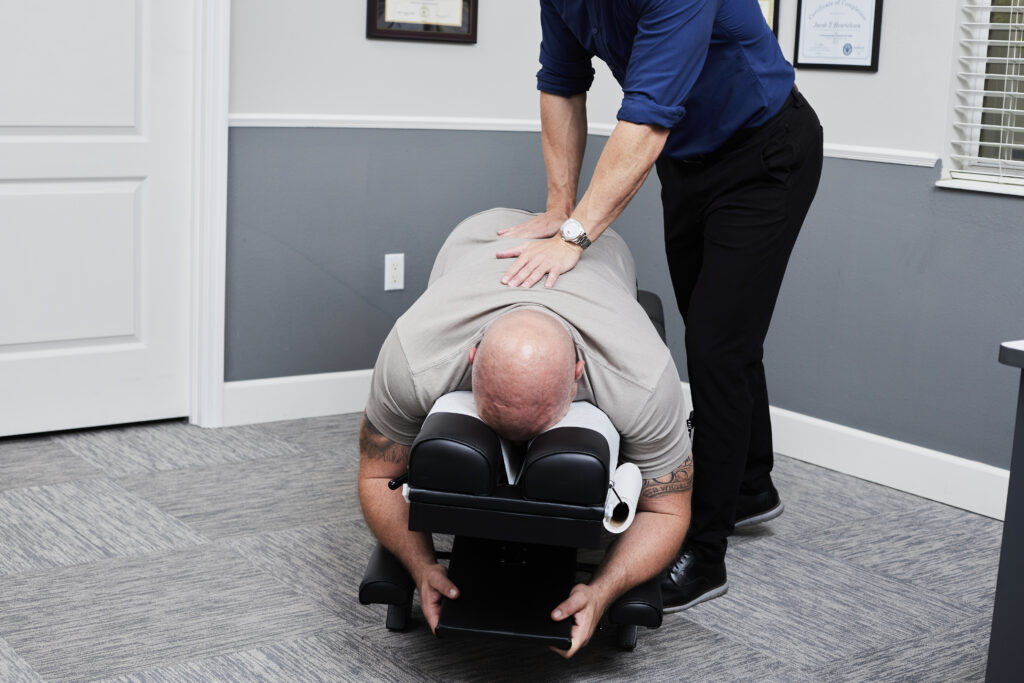
Navigating the challenges of fibromyalgia can feel daunting, but I want you to know that you're not alone on this journey. As a chiropractor, I've seen firsthand how a holistic approach can bring relief. Finding the right balance often involves integrating traditional treatments with natural healing methods and lifestyle changes that suit your individual needs.
In my practice, I encourage you to consider the benefits of chiropractic care, which focuses on spinal health and overall well-being. By addressing misalignments and tension in the body, we can work together to alleviate some of the pain associated with fibromyalgia. Additionally, incorporating supportive therapies and connecting with others who share similar experiences can provide invaluable insights and encouragement.
As you contemplate your options, think about the first step you're willing to take toward enhanced well-being. Whether it's scheduling an appointment to learn more about chiropractic techniques or exploring other natural remedies, every small change can lead to significant improvements in how you manage your symptoms. Let's embark on this path to relief together!
Understanding Fibromyalgia Symptoms
As a local chiropractor, I want to shed some light on a condition that many people find puzzling and overwhelming: fibromyalgia. Patients often describe the symptoms as a widespread pain that seems to shift around their bodies, making it challenging to pinpoint where the discomfort truly lies. This isn't just ordinary pain; it's a deep, throbbing ache that can come with stiffness, particularly in the mornings or after extended periods of sitting.
One of the most common experiences for those with fibromyalgia is profound fatigue. Even after a full night's sleep, many still feel completely drained, which can make daily tasks feel daunting. Energy levels can be unpredictable, leading to frustration in trying to maintain a routine.
Additionally, cognitive challenges—often referred to as "fibro fog"—can complicate things further. You might notice difficulty concentrating, remembering details, or following conversations, which can be quite disheartening.
Sleep disturbances frequently accompany these symptoms. Many individuals find it hard to fall asleep or stay asleep, only to wake up feeling just as exhausted as before.
Another aspect to consider is heightened sensitivity. Those with fibromyalgia may experience greater sensitivity to pain, temperature, and touch, making even simple daily experiences feel overwhelming.
Other common symptoms can include headaches, digestive issues, and mood fluctuations. It's crucial to recognize these signs; understanding your condition is the first step towards managing it effectively.
As a chiropractor, I believe in the power of natural healing and want to help you navigate the complexities of fibromyalgia. By identifying and acknowledging your symptoms, we can work together to explore appropriate care options that may help alleviate discomfort and improve your overall quality of life.
Traditional Medical Treatments
When managing fibromyalgia, it's important to explore all your options, including chiropractic care and natural healing methods.
As a chiropractor, I emphasize the role of spinal health and its impact on overall well-being. Many patients find relief through gentle adjustments that help restore balance to the body and reduce pain.
Alongside these adjustments, we also focus on holistic approaches such as nutrition and exercise to support your healing journey.
Understanding these natural options can empower you to take control of your health and improve your quality of life.
Medications for Pain Relief
Managing fibromyalgia can be a complex journey, but as a chiropractor, I want to help you understand how natural healing methods can play a role in alleviating your pain and enhancing your quality of life.
While many people are familiar with over-the-counter pain relievers like ibuprofen or naproxen to reduce inflammation and discomfort, it's important to explore holistic approaches as well.
Chiropractic care focuses on the musculoskeletal system and involves hands-on techniques that can help alleviate pain, improve mobility, and promote overall well-being. By addressing misalignments in the spine and other joints, we can often reduce nerve irritation and muscle tension that contribute to fibromyalgia symptoms.
In addition to chiropractic adjustments, incorporating lifestyle changes such as regular exercise and stretching can significantly benefit your condition. Activities like yoga or gentle stretching can help relieve muscle tension and improve flexibility, while also boosting your mood.
I encourage open communication about your symptoms and any concerns you may have. It's essential to work together to find a personalized treatment plan that may include chiropractic adjustments, physical therapy, and nutritional guidance.
With time and commitment, we can develop a natural healing approach that helps you manage your pain effectively, allowing you to reclaim a more comfortable and fulfilling life.
Physical Therapy Approaches
As a local chiropractor, I want to share how chiropractic care can work hand-in-hand with traditional medical treatments, such as physical therapy, to help manage fibromyalgia symptoms naturally.
While many mightn't be familiar with chiropractic approaches, they can play a pivotal role in your overall wellness journey.
Physical therapy is a structured method that focuses on enhancing your strength, flexibility, and overall function through customized exercises tailored to your needs.
When you work with a physical therapist, they'll assess your unique situation and develop a personalized plan that may incorporate stretching, strengthening, and aerobic exercises specifically designed for your condition.
Gentle movements are often beneficial in reducing pain and stiffness while improving mobility.
Techniques like manual therapy, which involves hands-on manipulation, can be particularly effective. These methods help relieve tight muscles and boost circulation, promoting healing and comfort.
Education is also a vital component of the healing process. Learning about body mechanics and posture can empower you to avoid aggravating your symptoms during everyday activities, making a significant difference in your daily life.
Aquatic therapy is another excellent option to consider. Exercising in water provides a low-impact environment that reduces stress on your joints, making it easier to stay active without discomfort.
It's essential to maintain open communication with your therapist about what feels good and what doesn't to ensure you're maximizing the benefits of your sessions.
Incorporating chiropractic care and physical therapy into your fibromyalgia management plan can give you a greater sense of control over your symptoms, ultimately enhancing your quality of life.
Remember, consistency is key to fully experiencing the benefits of these natural healing approaches.
Together, we can work toward a healthier, more balanced you.
Alternative Therapies
As a local chiropractor, I want to share how alternative therapies can be a valuable addition to your fibromyalgia management plan, alongside traditional treatments.
Incorporating mindfulness and meditation into your routine can significantly help reduce stress and promote relaxation.
Acupuncture, another holistic approach, may offer relief from pain by stimulating specific points in the body.
Additionally, I encourage you to explore herbal remedies and supplements, as they can provide natural options for alleviating symptoms.
Together, these therapies can complement the chiropractic care I provide, supporting your journey to better health and wellness.
Mindfulness and Meditation Techniques
As a local chiropractor, I want to share some valuable insights on how mindfulness and meditation techniques can help alleviate symptoms of fibromyalgia and improve your overall well-being. Many of you may not be familiar with the holistic approaches we advocate, which can complement chiropractic care and natural healing methods.
Mindfulness is a powerful practice that encourages you to focus on the present moment. By cultivating awareness of your body and feelings without judgment, you can reduce stress and anxiety—two factors that often intensify fibromyalgia symptoms.
A great way to start incorporating mindfulness into your routine is through simple breathing exercises. Find a quiet space, close your eyes, and take deep, slow breaths. Inhale through your nose for a count of four, hold for four, and then exhale through your mouth for four. Repeat this process for several minutes; it can be incredibly grounding and soothing.
Meditation is another beneficial practice. I recommend exploring guided meditations specifically designed for pain management. There are various apps and online resources available that offer structured sessions, making it easy to fit meditation into your daily routine.
Additionally, you might find progressive muscle relaxation helpful. This technique involves tensing and then relaxing each muscle group, starting from your toes and working up to your head. Not only does this help relieve physical tension, but it also promotes mental clarity, which can enhance your experience in chiropractic care.
Acupuncture and Pain Relief
As a local chiropractor, I want to introduce you to the remarkable benefits of acupuncture, a practice that has gained recognition for its effectiveness in managing pain, including the discomfort associated with fibromyalgia. Acupuncture involves the insertion of thin needles into specific points on your body, which can help restore balance and promote healing in a natural way.
Many of my patients have shared their experiences of reduced pain levels after just a few acupuncture sessions. The needles stimulate your body's natural pain-relief mechanisms, alleviating muscle tension and improving circulation. This can lead to a profound sense of relaxation—an important aspect for those dealing with fibromyalgia, as stress and tension often worsen symptoms.
If you're considering trying acupuncture, it's crucial to communicate openly with your practitioner about your symptoms and specific areas of pain. This dialogue allows them to customize the treatment to meet your individual needs.
Keep in mind that results can vary from person to person; some may experience immediate relief, while others might need several treatments before noticing significant changes.
I encourage you to view acupuncture as a complementary approach to your overall fibromyalgia care plan. By incorporating this therapy into your routine, you may find a valuable resource in your journey to manage pain and enhance your quality of life.
Herbal Remedies and Supplements
As a local chiropractor, I want to share some valuable insights about managing fibromyalgia symptoms using herbal remedies and supplements. Many of my patients seek natural options to alleviate pain, fatigue, and other challenges associated with this condition, and I believe these alternatives can play a supportive role in your overall wellness journey.
Here are some herbal remedies and supplements you might consider:
- Turmeric: This yellow spice is renowned for its anti-inflammatory properties. Incorporating turmeric into your diet may help reduce pain and enhance your overall well-being.
- Ginger: A powerful root, ginger is beneficial for reducing muscle soreness and inflammation, which can be particularly helpful for those with fibromyalgia.
- Magnesium: Often recommended for its muscle-relaxing qualities, magnesium can help combat fatigue and improve sleep quality—a crucial aspect of managing fibromyalgia symptoms.
- Valerian Root: Known for its calming effects, valerian root may assist in promoting better sleep, which is essential for recovery and overall health.
- Omega-3 Fatty Acids: Found in fish oil, these beneficial fats can help reduce inflammation and support joint health, making them a great addition to your wellness routine.
Before you start any herbal remedy or supplement, I recommend consulting with your healthcare provider. They can guide you on safe dosages and help you understand any potential interactions with other medications you may be taking.
Lifestyle Changes for Relief
As a local Chiropractor, I want to share how making certain lifestyle changes can significantly enhance your experience with fibromyalgia and promote overall wellness.
First and foremost, incorporating regular physical activity into your routine can be incredibly beneficial. Activities like walking, swimming, or gentle yoga can help boost energy levels and alleviate pain. Aim for at least 30 minutes of movement on most days, but always listen to your body and adjust accordingly.
Next, let's talk about the importance of sleep quality. Establishing a consistent sleep schedule is crucial. Try to go to bed and wake up at the same time every day.
To create a calming environment, limit screen time before bed and engage in relaxing activities such as reading or meditation. Quality sleep can significantly reduce fatigue and enhance your mood, which is vital for managing fibromyalgia symptoms.
Managing stress is also essential for your well-being. I recommend exploring practices such as mindfulness, deep breathing exercises, or progressive muscle relaxation to help navigate daily stressors.
Engaging in hobbies that bring you joy—like painting, gardening, or spending time with loved ones—can greatly enhance your emotional resilience.
Lastly, don't underestimate the power of a strong support network. Connecting with friends, family, or support groups who understand your journey can offer comfort and motivation.
Sharing experiences and advice can be incredibly reassuring as you navigate your path to wellness. As your Chiropractor, I'm here to support you in these lifestyle changes and help you achieve a healthier, more balanced life.
Nutrition and Diet Impact
As a local chiropractor, I want to emphasize the significant role that nutrition and diet can play in managing fibromyalgia and enhancing your overall health. Your body requires the right nutrients to maintain energy levels and reduce inflammation, both of which are essential for alleviating the symptoms associated with fibromyalgia. By making informed dietary choices, you can potentially improve your well-being and elevate your quality of life.
Here are some dietary recommendations to consider:
- Stay Hydrated: Ensure you're drinking plenty of water throughout the day. Staying hydrated helps reduce fatigue and keeps your body functioning optimally, which is crucial for your recovery and health.
- Emphasize Whole Foods: Aim to include a variety of whole foods in your diet, such as whole grains, fresh fruits, vegetables, lean proteins, and healthy fats. These foods provide essential nutrients that support your body's healing processes.
- Limit Processed Foods: Try to minimize your consumption of processed foods. These often contain additives and preservatives that can lead to increased inflammation and may exacerbate fibromyalgia symptoms.
- Incorporate Omega-3 Fatty Acids: Foods rich in omega-3 fatty acids, such as salmon, walnuts, and flaxseeds, can help reduce inflammation. Including these in your diet may ease some of the pain associated with fibromyalgia.
- Monitor Food Sensitivities: It's essential to pay attention to how certain foods affect your body. Some common triggers for fibromyalgia symptoms include gluten, dairy, and sugar. Keeping a food diary can help you identify any sensitivities.
As we explore natural healing methods together, remember that a holistic approach, including proper nutrition, can greatly support your journey towards better health and wellness.
If you have any questions about how chiropractic care complements these dietary strategies, feel free to ask during your visits!
Importance of Mental Health
As a local chiropractor, I want to emphasize the vital connection between mental health and managing conditions like fibromyalgia, as well as overall well-being. Many individuals living with fibromyalgia face emotional challenges such as anxiety and depression, which can intensify physical symptoms. This creates a difficult cycle that can be hard to escape. It's crucial to recognize how your mental state can significantly impact your physical condition.
One key area to focus on is stress management. High stress levels can exacerbate pain and fatigue, making everyday tasks seem overwhelming. Techniques such as mindfulness practices—like meditation or deep-breathing exercises—can help you regain a sense of control over your thoughts and emotions. Remember, your mental health plays a pivotal role in how your body responds to pain.
Building a supportive network is also incredibly important. Surrounding yourself with empathetic friends, family, or joining support groups provides a safe environment where you can share your experiences. This sense of community can help reduce feelings of isolation and empower you on your healing journey.
If you're struggling emotionally, don't hesitate to seek help from professionals, including therapists or counselors. They can provide you with effective strategies to cope with the emotional challenges associated with fibromyalgia.
Moreover, staying informed about your condition is essential. Knowledge can lessen fear and uncertainty, giving you a greater sense of control over your health. Remember, you aren't alone; by prioritizing your mental well-being, you can significantly improve your overall quality of life.
Taking care of your mind is just as crucial as addressing your physical symptoms, so make it an integral part of your fibromyalgia management plan. As your chiropractor, I'm here to support you in exploring natural healing methods that can enhance both your mental and physical health.
Physical Activity and Exercise
As a local chiropractor, I want to emphasize the importance of incorporating physical activity and exercise into your routine, especially when managing conditions like fibromyalgia. Many patients are unaware of how these practices can significantly improve their daily lives.
By engaging in various beneficial exercises consistently, you may experience a reduction in pain and an enhancement in your overall well-being.
Chiropractic care focuses on natural healing and promoting a healthy lifestyle, which includes physical activity. I encourage my patients to explore different types of exercises that suit their individual needs, as this can be a key component in managing symptoms.
Together, we can develop a tailored plan that incorporates these strategies into your daily routine, helping you to feel better and live more fully.
Let's work together to unlock the benefits of a more active lifestyle!
Types of Beneficial Exercises
As a local chiropractor, I want to emphasize the importance of regular exercise in enhancing your well-being, especially if you're dealing with fibromyalgia.
While starting an exercise routine may seem daunting, integrating specific types of activities can significantly alleviate your symptoms and improve your overall quality of life.
Here are some beneficial exercises that I encourage you to consider:
- Walking: This is a basic, low-impact exercise that can help you build stamina and diminish pain. It's gentle on the body and can easily be incorporated into your daily routine.
- Stretching: Engaging in gentle stretching can enhance your flexibility and relieve muscle tension. I suggest making this a part of your everyday practice to keep your body limber and relaxed.
- Yoga: Combining stretching, controlled breathing, and mindfulness, yoga not only addresses physical discomfort but also fosters relaxation and mental clarity. It's a holistic approach that aligns well with chiropractic care.
- Swimming: The buoyancy of water allows for a low-impact workout that significantly reduces strain on your joints. Swimming can be a fantastic way to exercise without overexerting yourself.
- Strength training: Incorporating light resistance exercises into your routine can help you build muscle strength and improve endurance. It's crucial to approach this gradually to avoid injury.
I encourage you to explore these exercises as part of a comprehensive approach to managing your fibromyalgia and enhancing your overall health.
Importance of Consistency
As a local chiropractor, I want to emphasize the importance of consistency when it comes to managing fibromyalgia through physical activity and exercise. Establishing a regular routine is vital; it's not just about sporadic workouts. Incorporating physical activity into your daily life can yield significant benefits for your overall well-being.
Setting realistic and achievable goals is key. This could mean taking a short walk, practicing gentle yoga, or engaging in light stretching. The regularity of these activities can help your body adapt to the unique challenges fibromyalgia brings, enhancing your endurance, strength, and flexibility. This, in turn, can make everyday tasks feel easier and less painful.
It's perfectly fine to start with small steps. Even brief sessions can be impactful if you maintain consistency. Tracking your progress can be a great motivational tool. Celebrate every achievement, no matter how small it may seem.
And if you happen to miss a day, don't let that discourage you—simply pick up where you left off the next day. Building a habit takes time, but through consistent effort, you can develop resilience and gain control over your fibromyalgia journey.
Pain Management Strategies
As a local chiropractor, I understand that managing pain effectively is crucial for those living with fibromyalgia. One of the key components in your pain management strategy is incorporating physical activity and exercise. Regular movement not only helps reduce stiffness but also enhances your mood and energy levels—important factors in coping with the challenges of fibromyalgia.
Here are some effective strategies I recommend for my patients:
- Gentle stretching: Daily stretching exercises can help you maintain flexibility and alleviate muscle tightness. This simple practice can be very beneficial for your overall mobility.
- Low-impact aerobics: Engage in activities like walking, swimming, or cycling. These exercises elevate your heart rate without putting excessive strain on your joints, making them ideal for managing fibromyalgia symptoms.
- Strength training: Building muscle strength is essential. Strength training enhances endurance and supports your joints, which can make everyday activities much easier and less painful.
- Mind-body practices: Techniques such as yoga and tai chi can significantly promote relaxation while improving balance and strength. These practices are wonderful tools for managing pain naturally.
- Consistency is key: I encourage my patients to aim for short, regular sessions of exercise rather than intense workouts. A consistent routine is often more effective and leads to better long-term results.
Always listen to your body and adjust your activities accordingly. Remember, even small amounts of physical activity can lead to significant improvements in your overall well-being.
As your chiropractor, I'm here to support you on your journey toward better health and pain management through natural healing methods.
Support Networks and Community
As a local chiropractor, I want to emphasize the importance of support networks and community resources, especially for those navigating the challenges of fibromyalgia. Connecting with others who understand your journey can significantly enhance your experience and healing process. Remember, you aren't alone, and having a supportive community can offer you encouragement, empathy, and essential insights into managing your condition.
I encourage you to explore online forums and local support groups tailored to fibromyalgia. These platforms provide a safe space to share your experiences, ask questions, and learn from individuals who face similar challenges. It can be incredibly comforting to vent your frustrations and celebrate your progress with those who truly grasp what you're going through.
Moreover, community resources such as workshops, wellness programs, and educational seminars can be immensely beneficial. These initiatives often focus on coping strategies and self-care techniques that align with natural healing practices, which we emphasize in chiropractic care.
Many organizations also provide valuable information on physical health, mental well-being, and social connections, all of which are vital for improving your overall quality of life.
Don't forget the significance of your friends and family in this journey. Educating them about fibromyalgia and how it affects you can help foster understanding and create a more supportive home environment. Let them know how they can assist you—whether it's offering a listening ear or helping you manage daily tasks on particularly challenging days.
As your chiropractor, I'm here to support you in your journey toward better health and well-being. Together, we can explore holistic approaches that complement your healing process.
Personal Stories of Resilience
As a local chiropractor, I often encounter individuals living with fibromyalgia who've remarkable stories of resilience, demonstrating incredible strength and determination. If you're navigating this journey, I want to assure you that you aren't alone. Each experience is unique, yet many individuals face similar challenges and victories, showcasing the human spirit's ability to adapt and thrive.
From my observations, several common themes emerge in these personal stories:
- Finding Purpose: Many individuals channel their pain into a driving force, using their experiences to raise awareness about fibromyalgia. This advocacy not only helps others but also fosters a sense of purpose and community.
- Building Support Systems: A robust network of friends and family can significantly enhance well-being. Many have found comfort in online support groups, where they can share their struggles and triumphs with those who truly understand the condition.
- Embracing Mindfulness: Incorporating practices like mindfulness and meditation can be beneficial. These techniques help individuals focus on the present, which can lead to better pain management and reduced anxiety.
- Adapting to Change: Whether it's adjusting their work life or daily routines, many learn to adapt in ways that accommodate their condition. This often leads to the discovery of new hobbies and passions that bring joy and fulfillment.
- Celebrating Small Victories: Each day presents its own set of challenges, but many find happiness in acknowledging small achievements, whether it's completing a household chore or enjoying a brief outing.
These narratives of resilience not only inspire hope but also remind us that strength can arise from adversity.
As your chiropractor, I encourage you to explore natural healing methods that can complement your journey. Together, we can work towards enhancing your quality of life and finding effective ways to manage your fibromyalgia symptoms.
Resources for Ongoing Care
As a local chiropractor, I want to emphasize the importance of having the right resources for ongoing care, especially when it comes to managing fibromyalgia. Understanding your condition is the first step, and I'm here to guide you through the natural healing options available to you.
Connecting with healthcare professionals who specialize in fibromyalgia, including chiropractors, can be a game-changer in your treatment journey. A chiropractor can help develop a personalized care plan that addresses your specific symptoms through natural and holistic methods.
If needed, I can refer you to other specialists, such as pain management experts or physical therapists, who are well-versed in fibromyalgia.
Additionally, consider joining support groups, whether online or in-person. These communities are a fantastic resource for sharing experiences and learning from others who understand the challenges of fibromyalgia. The National Fibromyalgia Association website is a great place to start, offering forums and resources that foster connection and support.
Incorporating self-management techniques into your daily routine can also greatly benefit your condition. There are various apps designed for chronic pain management that can help you track your symptoms and triggers, making it easier for us to work together on your care plan.
I also encourage practices like yoga and meditation, which can help reduce stress and promote relaxation—both crucial for managing fibromyalgia symptoms.
Don't overlook the value of educational resources. Reading books and exploring reputable websites can enhance your understanding of the latest research and treatments, empowering you to make informed decisions about your health.
Lastly, dietary changes or nutritional supplements may play a role in alleviating symptoms, but it's essential to discuss any new approaches with me or another healthcare provider to ensure they're safe and effective for you.
Together, we can create a comprehensive approach to managing fibromyalgia that focuses on natural healing and overall wellness.
Conclusion
As your local chiropractor, I want to emphasize that finding relief from fibromyalgia is not only possible, but it can also be achieved through a holistic approach that incorporates chiropractic care. By integrating traditional treatments with alternative therapies and making mindful lifestyle changes, you can take control of your well-being.
Chiropractic care focuses on the alignment of your spine and overall musculoskeletal health, which can play a significant role in alleviating the pain and discomfort associated with fibromyalgia. Alongside chiropractic adjustments, I encourage you to explore other complementary therapies, such as massage, acupuncture, and physical therapy.
Don't underestimate the power of support—lean on your friends, family, and community as you navigate this journey. Sharing your experiences can foster connections and provide encouragement. Remember, every step you take towards better health, no matter how small, builds your resilience and enhances your quality of life.
Stay curious and keep exploring various resources available to you. My office is here to help guide you on your path to better health, and I want you to know that you are not alone in this journey. Together, we can work towards finding the relief you deserve.