
When you face a sports injury, understanding your treatment options can greatly impact your recovery. You might start with the tried-and-true RICE method, but as you assess your situation, it's worth considering both traditional and cutting-edge therapies. From Platelet-Rich Plasma treatments to tailored rehabilitation plans, the choices can seem overwhelming. Knowing when to seek professional help is essential, especially if you want to return to your sport with confidence. So, what do you need to know to make informed decisions about your path to recovery?
Common Sports Injuries
Sports injuries are a frustrating reality for many athletes, often stemming from overexertion or improper technique. Understanding the most common sports injuries can help you take preventative measures and seek appropriate treatment when necessary.
One of the most frequent injuries is a sprain, which occurs when ligaments are stretched or torn. Ankle sprains are particularly common in sports that involve jumping or quick directional changes.
Strains, on the other hand, involve muscles or tendons being stretched or torn, often seen in sports that require sudden bursts of speed or heavy lifting, like football or weightlifting.
Another prevalent issue is tendonitis, characterized by inflammation of the tendons due to repetitive movement. Conditions like Achilles tendonitis are common in runners, causing pain and stiffness in the heel area.
Stress fractures can also occur, especially in high-impact sports, where tiny cracks develop in bones due to repetitive stress.
Knee injuries, such as ACL tears, are notorious for sidelining athletes. These injuries often require surgery and lengthy rehabilitation.
Finally, shoulder injuries, including rotator cuff tears, are particularly prevalent in sports that involve throwing or overhead motions, like baseball or swimming.
Traditional Treatment Methods
When dealing with sports injuries, traditional treatment methods often include rest, ice, compression, and elevation, commonly referred to as the RICE method. This approach is effective for reducing swelling and alleviating pain, especially in the first 48 hours after the injury. By resting the affected area, you give your body a chance to heal without further strain.
Applying ice packs for 15-20 minutes at a time can help numb the pain and decrease inflammation. Remember to wrap the ice in a cloth to prevent skin damage.
Compression, usually achieved with elastic bandages or wraps, minimizes swelling and provides support. Be careful not to wrap it too tightly, as this can restrict blood flow.
Elevating the injured area above the level of your heart helps reduce swelling by allowing fluids to drain away from the injury site.
In addition to the RICE method, over-the-counter pain relievers like ibuprofen or acetaminophen can help manage discomfort. However, it's important to follow the recommended dosage.
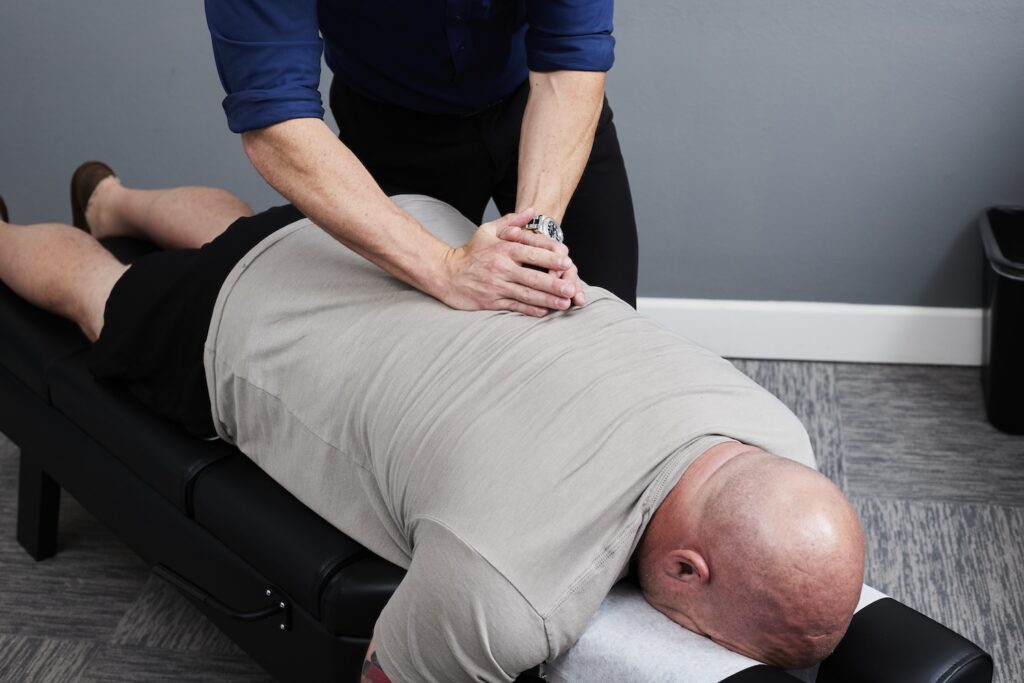
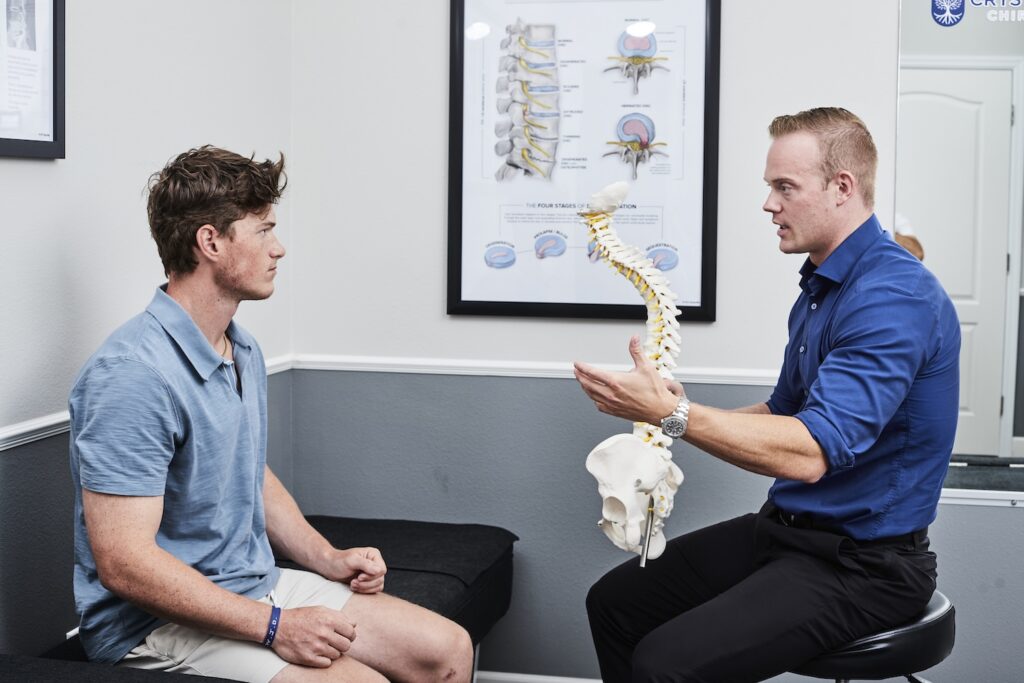
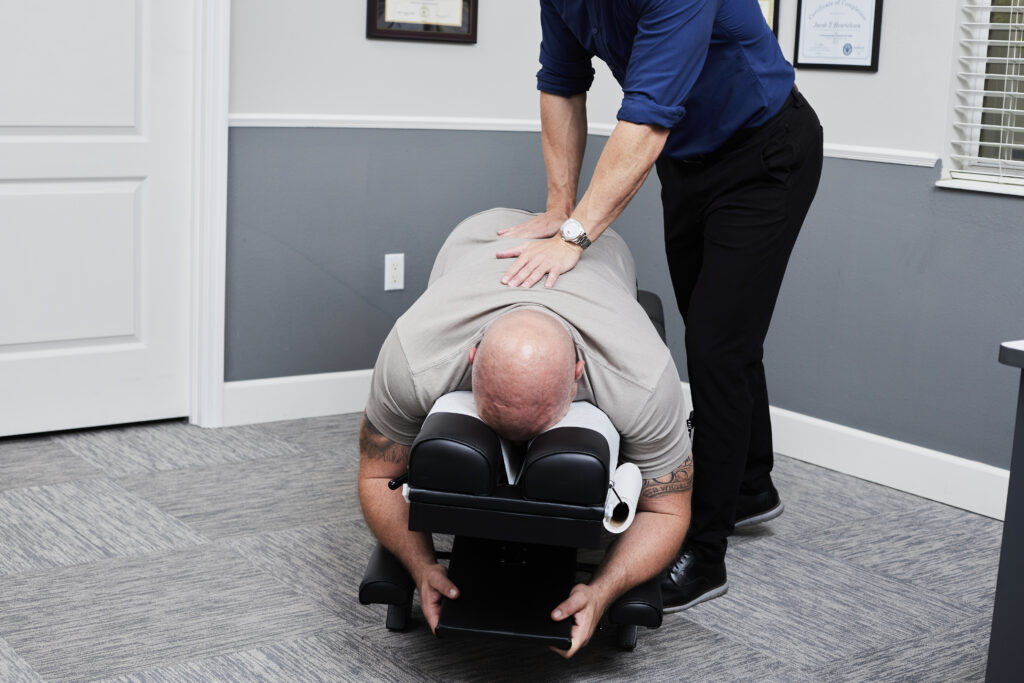
For more severe injuries, you might need to consult a healthcare professional who can assess the damage and recommend further treatment, such as physical therapy or stronger medications.
Innovative Therapies
While traditional methods like RICE are effective for initial treatment, innovative therapies are reshaping how athletes recover from sports injuries. These cutting-edge approaches can enhance healing and get you back to your game faster.
One popular innovative therapy is platelet-rich plasma (PRP) treatment. This involves drawing a small amount of your blood, processing it to concentrate the platelets, and then injecting it into the injured area. The growth factors in PRP can promote tissue healing and reduce inflammation, making it a powerful tool for tackling chronic injuries.
Another exciting option is stem cell therapy. By using your body's own stem cells, this therapy can potentially regenerate damaged tissues. This treatment is still evolving, but many athletes are already experiencing significant improvements in recovery times with it.
Additionally, cryotherapy is gaining traction among athletes. This method involves exposing your body to extremely cold temperatures for a short duration, which can reduce pain and inflammation. Many athletes rave about how it helps them feel rejuvenated and ready to take on their next challenge.
Furthermore, electrical stimulation therapy can aid in muscle recovery and pain management. By using electrical impulses, this therapy can help stimulate muscle contractions, improve circulation, and accelerate the healing process.
These innovative therapies offer exciting possibilities for sports injuries, allowing you to explore new avenues for recovery and ultimately enhancing your athletic performance. Embracing these advancements could make all the difference in your journey back to the field, court, or track.
Rehabilitation and Recovery
After sustaining a sports injury, effective rehabilitation and recovery are vital for returning to peak performance. You'll want to approach this process methodically to guarantee a smooth shift back to your sport. Start by following your healthcare provider's advice and adhering to a customized rehabilitation plan. This plan often includes a mix of physical therapy exercises aimed at restoring strength, flexibility, and endurance.
In the initial stages, focus on rest and gentle movements to avoid further injury. Gradually incorporate targeted exercises that promote healing and rebuild muscle strength. Pay attention to your body's signals; if something doesn't feel right, adjust your routine accordingly.
Consistency is key—set aside time daily for your rehabilitation exercises, and stay committed to your recovery goals.
Don't underestimate the importance of mental recovery as well. Staying positive and motivated can greatly influence your healing process. Consider incorporating mindfulness techniques or visualization strategies to maintain a strong mental state during your recovery.
As you progress, reintroduce sport-specific drills in a controlled manner. This helps in regaining confidence and guarantees you're physically prepared for the demands of your sport. Keep track of your advancements and celebrate small milestones, as these can be great motivators.
Ultimately, patience is essential during your rehabilitation journey. Rushing back to sport too soon can lead to re-injury or prolonged recovery. By following a structured rehabilitation plan and listening to your body, you'll be better equipped to make a successful return to the field or court.
When to Seek Professional Help
Recognizing the signs that you need professional help can be essential in managing a sports injury effectively. If you experience severe pain that doesn't improve with rest or over-the-counter medication, it's time to consult a healthcare provider. Sharp, persistent pain often signals a more serious issue, like a fracture or ligament tear, which requires immediate attention.
Swelling that doesn't subside after a few days can also indicate a significant injury. If you notice bruising or tenderness that spreads, seek medical advice. Additionally, if you're unable to bear weight on the injured area or your range of motion is severely limited, don't hesitate to get help. These symptoms could point to a serious injury that needs professional assessment.
Another critical factor to weigh is the duration of your symptoms. If your injury isn't improving after a week of rest and home treatment, it's wise to get a professional opinion. Early intervention can prevent long-term complications and facilitate a quicker recovery.
Finally, listen to your body. If you feel something isn't right, trust your instincts. Sports injuries can sometimes lead to chronic issues if not addressed promptly. By seeking help when needed, you'll guarantee a more effective treatment plan and a smoother path to recovery.
Conclusion
Injuries can sideline you, but understanding your treatment options is key to a swift recovery. From the RICE method for immediate care to innovative therapies like PRP and stem cell treatments, there's a path to healing that suits your needs. Don't forget the importance of a tailored rehabilitation plan to rebuild strength and flexibility. And remember, if your injury persists, seeking professional help can make all the difference in getting you back to the game you love.