When dealing with a sports injury, it's crucial to understand the recovery process, and as your local chiropractor, I want to guide you through effective methods that can enhance your healing journey. Rather than just sticking to the basics, let's delve into expert techniques that can support your recovery.
The RICE method—Rest, Ice, Compression, and Elevation—is a well-known starting point, but incorporating specialized rehabilitation exercises tailored to your needs can make a significant difference in both your recovery time and overall healing.
Additionally, it's important not to overlook the impact of nutrition on your recovery. A balanced diet rich in anti-inflammatory foods can aid in healing, while proper hydration keeps your tissues healthy. Furthermore, fostering mental resilience is vital; a positive mindset can greatly influence your recovery process and help you bounce back stronger.
So, what specific strategies can we explore together to not only assist in your recovery but also to help prevent future injuries? As your chiropractor, I can provide personalized care plans that include chiropractic adjustments, therapeutic exercises, and lifestyle advice to promote long-term wellness and injury prevention. Let's work together to get you back to doing what you love!
Understand Your Injury
Understanding your injury is essential for a successful recovery, especially when it comes to natural healing approaches like chiropractic care. If you've sustained a sports injury, the first step is to identify the type of injury you're dealing with. Is it a sprain, strain, fracture, or something else? Knowing the specifics can help tailor your recovery plan. Each type of injury demands a different approach, and recognizing the signs and symptoms can significantly enhance your healing process.
Once you've identified your injury, it's important to assess its severity. For instance, a mild sprain may only need rest and ice, while a more severe tear might require professional evaluation. Pay close attention to how your body responds during movement; this can provide valuable insights into the nature of your injury. Don't overlook pain, swelling, or instability—these signals are your body's way of indicating that something is amiss.
Moreover, understanding the common causes of your injury can play a key role in preventing future issues. Did you push yourself too hard, or were you employing improper techniques? Reflecting on these aspects can help inform your training methods going forward, allowing you to take necessary precautions to avoid re-injury.
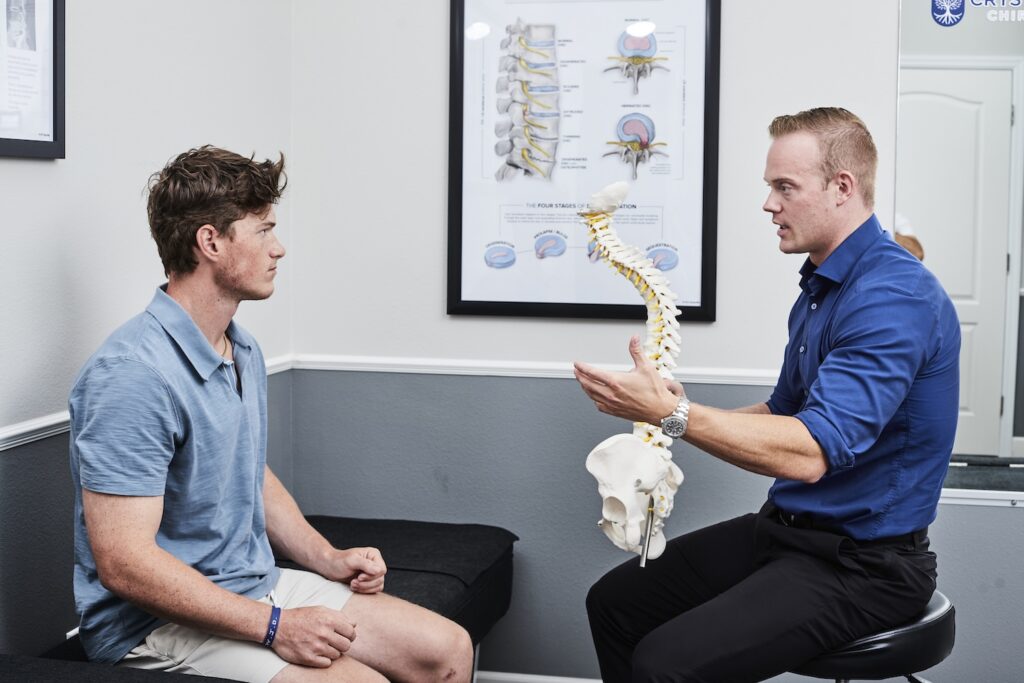
As a chiropractor, I encourage you to seek professional guidance if you're uncertain about your injury. A chiropractor can offer insights tailored to your specific situation, helping you set realistic recovery goals while utilizing natural healing techniques.
Importance of Early Intervention
As your local chiropractor, I want to emphasize the significance of early intervention when it comes to injuries and your overall recovery process. When you address injuries right away, it's not just about easing your discomfort; you're actively working to reduce the risk of complications that can arise from untreated issues. Waiting too long to seek care can lead to chronic problems that may affect your performance and mobility for years to come.
When you sustain an injury, your body begins a natural healing process. However, if you overlook the warning signs or delay seeking assistance, inflammation can escalate, and the injury can worsen. This might result in additional damage, significantly prolonging your recovery time. By coming in for treatment promptly, I can assess your injury accurately and create a personalized care plan that suits your specific needs.
Moreover, early intervention has psychological benefits as well. Knowing that you're taking proactive steps toward healing can uplift your spirits and enhance your motivation. When you actively participate in your recovery, you're more likely to maintain a positive outlook and stay engaged with the healing process.
Early treatment also helps prevent the development of compensatory habits, which can lead to new injuries down the line. Additionally, early intervention fosters better communication with your healthcare team. You can voice your concerns, establish realistic goals, and modify your recovery plan as necessary.
Ultimately, acting swiftly not only promotes physical healing but also bolsters your mental resilience. So, if you suspect an injury, don't hesitate to reach out! Your future performance and well-being are worth it, and as your chiropractor, I'm here to support you every step of the way.
Rehabilitation Exercises
As your local chiropractor, I want to emphasize the importance of incorporating rehabilitation exercises into your recovery plan after an injury. These exercises are essential for regaining strength and mobility, allowing you to rebuild the affected muscles, enhance flexibility, and restore proper function. This not only helps you heal but ensures you return to your favorite activities even stronger than before.
To start your rehabilitation journey, it's crucial to begin with gentle movements to avoid further strain on your body. Range-of-motion exercises are a fantastic way to maintain flexibility in the injured area without applying excessive pressure. For example, if you have an ankle injury, simple ankle circles can be quite beneficial. Similarly, shoulder rolls can aid in recovery for shoulder injuries.
As you become more comfortable, we can progress to strengthening exercises, which may involve the use of resistance bands or light weights. It's vital to focus on controlled movements to effectively target the right muscles.
Balance and stability exercises are also a key component of your recovery. They not only support your healing process but also help prevent future injuries by enhancing your proprioception. Activities like single-leg stands or exercises on a stability ball can significantly improve your coordination and balance.
Most importantly, always listen to your body. If you experience pain during any exercise, it's crucial to stop and discuss it with me or your healthcare provider. Together, we can tailor your rehabilitation regimen to better suit your specific recovery needs.
Role of Nutrition
As a local chiropractor dedicated to your holistic healing, I want to emphasize the crucial role that proper nutrition plays in your recovery from sports injuries. It's not just about adjustments and treatments; what you put into your body significantly impacts your healing process.
When you're dealing with an injury, your body has increased nutritional needs to repair tissues, minimize inflammation, and regain strength. By focusing on a balanced diet, you can enhance your recovery significantly.
First, let's talk about protein. This macronutrient is vital for repairing and building muscle. I encourage you to include a variety of protein sources in your meals, such as lean meats, fish, eggs, dairy products, legumes, and nuts. This variety ensures you're getting a comprehensive range of amino acids necessary for optimal recovery.
Next, don't underestimate the importance of carbohydrates. They're your body's primary energy source, especially when healing. Opt for whole grains, fruits, and vegetables, as they not only provide energy but also supply essential vitamins and minerals that support your recovery.
Healthy fats shouldn't be overlooked either. Incorporating sources like avocados, olive oil, and fatty fish into your diet can help in reducing inflammation. Omega-3 fatty acids, in particular, are fantastic allies in your healing journey.
Hydration is also critical. Drinking adequate water is essential for cellular function and can help ease soreness and stiffness, enabling you to recover more comfortably.
Lastly, if you feel your diet may be lacking in certain nutrients, consider discussing supplements with a healthcare professional. Nutrients like Vitamin C, zinc, and magnesium can significantly enhance your healing process.
Incorporating these nutritional strategies alongside chiropractic care can create a powerful combination for your recovery. Remember, your body is a complex system, and nurturing it with the right foods is key to healing naturally.
Let's work together towards your optimal health and well-being!
Mental Resilience Techniques
As a local chiropractor, I want to emphasize that while nutrition is vital for recovery, cultivating mental resilience is equally essential when healing from a sports injury. Your mindset can significantly influence how you navigate the emotional and psychological challenges that often accompany physical setbacks. By developing mental resilience, you can maintain focus, motivation, and a positive outlook throughout your recovery process.
One effective technique I recommend is visualization. Take a moment to envision yourself fully healed and performing at your peak. This practice can enhance your motivation and reinforce your recovery goals. Additionally, setting small, achievable milestones during your rehabilitation can create opportunities for celebration. Acknowledging these victories can boost your confidence and keep you actively engaged in your healing journey.
Another important element is maintaining a routine. A structured daily schedule can provide stability and a sense of purpose, especially when you might feel sidelined. Incorporating relaxation techniques, such as mindfulness or meditation, can further enhance your mental clarity and help alleviate anxiety.
It's also crucial to recognize the value of social support. Surrounding yourself with encouraging friends, family, or teammates can be immensely uplifting. Don't hesitate to share your feelings with them; expressing frustration is natural, and seeking encouragement is a healthy part of the process.
Lastly, consider keeping a journal to track your recovery journey. Documenting your thoughts, feelings, and progress can be a powerful way to process your emotions and reflect on your growth.
Incorporating Physical Therapy
Incorporating chiropractic care into your recovery plan can significantly improve your healing journey.
As a chiropractor, I focus on creating personalized rehabilitation programs that address your unique needs and goals. Our hands-on techniques can help reduce pain, enhance mobility, and support your body's natural healing processes.
By choosing chiropractic care, you're taking a proactive step towards getting back to your activities more quickly and effectively.
Let's work together to help you feel your best!
Benefits of Physical Therapy
Recovery from sports injuries can often be a complex journey, and as a local chiropractor, I want to highlight the essential role that chiropractic care plays in this process. When you choose chiropractic treatment, you're not merely focusing on recovery; you're engaging in a holistic approach aimed at restoring overall strength, flexibility, and mobility.
This specialized care helps alleviate pain and reduce inflammation, allowing you to return to your sport more effectively and safely. Chiropractic care provides you with valuable insights and techniques to manage your injury naturally. You'll receive personalized adjustments and exercises tailored to your specific needs, which focus not only on healing but also on preventing future injuries.
With the support of a knowledgeable chiropractor, you'll gain a deeper understanding of your body's mechanics and how to nurture it after an injury. Moreover, chiropractic care promotes mental resilience. As you notice improvements in your condition, your confidence in your physical abilities grows, which is crucial for a successful comeback to sports.
The welcoming environment fosters open communication, allowing you to voice any concerns and adapt your recovery plan as necessary. Ultimately, chiropractic care goes beyond just the physical aspects of healing; it empowers you to take control of your recovery journey and ensures a safe return to the activities you cherish.
Embracing this natural healing approach can be a transformative experience for both your body and mind.
Customized Rehabilitation Programs
As a local chiropractor, I want to share with you the benefits of customized rehabilitation programs that combine chiropractic care with physical therapy. These programs aren't one-size-fits-all; they're specifically designed for you, taking into account your unique injuries, physical condition, and personal goals.
By focusing on your individual needs, we can help optimize your recovery and get you back to enjoying your favorite activities sooner.
Incorporating physical therapy into your rehabilitation allows us to thoroughly assess your strength, flexibility, and range of motion. Together, we'll develop a tailored plan that includes targeted exercises and stretches aimed at enhancing your function and alleviating pain.
Our approach also emphasizes education, allowing you to understand the mechanics behind your injury and how to prevent it from happening again. You'll learn proper techniques for movement and activities, empowering you to take an active role in your recovery journey.
As you progress, we'll regularly evaluate your rehabilitation program and make necessary adjustments to keep you on track and motivated.
By committing to a customized rehabilitation program, you're not just on the road to recovery; you're building a stronger foundation for your overall well-being and athletic performance.
I'm here to guide you every step of the way toward a healthier, pain-free life.
Role of Manual Therapy
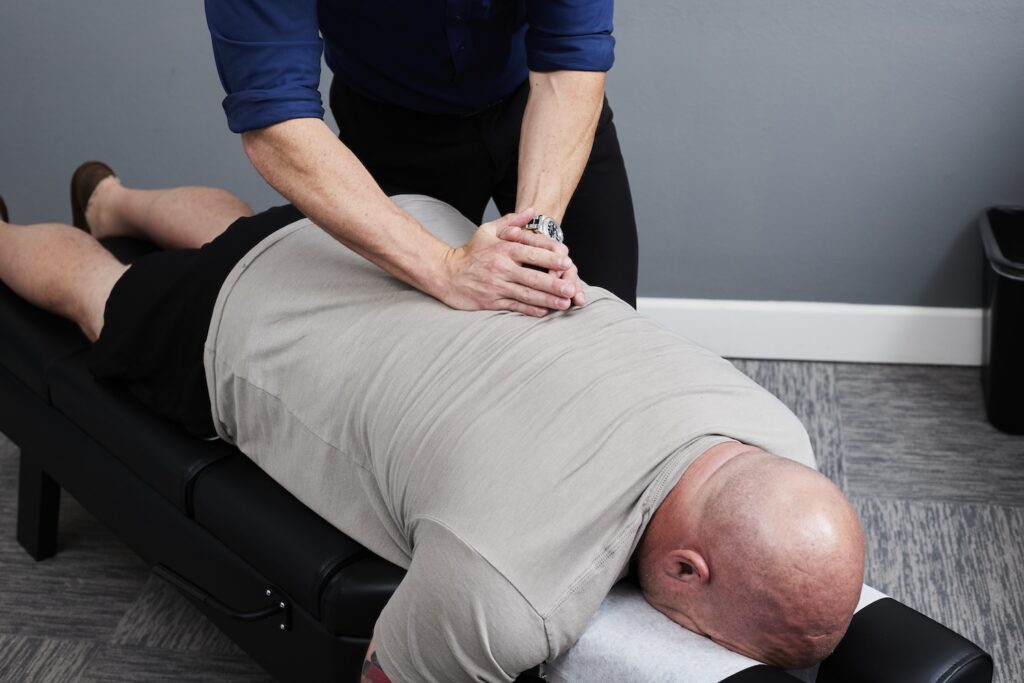
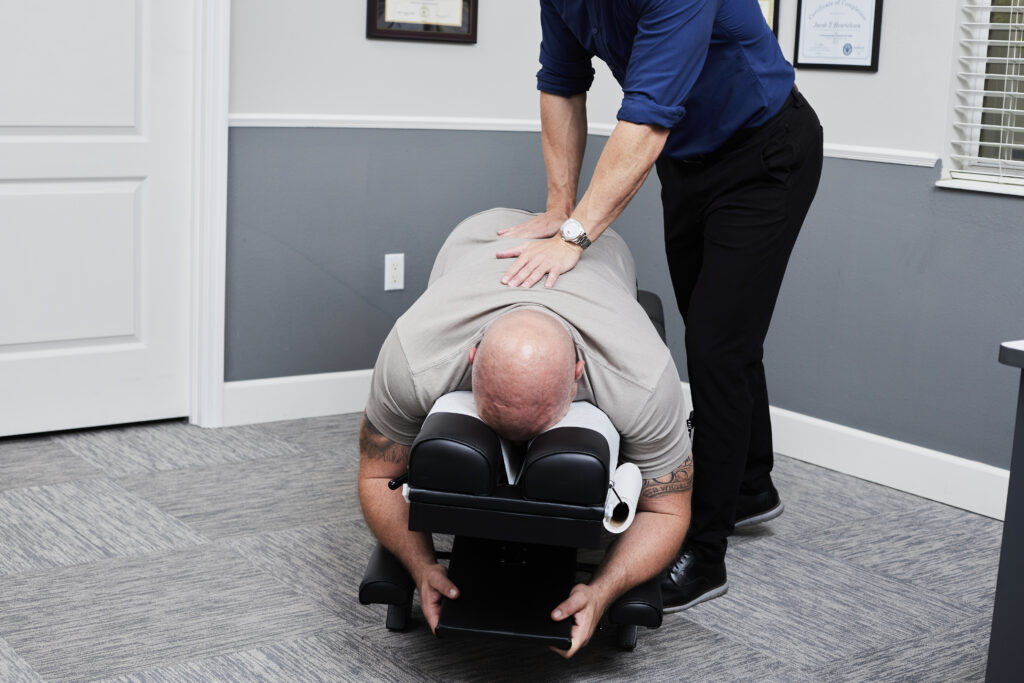
As a local chiropractor, I want to emphasize the significant role that manual therapy plays in your rehabilitation journey. This hands-on approach, a key component of chiropractic care, focuses on the manipulation of muscles and joints to alleviate pain, enhance mobility, and support the body's natural healing processes. By working with a skilled chiropractor, you can experience targeted treatments tailored to your specific needs, helping to expedite your recovery.
In our sessions, I may employ various techniques such as joint mobilization, soft tissue manipulation, and myofascial release. These methods are designed to reduce muscle tension, improve circulation, and restore optimal function to your body. Many patients notice an immediate improvement in their range of motion, which not only aids in physical recovery but also boosts confidence as you return to your daily activities or sports.
Moreover, manual therapy can effectively complement other natural healing strategies, including exercise and therapeutic modalities like ultrasound or electrical stimulation. By integrating these various approaches, we can create a comprehensive recovery plan that best suits your individual needs.
It's important to recognize that manual therapy isn't solely about physical healing; it also cultivates a strong connection between you and me as your chiropractor. This relationship fosters open communication, allowing me to adjust treatments based on your feedback and ensure your recovery remains on course.
I encourage you to embrace manual therapy as a vital part of your journey to recovery from sports injuries and overall wellness.
Preventing Future Injuries
As a local chiropractor, I want to share some key insights on how you can stay active while minimizing the risk of future injuries. Prioritizing preventive measures is crucial for your overall well-being.
Start by assessing your current physical condition. A thorough evaluation can reveal weaknesses or imbalances that you may not even be aware of. Once we identify these areas, we can work together on targeted exercises to strengthen them.
In addition to strength training, it's important to incorporate flexibility into your routine. Flexibility training, which includes stretching, isn't just for warm-ups; it plays a vital role in enhancing your range of motion and reducing muscle tightness, both of which can contribute to injuries.
I recommend dynamic stretches before your workouts to prepare your muscles and static stretches afterward to maintain elasticity.
Don't overlook the significance of proper footwear. Choosing shoes that are specifically designed for your sport is essential—they provide the necessary support and cushioning for your feet. Regularly replacing worn-out shoes is also important, as old soles can compromise your stability and increase your risk of injury.
Listening to your body is one of the most important aspects of injury prevention. If you experience unusual pain or fatigue, it's crucial to take a step back. Ignoring these signals can lead to overuse injuries that may keep you sidelined for longer than necessary.
Be sure to include rest days in your training schedule to allow your body to recover effectively.
Finally, consider the benefits of working with a chiropractor or trainer. We can offer personalized guidance tailored to your specific needs and help you develop a balanced training program that fosters strength, flexibility, and stability.
Conclusion
As a local chiropractor, I want to share some valuable insights on how you can enhance your recovery from sports injuries through natural healing techniques. Understanding your injury is crucial; that's where we come in. Early intervention can make a world of difference in your healing process.
I encourage you to consider a personalized recovery plan that may include chiropractic adjustments, tailored rehabilitation exercises, proper nutrition, and developing mental resilience. These components work together to not only aid in your recovery but also to strengthen your body and prevent future injuries.
By collaborating with a chiropractor, you can benefit from specialized care that focuses on restoring your body's natural alignment and function. Our goal is to empower you on your journey to recovery. Stay dedicated to your healing, and you'll find yourself not just recovering, but coming back even stronger than before!