
When you experience a sports injury, navigating your recovery journey can seem daunting. It's essential to understand that healing is not solely about physical rehabilitation; your mental state and nutritional choices are equally important. As a local chiropractor, I want to share how certain natural healing techniques, such as cryotherapy and visualization, can significantly support your recovery process.
These innovative therapies can work in harmony with chiropractic adjustments to enhance your body's natural ability to heal. For instance, cryotherapy can reduce inflammation, while visualization techniques can improve your mental focus and resilience. By integrating such strategies into your recovery plan, you can not only minimize downtime but also boost your overall performance.
So, what specific methods should you consider to optimize your recovery? Together, we can explore personalized treatment options that align with your unique needs, helping you return to your sport stronger and more balanced than ever.
Importance of Timely Recovery
As a local chiropractor, I want to emphasize how crucial timely recovery is when it comes to sports injuries. Many athletes, whether seasoned or just starting out, often underestimate the significance of allowing their bodies to heal properly. It might be tempting to push through the discomfort or rush back into play, believing that this will help you regain your competitive edge.
However, neglecting the recovery process can lead to long-term complications and potentially more severe injuries down the line. When you experience an injury, it's important to recognize that your body is sending you signals. Rushing back into action can exacerbate the damage and lead to extended recovery times.
By following a well-structured rehabilitation plan, you're not only protecting yourself from further harm but also setting the stage for greater success in your sport. Timely recovery isn't just about physical healing; it also plays a vital role in your mental well-being. Being sidelined can understandably lead to feelings of frustration or anxiety about missing out on competition.
However, focusing on rehabilitation provides a sense of purpose. Working with a chiropractor can introduce you to natural healing techniques, helping you learn new strategies to enhance your skills even while you're on the mend.
Prioritizing timely recovery isn't a sign of weakness; rather, it's a smart, proactive choice. By giving your body the necessary time to heal, you're making an investment in your future performance and longevity in your sport.
Types of Sports Injuries
As a local chiropractor, I want to help you understand the different types of sports injuries, so you can recognize them and seek the appropriate care. Generally, sports injuries can be categorized into three main types: acute injuries, overuse injuries, and chronic injuries.
Acute injuries happen suddenly during physical activity. Common examples include sprains, strains, fractures, and contusions. Think of the moment you twist your ankle while running or experience a collision during a football game—this immediate pain is a sign of an acute injury.
It's crucial to identify these symptoms quickly; seeking prompt care can lead to faster recovery and help you get back to enjoying your sport.
Overuse injuries, on the other hand, develop gradually and are often the result of repetitive motions or extended strain. For instance, as a runner, you might experience shin splints or tendonitis if you increase your mileage without allowing sufficient rest.
It's vital to listen to your body; if you notice persistent pain, don't ignore it, as it could worsen without proper treatment.
Chronic injuries typically stem from poor mechanics or inadequate conditioning over time. They often present as ongoing discomfort in your joints or muscles, especially in athletes who may not warm up or cool down properly.
These injuries can hinder your performance and enjoyment of your sport, leading to frustration.
At my chiropractic clinic, I focus on holistic, natural healing methods to address these types of injuries. By working together, we can develop a personalized treatment plan that not only alleviates your pain but also improves your overall function and athletic performance.
Your body deserves the best care, and I'm here to support you on your journey to recovery and optimal health.
Role of Physical Therapy
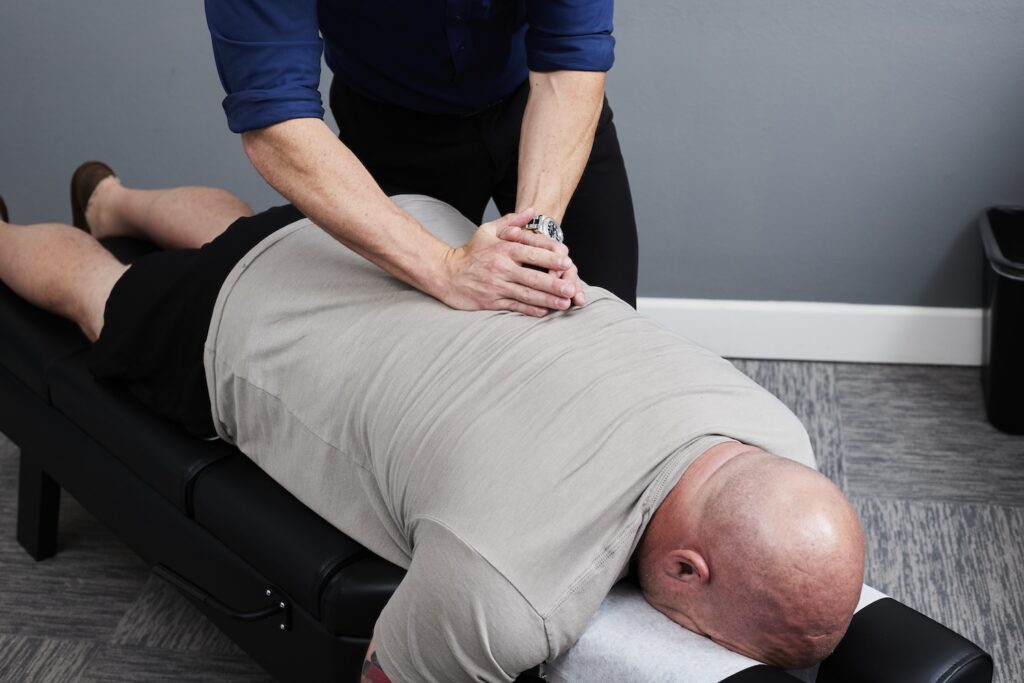
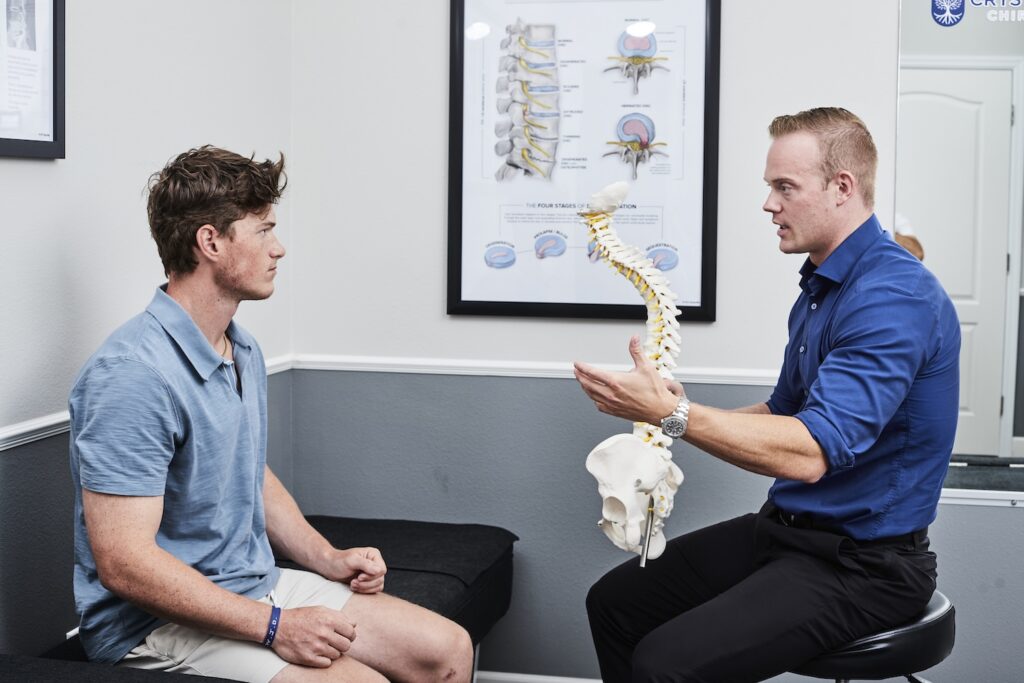
Chiropractic care plays a vital role in your recovery from sports injuries, aiding in the restoration of strength, flexibility, and overall functionality. If you find yourself sidelined due to an injury, a knowledgeable chiropractor can create a personalized rehabilitation plan tailored specifically to your needs. They'll evaluate your condition, pinpoint areas that need attention, and craft a comprehensive strategy to support your healing journey.
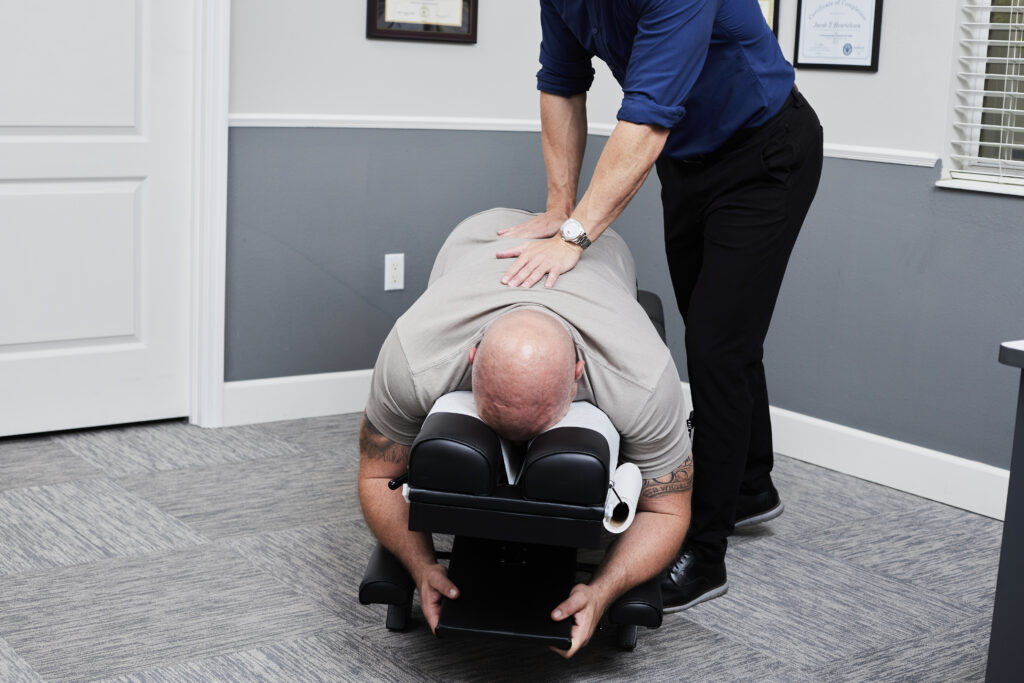
One of the key objectives of chiropractic care is to alleviate pain. Through targeted adjustments and specialized techniques, your chiropractor can help reduce inflammation and enhance blood circulation, which promotes natural healing. You'll also learn about proper body mechanics, helping to minimize the risk of re-injury when you return to your sport.
As you progress in your recovery, your chiropractor will introduce exercises aimed at building strength and restoring muscle balance and endurance. This is crucial, as weak muscles can lead to further complications down the road. Flexibility exercises will also be a part of your treatment; they're essential for improving your range of motion, allowing you to move freely and with confidence.
In addition, chiropractic care emphasizes functional training that focuses on movements specific to your sport. By mimicking game-like scenarios, you can enhance your performance while developing the necessary skills to return to the field effectively.
Throughout your recovery, your chiropractor will offer guidance and support, ensuring you stay motivated and committed to your rehabilitation plan. They'll also adjust your treatment as necessary based on your progress, helping you achieve your recovery goals systematically.
Innovative Rehabilitation Techniques
As a local chiropractor, I want to share how innovative rehabilitation techniques can significantly aid in your recovery from sports injuries.
Many people may not be aware of the cutting-edge modalities we offer, tailored specifically to meet your individual needs.
These personalized recovery plans not only enhance your healing process but also promote natural healing without relying solely on traditional methods.
Cutting-Edge Modalities
As a local chiropractor dedicated to helping my patients achieve optimal health, I want to introduce you to some innovative rehabilitation techniques that can significantly enhance your recovery from injuries. Many individuals may not be aware of these cutting-edge modalities, but they can play a vital role in your healing process.
One such technique is cryotherapy. This method involves exposing your body to extreme cold to alleviate inflammation and pain, which can lead to quicker tissue recovery. Incorporating cryotherapy into your post-injury routine can be incredibly beneficial, especially when combined with chiropractic adjustments.
Another remarkable approach is blood flow restriction (BFR) training. This technique involves applying a device to restrict blood flow to an injured limb while performing low-intensity exercises. It allows you to stimulate muscle growth and strength without overexerting the injury itself. When paired with traditional chiropractic care, BFR can yield fantastic results in your rehabilitation journey.
Moreover, neuromuscular electrical stimulation (NMES) is a valuable tool we can use to aid in muscle reactivation and strengthening. This method involves sending electrical impulses to your muscles, which helps them contract and recover more efficiently, complementing the adjustments and therapies I provide.
Lastly, I'm excited to share that virtual reality (VR) therapy is emerging as an engaging way to participate in rehabilitation. It immerses you in a controlled and motivating environment where you can perform exercises specifically designed for your recovery needs. This innovative approach can make your rehabilitation process more enjoyable and effective.
Personalized Recovery Plans
Creating a personalized recovery plan is essential for anyone looking to heal effectively from a sports injury, and as your local chiropractor, I'm here to guide you through this process with a natural approach.
It's important to consider your specific injury, fitness level, and overall health; a one-size-fits-all strategy simply won't work. Your recovery should be tailored to meet your unique needs and goals.
First, I recommend consulting with a healthcare professional, such as myself, who can assess your injury and recommend specific chiropractic treatments and exercises. These will focus on rebuilding strength, flexibility, and endurance in a way that's safe and effective for your body.
Additionally, we can integrate supportive therapies like physical adjustments, massage, and even advanced techniques like biofeedback to enhance your healing process.
Don't overlook the mental aspect of recovery, either. Techniques such as mindfulness and visualization can significantly boost your motivation and resilience during this time.
Setting realistic and achievable goals will help keep you focused and reduce any feelings of frustration.
It's crucial to regularly reassess your recovery plan with me to ensure that you're making progress. As you heal, we can adjust your activities and exercises to align with your improving capabilities.
Remember, recovery isn't just about healing the injury; it's about preparing you to return stronger and more resilient than ever.
Embrace your recovery journey with us, and you'll be back to your favorite activities before you know it.
Psychological Aspects of Recovery
When you're on the road to recovery from a sports injury, it's important to understand that your mental state greatly influences how quickly and effectively you heal.
As a local chiropractor, I want to emphasize the significance of building mental resilience during your rehabilitation process. Coping with frustration is a natural part of healing, and developing strategies to manage these feelings can enhance your recovery.
Incorporating visualization techniques—imagining yourself performing your sport or activity pain-free—can also play a key role in your healing journey. This practice helps to align your mental focus with your physical recovery, encouraging a positive mindset.
Mental Resilience Training
How can mental resilience training enhance your recovery from a sports injury? As a chiropractor, I often see how crucial mental strength is in the healing process. This training focuses on enhancing your mental fortitude, allowing you to recover more effectively from setbacks while maintaining a positive outlook throughout your rehabilitation.
Injuries can bring about emotional challenges, like the fear of re-injury or feelings of isolation. By incorporating mental resilience training into your recovery plan, you can develop strategies to cope with these emotions. Techniques such as visualization and positive self-talk can empower you to envision a successful recovery, reinforcing your belief in your ability to heal and return to your sport.
Mindfulness practices are also beneficial, helping you concentrate on the present moment and stay engaged in each step of your recovery journey.
As a chiropractor, I encourage my patients to set realistic goals during their rehabilitation. By breaking your recovery into manageable milestones, you'll experience a sense of achievement, which significantly boosts motivation and morale.
Ultimately, mental resilience training complements the physical healing we work on through chiropractic care. It fosters a proactive mindset, enhancing the connection between your mental and physical health.
Embracing this approach can transform your overall recovery experience and better prepare you for future challenges in your athletic career. Remember, healing isn't just about the body; it's about nurturing your mind as well.
Coping With Frustration
Frustration can often feel overwhelming during the recovery process from a sports injury, and as a chiropractor, I've seen many patients experience similar feelings. It's completely normal to grapple with helplessness as you work through your limitations. The first step in managing these emotions is to acknowledge them; they're a natural part of healing.
Instead of allowing frustration to build up, consider channeling it into positive actions. One effective approach is to set small, achievable goals for your recovery. Celebrate every little victory, whether it's regaining your range of motion or completing a session of chiropractic care. These milestones can help shift your focus from what you can't do to the progress you're making.
Additionally, surrounding yourself with a supportive network of friends and family can significantly lighten your emotional burden. Share your thoughts and feelings with them; their encouragement can remind you that healing is a journey and takes time.
I also recommend journaling your experiences. Writing down your frustrations can be a powerful tool for processing your emotions, making them feel more manageable. Remember that recovery is rarely a straight path; it often involves ups and downs. Each small step you take is a step towards regaining your strength and getting back to the activities you love.
As your chiropractor, I'm here to guide you through this process. Embrace the journey of healing, and with patience and perseverance, you'll come out stronger on the other side. Together, we can work towards your recovery and help you return to the field with renewed vitality.
Visualization Techniques Benefits
As a local chiropractor, I want to emphasize the vital role of managing emotions during your healing journey. One effective method that can significantly enhance your recovery process is visualization techniques. By actively engaging your mind in a constructive way, you can create a profound impact on your body's healing.
When you visualize yourself at your best—whether that means moving freely without pain or returning to your favorite activities—you aren't just daydreaming. You're training your brain to recognize and believe in your own potential for recovery.
Picture yourself overcoming the challenges that may have arisen from your injuries and coming back even stronger. This mental imagery can help alleviate anxiety, increase your confidence, and sharpen your focus. Research indicates that individuals who regularly practice visualization often experience faster recovery times and improved overall performance.
I encourage you to carve out a few quiet moments each day to practice this. Close your eyes and imagine each step of your rehabilitation journey—from regaining strength to enjoying activities you love again.
This visualization practice can help make your recovery goals feel more achievable and motivate you throughout your healing process. Remember, chiropractic care works hand-in-hand with these mental techniques to support your natural healing.
Nutrition's Impact on Healing
As a local chiropractor, I want to emphasize the crucial role that nutrition plays in your recovery from sports injuries. Many people may not realize that the right dietary choices can significantly enhance your body's healing process and reduce inflammation, helping you return to your favorite activities more quickly.
It's important to focus on a balanced diet that includes a variety of vitamins, minerals, and macronutrients to support tissue repair and overall health.
Protein is particularly vital for muscle recovery and repair. Including lean meats, fish, eggs, beans, and legumes in your meals can aid your body in rebuilding damaged tissues. It's beneficial to diversify your protein sources to ensure you're receiving all the essential amino acids necessary for optimal recovery.
Equally important are carbohydrates, as they provide the energy your body needs to heal. Whole grains, fruits, and vegetables not only fuel your recovery process but also deliver antioxidants that help combat inflammation.
Additionally, foods rich in omega-3 fatty acids—such as salmon and walnuts—can further assist in reducing swelling and promoting healing.
Don't overlook the significance of hydration in your recovery journey. Staying well-hydrated allows for better nutrient transport throughout your body and helps maintain joint lubrication.
Remember, dehydration can hinder your recovery, so aim to drink plenty of fluids throughout the day.
Furthermore, think about including specific vitamins and minerals in your diet. For instance, vitamin C is essential for collagen formation, while zinc is crucial for immune function and healing.
Benefits of Cross-Training
As a local chiropractor, I want to emphasize the importance of nutrition and cross-training in your recovery from sports injuries. Integrating cross-training into your rehabilitation routine can provide substantial advantages. By participating in a variety of physical activities that complement your primary sport, you can maintain your fitness levels while allowing your injured area the necessary time to heal. This diverse approach not only prevents monotony but can also help keep you motivated as you navigate your recovery journey.
One of the most significant benefits of cross-training is its ability to minimize the risk of re-injury. By targeting different muscle groups and utilizing alternative movements, you're giving your injured area a break while simultaneously building strength and endurance in other parts of your body. For instance, if you're working through a knee injury, you might consider cycling or swimming, which exert less stress on the knee compared to running.
In addition to injury prevention, cross-training can enhance your overall athletic performance. It promotes improvements in cardiovascular fitness, flexibility, and balance, all of which are crucial for excelling in any sport. Moreover, trying out various activities can uncover new strengths and interests, transforming your training into a more enjoyable experience.
Cross-training can also play a vital role in your mental recovery. Engaging in diverse exercises can offer a refreshing change of pace and help alleviate the frustration that often accompanies the healing process. It keeps your mind focused on your progress rather than the setbacks.
Preventive Measures for Athletes
As a local chiropractor dedicated to promoting natural healing and overall wellness, I want to emphasize the importance of preventive measures for athletes. These strategies not only help minimize the risk of injuries but also enhance athletic performance, which is essential for anyone engaged in physical activity.
First, let's talk about the significance of proper warm-up and cool-down routines. Engaging in dynamic stretches before your activity prepares your muscles and joints, while static stretches after your exercise help maintain flexibility and prevent stiffness. This is crucial for keeping your body in optimal condition.
Equally important is strength training. Building strength in key muscle groups provides better support for your joints and improves your overall body mechanics. Focusing on exercises that target your core, legs, and upper body can make a significant difference in your performance and help prevent injuries.
Listening to your body is another vital aspect of injury prevention. If you experience pain or discomfort, it's crucial not to push through it. This is where chiropractic care can be incredibly beneficial. We can help assess your condition, provide relief, and guide you towards proper rest and recovery to avoid more severe injuries.
Using the right equipment is also essential. Whether it's the right footwear, protective gear, or sport-specific tools, having the appropriate equipment can prevent unnecessary strain on your body. Regularly checking and replacing worn-out gear is a proactive step towards maintaining your health.
Lastly, consider partnering with a coach or trainer who understands the importance of injury prevention and can provide personalized guidance. Working with a chiropractor can also enhance this process, as we can help identify any potential weaknesses in your body and develop a tailored training plan that focuses on both performance enhancement and injury prevention.
Conclusion
As a local chiropractor, I want to share with you the importance of adopting a holistic approach to recovering from sports injuries. Emphasizing natural healing techniques can significantly enhance your recovery process. By incorporating effective chiropractic care, innovative rehabilitation methods, psychological support, and proper nutrition, you can not only heal more quickly but also return to your peak performance levels.
Chiropractic care focuses on aligning your spine and optimizing your body's biomechanics, which plays a vital role in recovery. Additionally, I encourage you to consider cross-training and preventative strategies to reduce the risk of future injuries. By embracing this comprehensive approach, you're setting yourself up for long-term success, both on the field and in your everyday life. Remember, your health is a priority, and I'm here to guide you through it!