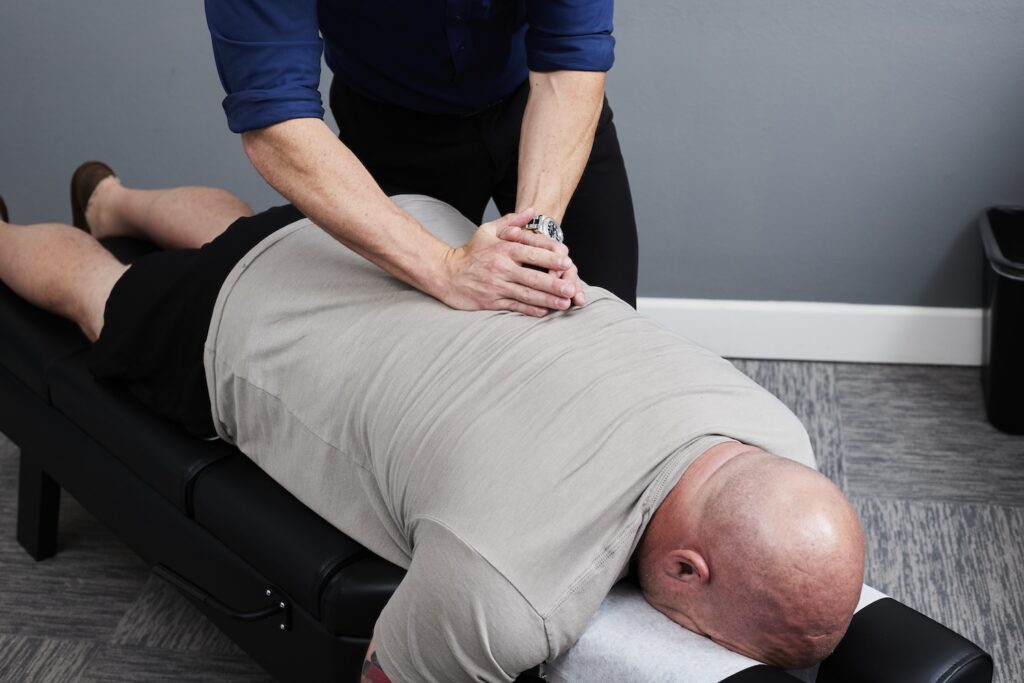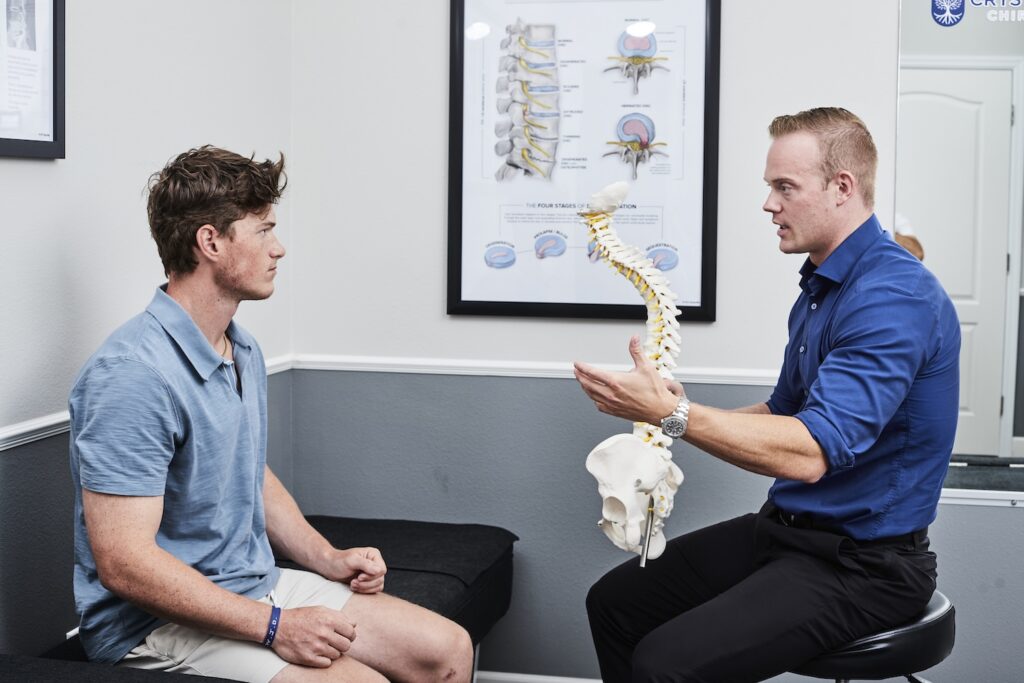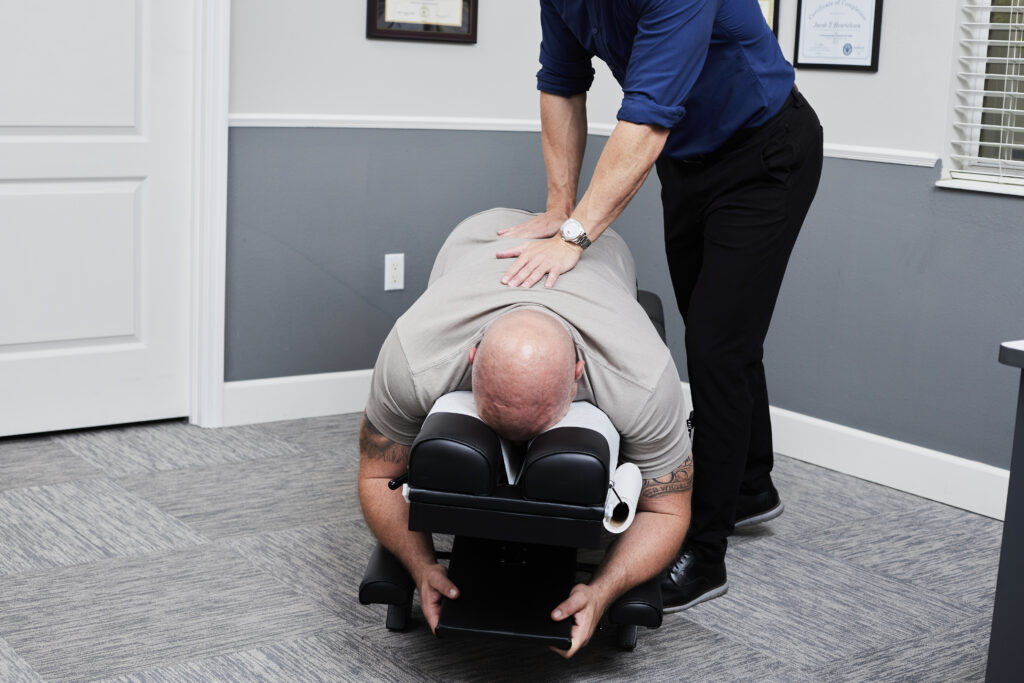

As a local chiropractor dedicated to your well-being, I want to emphasize the importance of understanding joint flexibility and movement. Many people assume they have a good grasp on the basics of flexibility, but taking a moment to assess your knowledge can lead to valuable revelations about your body's capabilities and overall health.
Through a simple quiz focused on stretching techniques and the various factors that influence flexibility, you may discover areas where you can enhance your movement. This knowledge can be instrumental in improving your daily activities and overall wellness.
So, let's explore what you truly know about your joints and their potential. The insights gained may shift your perspective on movement and encourage you to embrace a more holistic approach to your health. Remember, your joints play a crucial role in your body's functionality, and understanding them better can lead to a more active and fulfilling life.
Understanding Joint Flexibility
As a local chiropractor, I want to share some insights about joint flexibility and its importance for your overall movement and health. When we talk about joint flexibility, we're referring to the range of motion in your joints, which is essential for performing everyday activities like bending, twisting, and reaching.
This flexibility is influenced by a few key factors, including the structure of your joints, the length of your muscles, and the surrounding connective tissues. Understanding these components is vital, as they play a significant role in how well you move.
Common joints that often need attention in terms of flexibility are the shoulders, hips, and knees. It's important to recognize that your joints are surrounded by ligaments and tendons that can stretch and adapt. By incorporating regular stretching and flexibility exercises into your routine, you can maintain and even enhance your joint flexibility.
You may notice that some individuals appear to be naturally more flexible than others, and this can often be attributed to genetics and lifestyle choices. However, it's essential to remember that age can also impact flexibility. As we grow older, our joints may become stiffer due to a decrease in physical activity or changes in our connective tissues.
To combat this stiffness, I encourage you to incorporate flexibility exercises into your daily life. Simple activities like yoga or targeted stretching can significantly improve your range of motion.
As a chiropractor, I'm here to help guide you through these practices and support your journey towards better joint health and overall wellness. Let's work together to enhance your flexibility and improve your quality of life!
Importance of Flexibility
As a chiropractor, I want to emphasize the crucial role that flexibility plays in your overall physical health and well-being. Many people may not realize how flexibility directly affects your movement patterns, the efficiency of daily tasks, and even the recovery process from injuries. When you maintain good flexibility, your muscles and joints can achieve a greater range of motion, enabling you to engage in activities with greater ease and grace. This improved mobility can significantly enhance your athletic performance, whether you enjoy running, dancing, or participating in various sports.
Incorporating flexibility training into your routine is vital for injury prevention. It prepares your muscles and joints for the physical demands of your activities. By enhancing your flexibility, you can reduce muscle tightness and lower the risk of strains and sprains. This is particularly important as we age; joint stiffness can lead to discomfort and a decline in mobility. Regular stretching routines can help counteract these effects, promoting agility and keeping you active.
Additionally, flexibility is essential for maintaining good posture. Tight muscles can pull your body out of alignment, resulting in discomfort and potential long-term issues, such as chronic pain. By focusing on improving your flexibility, you can support proper posture, which is foundational for overall health.
It's also worth noting that flexibility offers mental benefits. Engaging in stretching exercises can promote relaxation, reduce stress, and elevate your mood. It encourages mindfulness, allowing you to connect with your body on a deeper level, which is an important aspect of holistic health and healing.
As your chiropractor, I encourage you to prioritize flexibility in your wellness journey. Together, we can create a personalized plan that includes flexibility training to enhance your overall health and well-being.
Types of Flexibility
As your local chiropractor, I want to help you understand the various types of flexibility that play a vital role in your movement and overall well-being.
First, we've static flexibility, which is the ability to hold a position without movement, like stretching to improve your range of motion.
Then, there's dynamic flexibility, which is essential for smoothly moving through different motions and activities, ensuring your body functions optimally.
Lastly, ballistic flexibility involves quick, bouncing movements that can enhance your performance, but it's important to approach these with caution to avoid injury.
Understanding these types of flexibility can empower you to take charge of your health and support your body's natural healing processes.
Static Flexibility Explained
As a chiropractor, I want to take a moment to explain the concept of static flexibility and its importance for your overall health. Static flexibility is the ability to maintain a stretch in a fixed position without any movement. This type of flexibility is crucial for keeping your joints healthy and expanding your range of motion.
You can enhance your static flexibility through various stretching techniques, particularly static stretches. These involve elongating a muscle and holding that position for a designated period. For example, when you sit and reach for your toes, you're specifically targeting your hamstrings and lower back. Holding this stretch can gradually help those muscles lengthen, leading to improved flexibility and a decreased risk of injury.
Incorporating static stretches into your routine can be incredibly beneficial, especially after engaging in workouts or physical activities. This practice allows your muscles to relax and recover, which promotes better circulation throughout your body.
I also recommend that you focus on deep breathing while holding stretches, as this can enhance relaxation and the overall effectiveness of the stretch.
I encourage you to make static flexibility a regular part of your fitness regimen. Doing so can lead to noticeable improvements in your flexibility, better posture, and enhanced performance in your daily activities.
As a chiropractor, I believe that nurturing your body through these natural techniques can contribute significantly to your overall wellness.
Dynamic Flexibility Importance
As a local chiropractor, I often emphasize the importance of various types of flexibility for maintaining optimal joint health and overall movement efficiency.
While many people are familiar with static flexibility, I want to shed light on the equally vital concept of dynamic flexibility.
Dynamic flexibility refers to your ability to move your joints through their full range of motion during active movements, such as walking, running, or exercising. Understanding this type of flexibility is essential, especially for those of you who engage in physical activities or sports. It not only enhances your performance but also plays a crucial role in reducing the risk of injuries.
When your body exhibits good dynamic flexibility, your muscles and joints coordinate effectively. This synergy allows for smoother and more controlled movements, enabling you to change directions quickly, maintain balance, and perform physical skills with greater precision.
For example, if you're involved in sports, improving your dynamic flexibility can significantly enhance your agility and reaction time.
To incorporate dynamic flexibility into your daily routine, consider activities like dynamic stretching. These movements prepare your body for action and include exercises such as leg swings, arm circles, and walking lunges. Not only do these actions warm up your muscles, but they also promote blood flow and enhance overall flexibility.
By prioritizing dynamic flexibility in your life, you'll be better equipped to excel in both athletic pursuits and everyday activities.
As your chiropractor, I encourage you to embrace these practices to support your natural healing and maintain a healthy, active lifestyle.
Ballistic Flexibility Benefits
As a local chiropractor, I want to share the incredible benefits of ballistic flexibility and how it can enhance your physical performance while minimizing the risk of injury.
Ballistic flexibility involves dynamic movements, such as bouncing or jerking motions during stretches, that push your muscles and joints to their limits. By incorporating ballistic stretching into your routine, you can significantly improve your range of motion and overall agility.
When you practice ballistic flexibility exercises, you activate your fast-twitch muscle fibers, which can enhance your explosive power. This is particularly advantageous for those participating in sports like basketball, soccer, or gymnastics, where quick and agile movements are crucial.
Additionally, these exercises can help improve coordination, allowing for more effective execution of complex movements.
However, it's very important to approach ballistic flexibility with care. Always ensure that you warm up adequately before attempting these stretches to prevent injury. Start with gentle movements and gradually increase the intensity as your body becomes accustomed to the exercises.
When done correctly, ballistic stretching can enhance your joint flexibility and athletic performance while decreasing the likelihood of strains and sprains.
By incorporating these techniques into your training regimen, you can gain a competitive edge, making you faster, stronger, and more flexible.
As your chiropractor, I'm here to support you in achieving your health and performance goals through safe and effective methods.
Factors Affecting Flexibility
As a local chiropractor, I want to share some important insights about flexibility and the factors that can influence your range of motion. One of the key elements to consider is age. As we age, our muscles and tendons naturally lose some of their elasticity, which can make it more challenging to maintain flexibility. However, incorporating regular stretching into your routine can significantly help counteract this natural decline and improve your overall mobility.
Another factor to keep in mind is genetics. Some individuals are naturally predisposed to greater flexibility due to their unique genetic makeup, which influences the composition of their muscles and tendons. While we can't change our genetic inheritance, recognizing your body's natural tendencies can help you establish realistic and achievable flexibility goals.
Your level of physical activity is also crucial. Engaging in regular exercise, especially activities like yoga or Pilates that emphasize stretching and flexibility, can lead to noticeable improvements in your range of motion. Conversely, leading a sedentary lifestyle can result in stiffness and a decrease in flexibility, which is something we want to avoid for optimal health.
Additionally, the type of physical activities you participate in plays a significant role. Sports that involve extensive stretching, such as gymnastics or dance, can enhance your flexibility over time. In contrast, repetitive and restrictive movements, often found in activities like weightlifting, may lead to tightness in certain muscle groups. It's essential to balance your workouts to maintain flexibility.
Finally, let's not forget the importance of hydration and nutrition. Staying well-hydrated is vital for maintaining muscle elasticity, while a balanced diet rich in vitamins and minerals is essential for optimal muscle function. Ensuring you have the right nutrients in your diet can support your body's performance and enhance your flexibility.
As your chiropractor, I can guide you in creating a personalized plan that addresses these factors, helping you achieve better flexibility and overall wellness naturally.
The Quiz: How It Works
As your local chiropractor, I want to take a moment to explain how our assessment process works so you can gain a better understanding of chiropractic care and its benefits.
We'll cover the structure of the evaluation, how we determine your progress, and the advantages of engaging in this holistic approach to healing.
Quiz Structure Overview
Welcome to our interactive quiz on joint flexibility and movement! As a local chiropractor, I'm excited to help you explore the vital role that joint health plays in your overall well-being. This quiz is designed to be both engaging and educational, offering a series of multiple-choice questions that will challenge your understanding of how flexibility and effective movement contribute to a healthier lifestyle.
Throughout the quiz, you'll encounter various scenarios and practical applications that highlight the connection between flexibility and movement. Each question has been thoughtfully crafted to cater to everyone—whether you're new to these concepts or have some prior knowledge. Topics will range from basic anatomy to specific exercises that can help improve your flexibility and support your body's natural healing processes.
This structure not only enhances your learning experience but also keeps you motivated to explore chiropractic care and its benefits. You'll have the opportunity to test your knowledge, learn from your responses, and identify areas where you might want to focus on improving.
Plus, tracking your progress will allow you to see which concepts resonate with you and how they can be integrated into your daily routine. Overall, this interactive approach is designed to deepen your understanding of joint health and inspire you to adopt practices that promote natural healing and wellness.
Let's embark on this journey towards better flexibility and movement together!
Scoring Mechanism Explained
As a local chiropractor, I want to help you understand how our scoring mechanism in this quiz can enhance your knowledge about joint flexibility and movement, which are crucial for your overall health.
Each question in the quiz is designed to reflect your understanding of these concepts. You'll encounter a variety of question types, including multiple-choice and true/false, to effectively test your knowledge.
For every correct answer you provide, you'll earn points that accumulate as you progress. The good news is that incorrect answers won't take away any points, so you can answer confidently without the worry of losing what you've already achieved.
At the end of the quiz, you'll see your total score, giving you immediate insight into your performance.
To help you interpret your score, we've a scale that categorizes your understanding into levels like beginner, intermediate, or advanced. This feedback is essential for recognizing where you excel and areas that might require more focus.
Remember, the aim of this quiz isn't just to collect points but to deepen your understanding of joint flexibility and movement concepts, which are vital for your well-being.
Benefits of Participation
Participating in this quiz is a fantastic way to enhance your understanding of joint health and take proactive steps towards better mobility. As your local chiropractor, I encourage you to engage with these questions, as they'll help illuminate the factors that influence joint flexibility and movement. This newfound knowledge can empower you to make informed decisions about your exercise routines, nutrition, and overall lifestyle.
As you work through the quiz, you'll uncover areas ripe for improvement. This self-reflection can inspire you to adopt healthier habits that contribute to your well-being. For example, you might discover specific stretches or exercises that align with your unique needs, ultimately reducing the risk of injury and enhancing your mobility.
Additionally, the quiz can help build a sense of community around joint health. Sharing your results with friends and family can ignite meaningful discussions about maintaining healthy joints, encouraging others to join you on this journey toward improved flexibility. You'll feel more empowered to advocate for your health and the health of those around you.
Lastly, by regularly participating in this quiz, you can track your progress and use it as a benchmark for your improvement. Observing how your knowledge and practices evolve over time will reinforce your commitment to maintaining healthy joints, and I'm here to support you every step of the way.
Together, we can explore the benefits of chiropractic care and natural healing for your joint health.
Quiz Questions and Scoring
As a local chiropractor, I believe that engaging with quiz questions about joint flexibility and movement can significantly enhance your understanding of how these concepts contribute to your overall health and wellness.
These quizzes serve not just as a knowledge check, but as a tool to encourage you to think critically about your body and its functions. By exploring questions related to joint flexibility, you'll be more adept at identifying areas where you may need improvement or additional attention.
When considering these quizzes, here are some key aspects to keep in mind:
- Types of joints: Are you familiar with the various types of joints in your body and their specific roles?
- Range of motion: Do you recognize how your range of motion impacts your daily activities and overall quality of life?
- Stretching techniques: Can you pinpoint effective stretching techniques that can benefit different joints and improve your flexibility?
- Injury prevention: Are you aware of how enhancing your flexibility can play a crucial role in preventing injuries?
- Warm-up routines: Do you know about warm-up routines that can enhance joint flexibility and prepare your body for movement?
As you work through the quiz, scoring your answers will provide valuable insights into your understanding of these concepts.
Typically, each correct answer earns you a point, while incorrect answers highlight areas where you can grow and learn more. Keep track of your scores as you progress, as this will help you recognize patterns in your knowledge and identify topics that may warrant further exploration.
Interpreting Your Results
Now that you've received your score, let's take a moment to explore what it signifies for your joint flexibility.
As your local chiropractor, I want to help you understand both your strengths and areas where we can work together for improvement.
This understanding is crucial for your journey toward better movement and enhanced flexibility.
Understanding Your Score
Understanding your score on joint flexibility assessments is a crucial step in recognizing your mobility and overall joint health. As your local chiropractor, I want to help you interpret what your score means and how it can guide your journey towards better health and wellness.
Here's a breakdown to help you make sense of your results:
- High Scores: A high score indicates that you have excellent flexibility, which often translates to a lower risk of injury. This is fantastic news for your overall well-being!
- Moderate Scores: If your score falls in the moderate range, it suggests you have decent flexibility. However, there's always room for improvement, and working on this can enhance your physical capabilities.
- Low Scores: A low score indicates limited flexibility, which may increase your risk of injury. This is an important area to address, as improving your flexibility can lead to better joint function and less discomfort.
- Consistency is Key: Regularly tracking your flexibility scores can help you notice trends and changes over time. This is a valuable tool in our natural healing approach.
- Individual Factors Matter: Remember that factors like your age, sex, and activity level can influence your flexibility scores. Everyone is unique, and it's essential to consider these aspects when evaluating your results.
Once you understand your score, think about how it relates to your personal fitness goals. It's important to focus on specific joints or areas that may need extra attention.
Flexibility is a vital component of your overall movement and performance, and by understanding your score, you can prioritize your efforts. This way, you can work on the flexibility aspects that are most important for your health and lifestyle.
Embrace this knowledge as a step towards improved mobility and a healthier life. As your chiropractor, I'm here to support you on this journey and provide guidance on exercises and treatments that can enhance your flexibility and overall well-being.
Next Steps for Improvement
As your local chiropractor, I want to help you improve your flexibility and overall joint health through natural methods. First, let's take a look at your assessment results. If you notice that certain joints are less flexible, targeted stretching exercises can make a significant difference.
I recommend incorporating dynamic stretches into your warm-up and static stretches during your cool-down to promote better flexibility.
In addition to stretching, consider integrating strength training into your weekly routine. Strong muscles provide essential support to your joints, leading to improved stability and function. Activities such as yoga or Pilates are excellent choices, as they not only build strength but also enhance flexibility and balance.
It's crucial to pay attention to your body. If you experience pain while performing any movements, it's important to modify the exercise or seek guidance from a professional like myself. Gradually increase the intensity of your workouts and set achievable goals to monitor your progress.
Remember, consistency is key to seeing improvement.
Also, don't underestimate the importance of hydration and a well-balanced diet. Nutrients play a vital role in maintaining joint health, so be sure to nourish your body with the right foods.
Tips to Improve Flexibility
As a chiropractor, I often emphasize the importance of flexibility for maintaining optimal health and preventing injuries. Whether you're an athlete or someone who enjoys staying active, enhancing your flexibility should be a key component of your wellness routine.
Here are some insightful tips to help you effectively improve your flexibility:
- Start with a Proper Warm-Up: Before engaging in any stretching, it's crucial to prepare your muscles through a warm-up. Light cardiovascular activities, such as brisk walking or cycling, can increase blood flow, making your stretching sessions more effective and safer.
- Be Consistent: To see real progress, aim to incorporate stretching into your routine several times a week. Consistency is vital; even brief stretching sessions can lead to significant improvements over time.
- Target Major Muscle Groups: Focus your stretching efforts on areas that tend to be tight, including your hamstrings, hip flexors, shoulders, and back. These muscle groups are often neglected but are essential for overall flexibility.
- Breathe Deeply: While you're stretching, practice deep breathing. This not only helps to relax your muscles but also enhances the effectiveness of your stretches. Deep breaths can help you ease into the stretches and promote a sense of calm.
- Listen to Your Body: It's important to pay attention to how your body feels during stretching. Avoid pushing yourself to the point of pain; instead, gently ease into each stretch. Remember, improving flexibility is a gradual process, and forcing your body can lead to injuries.
By incorporating these tips into your routine, you can gradually enhance your flexibility.
As a chiropractor, I recognize that every individual's body is unique, so it's essential to pay attention to what works best for you. As you become more flexible, you may experience improved movement, enhanced performance, and a lower risk of injuries.
Start prioritizing flexibility today, and you'll be taking a significant step toward a healthier, more active lifestyle!
Recommended Stretching Techniques
As a local chiropractor, I'm here to guide you on the importance of enhancing your flexibility through effective stretching techniques, which can significantly benefit your overall health and well-being.
To begin, it's essential to understand the two primary types of stretches: static and dynamic.
Static stretching is where you hold a position for a certain period, usually between 15 to 30 seconds. This type of stretch is best performed after your workout when your muscles are warm and more pliable. I recommend incorporating stretches like the seated hamstring stretch or the standing quadriceps stretch. These stretches target major muscle groups and help alleviate tension, which is crucial for maintaining joint health and overall mobility.
In contrast, dynamic stretching involves moving your limbs through their full range of motion. It's an excellent addition to your warm-up routine. Examples include leg swings, arm circles, and walking lunges. These movements increase blood flow to your muscles and prepare them for physical activity, reducing the risk of injury.
Remember, breathing deeply while you stretch is vital. It helps to relax your muscles and promotes greater flexibility. Always pay attention to your body; if a stretch causes pain, ease off. Stretching should be a pleasant experience, not uncomfortable.
By incorporating a variety of stretches into your routine, you can effectively target different muscle groups and enhance your range of motion. I recommend aiming to stretch at least three times a week. Consistency is key, and over time, you'll notice the positive impact on your flexibility and joint health.
By following these recommended stretching techniques, you're not just enhancing flexibility; you're also supporting your body's natural healing processes and promoting a healthier lifestyle.
If you have any questions or need personalized advice, feel free to reach out during your next visit!
Maintaining Joint Health
As a local chiropractor dedicated to your health, I want to emphasize the importance of maintaining joint health for an active and pain-free lifestyle. Many people may not realize the significant impact their joints have on overall well-being until discomfort arises.
To keep your joints functioning optimally, consider incorporating these natural and effective strategies into your daily routine:
- Stay Active: Engaging in regular exercise is crucial. It not only strengthens the muscles surrounding your joints but also enhances stability and flexibility, reducing the risk of injury.
- Maintain a Healthy Weight: Carrying extra weight can put undue stress on your joints, particularly in areas like the knees and hips. By shedding excess pounds, you can significantly alleviate discomfort and improve mobility.
- Eat a Balanced Diet: A diet rich in nutrients is vital for joint health. Focus on incorporating omega-3 fatty acids, antioxidants, and essential vitamins such as C and D into your meals to help reduce inflammation and support overall joint function.
- Stay Hydrated: Proper hydration is key to keeping your joints lubricated. Aim for at least eight glasses of water a day to ensure your joints can move freely and function effectively.
- Practice Good Posture: Maintaining proper alignment is essential for reducing strain on your joints during everyday activities. Be mindful of your posture when sitting, standing, and lifting objects to prevent unnecessary stress.
By integrating these strategies into your lifestyle, you can promote better joint health and enhance your overall quality of life.
Conclusion
As your local chiropractor, I'm excited to share that by taking this quiz, you've made an important step toward enhancing your joint flexibility and overall health. It's crucial to understand how flexibility plays a vital role in your well-being, and there are various techniques we can use to improve it. Empowering yourself with this knowledge allows you to make better choices for your body.
Remember, consistency is essential—so I encourage you to incorporate regular stretching into your daily routine and always listen to your body's signals. There are many natural methods to maintain joint health, and I'm here to guide you on that journey. Don't hesitate to share your experiences with others; together, we can create a supportive community focused on wellness and natural healing!