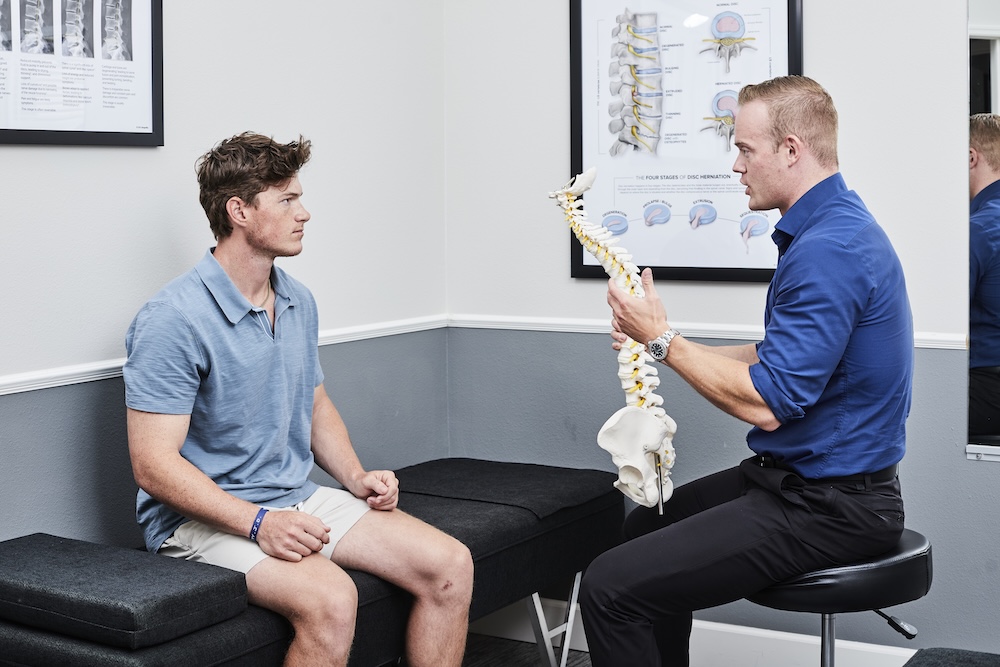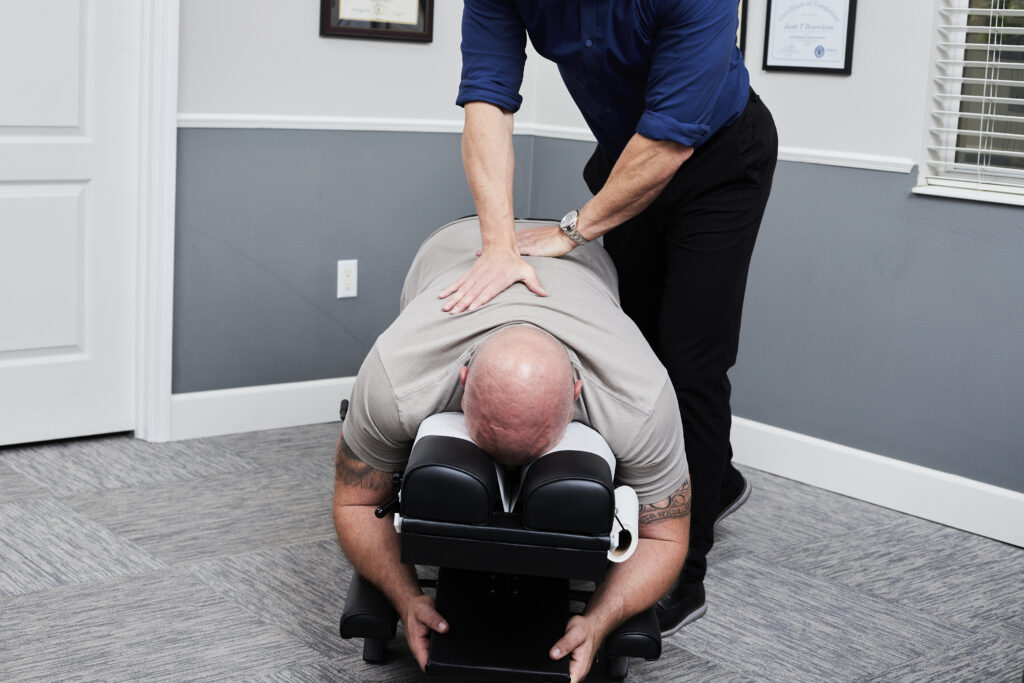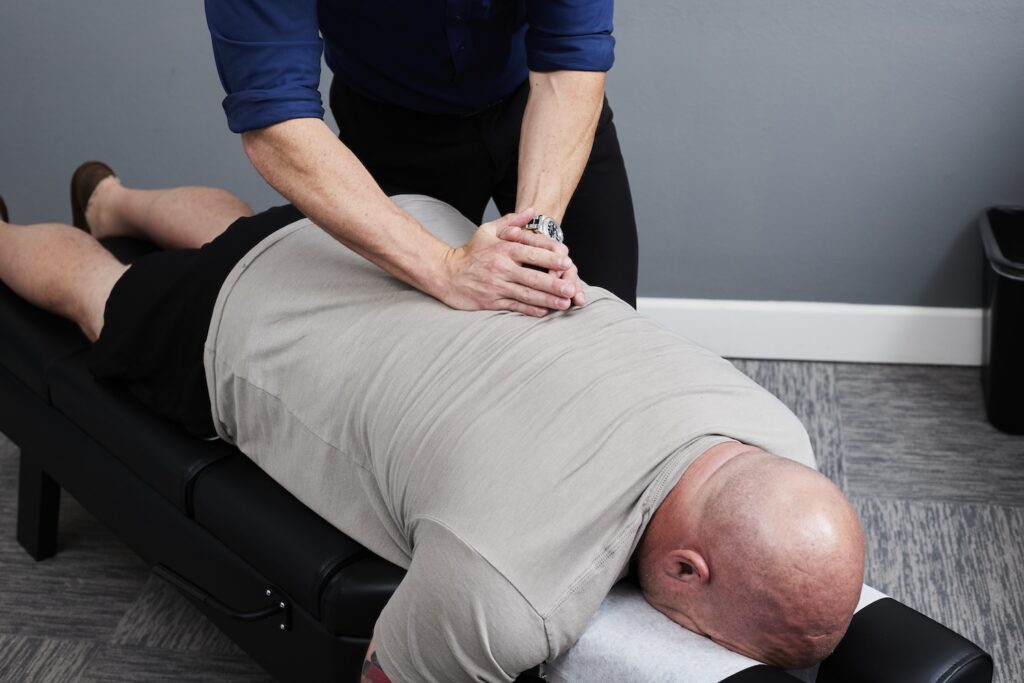

If you’ve ever experienced tightness in your neck, you’re definitely not alone. Many individuals struggle with neck tension due to factors like poor posture or stress. As a chiropractor, I want to emphasize that while these discomforts are common, they don’t have to be a part of your everyday life. Incorporating effective stretches into your daily routine can significantly alleviate neck tension, enhance flexibility, and support overall neck health.
Chiropractic care is an excellent approach to achieving optimal health and relieving pain naturally. Regular visits to your chiropractor can help identify underlying issues contributing to neck discomfort and guide you on the path to wellness.
Here are some simple stretches you can try at home to relieve neck tension:
- Neck Tilts: Sit or stand up straight. Gently tilt your head to one side, bringing your ear toward your shoulder. Hold for 15-30 seconds and switch sides. This stretch helps to loosen the muscles on the sides of your neck.
- Chin Tucks: While sitting, keep your spine straight and gently tuck your chin toward your chest. Hold for a few seconds and release. This exercise strengthens the neck muscles and improves posture.
- Shoulder Shrugs: Raise your shoulders toward your ears and hold for a moment before releasing them down. Repeat this several times. This stretch relieves tension in the shoulders and neck area.
- Neck Rotation: Slowly turn your head to one side, looking over your shoulder. Hold for a few seconds, then switch to the other side. This helps increase mobility and flexibility in your neck.
In addition to these stretches, maintaining good posture while sitting, standing, or using electronic devices can greatly reduce neck tension. Remember to take frequent breaks to move around, especially if you’re at a desk for long periods.
Chiropractic care not only addresses immediate discomfort but also promotes long-term wellness. By working with a chiropractor, you can develop a personalized plan that includes stretches, adjustments, and lifestyle advice tailored to your needs. Embrace these simple techniques and consider chiropractic care as a natural path to a healthier, pain-free neck and overall well-being.
Key Takeaways
- Begin with Neck Tilts to relieve tension. Gently tilt your head towards each shoulder and hold for 15-30 seconds on each side. This simple stretch can help restore balance and flexibility in your neck.
- Incorporate Shoulder Shrugs into your routine. Lift your shoulders toward your ears, hold for a moment, then release. Repeat this 10-15 times to encourage relaxation in the shoulder and neck muscles, promoting better posture.
- Utilize Chin Tucks to help improve your posture and relieve neck strain. Draw your chin back towards your neck, hold for 5 seconds, and repeat this 10 times. This exercise can help strengthen the muscles that support your cervical spine.
- Try the Upper Trapezius Stretch by gently tilting your head to one side, feeling the stretch in the trapezius muscles. Hold for 15-30 seconds on each side. This stretch can help alleviate tightness and is a great complement to regular chiropractic adjustments.
- Engage in Gentle Neck Rotations by slowly turning your head side to side. Aim for 5-10 rotations on each side to increase mobility. Regular movement can help maintain flexibility and reduce discomfort.
Remember, while these stretches can be very effective, they work best in conjunction with regular chiropractic care. As a chiropractor, I encourage you to prioritize your spinal health and overall wellness. Integrating these stretches into your daily routine can help you live a healthier, pain-free life. If you find persistent tension or discomfort, consider scheduling an appointment to explore how chiropractic care can help you achieve optimal health naturally.
Understanding Neck Tension
Neck tension is a common problem that many people experience, often due to poor posture, stress, or long hours spent in front of screens. You may notice stiffness or discomfort when trying to turn your head, which can limit your ability to perform everyday activities.
This tension typically occurs when we hunch over our devices or sit for extended periods without proper support, causing the muscles in your neck and shoulders to tighten. This can’t only lead to discomfort but also trigger headaches and fatigue, making the situation worse.
Recognizing the signs of neck tension is the first step toward finding relief. You might catch yourself frequently rubbing your neck or feeling pain that radiates down to your shoulders. By identifying the factors that contribute to your neck tension, you can take effective steps to alleviate it.
One of the best ways to manage neck tension is through chiropractic care. A chiropractor can help by realigning your spine and improving your posture, which can significantly reduce strain on your neck muscles. Regular adjustments can promote better alignment, allowing your body to function optimally and helping to relieve pain naturally.
In addition to chiropractic care, here are some simple tips you can incorporate into your daily routine to help ease neck tension:
- Maintain Good Posture: Keep your head aligned over your shoulders and avoid slouching. Use ergonomic furniture and adjust your screen height to keep your neck in a neutral position.
- Take Frequent Breaks: If you’re working at a computer or using your phone, make sure to take breaks every 30 minutes. Stand up, stretch, and move around to relieve tension.
- Stay Hydrated: Drinking plenty of water helps keep your muscles hydrated and functioning properly, which can reduce tension.
- Practice Relaxation Techniques: Engage in activities like yoga, meditation, or deep-breathing exercises to help manage stress, which can contribute to muscle tightness.
- Gentle Stretching: Incorporate gentle neck stretches into your routine. Slowly tilt your head side to side and forward and backward to help relieve tightness.
By understanding the causes of neck tension and taking proactive steps, you can improve your overall well-being. Chiropractic care is a natural and effective way to address neck pain and promote a healthier, more balanced lifestyle.
The Importance of Stretching
Stretching regularly is a simple yet powerful way to enhance your flexibility and mobility, which can make everyday movements feel more effortless.
As a chiropractor, I can’t stress enough how important it’s to keep your body moving freely. Improved flexibility not only helps in performing daily activities but also plays a crucial role in reducing stress and tension—key factors for your overall well-being.
Incorporating basic stretches into your daily routine can significantly benefit both your body and mind. It’s a natural way to promote healing and prevent injury, aligning perfectly with the principles of chiropractic care.
Remember, a well-aligned spine is essential for optimal health, and stretching supports that alignment.
Here are a few simple tips to help you get started:
- Start Slow: Focus on gentle stretches that target major muscle groups. Hold each stretch for 15-30 seconds and breathe deeply to enhance relaxation.
- Consistency is Key: Aim to stretch at least a few times a week. Making it a regular habit can lead to lasting benefits.
- Listen to Your Body: Pay attention to how your body feels during each stretch. If something doesn’t feel right, ease off and try a gentler version.
- Combine with Chiropractic Care: Regular chiropractic adjustments can further enhance your flexibility and spinal health. Consider scheduling routine visits to ensure your spine is aligned and functioning optimally.
By prioritizing stretching and incorporating chiropractic care into your wellness routine, you’ll be taking proactive steps towards a healthier, pain-free life.
Benefits of Regular Stretching
Incorporating regular stretching into your daily routine can significantly enhance your overall well-being, especially when it comes to maintaining a healthy spine. As a chiropractor, I often see how stretching helps reduce muscle tension, leading to a more relaxed and less stressed state. Just a few minutes of stretching each day can work wonders for your posture, which in turn can alleviate discomfort in your neck and shoulders—a common issue many of us face.
Stretching also promotes better circulation, ensuring that oxygen and nutrients reach your muscles more efficiently. This can aid in recovery and reduce soreness after physical activity, making it an excellent complement to chiropractic care. Furthermore, you may notice that regular stretching can boost your mental clarity and focus, setting a positive tone for your day and enhancing your overall productivity.
To make the most of your stretching routine, here are some simple tips you can incorporate:
- Start Gradually: If you’re new to stretching, begin with gentle stretches and gradually increase the intensity and duration as your flexibility improves.
- Focus on Major Muscle Groups: Pay special attention to areas that are often tight, such as your back, hips, and shoulders. Simple stretches like neck tilts, shoulder rolls, and hamstring stretches can be very effective.
- Incorporate Stretching into Your Day: Try to stretch at key times, like when you wake up, during breaks at work, or before bed to relieve tension and improve relaxation.
- Listen to Your Body: Always be mindful of how your body feels while stretching. It’s important to avoid pushing yourself to the point of pain. Stretching should feel good and promote relaxation.
- Combine with Chiropractic Care: Regular chiropractic adjustments can enhance the benefits of stretching. A well-aligned spine allows for better movement and can make stretching more effective.
By committing to a regular stretching routine and complementing it with chiropractic care, you can keep your body limber, elevate your mood, and feel more energetic.
This holistic approach to wellness not only supports your physical health but also nurtures your mental well-being, allowing you to tackle whatever challenges come your way with ease.
Enhancing Flexibility and Mobility
To enhance your flexibility and mobility, it’s important to recognize the significant role that regular stretching plays in your overall physical health. Incorporating stretching into your daily routine not only helps lengthen your muscles, but also improves the range of motion in your joints, making it easier to perform everyday activities.
As a chiropractor, I’ve seen firsthand how increased flexibility can lead to better athletic performance and a reduced risk of injuries.
When you stretch, you prepare your muscles for movement, which helps to alleviate stiffness and tension. This is crucial for maintaining a healthy spine and preventing discomfort. Remember, it’s not just about feeling good; it’s about ensuring your body functions optimally.
By committing to a consistent stretching routine, you’re investing in your body’s ability to move freely and comfortably. Start with gentle neck stretches to relieve tension and gradually add more comprehensive routines that target different muscle groups. This won’t only enhance your flexibility but will also support your chiropractic care, as a flexible body is better aligned and less prone to injury.
Here are a few tips to get you started:
- Incorporate Stretching into Your Day: Set aside a few minutes each day for stretching, perhaps in the morning or after work. This consistency will yield the best results.
- Listen to Your Body: Pay attention to how your body feels during stretches. You should feel a gentle pull, but never pain. If something doesn’t feel right, ease off.
- Stay Hydrated: Drink plenty of water to keep your muscles hydrated and functioning well, which can enhance your stretching results.
- Combine Stretching with Chiropractic Care: Regular visits to your chiropractor can complement your stretching routine by aligning your spine and improving your overall mobility.
Reducing Stress and Tension
Incorporating stretching into your daily routine is a fantastic way to enhance your flexibility and significantly alleviate stress and tension in your body. When muscles become tight due to daily stressors, it can lead to discomfort and pain. By spending just a few minutes each day on stretching, you can create a calming effect on both your body and mind, promoting overall wellness.
Here’s a simple overview of how stretching can help relieve stress:
| Benefits | Techniques | Frequency |
|---|---|---|
| Reduces muscle tension | Neck rolls | Daily |
| Enhances blood flow | Shoulder stretches | 3 times a week |
| Promotes relaxation | Upper back twists | Twice a week |
These techniques are easy to incorporate into your everyday life. Regular stretching not only helps your muscles feel better but can also lead to a significant decrease in both physical and mental tension.
As a chiropractor, I encourage you to pair these stretches with regular chiropractic care. Chiropractic adjustments can help align your spine, which supports proper function and reduces stress on your body. Together, stretching and chiropractic care can provide a powerful approach to achieving optimal health and natural wellness. Remember, taking care of your body is essential for a healthy, balanced life!
Neck Tilts
Neck tilts are a simple yet powerful way to reduce tension in your neck and shoulders, and they can easily fit into your daily routine. These gentle stretches not only help improve flexibility but also promote overall wellness, making them a great complement to chiropractic care.
Here’s how to perform neck tilts effectively:
- Right Side Tilt: Start by gently tilting your head towards your right shoulder. Hold this position for 15-30 seconds and notice the gentle stretch on the left side of your neck. This movement can help release tightness and improve mobility.
- Left Side Tilt: Now, repeat the stretch on the left side by tilting your head towards your left shoulder. Again, hold for 15-30 seconds. This helps to balance the tension in your neck.
- Forward Tilt: Next, lower your chin towards your chest and hold for 15-30 seconds. This position allows the back of your neck to stretch and can alleviate discomfort caused by poor posture, especially if you spend long hours at a desk.
- Backward Tilt: Finally, slowly tilt your head back and look up at the ceiling for 15-30 seconds. This stretch is beneficial for the front of your neck and can help counteract the forward head posture that many experience in today’s digital age.
Remember to breathe deeply throughout each stretch. It’s essential to listen to your body and never force any movements.
Incorporating these neck tilts into your daily routine can be an effective way to support your spinal health and enhance overall well-being.
Chiropractic care is a fantastic option for addressing neck pain and discomfort. A chiropractor can provide personalized adjustments and guidance to help ensure your spine is aligned and functioning optimally.
Shoulder Shrugs
Shoulder shrugs are a fantastic way to relieve tension in your shoulders and upper back, especially if you find yourself sitting for long periods. As a chiropractor, I emphasize the importance of maintaining proper posture and keeping your body relaxed to support spinal health.
To perform shoulder shrugs, begin by standing or sitting up straight with your arms relaxed at your sides. Take a deep breath in, and as you exhale, lift your shoulders towards your ears. Hold this position for a moment, allowing yourself to feel the stretch in your shoulder muscles. Then, gently lower your shoulders back down to their starting position. Aim to repeat this motion for ten to fifteen repetitions.
For an added challenge, you can incorporate light weights or resistance bands to increase the effectiveness of the stretch without straining your body. It’s important to keep your neck relaxed and avoid hunching your shoulders forward, as this can contribute to discomfort and misalignment in your spine.
Incorporating shoulder shrugs into your daily routine can play a key role in releasing built-up tension, improving blood circulation, and promoting overall relaxation. If you’re spending long hours at a desk or working on a computer, taking a few moments to perform this simple exercise can help keep your upper body feeling loose and alleviate discomfort.
Remember, optimal health and wellness come from a holistic approach. Regular chiropractic care can help address any underlying issues contributing to tension in your shoulders and back, ensuring that your entire body functions at its best.
Chin Tucks
Chin tucks are a simple yet powerful exercise that can significantly enhance your neck posture and relieve tension. As a chiropractor, I often emphasize the importance of proper alignment for overall health and wellness.
Chin tucks not only strengthen your neck muscles but also promote better spinal alignment, which is crucial for reducing discomfort and preventing future issues.
Here’s how to perform a chin tuck:
- Find a comfortable position: Sit or stand tall, making sure your shoulders are relaxed. Good posture starts with a solid foundation.
- Draw your chin back: Imagine you’re creating a double chin by moving your head straight back. Keep your gaze forward throughout the movement.
- Hold the position: Maintain this tucked position for about 5 seconds. You should feel a gentle stretch along the back of your neck, signaling that the muscles are engaging.
- Release and repeat: Relax your neck and repeat the exercise 10 times. Focus on smooth, controlled movements to get the most benefit.
Incorporating chin tucks into your daily routine can be a fantastic way to combat the effects of poor posture and tension.
Regular practice not only helps you feel more relaxed and comfortable but also supports your spinal health.
Remember, chiropractic care is an excellent choice for achieving optimal health and wellness. If you experience persistent discomfort or have concerns about your posture, I encourage you to consult with a chiropractor who can guide you on your journey to a healthier spine.
Give chin tucks a try and experience the benefits for yourself!
Upper Trapezius Stretch
After practicing chin tucks, it’s important to address the upper trapezius muscles, which often bear the brunt of tension from our daily routines—like sitting at a desk or constantly looking down at our phones.
To perform an effective upper trapezius stretch, find a comfortable position either sitting or standing. Start by relaxing your shoulders. Gently tilt your head to one side, bringing your ear toward your shoulder. You should feel a soothing stretch along the opposite side of your neck. For an enhanced stretch, you can use your hand to apply light pressure on your head, but be sure to keep the pressure gentle to avoid any strain.
Hold this position for 15 to 30 seconds while taking deep, calming breaths. Then, switch sides and repeat. Remember, it’s crucial not to force the stretch, as doing so can lead to injury and discomfort.
Incorporating this stretch into your daily routine can significantly alleviate tightness and enhance your neck’s flexibility, ultimately making your daily activities more enjoyable and pain-free.
Regular practice of this stretch, along with chiropractic care, can help maintain optimal spinal health and promote natural healing. If you find ongoing tension or discomfort, consider consulting a chiropractor, who can provide tailored strategies for pain relief and overall wellness.
Taking these steps can lead to a healthier, more comfortable life.
Levator Scapulae Stretch
Let’s take a closer look at the levator scapulae, a muscle that can contribute significantly to neck tension and discomfort. As a chiropractor, I believe it’s essential to understand how this muscle works, as it can help you identify effective ways to alleviate pain and improve your overall wellness.
Stretching the levator scapulae can be a fantastic way to release tension in your neck. Incorporating these stretches into your daily routine can’t only provide immediate relief but may also prevent future discomfort. Here are some simple techniques you can try:
- Seated Neck Stretch: Sit comfortably in a chair. Gently tilt your head to one side, bringing your ear towards your shoulder. Hold this position for 15-30 seconds. You should feel a gentle stretch along the side of your neck. Repeat on the other side.
- Chin Tucks: While sitting or standing, gently tuck your chin towards your chest. This helps to align your spine and can relieve pressure on the levator scapulae. Hold for a few seconds and release. Repeat several times.
- Shoulder Shrugs: Raise your shoulders up toward your ears and hold for a few seconds, then relax them back down. This can help to release tightness in the shoulder area, which is often connected to neck tension.
- Gentle Rotation: Turn your head slowly to one side, keeping your chin level. Hold for a few seconds, then rotate to the other side. This helps to increase mobility in your neck.
Remember, stretching should never cause pain. If you experience discomfort, ease off the stretch.
Additionally, regular chiropractic adjustments can support your body’s natural healing processes, helping to alleviate tension in the levator scapulae and throughout your spine.
Incorporating these stretches as part of your daily routine can promote healthier living and improve your quality of life. If you’re struggling with persistent neck pain, consider visiting your local chiropractor.
We can provide tailored care to help you achieve optimal health and wellness naturally, without the need for medications or invasive procedures. Your path to a pain-free life is just a stretch away!
Anatomy of Levator Scapulae
The levator scapulae muscle is a small yet mighty player in your body’s ability to move freely and comfortably. This muscle connects your neck to your shoulder blade, playing a vital role in both neck mobility and shoulder function. By understanding its anatomy, you can better appreciate how to relieve tension and promote wellness in this area.
Here are four important things to know about the levator scapulae:
- Origin: This muscle begins at the transverse processes of the first four cervical vertebrae in your neck.
- Insertion: It attaches to the medial border of the scapula, which is part of your shoulder blade.
- Function: The levator scapulae elevates the scapula and helps with neck rotation and bending to the side, which are essential for many daily activities.
- Innervation: It’s primarily supplied by the dorsal scapular nerve, ensuring it functions well when you need it most.
Recognizing these aspects of the levator scapulae can enhance your approach to relieving neck tension. Here are some helpful tips you can easily incorporate into your routine:
- Gentle Stretches: Try simple neck stretches to ease tightness. For instance, tilt your head to one side and hold for 15-30 seconds, then switch sides.
- Posture Awareness: Maintaining good posture while sitting or standing can prevent strain on the levator scapulae. Keep your shoulders back and your head aligned with your spine.
- Chiropractic Care: Regular visits to a chiropractor can help keep your spine aligned and reduce tension in the muscles around your neck and shoulders. Chiropractic adjustments can improve function and relieve pain naturally.
- Heat Therapy: Applying a warm compress to the neck area can help relax the levator scapulae and improve blood flow, which may alleviate discomfort.
Stretching Techniques Explained
Understanding the anatomy of the levator scapulae is essential for effective stretching and relieving tension in this area. Stretching this muscle can help improve your overall neck health and contribute to a more comfortable lifestyle. Here’s a simple way to perform the levator scapulae stretch:
- Find a comfortable seated or standing position.
- Gently tilt your head to one side, bringing your ear towards your shoulder.
- With your opposite hand, softly pull your head further into the stretch.
- Hold this position for 15-30 seconds, allowing yourself to feel a gentle stretch along the side of your neck.
- After you’ve completed one side, switch and repeat on the other side.
This stretch can be a great addition to your daily routine, especially if you spend a lot of time sitting or working at a computer. Remember, maintaining a healthy spine is crucial for overall wellness, and incorporating simple stretches can help keep your body feeling its best.
Here’s a quick reference guide to help you remember the steps:
| Step | Action |
|---|---|
| Position | Sit or stand comfortably |
| Head Tilt | Toward your shoulder |
| Hand Assistance | Gently pull your head |
These simple stretches, along with regular chiropractic care, can significantly enhance your neck health, reduce tension, and promote natural healing. By prioritizing your spinal health, you’re taking a vital step towards achieving optimal wellness.
Benefits of Regular Stretching
As you incorporate the levator scapulae stretch into your daily routine, you’ll quickly discover a variety of benefits that not only enhance your neck health but also contribute to your overall wellness.
By regularly practicing this stretch, you can experience the following advantages that align with a natural, chiropractic approach to health:
- Reduce tension: This stretch is effective in alleviating tightness in your neck and shoulders, which can often lead to discomfort. A relaxed body is a happier body!
- Improve posture: By encouraging better alignment through the loosening of tight muscles, this stretch can help you sit and stand taller, reducing strain on your spine.
- Increase flexibility: Enhancing the range of motion in your neck is vital for daily activities. Greater flexibility can lead to improved movement and reduced risk of injury.
- Relieve headaches: Tension-related headaches, often caused by muscle tightness, can be significantly reduced with regular stretching. This natural approach can help you feel more comfortable and focused throughout your day.
In addition to the levator scapulae stretch, consider visiting your chiropractor regularly. Chiropractic care can help address the root causes of discomfort, supporting your body’s natural healing processes.
Neck Rotations
Neck rotations are an excellent and simple way to relieve tension and enhance flexibility in your neck, which is crucial for overall spinal health. As a chiropractor, I encourage you to incorporate this stretch into your daily routine to promote natural healing and wellness.
To perform neck rotations, find a comfortable position—either sitting or standing—with your back straight. Begin by gently turning your head to the right, bringing your chin toward your shoulder. Hold this position for a moment, and you’ll feel a pleasant stretch along the left side of your neck. Afterward, return to the center, and then repeat the movement to the left. Aim for 5-10 rotations on each side, taking your time to enjoy the stretch.
While you rotate, be sure to keep your shoulders relaxed and avoid hunching them up. Tension in the shoulders can contribute to neck discomfort, so maintaining good posture is essential. You can further enhance the effectiveness of this stretch by incorporating deep breaths—inhale as you turn your head and exhale as you return to the center. This practice not only promotes relaxation but also supports the overall health of your spine.
Regular neck rotations can significantly reduce stiffness and improve mobility, making them a valuable addition to your wellness routine. By prioritizing these simple exercises, you’re taking a proactive step towards optimal health and well-being.
Cat-Cow Stretch
The Cat-Cow stretch is an excellent way to relieve neck tension and enhance your flexibility, making it a valuable addition to your daily routine. As a chiropractor, I often recommend this stretch to my patients as part of a holistic approach to achieving optimal health and wellness.
Not only does it help with muscle relaxation, but it also promotes spinal health, which is key to overall well-being.
In this guide, you’ll discover the benefits of the Cat-Cow stretch, easy step-by-step instructions for performing it correctly, and tips to maximize its effectiveness. Let’s dive in!
Benefits of the Cat-Cow Stretch:
- Relieves Neck Tension: This stretch encourages proper alignment and can help ease discomfort in the neck and upper back.
- Improves Flexibility: Regular practice can enhance your spinal flexibility and range of motion, which is vital for maintaining a healthy spine.
- Encourages Mind-Body Connection: Focusing on your breath while doing this stretch can promote relaxation, reducing stress and improving your overall well-being.
Step-by-Step Instructions:
- Start on all fours in a tabletop position, with your wrists directly under your shoulders and your knees under your hips.
- Inhale deeply while arching your back, allowing your belly to drop toward the floor, and lift your head and tailbone toward the ceiling. This is the “Cow” position.
- Exhale slowly as you round your back towards the ceiling, tucking your chin to your chest and drawing your belly button towards your spine. This is the “Cat” position.
- Continue to flow between these two positions, syncing your breath with your movements. Aim for 5-10 repetitions.
Tips for Best Results:
- Listen to Your Body: Only stretch to the point of mild discomfort, never pain. Your body knows its limits, so honor them.
- Practice Regularly: Incorporating this stretch into your daily routine can provide cumulative benefits over time.
- Focus on Breathing: Deep, steady breaths will enhance relaxation and help you connect more deeply with your body.
- Consult Your Chiropractor: If you experience ongoing pain or discomfort, consider visiting your chiropractor for personalized advice and adjustments that align with your wellness goals.
By integrating the Cat-Cow stretch into your routine, you can support your spinal health and overall well-being naturally.
Benefits of Cat-Cow
As a chiropractor, I want to share how the Cat-Cow stretch can be a fantastic addition to your daily routine, particularly for alleviating neck tension. This simple yet effective movement not only targets the neck but also provides several benefits that contribute to your overall health and wellness.
Here’s why incorporating the Cat-Cow stretch is a great idea:
- Increases spinal flexibility: Gentle arching and rounding of your spine promote mobility and help reduce stiffness, which is crucial for maintaining a healthy spine.
- Relieves stress: The rhythmic motion of this stretch can help release tension stored in your body, promoting relaxation and calming your mind. This is especially important in our fast-paced lives.
- Improves posture: Engaging your core and back muscles during the stretch encourages better alignment. Proper posture can significantly reduce strain on your neck, which is vital for avoiding discomfort.
- Enhances circulation: The Cat-Cow movement boosts blood flow to your neck and spine, aiding in recovery and reducing discomfort. Good circulation is essential for overall health.
By integrating the Cat-Cow stretch into your daily routine, you can experience noticeable improvements in your well-being.
Remember, chiropractic care is an excellent option for achieving optimal health and addressing any pain you may be experiencing naturally.
Step-by-Step Instructions
To begin your journey towards better spinal health and wellness, let’s explore the Cat-Cow stretch, a gentle yet effective exercise that can help relieve tension in your neck and back.
Start by getting into a comfortable position on all fours, making sure your hands are placed directly under your shoulders and your knees are aligned under your hips. This alignment is crucial for maintaining a healthy spine.
As you inhale deeply, arch your back while lifting your head and tailbone towards the ceiling, entering the Cow position. Hold this pose for a moment, allowing yourself to feel the beneficial stretch in your neck and spine. This movement can help promote flexibility and ease tension, which is essential for overall spinal health.
Next, as you exhale, gently round your back, tucking your chin to your chest and your tailbone under—this is the Cat position. This action helps to engage your core and provides a counter-stretch that can release any built-up tension.
Repeat this cycle for several breaths, moving smoothly between the Cat and Cow positions. Pay attention to your breath and let the rhythmic motion help alleviate discomfort in your neck and back.
Incorporating this simple stretch into your daily routine can be a great way to support your spine and overall health.
Remember, chiropractic care is an excellent choice for achieving optimal wellness, as it focuses on natural healing and pain relief without the need for medications or surgeries. Regular adjustments can further enhance the benefits of stretches like the Cat-Cow, helping you maintain a healthy, pain-free lifestyle.
Embrace these practices and enjoy the soothing effects they bring to your body!
Tips for Best Results
For optimal results with the Cat-Cow stretch, it’s important to pay attention to your breath and maintain a steady rhythm as you move. This mindful approach not only enhances the effectiveness of the stretch but also aids in releasing neck tension, which is vital for overall spinal health.
Here are some simple tips to maximize your practice and support your journey towards natural wellness:
- Warm Up First: A gentle warm-up is key to preparing your body and preventing strain. Consider light movements or stretches to get your blood flowing.
- Engage Your Core: Keeping your abdominal muscles engaged will help support your spine throughout the stretch, promoting better alignment and stability.
- Move Slowly: Transitioning gradually between the Cat and Cow positions allows you to truly feel the benefits of the stretch and is gentle on your body.
- Listen to Your Body: Pay attention to how you feel during the stretch. It’s important to adjust the movement according to your comfort level, ensuring that you’re not pushing yourself too hard.
By incorporating these tips into your routine, you can enhance your Cat-Cow stretch and support your overall spinal health.
Incorporating Stretches Into Your Routine
Incorporating stretches into your daily routine can significantly alleviate neck tension and enhance overall flexibility, which is vital for spinal health. As a chiropractor, I encourage you to dedicate just a few minutes each day to this practice, whether in the morning to start your day right or before bedtime to unwind.
Even a brief five-minute stretch can make a noticeable difference. Focus on a few effective neck stretches, such as gentle side bends and rotations. Consistency is crucial, so try to perform these stretches regularly. You can also incorporate them during work breaks. When you feel tension building up, take a moment to stretch and relieve that tightness—it’s a natural way to promote healing.
Pairing these stretches with deep breathing exercises can enhance relaxation and further support your spine’s health. Always listen to your body; avoid pushing yourself too hard. By making stretching a daily habit, you not only relieve neck tension but also improve your posture and flexibility, which are essential components of a healthy spine.
Remember, chiropractic care is an excellent way to support these efforts. Regular chiropractic adjustments can help maintain spinal alignment and enhance your overall well-being.
Conclusion
Incorporating effective stretches into your daily routine can make a significant difference in relieving neck tension and promoting overall wellness. As a chiropractor, I encourage you to regularly practice neck tilts, shoulder shrugs, chin tucks, and other gentle stretches. These movements not only enhance flexibility but also support your spinal health, which is essential for optimal well-being.
Remember, consistency is key! Taking just a few moments each day to prioritize your neck care can lead to noticeable reductions in tension and discomfort. Alongside these stretches, consider regular chiropractic adjustments to help align your spine and improve your body’s function. Chiropractic care is a natural, effective way to achieve pain relief and enhance your overall quality of life.
Here are some simple tips to incorporate into your routine:
- Set a Reminder: Use your phone or a sticky note to remind you to take a break and stretch your neck throughout the day.
- Stay Hydrated: Drink plenty of water to keep your muscles hydrated and functioning properly.
- Mind Your Posture: Be mindful of how you sit at your desk or look at your phone; keeping your head aligned with your spine can help prevent tension.
- Get Regular Adjustments: Regular visits to your chiropractor can help maintain spinal alignment and enhance your body’s natural healing abilities.
Your body will thank you for making these small but impactful changes!