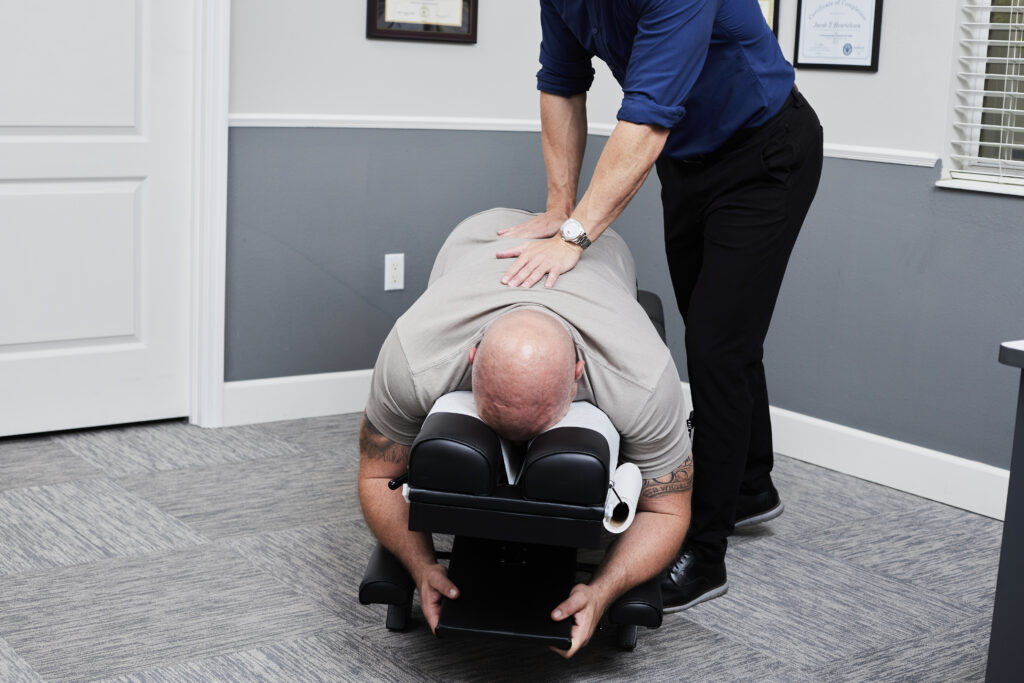

If you're dealing with chronic back pain, you've probably tried various treatments with mixed results. You might be surprised to learn that effective natural remedies could provide the relief you seek. From gentle stretching exercises to herbal options and mindfulness practices, there's a range of approaches worth considering. Each method offers unique benefits that can help you manage pain more effectively. But what if you discovered a combination that not only alleviated your discomfort but also improved your overall well-being? Let's explore some of these remedies and see how they can work for you.
Gentle Stretching Exercises
Gentle stretching exercises can be a game-changer for managing chronic back pain. When you incorporate these stretches into your daily routine, you'll likely notice increased flexibility and reduced tension in your back muscles. The key is to focus on slow, controlled movements that allow your body to relax and release tightness.
Start with basic stretches like the cat-cow stretch. Begin on all fours, arching your back upward while tucking in your chin, and then lowering it while lifting your head and tailbone. This movement gently mobilizes your spine and can alleviate discomfort.
Another effective stretch is the child's pose. Sit back on your heels and extend your arms forward on the floor, letting your forehead rest down. This position helps to elongate your spine and ease tension.
Incorporate stretches for your hamstrings and hip flexors, as tightness in these areas can contribute to back pain. Try a seated forward bend by sitting with your legs stretched out in front of you and reaching toward your toes. Hold each stretch for about 15-30 seconds, breathing deeply to help your muscles relax.
Make it a habit to stretch daily, especially after prolonged periods of sitting or standing. You'll find that consistent stretching not only improves your back pain but also enhances your overall mobility and well-being.
Herbal Remedies
Herbs can be powerful allies in your battle against chronic back pain. Many natural remedies offer anti-inflammatory and analgesic properties that can help alleviate discomfort. One popular option is turmeric, which contains curcumin, known for its potent anti-inflammatory effects. You can incorporate turmeric into your diet by adding it to meals or drinking it as a tea.
Ginger is another excellent choice. Its natural compounds can reduce inflammation and pain. You can enjoy fresh ginger tea or even take ginger supplements to experience its benefits.
Additionally, willow bark has been used for centuries as a natural pain reliever. It contains salicin, which is similar to aspirin, and can help with back pain when taken in tea or capsule form.
If you're looking for a topical remedy, consider arnica. This herb is often found in creams and gels and can be applied directly to the painful area. Its anti-inflammatory properties may help reduce swelling and relieve soreness.
Devil's claw is another herb worth exploring. It's known for its pain-relieving qualities and can be taken as a supplement or in tea form.
Remember to consult a healthcare professional before starting any new herbal regimen, especially if you're taking other medications.
As you explore these herbal remedies, be sure to pay attention to how your body responds, and adjust your approach as necessary. Finding the right combination can lead to significant relief from your chronic back pain.
Mindfulness and Meditation
Incorporating holistic approaches can enhance your journey toward managing chronic back pain, and mindfulness and meditation are powerful tools in this regard. These practices help you cultivate awareness and presence, allowing you to connect with your body and its sensations. By focusing your attention on the present moment, you can reduce stress and anxiety, which often exacerbate pain.
Start by setting aside a few minutes each day for mindfulness or meditation. Find a quiet space, sit comfortably, and close your eyes. Take deep, intentional breaths, letting your abdomen expand and contract. As thoughts arise, acknowledge them without judgment, then gently redirect your focus back to your breath. This process can help you develop a deeper understanding of your pain and its triggers.
Mindfulness encourages you to observe your body without immediate reaction. When you experience discomfort, instead of tensing up, you can learn to accept the sensation and explore it with curiosity. Over time, this practice can shift your relationship with pain, making it feel more manageable.
Meditation can also enhance your emotional resilience. Regular practice trains your mind to respond to stressors with calmness and clarity, rather than fear or frustration. This shift in perspective can empower you to approach your chronic pain with a sense of control.
Hot and Cold Therapy
When managing chronic back pain, using hot and cold therapy can be a simple yet effective strategy. Both methods can help alleviate discomfort, promote healing, and improve overall mobility. You just need to know when and how to use each one.
Start with heat therapy. Applying heat to your back can help relax tight muscles, improve blood flow, and reduce stiffness. You can use a heating pad, hot water bottle, or even take a warm bath. Just make sure the heat isn't too intense; you don't want to burn your skin. Aim for 15 to 20 minutes at a time, and repeat as needed throughout the day.
On the other hand, cold therapy can be beneficial for reducing inflammation and numbing sharp pain. You can use an ice pack, a bag of frozen vegetables, or a cold compress. Wrap it in a thin cloth to protect your skin, and apply it for 15 to 20 minutes at a time. Cold therapy is particularly useful after any activity that aggravates your back pain.
It's often helpful to alternate between heat and cold therapy. For instance, you might use heat to ease muscle tension before an activity and follow up with cold therapy afterward to manage any inflammation.
Listen to your body; if one method feels better than the other, stick with what works for you. Combining these therapies can provide significant relief and help you regain control over your chronic back pain.
Lifestyle Adjustments
Finding relief from chronic back pain often requires a multifaceted approach, including lifestyle adjustments that can greatly impact your overall well-being.
Start by evaluating your daily habits. If you spend long hours sitting, consider incorporating short breaks to stand, stretch, or walk. This simple change can relieve pressure on your back and improve circulation.
Next, pay attention to your posture. Whether you're sitting at a desk or lifting objects, maintaining proper alignment is essential. Use ergonomic furniture and techniques to support your spine. When lifting, always bend at your knees and keep the object close to your body to minimize strain.
Regular physical activity is another key factor. Engage in low-impact exercises, like swimming or walking, to strengthen back muscles and enhance flexibility. Aim for at least 30 minutes of moderate exercise most days of the week.
Don't forget to include stretches that target your back and core, as these can alleviate tension and improve mobility.
Lastly, your sleep environment matters. Invest in a supportive mattress and pillows that align your spine properly.
Establish a consistent sleep schedule to guarantee you're well-rested, as fatigue can exacerbate pain.
Conclusion
Incorporating these natural remedies into your daily routine can make a significant difference in managing chronic back pain. Gentle stretching, herbal remedies, mindfulness, hot and cold therapy, and lifestyle adjustments work together to enhance your overall well-being. By staying proactive and attentive to your body's needs, you can reduce discomfort and improve your quality of life. Remember, it's about finding what works best for you and making those small changes that lead to lasting relief.