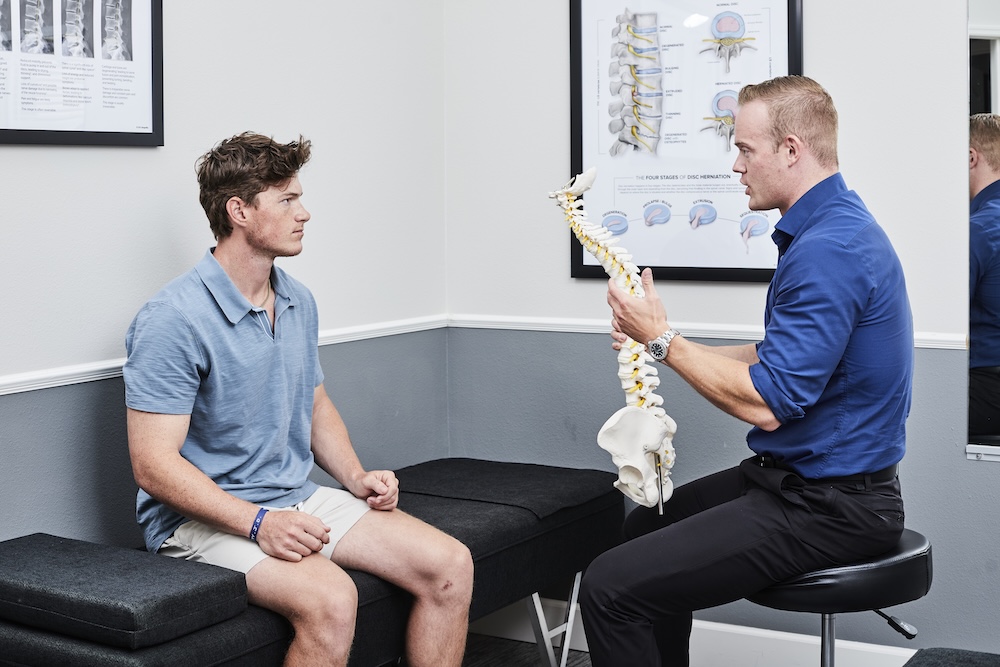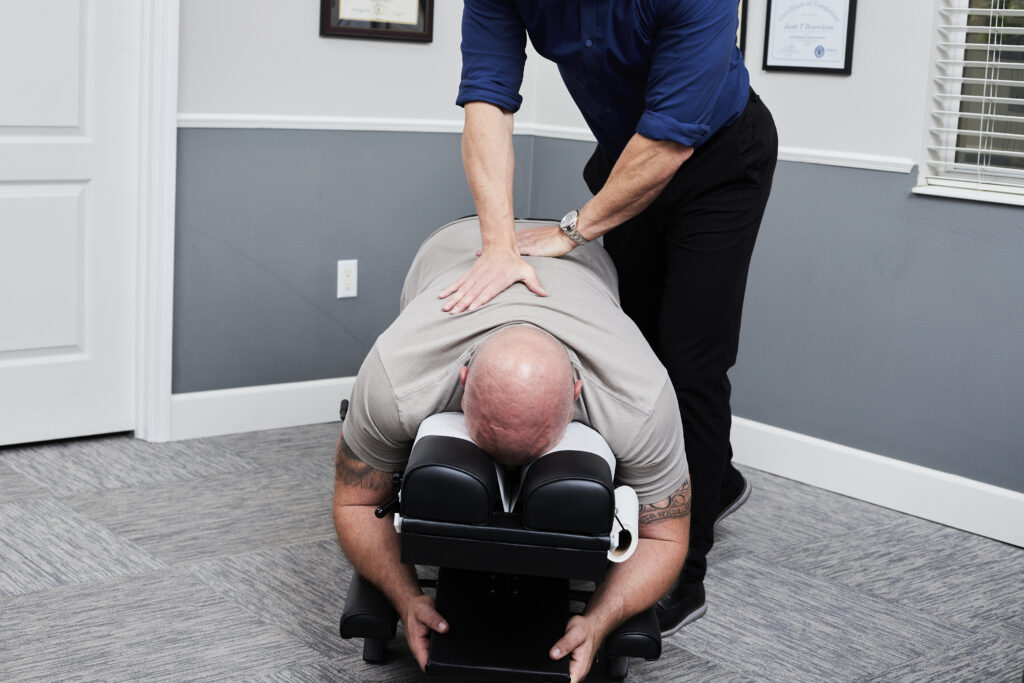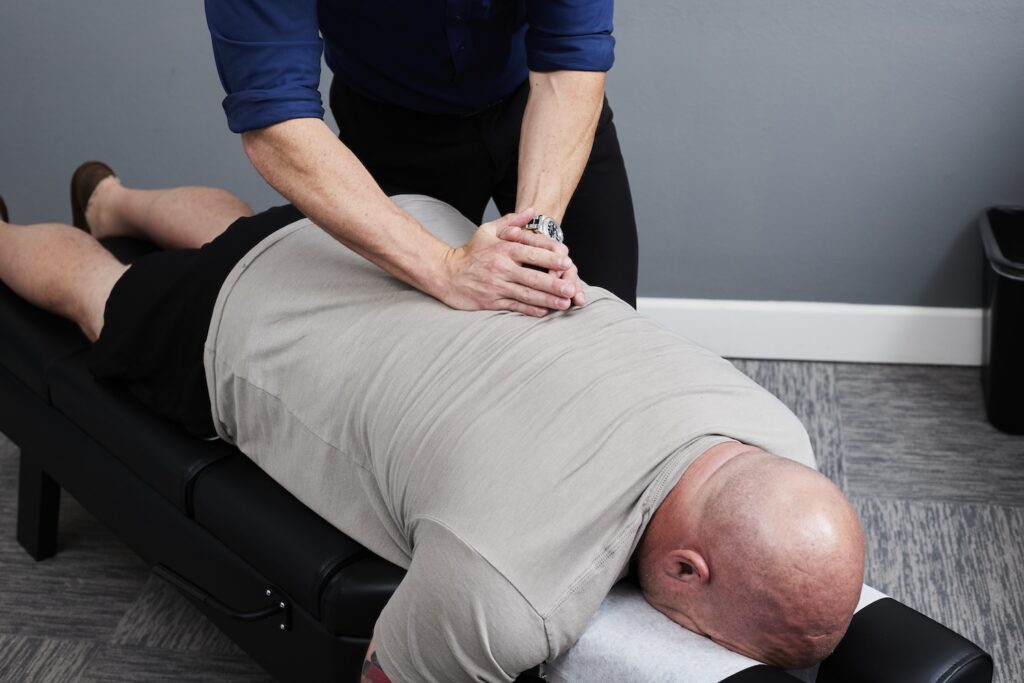

As your local chiropractor, I want to emphasize the importance of understanding the right exercises to prevent back pain. Many people believe that simply taking time to rest will solve their discomfort, but this is a common misconception. In reality, strengthening your core, enhancing flexibility, and maintaining proper posture are crucial elements in promoting a healthy back.
So, what specific exercises can you integrate into your daily routine to truly make a difference? Let’s delve into some effective strategies that can not only improve your back health but also enhance your overall well-being. By incorporating these exercises, you can take proactive steps towards a stronger, pain-free back and a healthier lifestyle. Remember, chiropractic care is all about empowering you with knowledge and tools for natural healing!
Understanding Back Pain: Causes and Prevention
As a local chiropractor, I want to help you understand that when you experience back pain, it’s often your body’s way of signaling that something is off balance. There are many factors that can contribute to this discomfort, such as poor posture, muscle strain, or even injuries.
For example, spending long hours sitting without adequate support can create tension in your back muscles. Additionally, if you lift heavy objects improperly, it can lead to sudden, acute pain.
Preventing back pain is essential, and there are several natural approaches you can take. One of the most effective ways is to maintain good posture, whether you’re sitting or standing.
I also recommend incorporating regular stretching and strengthening exercises for your back and abdominal muscles, as this can significantly enhance your resilience to pain. It’s important to take breaks if you find yourself inactive for extended periods; these breaks allow your body to reset and relieve built-up tension.
Staying active by engaging in low-impact activities like walking or swimming can also do wonders for your spinal health.
By being mindful of these strategies, you can greatly reduce your chances of experiencing back pain in the future. Remember, chiropractic care focuses on natural healing and can be a valuable resource in your journey toward a pain-free life.
If you have any questions or need guidance, feel free to reach out!
The Importance of Core Strength
As a local chiropractor, I want to emphasize the vital role that core strength plays in your overall well-being and spinal health. Many people may not realize that strong core muscles—comprising your abdominals, obliques, and lower back—are fundamental to maintaining stability and preventing discomfort, particularly in the back.
When your core is strong, it provides essential support to your spine, which helps reduce strain during everyday activities like lifting, bending, or even sitting for prolonged periods. Conversely, if your core lacks strength, other muscles might step in to compensate. This can lead to poor posture and increase your risk of injury, which we often see in our practice.
Incorporating core-strengthening exercises into your routine can significantly enhance your balance and coordination, which are crucial for daily movements. I recommend exercises such as planks, bridges, and bird-dogs. These aren’t only effective but also engage multiple muscle groups, boosting your overall strength.
By prioritizing core strength, you’re not just working towards alleviating back pain; you’re also setting the stage for improved athletic performance and overall fitness. As your chiropractor, I encourage you to focus on building your core strength.
You’ll likely notice a remarkable difference in how your back feels and how you move throughout your day. Your journey to better health starts with understanding the importance of a strong core.
Stretching for Flexibility and Relief
As a local chiropractor, I want to emphasize the importance of regular stretching in enhancing your flexibility and alleviating back pain.
It’s crucial to incorporate effective stretching techniques that specifically target your muscles to promote healing and relief.
Additionally, knowing when and how often to perform these stretches can greatly improve your overall comfort and mobility.
Importance of Regular Stretching
As a local chiropractor, I want to emphasize the crucial role that regular stretching plays in maintaining your flexibility and alleviating back pain. Stretching isn’t just about improving your range of motion; it’s a fundamental practice that helps lengthen tight muscles, enhancing your overall mobility.
When you incorporate stretching into your routine, you’re also encouraging better blood circulation and reducing muscle tension, which can significantly decrease discomfort and stiffness in your back.
I often see patients who are unaware of how powerful stretching can be in their journey to a healthy spine. By making stretching a part of your daily habits, you’re actively taking steps to prevent injuries and support your back’s health.
It’s vital to listen to your body and choose stretches that feel right for you, as this will help you avoid overexertion. Remember, establishing a consistent stretching routine can be a simple yet effective strategy in keeping back pain at bay.
I’m here to guide you through this process and help you understand how combining chiropractic care with regular stretching can lead to a healthier, pain-free life.
Key Stretching Techniques
As a chiropractor dedicated to promoting natural healing and overall wellness, I want to share the importance of incorporating key stretching techniques into your daily routine.
These simple yet effective stretches can significantly enhance your flexibility and provide relief from back pain.
Let’s start with the cat-cow stretch, which is excellent for improving spinal mobility. While on all fours, alternate between arching your back and rounding it. This movement helps to release tension in your spine.
Next, the child’s pose is a fantastic way to gently elongate your spine and alleviate stress in your lower back.
Another beneficial stretch is the seated forward bend. While seated, reach for your toes; this stretch targets your lower back and hamstrings, promoting greater flexibility.
Don’t overlook the standing quadriceps stretch either, as it effectively loosens tight hip flexors that can contribute to back discomfort.
I recommend holding each stretch for 15-30 seconds while breathing deeply, as this can enhance relaxation and increase the benefits of the stretches.
By integrating these techniques into your routine, you not only improve your flexibility but also support your overall back health.
This can make your daily activities more comfortable and enjoyable. Remember, a healthy spine is key to a healthy life!
Timing and Frequency Tips
As a local chiropractor, I want to share some valuable insights on how to enhance your stretching routine for optimal benefits. Understanding the timing and frequency of stretching can play a significant role in relieving back pain and improving your overall flexibility. Here are some key tips to consider:
- Incorporate Daily Stretching – Making stretching a regular part of your day can significantly alleviate tension in your muscles and help prevent pain from returning. It’s a simple yet effective way to support your body’s natural healing process.
- Focus on Timing – The best time to stretch is after your workouts or in the evening when your muscles are warm and more flexible. This can help you get the most out of your stretching sessions and contribute to your recovery.
- Tune in to Your Body – Pay attention to how your body feels. If you experience tightness or discomfort, don’t be afraid to stretch more often. Your body has a way of signaling what it needs, and responding to those cues is crucial for your wellbeing.
By following these guidelines, you can create a stretching routine that not only complements your chiropractic care but also fosters a healthier, more flexible lifestyle.
Strengthening Exercises for a Resilient Back
As a local chiropractor, I want to emphasize the importance of strengthening your back not only for pain prevention but also for overall stability and health. Many patients often overlook how pivotal it’s to incorporate specific exercises into their routines.
Let’s start with planks, which are excellent for engaging both your core and back muscles at the same time. I recommend starting with 30 seconds and gradually increasing your time as you build strength.
Another fantastic exercise is the bird-dog. To perform this, get on all fours, extend one arm while simultaneously extending the opposite leg, hold for a few seconds, and then switch sides. This exercise not only improves your balance but also strengthens your lower back—critical for maintaining a healthy spine.
Bridges are another effective exercise. Simply lie on your back with your knees bent, lift your hips towards the ceiling while squeezing your glutes. This move targets your lower back and glute muscles, which play a vital role in spinal support.
Finally, don’t forget to incorporate rows into your regimen using resistance bands or dumbbells. These will help strengthen your upper back, which is crucial for maintaining good posture. Aim for 10-15 repetitions of each exercise and try to do them 2-3 times a week.
Remember, consistency is key. By regularly engaging in these exercises, you’ll build a resilient back that supports your daily activities and significantly reduces the risk of pain.
If you have any questions about these exercises or how they relate to your overall health, please feel free to reach out during your next visit!
Low-Impact Cardio for Overall Health
As a local chiropractor, I often emphasize the importance of maintaining an active lifestyle for overall health, especially for those who may be unfamiliar with chiropractic care and natural healing.
Many people mistakenly associate cardio with high-intensity workouts, but there are low-impact options that can significantly benefit your health while protecting your joints and spine.
Here are three excellent low-impact cardio exercises to consider integrating into your routine:
- Walking: This is one of the simplest and most accessible forms of exercise. A brisk walk not only gets your heart rate up but also helps strengthen the muscles that support your spine. It’s a fantastic way to stay active without putting unnecessary stress on your joints.
- Swimming: The buoyancy of water makes swimming an exceptional option for low-impact cardio. It allows you to engage your entire body while relieving pressure on your joints. This can be especially beneficial for those dealing with back pain or joint issues, as it provides a gentle way to stay fit.
- Cycling: Whether you choose a stationary bike at home or prefer cycling outdoors, this activity is a great way to improve your cardiovascular health and build endurance. Cycling is gentle on your back and helps to strengthen the muscles that support your spine.
Incorporating these low-impact activities into your daily routine can greatly enhance your overall well-being and help prevent back pain.
By promoting a healthy lifestyle, you can enjoy life to its fullest and support your body’s natural healing processes.
If you have any questions about how to get started or want to learn more about chiropractic care, feel free to reach out!
Tips for Proper Posture
As a local chiropractor, I want to emphasize the importance of maintaining good posture not only for your overall health but also for the long-term well-being of your spine. Engaging in low-impact cardio exercises is a fantastic way to boost your health, but it’s crucial to complement that with proper posture awareness.
When you sit or stand, strive to align your ears, shoulders, and hips in a straight line. This alignment significantly reduces the strain on your back, helping to prevent pain and discomfort. Keep your feet flat on the floor and your knees at a right angle.
If your job involves prolonged sitting, invest in a chair that provides adequate support for your lower back. Remember to take regular breaks to stretch and move around; this simple practice can do wonders for your spinal health.
When lifting objects, always bend your knees and keep the load close to your body. This technique helps to avoid unnecessary strain on your back.
Additionally, be conscious of your posture when using electronic devices. Holding them at eye level can prevent slouching and promote a healthier posture.
Incorporating Yoga for Back Wellness
As a local chiropractor, I want to emphasize the significant benefits of incorporating yoga into your daily routine for enhancing back wellness.
This holistic approach not only fosters flexibility and strength but also serves as a powerful tool for overall health.
Here are three key emotional benefits you can expect to experience through yoga practice:
1. Stress Relief: One of the primary advantages of yoga is its ability to help you unwind and relieve stress.
By reducing tension in both your mind and body, you may find that the discomfort often associated with back pain diminishes, leaving you feeling lighter and more relaxed.
2. Improved Posture: Engaging in regular yoga practice cultivates a heightened awareness of your body.
This mindfulness translates into better posture, which is crucial for minimizing strain on your back.
As your alignment improves, you’ll likely notice a decrease in discomfort and an increase in your overall well-being.
3. Increased Mobility: The gentle stretches and movements involved in yoga work wonders for enhancing your range of motion.
This newfound mobility can make everyday activities more enjoyable and less painful, allowing you to live your life to the fullest.
Incorporating yoga into your routine can complement chiropractic care, promoting a natural healing process for your back.
I encourage you to explore yoga as a beneficial addition to your wellness journey!
The Role of Regular Physical Activity
As your local chiropractor, I want to emphasize the importance of regular physical activity in managing back pain.
Engaging in consistent exercise is crucial for strengthening your core muscles, which play a vital role in supporting your spine and enhancing stability.
When you stay active, you not only improve your flexibility but also your posture, allowing you to move more comfortably throughout your daily activities.
Benefits of Consistent Exercise
As a local chiropractor, I often emphasize the importance of consistent exercise for enhancing overall well-being, particularly in alleviating back pain. Incorporating regular physical activity into your routine can lead to several significant improvements:
- Improved Flexibility: Engaging in regular movement is key to maintaining flexibility in your muscles and joints. This can help reduce stiffness and discomfort, which are common issues for many individuals experiencing back pain.
- Enhanced Mood: One of the remarkable benefits of exercise is the release of endorphins. These natural mood lifters can help combat stress, making daily challenges feel more manageable. A positive outlook can be an essential part of your healing journey.
- Better Sleep: Consistent physical activity can contribute to deeper, more restful sleep. Quality sleep is crucial for your body’s recovery and rejuvenation, which is particularly important if you’re dealing with back pain or other discomforts.
Incorporating these benefits of exercise into your life can complement chiropractic care, leading to a more holistic approach to your health and wellness.
Strengthening Core Muscles
As a local chiropractor, I want to emphasize the importance of strengthening your core muscles in managing back pain. Your core plays a vital role in supporting your spine, providing stability during everyday activities. Engaging in exercises such as planks, bridges, and abdominal crunches can significantly enhance the muscles that protect your lower back.
Incorporating these exercises into your routine not only boosts your stability but also improves your posture, which can help reduce strain on your back.
I recommend a balanced approach that combines strength training with aerobic activities to maximize your benefits.
It’s important to remember that a strong core can alleviate discomfort and prevent future injuries. By prioritizing core strength, you’re taking a proactive step toward leading a more active and pain-free life.
If you have questions about how chiropractic care can complement your core strengthening efforts, I’m here to help guide you on your journey to better health.
Improving Flexibility and Posture
As your local chiropractor, I want to emphasize the importance of physical activity not only for strengthening your muscles but also for enhancing your flexibility and posture, which are crucial for maintaining a healthy spine.
When you incorporate regular exercise into your routine, you can experience several benefits that contribute to your overall well-being:
- Increases Range of Motion: Engaging in physical activity can make everyday tasks much easier. Whether it’s bending down to tie your shoes or reaching for an item on a high shelf, improved flexibility allows you to move with greater ease.
- Enhances Postural Alignment: By exercising regularly, you can achieve better posture. Standing taller and more confidently can have a positive effect on your mood and self-esteem, making you feel more empowered in your daily life.
- Relieves Tension: Movement is key to releasing tight muscles that may be contributing to discomfort. Regular exercise helps alleviate tension, allowing you to feel more relaxed and at ease in your body.
At our chiropractic practice, we believe in the power of natural healing through movement.
By prioritizing flexibility and posture, you can’t only reduce the risk of injuries and back pain but also enhance your overall quality of life.
Let’s work together to incorporate these principles into your wellness journey!
Creating a Personalized Exercise Routine
As a local chiropractor, I want to help you understand how creating a personalized exercise routine can significantly enhance your recovery from back pain and contribute to your overall well-being.
It’s essential to tailor this routine to your unique needs and limitations for the best results. Start by assessing your current fitness level and pinpointing any specific areas of discomfort.
I recommend consulting with a healthcare professional or a physical therapist to gain insight into which movements are safe and beneficial for your condition.
Incorporating exercises that strengthen your core, improve flexibility, and promote good posture is crucial. Gentle, low-impact activities such as swimming, walking, or yoga can be particularly effective and are easy on your back.
Setting realistic goals is important; gradually increasing the intensity and duration of your workouts will ensure you make steady progress.
Always listen to your body—if you experience pain, it’s vital to adjust your routine to avoid exacerbating any issues.
Finally, consistency is key. Scheduling your workouts regularly and integrating them into your daily routine can help you build strength, reduce pain, and foster a healthier lifestyle tailored specifically for you.
Conclusion
As a local chiropractor, I want to share how incorporating specific exercises into your daily routine can significantly help in reducing the risk of back pain and enhancing your overall health. First and foremost, it’s essential to focus on strengthening your core muscles, as they play a crucial role in supporting your spine. Alongside this, improving your flexibility through targeted stretches can help alleviate tension and prevent injuries.
Maintaining proper posture throughout your daily activities is equally important, as it can minimize strain on your back. Additionally, engaging in low-impact cardio exercises, such as walking or swimming, can improve circulation and promote overall wellness. Yoga is another fantastic option that not only enhances flexibility but also encourages mindfulness and relaxation.
I encourage you to stay consistent with these activities and always listen to your body’s signals. If you create a personalized exercise plan tailored to your needs, you’ll be well on your way to achieving a healthier and stronger back. Remember, natural healing and proactive care are key components in maintaining your spinal health.