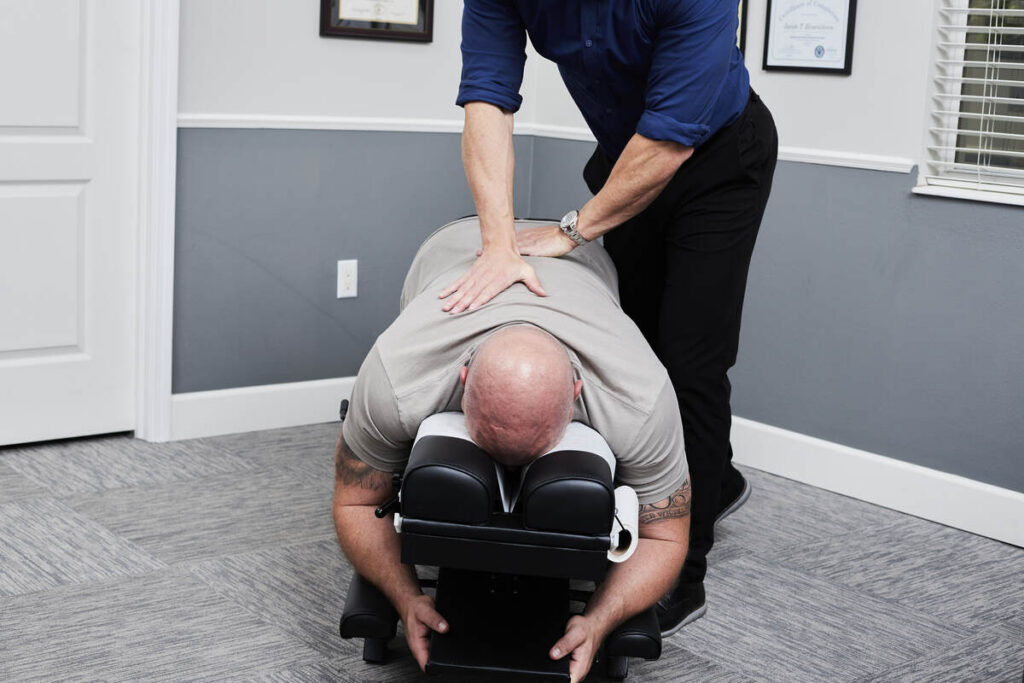

As a local chiropractor, I want to introduce you to the power of gentle remedies that can effectively alleviate your aches without the need for harsh medications. Many people are unaware that there are natural options available, such as herbal teas, essential oils, and simple stretching techniques, that can be integrated into your daily routine to promote healing and comfort.
For instance, sipping on chamomile tea can help relax your body, while the soothing scent of lavender oil may ease tension in both your mind and muscles. These small adjustments can significantly enhance your overall well-being. However, there's much more to a holistic approach than just these remedies.
Incorporating chiropractic care into your life can further support a balanced and pain-free experience. Regular adjustments can improve your spinal health, enhance your body's natural healing abilities, and complement the gentle remedies you choose to use. So, what other practices can you adopt to create a comprehensive plan for your comfort and health? Let's explore together!
Herbal Teas for Relief
As a local chiropractor, I often see patients who are dealing with various aches and pains, and I want to share how herbal teas can be a wonderful addition to your wellness routine. These natural beverages aren't only soothing but can also support your body's healing process.
For example, chamomile tea is a fantastic choice when you're feeling tense. Its calming effects can help reduce muscle tension, making it easier for you to relax and even sleep better—something that's crucial for recovery when you're experiencing discomfort.
If you're looking for something with a bit more kick, consider ginger tea. Its anti-inflammatory properties can be quite beneficial for alleviating pain and soreness, especially if you're dealing with chronic issues.
Peppermint tea is another excellent option. The menthol in peppermint can create a cooling sensation that relaxes sore muscles and can even help with tension headaches. The uplifting aroma can also improve your mood, making it a comforting choice on challenging days.
Lastly, don't forget about turmeric tea. Its active compound, curcumin, is renowned for its powerful anti-inflammatory effects, which can help reduce pain and support joint health.
Incorporating these herbal teas into your daily routine can complement chiropractic care and enhance your overall well-being. Remember, every little bit helps on your journey to feeling your best!
Essential Oils to Soothe
As a chiropractor, I want to share with you the benefits of essential oils as a natural way to soothe your aches and discomfort. Many of my patients have found relief using popular essential oils like lavender and peppermint.
Each of these oils comes with its own unique benefits and can be applied in various ways, such as through diffusers, topical applications, or even in baths.
However, it's crucial to approach the use of essential oils with care. I always emphasize the importance of safety precautions to ensure that you're using them effectively and without any adverse effects.
Incorporating these natural remedies into your wellness routine can complement your chiropractic care and help you achieve a greater sense of balance and relief.
If you're curious about how to integrate essential oils into your healing journey, feel free to ask during your next visit!
Popular Essential Oils
Are you seeking natural ways to alleviate discomfort? As a local chiropractor, I want to share how popular essential oils can complement your wellness journey and enhance your overall healing process.
Take lavender oil, for instance. Its calming properties are well-known, making it an excellent choice for reducing stress and promoting relaxation. This can be particularly beneficial for patients experiencing tension headaches or muscle aches, as it can help ease the tightness that often accompanies these conditions.
Peppermint oil is another essential oil that many people find helpful. Its invigorating scent and cooling effect can help relieve headaches and soothe sore muscles, making it a great addition to your self-care routine, especially after chiropractic adjustments.
Eucalyptus oil is renowned for its revitalizing aroma and can be particularly useful for opening airways and easing respiratory discomfort. This is especially helpful during cold and flu season, as it can support your body in fighting off illness.
For those struggling with inflammation, tea tree oil may be a valuable option. Its natural anti-inflammatory properties can assist in reducing swelling and discomfort, which can be beneficial for various musculoskeletal issues we often address in chiropractic care.
Lastly, chamomile oil is fantastic for promoting restful sleep and relaxation. Quality sleep is crucial for your body's recovery, especially after a chiropractic session, as it allows your muscles and joints to heal properly.
These essential oils not only offer delightful scents but also provide a range of soothing benefits that can be easily integrated into your daily routine.
Whether you choose to use them in a diffuser or blend them with a carrier oil for topical application, exploring these popular oils can help you find the support you need on your journey to wellness.
Embrace these natural remedies and start feeling better today!
Application Methods
As your local chiropractor, I want to share how essential oils can complement your wellness journey and enhance your overall healing experience. Finding the right application method for these oils can amplify their soothing effects and maximize their benefits.
One of the most popular methods is topical application. By diluting essential oils with a carrier oil, such as coconut or almond oil, you can apply them directly to areas of discomfort. This technique allows the oils to penetrate the skin, targeting specific aches and providing relief, which can be especially beneficial for those of you experiencing muscle tension or joint pain.
Inhalation is another effective approach. You can add a few drops of essential oil to a diffuser or a bowl of hot water. Inhaling the aromatic vapors not only promotes relaxation but can also help alleviate tension after a chiropractic adjustment or a long day.
For those of you with busy schedules, I recommend considering essential oil roll-ons or inhalers. These portable options make it easy to carry your favorite oils and apply them as needed throughout the day, offering on-the-go relief.
Additionally, for a more immersive experience, think about adding essential oils to a warm bath. The combination of heat and aroma can soothe both your body and mind, providing a perfect way to unwind after a chiropractic session.
I encourage you to experiment with these methods to discover which ones work best for you. The goal is to seamlessly integrate essential oils into your routine, enhancing your healing process and providing relief whenever you need it.
Safety Precautions
As your local chiropractor, I understand that many of you may be exploring natural healing options to soothe aches and discomfort. One popular choice is essential oils, but it's essential to prioritize safety for the best experience.
Before applying any essential oil, I recommend starting with a patch test on a small area of your skin. This helps you check for any allergic reactions, ensuring that your body responds well. Always remember to dilute essential oils with a carrier oil, such as coconut or jojoba oil, before applying them topically. This not only helps to prevent skin irritation but also aids in better absorption into your skin.
Proper storage is equally important; keep your essential oils in a cool, dark place, far out of reach of children and pets. Some oils can be toxic if ingested, so it's crucial to avoid oral consumption unless you have guidance from a qualified professional. Be particularly cautious with oils that are known to cause sensitivity, such as cinnamon or clove.
If you're pregnant, nursing, or have specific medical conditions, please consult with your healthcare provider before using essential oils.
When diffusing oils, ensure that you're in a well-ventilated space to avoid overwhelming scents.
Lastly, always adhere to the recommended dilution ratios and usage guidelines specific to each oil. By following these safety precautions, you can embrace the soothing benefits of essential oils while minimizing risks and maximizing your comfort on your journey toward natural healing.
Gentle Stretching Techniques
As a chiropractor, I want to share some gentle stretching techniques that can greatly alleviate muscle tension and enhance your flexibility.
These methods aren't only beneficial for your physical health but can also be a valuable part of your self-care routine. By incorporating these stretches into your daily life, you may find yourself feeling more relaxed and experiencing an overall improvement in your well-being.
Let's begin with some simple neck stretches. A common area where tension accumulates is in the neck, especially from daily stress and long periods of sitting. To help with this, gently tilt your head to one side, bringing your ear toward your shoulder.
Hold this position for 15-30 seconds, then switch to the other side. This stretch can help release that built-up tension.
Next, consider trying a seated forward bend. Sit comfortably on the floor with your legs extended in front of you. Take a deep breath in, and as you exhale, lean forward toward your toes.
Go as far as feels comfortable for you without forcing it. Hold this position for 15-30 seconds, and you should feel a gentle stretch in your hamstrings and lower back, which can be very soothing.
For those of you who experience lower back discomfort, I recommend a gentle stretch while lying down. Start by lying on your back with your knees bent and feet flat on the floor.
Bring your knees to your chest and hug them lightly. This position helps relieve discomfort and provides a soothing stretch for your back.
Lastly, let's not overlook the hips, which can often feel tight. Stand with your feet hip-width apart and take a step back with one foot. Bend your front knee while keeping your back leg straight.
Hold this position for 15-30 seconds, then switch sides. This stretch is excellent for opening up your hips and can significantly reduce tightness.
Incorporating these gentle stretches into your routine can lead to noticeable improvements in how your body feels.
As a chiropractor, I emphasize the importance of self-care practices like these for maintaining a healthy and balanced body. Consider making these stretches a regular part of your day!
Mindfulness and Meditation
As a local chiropractor, I want to share how mindfulness and meditation can be invaluable for managing aches and discomfort. By focusing on the present moment through mindfulness practices, you can significantly reduce stress, which often contributes to physical pain.
This approach not only enhances your overall well-being but also complements the chiropractic care you receive.
Incorporating specific meditation techniques into your daily routine can provide immediate relief from tension and promote long-term healing.
These practices, combined with chiropractic adjustments, can help you achieve a more balanced and pain-free life. Embracing mindfulness and meditation is a proactive step towards your health that can empower you on your journey to wellness.
Benefits of Mindfulness Practice
In our fast-paced lives, integrating mindfulness practices into your daily routine can significantly enhance your overall well-being, especially when it comes to supporting your chiropractic care. By being present and fully engaged in each moment, you can foster a soothing effect on both your mind and body.
Here are three key benefits of mindfulness that I encourage you to consider:
- Reduced Stress: As a chiropractor, I often see how stress impacts our physical health. Mindfulness can help lower cortisol levels, the hormone linked to stress. When you practice mindfulness, you cultivate an awareness of the present moment, which can empower you to manage your thoughts and emotions more effectively, ultimately supporting your body's natural healing processes.
- Improved Focus: Regular mindfulness practice can enhance your attention span, which is vital for maintaining good posture and alignment. When you're more focused, you're likely to engage better with your chiropractic exercises and lifestyle adjustments, leading to improved productivity and less distraction from the aches and pains that can arise from poor habits.
- Enhanced Emotional Well-being: Mindfulness fosters greater self-awareness and emotional regulation. By incorporating these practices into your life, you may notice a rise in positive emotions and a reduction in anxiety and depression. This emotional balance is crucial when navigating physical challenges, allowing you to respond to your body's needs with more ease and clarity.
Embracing mindfulness can be a powerful complement to your chiropractic care, promoting a holistic approach to your health and well-being.
Let's work together to incorporate these practices into your healing journey!
Meditation Techniques for Relief
As a local chiropractor, I want to share how meditation techniques can serve as an excellent complement to chiropractic care for relieving physical discomfort and mental strain. By honing in on your breath and focusing your mind, you can cultivate a sense of calm that alleviates tension and mitigates pain.
Let's start with a simple breathing exercise that you can incorporate into your daily routine. Find a comfortable position, close your eyes, and take a deep breath in through your nose. Hold it for a moment before exhaling slowly through your mouth.
Repeat this several times, allowing each breath to ground you in the present moment. This practice not only calms your mind but can also enhance the effectiveness of the adjustments we make during your visits.
Another valuable technique is the body scan meditation. Begin by focusing on your toes and gradually move your attention up through your body. Notice any sensations or areas of tension without judgment, and consciously work to relax those areas.
This process helps you become more aware of your body and promotes relaxation, which can support the healing process we aim for in chiropractic care.
If you prefer a more structured approach, guided meditations can be incredibly beneficial. There are many apps and online resources available that specifically focus on pain relief and relaxation.
By incorporating these guided sessions into your routine, you can improve your resilience to discomfort and better manage aches and strains.
Integrating these meditation techniques alongside your chiropractic treatments can lead to profound relief from both physical and mental challenges. As your chiropractor, I encourage you to explore these practices to enhance your overall well-being and support your journey toward natural healing.
Warm Baths and Compresses
As a local chiropractor, I often emphasize the importance of natural healing methods to alleviate aches and discomfort. One of the simplest yet most effective ways to support your body is through warm baths and soothing compresses. When you immerse yourself in warm water, it not only relaxes your muscles but also increases blood flow, which is essential for healing.
Additionally, enhancing your bathing experience with certain elements can amplify these benefits. Here are three straightforward ways to do just that:
- Epsom Salt: I frequently recommend adding Epsom salt to your warm bath. This mineral-rich compound can help reduce inflammation and relieve muscle tension. The active ingredient, magnesium sulfate, is absorbed through your skin, providing soothing relief to your body.
- Essential Oils: Incorporating essential oils, such as lavender or eucalyptus, into your bathing routine can create a calming atmosphere that supports both your mental and physical health. These oils possess anti-inflammatory properties and can elevate your mood while helping to alleviate pain. Just a few drops in your bath can significantly enhance your relaxation experience.
- Warm Compress: If you're looking for more targeted relief, a warm compress can be a wonderful option. This approach is great for addressing specific areas of discomfort. Simply soak a clean cloth in warm water, wring it out, and apply it to the affected area. This method can effectively relieve tension and promote relaxation in those localized spots.
While warm baths are fantastic for overall relaxation, don't overlook the benefits of a warm compress for focused relief. By integrating these gentle, natural remedies into your self-care routine, you can find comfort and ease without relying on more invasive treatments.
Nutrition and Pain Management
As a local chiropractor, I want to emphasize that finding relief from aches and pains often goes beyond traditional treatments like adjustments and physical therapy. One crucial aspect that many people overlook is the role of nutrition in pain management. What you consume can significantly influence inflammation levels in your body, which in turn affects your pain levels.
Incorporating anti-inflammatory foods into your diet can be a powerful way to reduce discomfort and enhance your overall health. I encourage you to focus on whole, nutrient-rich foods such as leafy greens, berries, fatty fish, nuts, and seeds. These foods are packed with essential vitamins and omega-3 fatty acids, both of which can help fight inflammation and potentially alleviate your pain.
Conversely, it's best to steer clear of processed foods, added sugars, and trans fats, as these can increase inflammation and worsen your symptoms.
Hydration also plays a vital role in your health. Drinking plenty of water supports your body's natural processes and helps eliminate toxins. Herbal teas, particularly those infused with ginger or turmeric, can offer additional anti-inflammatory benefits while keeping you hydrated.
Consider adding spices like turmeric and ginger to your meals. Both spices are renowned for their anti-inflammatory properties and can be beneficial in your journey to pain relief.
If you're interested in exploring further, I recommend discussing with me or another healthcare professional about supplements such as fish oil or curcumin, which may complement your nutrition-focused pain management approach.
Lastly, it's essential to listen to your body. Pay attention to how different foods impact your pain levels. By making thoughtful dietary choices, you can create a nourishing plan that not only fuels your body but also aids in your healing journey.
Together, we can work towards a holistic approach to your well-being that encompasses both chiropractic care and nutritional support.
Sleep and Recovery Strategies
As a local chiropractor, I want to emphasize the importance of quality sleep for your recovery and overall well-being. When you prioritize your sleep, you give your body the chance to heal and alleviate any discomfort you may be experiencing.
Here are three effective strategies that can help improve your sleep quality and enhance your recovery naturally:
1. Create a Relaxing Sleep Environment: Your bedroom should be a sanctuary for rest. Ensure that it's dark, cool, and quiet. You might want to use blackout curtains to eliminate any light, earplugs to block out noise, or a white noise machine to create a soothing background sound.
Investing in a comfortable mattress and supportive pillows can also greatly enhance your sleep experience.
2. Establish a Consistent Sleep Schedule: Aim to go to bed and wake up at the same time every day, including weekends. This consistency helps regulate your body's internal clock, making it easier to fall asleep and wake up feeling rejuvenated.
Be mindful of naps; try to keep them to 20 minutes or less, as longer naps can disrupt your nighttime sleep patterns.
3. Limit Screen Time Before Bed: The blue light emitted from devices such as smartphones, tablets, and computers can interfere with your body's natural sleep cycle.
I recommend turning off these electronic devices at least an hour before bedtime. Instead, consider winding down with a good book or engaging in relaxation techniques like deep breathing or meditation, which can help prepare your mind and body for a restful night.
By incorporating these strategies into your daily routine, you can support your body's healing process and improve your overall sleep quality.
If you have any questions about how chiropractic care can further aid in your recovery, please feel free to ask during your next visit!
Conclusion
As a local chiropractor, I want to share with you some gentle remedies that can play a crucial role in managing your aches and discomfort. Integrating herbal teas into your daily routine can be a soothing way to support your body. Additionally, using essential oils can provide relief and relaxation, enhancing your overall well-being. I also encourage you to practice gentle stretches, which can help improve flexibility and alleviate tension.
It's essential to remember that your nutrition, mindfulness practices, and quality sleep are vital components of your recovery process. These holistic approaches not only help in managing pain but also foster a healthier lifestyle. By embracing these natural healing methods, you can take significant steps toward a more comfortable and vibrant you. Let's work together to explore these options and find what works best for you!