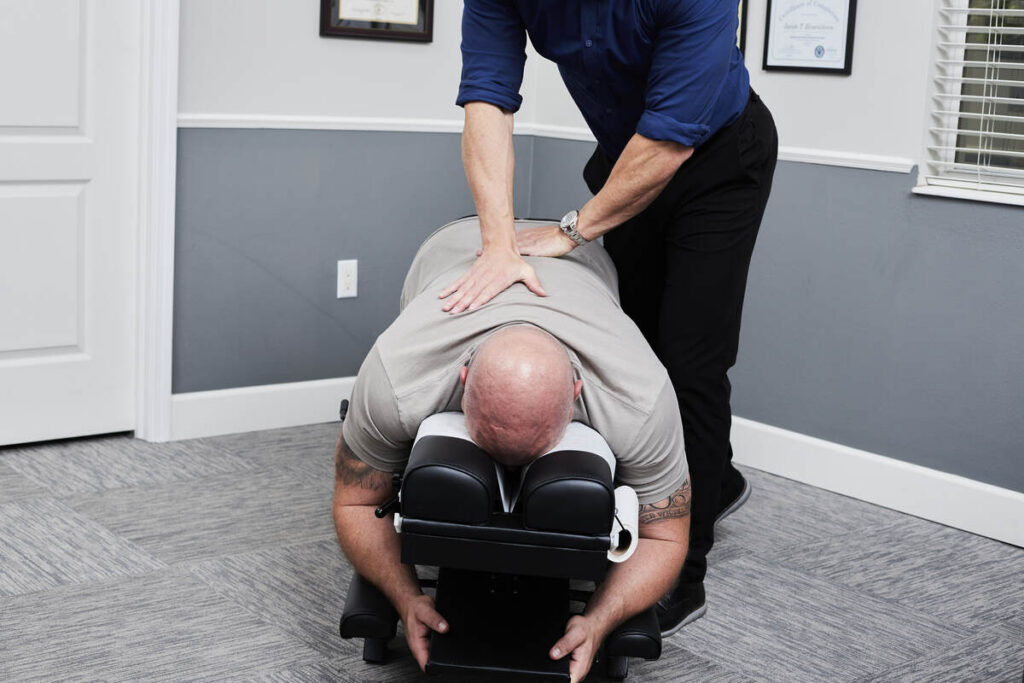

As a local chiropractor, I want to share with you the journey of finding relief from chronic pain. If you're experiencing ongoing discomfort, it's important to recognize that the path to wellness goes beyond just taking medication. Understanding the underlying causes of your pain is crucial, and that's where chiropractic care comes into play.
Chiropractic treatment focuses on restoring alignment in the spine and improving overall body function. Many of my patients discover that a combination of chiropractic adjustments, alternative therapies, and positive lifestyle changes can lead to significant improvements in their pain levels.
But there's more to consider—have you thought about the powerful connection between your mind and body? Incorporating stress management techniques and innovative technologies, such as therapeutic modalities we offer at our clinic, can enhance your healing process.
Together, we can explore these options and work towards finding the key to your lasting relief. Remember, you don't have to navigate this journey alone; I'm here to help you every step of the way.
Understanding Chronic Pain
As a local chiropractor, I want to help you understand chronic pain and how it can impact your life. Chronic pain can linger for months or even years, and it's not just a symptom—it's a complex condition that can fundamentally change how you experience daily activities. You may find that tasks you once considered simple can become significant challenges, and the emotional burden of living with chronic pain can be just as heavy as the physical discomfort itself.
It's essential to recognize that chronic pain often persists beyond the usual healing period. Instead of serving its typical role of signaling injury, it can develop into a condition in its own right. In my practice, I see patients experiencing various types of chronic pain, such as neuropathic pain from nerve damage or nociceptive pain stemming from tissue injury. Both can create a frustrating cycle of discomfort that feels unending, manifesting in ways such as aching, burning, or sharp sensations.
Moreover, living with chronic pain can take a toll on your mental health, potentially leading to anxiety or depression. The connection between your mind and body is intricate, and your emotional well-being can significantly influence your perception of pain.
As you navigate your journey with chronic pain, it's crucial to know that you're not alone. Many individuals face similar challenges, and seeking support—whether through professionals like myself, support groups, or friends and family—can be immensely helpful. Educating yourself about chronic pain is a vital step toward regaining control over your life.
At my chiropractic practice, we focus on natural healing approaches that can aid in managing chronic pain. By understanding your body's mechanics and working together, we can explore effective relief strategies tailored to your needs.
Common Causes of Chronic Pain
As a local chiropractor, I want to help you understand some common causes of chronic pain that you may be experiencing.
Often, chronic pain can arise from past injuries or trauma that have left a lasting impact on your body. Additionally, inflammatory conditions can contribute to ongoing discomfort, making even simple daily activities feel challenging.
Recognizing these underlying issues is crucial for us to work together in finding effective relief strategies.
Chiropractic care focuses on promoting natural healing and restoring balance to your body, which can significantly alleviate chronic pain.
By learning more about these causes, you can take informed steps toward improving your well-being and enhancing your quality of life.
I'm here to support you on this journey to better health!
Injury and Trauma
Injuries and trauma can often be the starting point for ongoing pain that persists even after your body has seemingly healed. When you sustain a significant injury—such as a fracture, sprain, or muscle tear—your body embarks on a complex healing journey.
However, sometimes this healing process doesn't proceed as expected, resulting in chronic pain. As your local chiropractor, I want to help you understand that it's common to experience discomfort long after an injury appears to be resolved.
This ongoing pain can be attributed to factors such as nerve damage, the formation of scar tissue, or alterations in how your body processes pain. Emotional aspects, like anxiety or depression stemming from your injury, can further intensify your pain experience.
It's important to recognize that your pain is valid, even if it feels disconnected from the original injury. Addressing these issues early on can be crucial in preventing chronic pain from establishing itself.
Chiropractic care, which focuses on natural healing methods, can play a vital role in your recovery. Techniques such as spinal adjustments, physical therapy, and lifestyle changes can significantly enhance your healing process.
Remember, you aren't alone on this journey. Understanding the underlying causes of your pain is a key step toward effective relief.
Inflammatory Conditions
As a local chiropractor, I want to take the time to educate you on how inflammatory conditions can lead to persistent pain and discomfort. Many people may not realize that conditions such as arthritis, lupus, and fibromyalgia can cause ongoing inflammation in your body, resulting in chronic pain.
When the immune system mistakenly attacks healthy tissues, it can lead to swelling, stiffness, and pain that may become debilitating over time.
If you find yourself experiencing inflammatory pain, it's essential to recognize the signs. You might experience joint pain, muscle aches, or fatigue that doesn't seem to improve. In such cases, seeking guidance from a healthcare professional is crucial for an accurate diagnosis and personalized treatment plan.
While chiropractic care focuses on the musculoskeletal system, it can be an effective part of a broader strategy to alleviate your symptoms. Chiropractic adjustments may help improve joint function and reduce inflammation, promoting better movement and comfort.
Additionally, we often recommend anti-inflammatory medications, physical therapy, or lifestyle changes that can complement your chiropractic care.
Speaking of lifestyle, diet plays a significant role in managing inflammation. Incorporating anti-inflammatory foods—such as fatty fish, leafy greens, and nuts—into your meals can help reduce pain levels.
I also encourage incorporating low-impact exercises like walking or swimming into your routine, as gentle movement keeps your joints flexible and can enhance your overall well-being.
By understanding the connection between inflammation and chronic pain, you can take proactive steps to manage your health. As you address the root causes of your discomfort, you'll be on your way to finding relief and improving your quality of life through a combination of chiropractic care and healthy lifestyle choices.
Let's work together to achieve your wellness goals!
Traditional Treatment Options
When it comes to managing persistent discomfort, exploring traditional treatment options is an important step, but I want to introduce you to the benefits of chiropractic care and natural healing as effective alternatives. These approaches can significantly enhance your quality of life by addressing the root causes of your pain.
Chiropractic care focuses on the musculoskeletal system, particularly the spine, and aims to restore proper alignment and function. This can help alleviate pain without the reliance on medications. Many patients find relief from conditions such as back pain, neck pain, and headaches through spinal adjustments performed by a qualified chiropractor.
While pain relievers like nonsteroidal anti-inflammatory drugs (NSAIDs) and acetaminophen can provide short-term relief, they often come with side effects and the risk of dependency when used long-term. Instead, chiropractic care offers a drug-free approach to managing pain, allowing your body to heal naturally.
In addition to spinal adjustments, we incorporate physical therapy techniques that focus on strengthening muscles, improving flexibility, and teaching proper body mechanics. This holistic approach not only helps relieve pain but also empowers you to prevent future injuries by understanding your body better.
For certain conditions, we may recommend complementary therapies, such as massage or acupuncture, which can work well alongside chiropractic adjustments to reduce inflammation and improve overall well-being.
If conservative treatment options aren't yielding the relief you seek, we'll collaboratively discuss your situation and explore further options. While surgery is sometimes necessary for severe structural issues, it's often the last resort after natural methods have been considered.
Ultimately, it's essential to have an open dialogue with your chiropractor about your pain management goals and concerns. Together, we can develop a comprehensive plan that prioritizes safety and effectiveness, allowing you to achieve lasting relief and a healthier lifestyle.
Alternative Therapies for Relief
As a local chiropractor, I want to share some insights on how alternative therapies can play a significant role in managing chronic pain.
Many people may not be aware of the benefits of treatments like acupuncture and herbal remedies. Acupuncture, for instance, involves targeting specific points in your body, which can help alleviate discomfort and promote healing.
Additionally, certain herbs have properties that can complement your recovery process. Exploring these natural options could be an important step in your journey toward effective pain management.
If you're curious about how chiropractic care and these alternative therapies can work together, I'm here to guide you on this path to better health.
Acupuncture for Pain Relief
As a local chiropractor, I often see patients struggling with chronic pain who are on the lookout for effective alternatives. One such option that many find beneficial is acupuncture, an ancient practice that involves the insertion of thin needles at specific points on the body to stimulate the flow of energy, known as "qi." Many of my patients report significant reductions in their pain levels after trying acupuncture, making it a valuable tool in managing chronic discomfort.
During a typical acupuncture session, you'll lie comfortably while a trained practitioner skillfully places the needles. While some experience a slight pinch or tingling sensation, most find the process to be quite relaxing. Research indicates that acupuncture can stimulate the release of endorphins, which are your body's natural painkillers, and this might explain the relief many feel afterward.
It's important to note that acupuncture isn't solely for pain relief; it can also aid in stress reduction and enhance your overall well-being. If you're considering this therapy, I encourage you to discuss it with me or another healthcare professional to ensure it fits well with your current treatment plan.
While many individuals experience positive results, outcomes can vary. If you're interested in exploring new ways to manage your pain, acupuncture could be a promising addition to your natural healing toolkit.
Herbal Remedies and Benefits
As a local chiropractor, I want to share with you that managing chronic pain can go beyond traditional treatments like chiropractic adjustments. Herbal remedies can be a valuable part of your pain management toolkit, offering promising benefits that many patients may not be aware of.
Many individuals are looking for natural solutions to alleviate discomfort, and herbs can provide effective options without relying solely on pharmaceuticals. Take turmeric, for example. This powerful herb contains curcumin, known for its anti-inflammatory properties that may help reduce pain and improve mobility.
Similarly, ginger is recognized for its ability to ease muscle soreness and joint pain, making it a great addition to your wellness routine. If you're dealing with headaches or lower back pain, you might find relief with willow bark, often referred to as "nature's aspirin."
Another herb worth considering is boswellia, which may help reduce inflammation and enhance joint function. However, it's crucial to consult with a healthcare professional, like myself, to ensure that these herbal remedies are safe and suitable for your specific condition.
Some herbs can interact with medications or lead to side effects, so personalized recommendations are essential. By incorporating these herbal options into your pain management plan alongside chiropractic care, you can take proactive steps toward improving your overall wellbeing.
Combining traditional methods with natural remedies allows you to explore a holistic approach to finding the relief you seek.
The Role of Nutrition
As a local chiropractor, I want to share with you how essential nutrition is in managing chronic pain and enhancing your overall well-being. Many people may not realize that what you eat can significantly influence inflammation and pain levels in the body. By adopting a balanced diet rich in anti-inflammatory foods, you can alleviate some of your discomfort.
I recommend focusing on incorporating a variety of fruits, vegetables, whole grains, and healthy fats into your meals. For instance, omega-3 fatty acids found in fish like salmon, as well as in walnuts and flaxseeds, are known for their ability to combat inflammation. By including these foods in your diet, you may start to notice a gradual reduction in pain.
Additionally, antioxidants present in berries, leafy greens, and nuts work to protect your cells and help ease inflammation. It's important to be mindful of what you're consuming; processed foods, added sugars, and trans fats can exacerbate inflammation and amplify pain signals. Likewise, keeping your sodium intake in check is vital, as high-sodium diets can lead to water retention, which may increase discomfort.
Don't overlook the importance of hydration. Drinking plenty of water is key to maintaining joint lubrication and ensuring your body functions optimally. Aim for at least eight glasses of water each day to help keep your body well-hydrated.
Lastly, it's crucial to be aware of any food sensitivities or allergies that might be contributing to your pain. Keeping a food diary can be an effective way to identify potential triggers, allowing you to adjust your dietary choices accordingly.
Mind-Body Connection
As a chiropractor, I want to help you understand the vital link between your mind and body, especially when it comes to managing chronic pain. Your thoughts, emotions, and beliefs play a significant role in how you experience pain. When you find yourself feeling stressed or anxious, your body's sensitivity to pain can increase. On the other hand, adopting a positive mindset can aid in healing and reduce discomfort.
Many people don't realize how much your brain and body communicate with each other. This ongoing dialogue is crucial in shaping your pain perception. For example, when you're relaxed or enjoying activities you love, your brain releases endorphins, natural pain relievers that can help lessen your pain. Conversely, if you're dealing with negative emotions, it can heighten your pain experience, creating a challenging cycle to break.
To take advantage of this mind-body connection, I encourage you to explore mindfulness practices as part of your daily routine. Techniques such as meditation, deep breathing exercises, or yoga can promote a sense of calm. These methods not only help to reduce stress but also enable you to focus on the present moment, which can divert your attention from pain.
Additionally, visualizing positive outcomes can be an impactful technique. Imagine yourself engaging in activities that bring you joy, free from pain. This mental imagery can help reshape how your brain responds to discomfort, fostering a more optimistic view of your situation.
Ultimately, recognizing the relationship between your mind and body is essential in your journey towards wellness. By developing a healthier mindset, you can enhance your pain management strategies and improve your overall quality of life. As your chiropractor, I'm here to support you in this holistic approach to healing.
Innovative Technologies in Pain Management
As a local chiropractor, I want to share some exciting advancements in pain management that can greatly enhance your healing journey. One area that's gaining traction is the use of neuromodulation devices. These innovative tools send electrical impulses to specific nerves, effectively reducing your pain levels by interrupting the pain signals before they reach your brain. This non-invasive approach offers a fantastic alternative to traditional pain medications, aligning perfectly with our philosophy of natural healing.
Another remarkable development in pain management is virtual reality (VR) therapy. Imagine being able to immerse yourself in a soothing environment that distracts you from discomfort during treatment. Studies have shown that patients using VR during painful procedures experience lower levels of pain and anxiety. This makes VR a promising option for managing chronic pain, which is something I encourage my patients to explore.
Wearable technology is also making waves in how we monitor and manage pain. Devices that track your physical activity, sleep patterns, and pain levels in real-time can be incredibly beneficial. By analyzing this data, you can identify triggers and patterns that contribute to your discomfort. This information is invaluable when working with me to create a tailored pain management strategy that suits your unique needs.
Additionally, telehealth services have transformed the way you can access pain management support. You can now consult with specialists, including chiropractors like myself, from the comfort of your home. This convenience allows you to receive the guidance and support you need without the hassle of traveling, making it easier to stay on top of your health.
Incorporating these innovative technologies into your pain management plan can empower you and enhance your quality of life. Embracing these advancements not only leads to better pain management outcomes but also helps you take an active role in your healing journey. I'm here to support you every step of the way as we explore these options together.
The Importance of Support Systems
As you explore innovative approaches to pain management, I want to emphasize the crucial role of support systems in your healing journey. At our chiropractic practice, we understand that your emotional and physical well-being is significantly influenced by the network of individuals around you. Having a solid support system can enhance your experience as you navigate the challenges of chronic pain.
Let's discuss the benefits of fostering a strong support network:
- Emotional Support: Surrounding yourself with friends and family who can listen and empathize can help diminish feelings of isolation that often accompany chronic pain.
- Practical Assistance: Whether it means running errands or helping with daily activities, having someone to assist you can reduce your overall stress levels and allow you to focus on your recovery.
- Shared Experiences: Connecting with others who face similar challenges can provide validation and introduce you to new coping strategies that you may not have considered.
- Accountability: A supportive friend or family member can encourage you to stick to your chiropractic treatment plan, helping you stay motivated on your path to healing.
- Resource Sharing: Your support network can inform you about effective treatments or therapies they've found beneficial, which may complement your chiropractic care.
By integrating these aspects into your daily life, you can enhance your overall pain relief strategy.
While advocating for your health is essential, remember that you don't have to embark on this journey alone. Engaging with others who understand your experiences can foster a sense of community and empowerment.
Personalizing Your Pain Relief Plan
Creating a personalized pain relief plan is essential for effectively managing chronic pain, and as your local chiropractor, I'm here to guide you through this process. Each person's experience with pain is unique, so it's crucial to tailor your approach to your specific needs.
Let's start by identifying your pain triggers and patterns. I recommend keeping a journal to note when your pain flares up and what activities or situations may contribute to it. This information will be invaluable in customizing your pain relief strategy.
Next, we can explore various pain relief options that are available through chiropractic care. There's no one-size-fits-all solution, so we can look into a combination of treatments. Chiropractic adjustments can help realign your spine and relieve pressure on nerves, which may significantly reduce pain.
Additionally, I may suggest therapies such as physical rehabilitation exercises, massage therapy, or even lifestyle changes that support your healing journey.
Incorporating self-care practices into your daily routine is also important. Regular movement, even gentle exercises like yoga or walking, can greatly alleviate pain levels. Techniques such as mindfulness, meditation, and deep-breathing exercises can help you manage stress and enhance your overall well-being.
Remember, it's perfectly fine to adjust your pain relief plan as needed. Chronic pain can evolve over time, and what works for you today might change tomorrow.
I encourage you to regularly check in with yourself and keep an open line of communication with me. Together, we can evaluate your progress and make any necessary modifications to ensure that you're on the path to feeling your best.
Conclusion
As a local chiropractor, I want to share with you the importance of a personalized approach in managing chronic pain. Many of my patients are surprised to learn that chiropractic care is just one part of a holistic strategy for relief. By exploring not only spinal adjustments but also alternative therapies and lifestyle modifications, you can find the best combination for your unique situation.
Don't overlook the significant role that nutrition and mindfulness can play in your healing journey. Incorporating these elements alongside chiropractic adjustments can enhance your overall well-being. Additionally, utilizing technology can help track your progress and manage pain more effectively.
Building a strong support system is essential, too. Surround yourself with individuals who understand your journey and keep open lines of communication with your healthcare providers, including your chiropractor. With dedication and the right strategies, you can unlock the potential for relief from chronic pain and take steps toward reclaiming your life. Remember, I'm here to guide you through this process and help you discover the natural healing solutions that work best for you.