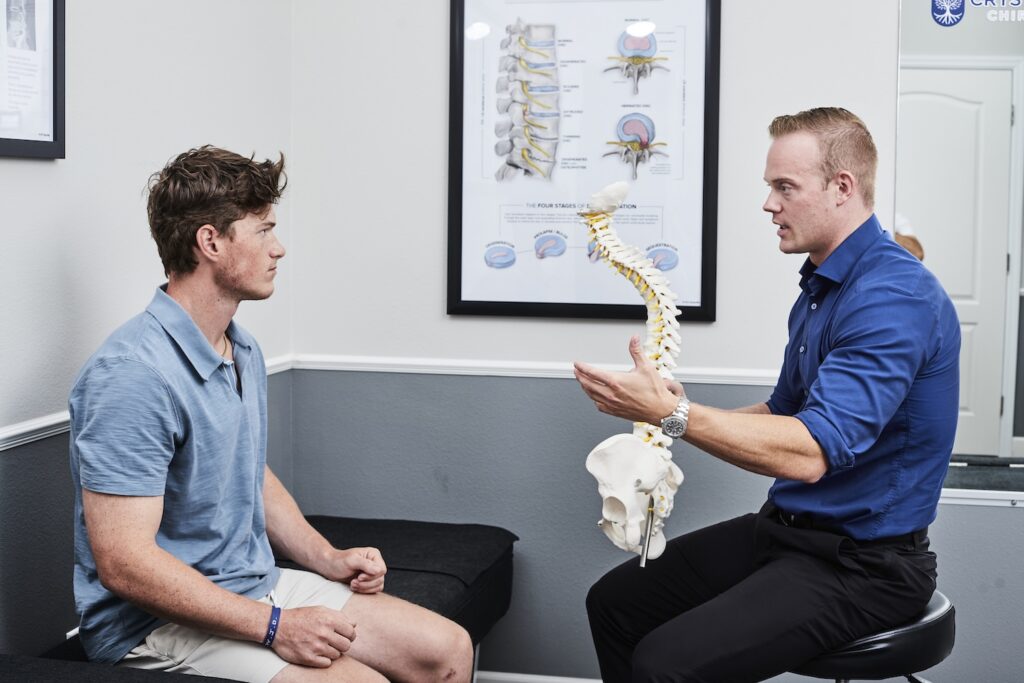
You've probably noticed that your daily habits shape your overall health more than you realize. By taking a closer look at what you eat, how you move, and even how you think, you can start to make meaningful changes. It's not just about the scale or gym routines; it's about crafting a lifestyle that supports both your body and mind. So, what's holding you back from starting this journey? Understanding the steps you need to take could be the key to revealing a healthier tomorrow. Let's explore how you can begin to break down those barriers.
Understanding Your Current Habits
Understanding your current habits is the first step toward a healthier tomorrow. You can't change what you don't recognize. Take a moment to reflect on your daily routines. What do you eat for breakfast? How often do you exercise? Do you reach for snacks when you're bored? These small choices accumulate, shaping your overall health.
Start by keeping a journal for a week. Jot down everything you eat and drink, along with your physical activity. This will give you a clear picture of your habits. You might notice patterns you weren't aware of, like mindless snacking while watching TV or skipping meals. Identifying these behaviors is essential, as they often contribute to unhealthy outcomes.
Next, think about your emotional triggers. Do you eat when you're stressed or anxious? Understanding the reasons behind your choices can empower you to make better decisions. Maybe you find comfort in sugary treats during tough times; recognizing this allows you to seek healthier alternatives.
Also, evaluate your sleep and hydration habits. Are you getting enough rest? Are you drinking enough water? Both factors are important for maintaining a healthy lifestyle. Poor sleep and dehydration can lead to cravings and fatigue, making it harder to stick to your goals.
Setting Realistic Health Goals
Now that you've gained insight into your current habits, it's time to set realistic health goals that align with the changes you want to make. Start by identifying specific areas you want to improve, whether it's increasing exercise, reducing stress, or getting better sleep. Break these down into smaller, achievable goals. For instance, instead of aiming to exercise five times a week right away, try committing to two or three sessions at first.
Next, make your goals measurable. Instead of saying, "I want to eat healthier," specify what that means for you. You could aim to include a vegetable in every meal or to swap soda for water. This way, you can track your progress and celebrate small victories along the way.
Keep your timeline in mind. Setting a goal to lose weight can feel overwhelming if you think about how long it may take. Instead, focus on losing one to two pounds a week, which is sustainable and healthy. This approach keeps you motivated and less likely to give up.
Lastly, be flexible. Life can throw unexpected challenges your way, and that's okay. If you miss a workout or indulge a little too much, don't beat yourself up. Instead, reassess and adjust your goals as needed.
Nutrition: Fueling Your Body
When it comes to fueling your body, understanding balanced meal components is key to your health.
Don't underestimate the importance of hydration, as it plays a vital role in your overall well-being.
Plus, timing your nutrient intake can enhance your performance and recovery, making every bite count.
Balanced Meal Components
Creating a balanced meal is all about bringing together the right components to fuel your body effectively. You'll want to include a mix of macronutrients: carbohydrates, proteins, and fats. Each plays an essential role in your health.
Start with carbohydrates. They're your body's primary energy source, so choose whole grains, fruits, and vegetables. These options provide not only energy but also vital vitamins and minerals.
Next, incorporate proteins. Fish, lean meats, beans, and nuts help repair tissues and support immune function. Aim for a variety of sources to guarantee you're getting all essential amino acids.
Don't forget healthy fats! Avocados, olive oil, and fatty fish can improve heart health and keep you feeling satisfied.
Finally, include a colorful array of vegetables. They're packed with fiber and phytonutrients that support overall wellness.
When you plate your meal, think about portion sizes too. A good rule of thumb is to fill half your plate with vegetables, a quarter with protein, and a quarter with carbohydrates.
Importance of Hydration
Hydration is essential for ideal health and plays a significant role in how well your body functions. Staying properly hydrated helps maintain your body's temperature, lubricates your joints, and protects your organs.
It's imperative for transporting nutrients and oxygen to cells, which keeps your energy levels up.
When you're even slightly dehydrated, you might experience fatigue, headaches, or reduced concentration. This can impact your daily activities and overall well-being.
To avoid dehydration, aim to drink water throughout the day, not just when you feel thirsty. It's especially important to hydrate before, during, and after exercise, as physical activity increases your body's fluid needs.
You might also consider incorporating hydrating foods into your diet, such as fruits and vegetables. Foods like watermelon, cucumber, and oranges can supplement your fluid intake and provide essential nutrients.
Nutrient Timing Strategies
Nutrient timing is a game-changer for fueling your body effectively. By strategically planning when you consume macronutrients, you can optimize your energy levels, performance, and recovery.
Focus on three key windows: pre-workout, during workout, and post-workout.
Before hitting the gym, eat a balanced meal rich in carbohydrates and protein about 1-2 hours prior. This'll give you the energy you need to crush your workout.
If you're in a rush, a quick snack like a banana or a protein shake 30 minutes before can do the trick.
During your workout, especially if it's intense or lasts longer than an hour, consider sipping on a sports drink or consuming a quick source of carbs to maintain energy levels.
Post-workout, your body craves nutrients to recover and rebuild. Aim to eat a meal containing protein and carbohydrates within 30-60 minutes after exercising.
This helps your muscles repair and glycogen stores replenish.
The Importance of Exercise
Exercise isn't just about staying fit; it plays an essential role in your physical health, mental wellbeing, and social life.
When you get moving, you boost your energy and mood while connecting with others.
Embracing an active lifestyle can lead to a healthier, happier tomorrow.
Physical Health Benefits
Staying active is essential for maintaining your physical health and overall well-being. Regular exercise strengthens your heart and lungs, improving your cardiovascular health. When you engage in physical activity, you enhance your blood circulation, which helps deliver oxygen and nutrients to your muscles and tissues more efficiently. This boost in circulation can lead to increased energy levels, allowing you to tackle daily tasks with greater ease.
Additionally, exercise plays a vital role in weight management. By burning calories and building muscle, you can achieve and maintain a healthy weight. Plus, physical activity can greatly lower your risk of chronic diseases such as diabetes, hypertension, and certain types of cancer.
Strength training, in particular, increases your metabolism, making it easier to manage your weight long-term. You'll also notice improvements in your flexibility and balance, which can reduce the risk of falls and injuries as you age.
Ultimately, committing to a regular exercise routine not only enhances your physical health but also lays a solid foundation for a more active and fulfilling life.
Mental Wellbeing Boost
Engaging in regular physical activity doesn't just benefit your body; it greatly enhances your mental wellbeing too. When you exercise, your brain releases endorphins, those feel-good chemicals that can lift your mood and reduce stress. Just a brisk walk or a quick workout can make a noticeable difference in how you feel.
You might find that after a session at the gym or a jog around the park, your mind is clearer and your focus sharper. Exercise helps combat anxiety and depression, giving you a natural boost in resilience against daily challenges. It's not just about the physical gains; it's about creating a positive mindset.
Moreover, incorporating movement into your routine can improve your sleep quality. Better sleep leads to improved cognitive function, allowing you to tackle tasks with greater efficiency.
Social Connection Opportunities
When you head out for a workout, you're not just boosting your physical health; you're also opening doors to social connections that can enrich your life. Exercise often brings people together, whether it's in a gym, a yoga class, or a local running group. Engaging with others who share your fitness goals can create a sense of camaraderie and support that enhances your motivation.
Joining group activities allows you to meet new friends, share experiences, and even learn new skills. You might find a workout buddy who pushes you to go the extra mile or a supportive community that celebrates your achievements. These connections can lead to meaningful relationships that extend beyond the gym.
Additionally, social interaction during exercise can alleviate feelings of loneliness and isolation. It provides a sense of belonging, which is essential for mental well-being.
Consider participating in team sports, group classes, or community events—these are excellent platforms for establishing connections.
Prioritizing Mental Wellness
Mental wellness is essential for leading a fulfilling life, yet it often takes a backseat in our busy routines. You might find yourself overwhelmed with work, family, and social obligations, leaving little room for your mental health.
Prioritizing mental wellness isn't just a luxury; it's a necessity for a balanced life. Here are some vital steps you can take to nurture your mental well-being:
- Practice mindfulness: Spend a few minutes each day focusing on your breath or engaging in meditation.
- Set boundaries: Learn to say no to commitments that drain your energy and time.
- Engage in physical activity: Regular exercise releases endorphins, helping to improve your mood.
- Limit screen time: Reduce exposure to social media and news that may contribute to anxiety.
- Pursue hobbies: Dedicate time to activities that bring you joy and fulfillment.
Building a Support System
Everyone needs a strong support system to navigate life's challenges effectively. Building this network starts with identifying the people who genuinely care about your well-being. Think about family, friends, colleagues, or even mentors who inspire you. These relationships can provide emotional support, encouragement, and practical advice when you need it most.
Next, don't hesitate to reach out and communicate your needs. Share your goals and challenges with your support system. You might be surprised by how willing they're to help. Encourage open dialogue; this fosters a sense of trust and understanding. When you express what you're going through, it invites others to share their experiences, creating a reciprocal support dynamic.
Also, consider joining groups or communities that align with your interests or challenges. Whether it's a fitness class, a book club, or a support group, these environments can offer connections with individuals who share similar goals or struggles.
Remember, it's not just about receiving support; it's equally important to give back. Be there for others when they need help, too. This mutual exchange strengthens relationships and builds a more resilient network.
Lastly, be open to new connections. Sometimes, the most unexpected friendships can become your strongest sources of support. Embrace vulnerability and allow yourself to lean on others. By doing so, you'll cultivate a nurturing environment that fosters growth and resilience, making it easier to tackle life's ups and downs together.
Creating a Daily Routine
Establishing a strong support system is just one part of creating a healthier tomorrow; a structured daily routine is another. By implementing a consistent routine, you'll find it easier to stay on track with your health goals. A well-defined schedule can help you prioritize vital activities, reducing stress and increasing productivity.
Here's how to create a daily routine that works for you:
- Start your day early: Waking up at the same time each day sets a positive tone and gives you time to plan.
- Incorporate exercise: Whether it's a morning jog or a yoga session, making time for physical activity boosts your mood and energy levels.
- Plan your meals: Preparing healthy meals in advance helps you avoid unhealthy choices and saves time during busy days.
- Set aside time for relaxation: Balancing work and leisure is essential for maintaining mental health. Schedule short breaks to recharge.
- Review your day: At the end of each day, take a moment to reflect on what you accomplished and where you can improve.
Creating a daily routine isn't just about filling your calendar; it's about building habits that support your well-being. Stick to your schedule as closely as possible, but don't be too hard on yourself if things don't go as planned.
Flexibility is key. Over time, you'll notice the positive impact a structured routine can have on your life, making it easier to achieve your health goals and ultimately lead a healthier tomorrow.
Tracking Your Progress
To effectively achieve your health goals, tracking your progress is essential. It gives you a clear picture of where you stand and highlights the areas needing improvement. Start by setting specific, measurable goals. Whether it's losing weight, building muscle, or improving endurance, write down your objectives. This initial step sets the foundation for your tracking journey.
Next, choose a method that works for you. You might prefer a traditional journal, a digital app, or even a spreadsheet. The key is consistency. Record your daily activities, such as workouts, meals, and hydration. By doing this, you'll notice patterns and identify what's working or what's not.
Regularly review your data. Set aside a time each week to analyze your progress. Are you hitting your goals? If not, don't be discouraged. Use this moment to adjust your routine. Maybe you need to tweak your diet, increase workout intensity, or change your schedule slightly.
Celebrate small victories, too! Acknowledge every step you take toward your goals. This boosts your motivation and reinforces positive behavior.
Lastly, keep in mind that tracking isn't just about numbers. It's about understanding your journey and making informed decisions. Your insights will empower you to navigate challenges and stay on course.
Staying Motivated and Inspired
Staying motivated and inspired on your health journey can feel challenging at times, especially when facing obstacles. However, keeping your spirits high is essential for achieving your goals.
Here are some strategies to help you stay on track and inspired:
- Set realistic goals: Break your larger goals into smaller, manageable milestones. This makes them more achievable and gives you a sense of accomplishment.
- Celebrate your successes: No matter how small, take time to acknowledge your achievements. Celebrating progress reinforces your commitment and boosts your motivation.
- Surround yourself with positivity: Engage with supportive friends, family, or health-focused communities. Their encouragement can uplift you during tough times.
- Find inspiration: Read success stories or watch motivational videos. Learning about others' journeys can reignite your passion and remind you that you're not alone.
- Mix up your routine: Keep your workouts fresh and exciting by trying new activities. This prevents boredom and helps you stay engaged in your pursuit of health.
Conclusion
By embracing these holistic practices, you can crack your way to a healthier tomorrow. Reflect on your habits, set achievable goals, and nourish your body with balanced nutrition. Don't underestimate the power of exercise and mental wellness in your journey. Surround yourself with supportive people, establish a daily routine, and track your progress. Celebrate each small victory to stay motivated. Remember, every step you take brings you closer to a happier, healthier you.