As a local chiropractor, I want to help you understand how to effectively conquer muscle strain and back pain. Many people are often surprised to discover that common everyday activities can lead to discomfort in their backs. Recognizing the early symptoms of strain is crucial, and I encourage you to pay attention to your body’s signals.
Implementing natural relief techniques can significantly aid in your recovery journey. You may be wondering what steps you should take next to alleviate your pain and prevent future issues. Let’s discuss some practical solutions that can help you not only find relief but also maintain a healthy back in the long run. Remember, your body is resilient, and with the right approach, you can overcome these challenges.
Understanding Muscle Strain and Back Pain
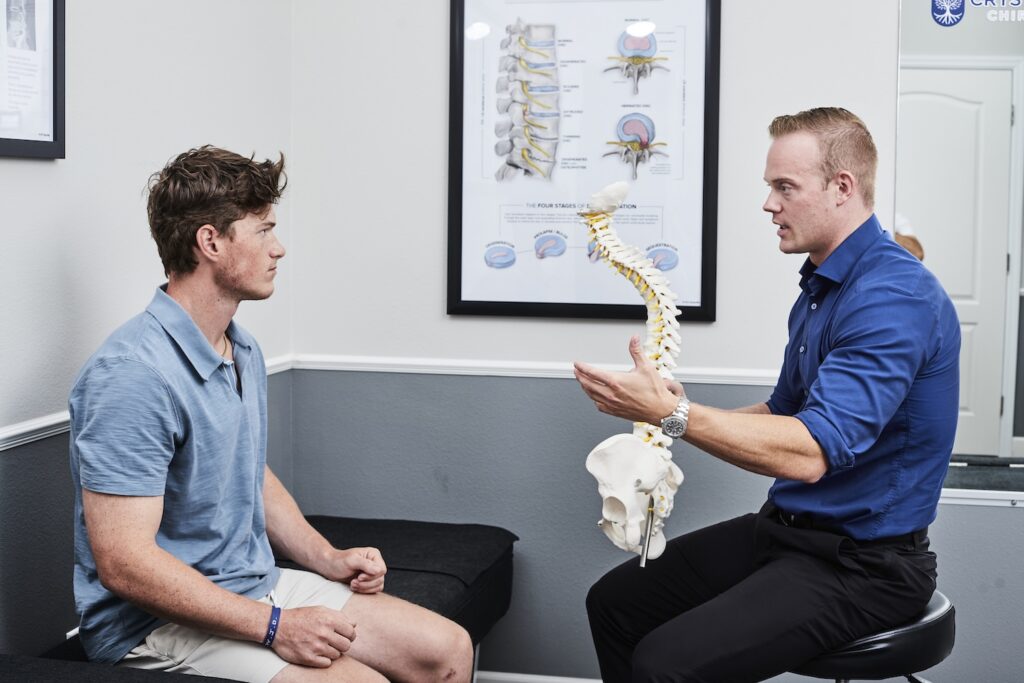
As a local chiropractor, I want to help you understand how muscle strains can lead to back pain and how you can manage it naturally. When you lift something heavy or twist in an awkward way, it’s common to experience a muscle strain. This occurs when the fibers in your muscles stretch too far or even tear, often due to sudden movements or overexertion. The result? Discomfort that can significantly impact your daily activities.
You might notice symptoms such as sharp pain, stiffness, or even muscle spasms in your back. These sensations can disrupt your routine, making it challenging to sit, stand, or move comfortably. It’s crucial to recognize how muscle strain affects your back to facilitate an effective recovery.
Listening to your body is key. Avoid the temptation to push through the pain; instead, focus on gentle, restorative practices. Rest, ice, and light stretching can work wonders in alleviating discomfort. By identifying the signs of a muscle strain early on, you can take proactive steps to manage your pain and reduce the risk of future injuries.
As your chiropractor, I’m here to guide you through natural healing techniques that promote recovery and maintain your overall spinal health. Remember, it’s essential to prioritize your well-being by taking care of your back and understanding the importance of proper movement.
Together, we can work towards a pain-free life.
Common Causes of Muscle Strain
As a local chiropractor, I want to help you understand that muscle strain is a common issue that can arise from both daily habits and unexpected incidents.
Many people don’t realize that maintaining poor posture while sitting or standing, or pushing your body too hard during physical activities, can lead to significant discomfort and strain on your muscles.
Additionally, sudden movements or falls can catch you off guard, resulting in muscle strain that may linger and affect your overall well-being.
It’s important to be mindful of how you move and care for your body to prevent these strains, and chiropractic care can offer natural healing solutions to help you recover and maintain your muscle health.
Poor Posture Habits
As a chiropractor, I often see the effects of poor posture habits on my patients’ musculoskeletal health. Many of you may not realize that spending long hours hunched over a computer or slouched on the couch can lead to significant muscle strain.
When your body isn’t properly aligned, your muscles have to work overtime to support you, which can result in tightness and discomfort in areas such as your back, neck, and shoulders.
Often, people don’t notice this strain until it becomes painful, which is why it’s essential to be proactive about your posture. Simple changes, like sitting up straight and utilizing ergonomic furniture, can create a lasting impact on your overall well-being.
Additionally, remember to take regular breaks and incorporate stretching into your routine to help relieve tension in your muscles.
By becoming more aware of your posture and making small, mindful adjustments, you can prevent muscle strain and promote a healthier back. Your body will truly thank you for these efforts, not just in avoiding pain but in enhancing your overall quality of life.
If you’re ever in doubt about your posture or experiencing discomfort, don’t hesitate to reach out for guidance on how chiropractic care can support your journey to better health.
Overexertion During Activities
As a local chiropractor, I want to emphasize the importance of listening to your body during physical activities. Overexertion can quickly result in muscle strain, particularly if your body isn’t accustomed to the demands you’re placing on it.
Understanding the common causes of overexertion is vital for preventing injuries and maintaining your overall health. Here are four factors to keep in mind:
- Insufficient Warm-Up: Always take the time to warm up your muscles before engaging in any physical activity. A proper warm-up prepares your body and can significantly reduce the risk of injury.
- Lack of Conditioning: It’s essential to gradually build your fitness level for the activities you participate in. If you’re not physically prepared, the risk of strain and injury increases.
- Exceeding Your Limits: Be mindful of your capabilities. Pushing yourself too hard can lead to overuse injuries, which may take longer to heal and can hinder your progress.
- Ignoring Fatigue: Pay attention to how your body feels. Continuing to push through fatigue can negatively impact your form and increase the likelihood of strain.
By being aware of these factors and taking proactive steps to address them, you can help safeguard your body against injuries and promote a healthier, more active lifestyle.
If you experience any discomfort or pain, don’t hesitate to reach out for chiropractic care to support your recovery and overall wellness.
Sudden Movements or Falls
As a local chiropractor, I want to share some important insights about the impact of sudden movements and unexpected falls on your body. Even when you think you’re being careful, these quick, unplanned actions can surprise you and lead to muscle strain.
For example, one moment you might be reaching for something, and the next, you could twist awkwardly or stumble. These swift movements can place significant stress on your muscles and ligaments, particularly in your back.
Many people don’t realize that even a small misstep can result in discomfort or pain that lingers. To help prevent these issues, I encourage you to practice proper lifting techniques and always stay aware of your surroundings as you go about your day.
If you do find yourself in a situation where you fall or twist suddenly, it’s important to pause and assess how your body feels.
Early intervention is key. Simple actions like resting and gentle stretching can aid in your recovery and help prevent future strains.
Recognizing the Symptoms of Muscle Strain
As your local chiropractor, it’s important to help you recognize the early signs of a muscle strain.
When you experience a strain, you may notice symptoms such as pain, stiffness, and swelling. These can manifest in varying degrees, and being aware of them is crucial for your recovery.
By understanding these signs, you can take proactive steps to promote healing naturally, and I’m here to guide you through that process.
Common Symptoms to Identify
As a local chiropractor, I want to help you understand how to recognize the common symptoms of a muscle strain, which can significantly impact your daily life.
Being aware of these signs is crucial for effective treatment and natural healing. Here are four key symptoms you should keep an eye on:
- Pain: You may experience either sharp or dull pain in the affected area, particularly when you move. This discomfort is your body’s way of signaling that something isn’t right.
- Swelling: Pay attention to any noticeable swelling or inflammation around the injured muscle. This can be a clear indicator of injury and shouldn’t be ignored.
- Stiffness: Limited range of motion can occur, making it difficult to move comfortably. This stiffness can hinder your daily activities and overall well-being.
- Bruising: Look for any discoloration on the skin, as this may indicate damage to the muscle tissue. Bruising is another sign that your body is responding to an injury.
If you notice any of these symptoms, it’s essential to address them promptly.
Our chiropractic care focuses on natural healing methods to help you recover more quickly and effectively.
Don’t hesitate to reach out for guidance and support on your journey to better health!
Severity Levels Explained
As your local chiropractor, I want to help you understand the severity of muscle strains so you can make informed decisions about your recovery.
Muscle strains can be categorized into three levels: mild, moderate, and severe.
With a mild strain, you may experience slight discomfort and a limited range of motion. This is often something you can manage at home by resting the affected area and applying ice.
A moderate strain, on the other hand, tends to bring about more significant pain, swelling, and some loss of function. In these cases, taking a few days to rest is crucial, and you might also benefit from physical therapy to help restore your strength and mobility.
Severe strains are a different story. They involve complete tears of the muscle, leading to intense pain and considerable impairment. If you find yourself in this situation, it’s important to seek medical attention right away.
By recognizing these different severity levels, you can better address your muscle strain and enhance your recovery journey.
As a chiropractor, I’m here to provide you with natural healing options and guidance tailored to your specific needs.
Immediate Relief Techniques for Back Pain
As a local chiropractor, I understand how debilitating back pain can be, and I want to share some immediate relief techniques that can help you feel better right away.
These methods are simple and effective, and they align well with natural healing practices. Here are four strategies you can implement now:
- Apply Ice: Start by using an ice pack on the painful area for about 15-20 minutes. This approach helps minimize inflammation and provides a numbing effect that can temporarily alleviate discomfort.
- Take Over-the-Counter Pain Relievers: If you’re seeking quick relief, consider nonsteroidal anti-inflammatory drugs (NSAIDs) like ibuprofen. These can be effective in managing pain and reducing swelling, making it easier for you to move around.
- Practice Deep Breathing: Incorporate deep breathing exercises into your routine. Taking slow, deep breaths can help calm your mind and relax your body, which is beneficial for reducing tension in your back muscles.
- Reposition Yourself: Pay attention to your posture. Finding a comfortable position can make a significant difference. For instance, lying on your side with a pillow between your knees can alleviate pressure on your back and promote better alignment.
These techniques are just the beginning.
If you continue to experience discomfort, I encourage you to consider chiropractic care, which focuses on natural healing and restoring balance to your body.
Your journey to relief and wellness can start today!
Effective Stretching Exercises for Recovery
As a local chiropractor, I want to emphasize the importance of stretching in your recovery journey from back pain. Stretching isn’t just about flexibility; it plays a crucial role in reducing muscle tension and enhancing your overall well-being.
By incorporating specific stretching techniques tailored to your needs, you can effectively target and alleviate discomfort in those troublesome areas.
It’s important to remember that frequency and duration matter when it comes to stretching. I encourage you to make stretching a regular part of your daily routine to maximize its benefits.
This simple practice can significantly support your recovery and help you regain your mobility. If you have any questions about which stretches might be best for you, don’t hesitate to reach out — I’m here to guide you on your path to natural healing.
Importance of Stretching
As a local chiropractor, I often see patients who are unfamiliar with the profound benefits of incorporating effective stretching exercises into their daily routine, especially when it comes to recovering from back pain.
Stretching isn’t just about flexibility; it’s a crucial part of the healing process that can significantly enhance your overall well-being. Here are four key benefits you can expect when you make stretching a regular habit:
- Improved Flexibility: Regular stretching increases your range of motion, which makes everyday activities—like bending down to tie your shoes or reaching for something on a high shelf—much easier and more comfortable.
- Reduced Muscle Tension: One of the primary causes of discomfort and pain is tight muscles. Stretching helps to release this tension, leading to a reduction in pain and discomfort throughout your day.
- Enhanced Blood Circulation: When you stretch, you promote better blood flow to your muscles. This improved circulation carries vital nutrients that aid in the recovery process, allowing your body to heal more efficiently.
- Stress Relief: Stretching isn’t only physical; it also provides mental benefits. It helps you unwind and relax, which can lower overall stress levels. Lower stress can reduce muscle tension and contribute to a more comfortable lifestyle.
By incorporating these stretching exercises into your routine, you can take significant steps toward achieving a healthier, pain-free back.
As your chiropractor, I encourage you to explore these practices as part of your journey to natural healing and overall wellness.
Targeted Stretching Techniques
As a local chiropractor, I want to share how incorporating targeted stretching techniques into your daily routine can significantly aid in your recovery from back pain.
It’s important to focus on stretches that specifically address your back and the surrounding muscles. One effective stretch to consider is the cat-cow stretch; this movement not only enhances flexibility but also helps relieve tension in your spine.
Another beneficial stretch is the child’s pose, which promotes relaxation and alleviates muscle tightness throughout your back.
Additionally, the seated forward bend is an excellent choice for stretching your lower back while contributing to better overall posture. Don’t overlook the piriformis stretch, which targets the hips and can help reduce pressure on your lower back.
I recommend holding each stretch for 15-30 seconds while practicing deep breathing to maximize the benefits.
Remember, consistency is crucial; making these stretches a regular part of your routine will help you achieve a stronger, more resilient back.
Embracing these natural healing techniques can complement your chiropractic care and lead to lasting relief from pain.
Frequency and Duration
As a local chiropractor, I want to emphasize the importance of incorporating stretching exercises into your daily routine to aid in your recovery from back pain.
Understanding the role of frequency and duration in your stretching practice can significantly enhance your flexibility and overall well-being. Here are some tips to help you get started:
- Stretch Daily: I recommend dedicating at least 10-15 minutes each day to stretching. This commitment will help you maintain and improve your flexibility, which is crucial for a healthy back.
- Listen to Your Body: It’s essential to pay attention to how your body feels during stretching. If you experience any pain, please ease off and adjust your position to avoid injury.
- Hold Each Stretch: For optimal results, hold each stretch for about 20-30 seconds. This duration allows your muscles to relax and lengthen, promoting better flexibility over time.
- Combine with Strengthening: In addition to stretching, incorporating strengthening exercises 2-3 times a week can provide crucial support for your back.
Strengthening the muscles around your spine can enhance stability and reduce pain.
By integrating these practices into your routine, you can foster a healthier, more resilient back.
If you have any questions or need personalized guidance, feel free to reach out!
Strengthening Your Back Muscles
As a local chiropractor, I want to emphasize the importance of strengthening your back muscles for maintaining optimal posture and preventing discomfort. Strong back muscles play a crucial role in supporting your spine, which helps alleviate strain during everyday activities.
To enhance your back strength, consider incorporating exercises such as rows, deadlifts, and planks into your fitness routine. These exercises effectively target different muscle groups in your back, promoting overall strength and stability.
You don’t necessarily need advanced equipment to achieve results; bodyweight exercises can be incredibly effective as well. Incorporate movements like push-ups, supermans, and reverse flys to actively engage and strengthen your back muscles.
I recommend aiming for two to three sessions per week, progressively increasing the intensity and repetitions to challenge your muscles.
Additionally, stretching is essential for maintaining muscle health and flexibility, which can help prevent injuries. Simple stretches, such as the child’s pose or cat-cow, are excellent for keeping your back muscles limber.
Always listen to your body. If something feels off or uncomfortable during your exercises, it’s important to adjust your approach.
The Role of Posture in Back Pain Prevention
As a local chiropractor, I often see patients who underestimate the significant role posture plays in their overall back health. It’s crucial to understand that maintaining proper alignment is key to preventing back pain and discomfort. Good posture not only helps distribute your body weight evenly, but it also minimizes strain on your spine.
Here are some essential tips to help you improve your posture and protect your back:
- Sit Up Straight: When you’re seated, focus on keeping your back straight and your shoulders relaxed. Make sure your feet are flat on the floor to promote better alignment.
- Stand Tall: When standing, aim to align your ears, shoulders, and hips in a straight line. This posture prevents slouching, which can lead to discomfort over time.
- Use Supportive Furniture: Invest in chairs and desks that encourage good posture, especially if your job requires long hours of sitting. Supportive furniture can significantly reduce the risk of back pain.
- Strengthen Core Muscles: Engaging in exercises that strengthen your core muscles is vital. A strong core provides better support for your spine and helps you maintain proper posture throughout your daily activities.
By integrating these practices into your routine, you can take significant steps toward preventing back pain and enhancing your overall well-being.
When to Seek Professional Help
As a local chiropractor, I want to help you understand when it’s important to seek professional assistance for your back pain. Even if you maintain good posture and take preventive measures, there may be times when your back pain becomes persistent or intense. This can be a clear sign that it’s time to consult a healthcare professional like me.
If you notice that your pain isn’t improving after a few days of rest and self-care, please don’t hesitate to reach out. It’s crucial to be aware of specific symptoms, such as numbness, tingling, or weakness in your legs, as these could indicate nerve involvement that requires attention.
Additionally, if you experience severe pain following an injury, seeking immediate care is vital.
Moreover, if your back pain is affecting your daily activities or disrupting your sleep, it’s a good idea to get in touch with a chiropractor. Don’t ignore any accompanying symptoms like unexplained weight loss, fever, or bowel and bladder issues; these warrant prompt professional evaluation.
Integrating Lifestyle Changes for Long-Term Relief
As a local chiropractor dedicated to helping patients understand the benefits of natural healing, I want to share some essential lifestyle changes that can lead to long-term relief from back pain.
By incorporating these healthier habits into your daily routine, you can significantly improve your comfort and overall well-being. Here are four vital changes to consider:
1. Maintain Good Posture: It’s crucial to keep your spine properly aligned, whether you’re sitting at your desk, standing in line, or lifting objects.
Good posture supports spinal health and can prevent discomfort.
2. Stay Active: Regular engagement in low-impact exercises—such as walking, swimming, or gentle yoga—can help strengthen your back and core muscles.
These activities not only improve flexibility but also promote overall body strength, which is vital for spinal health.
3. Manage Weight: Maintaining a healthy weight is essential in reducing the strain on your spine.
Excess weight can contribute to back pain, so focusing on balanced nutrition and regular physical activity can help alleviate that discomfort.
4. Prioritize Sleep: Quality sleep is fundamental for your body’s recovery processes.
Investing in a supportive mattress and finding a comfortable sleeping position can make a significant difference in how well you rest and recover from daily stresses.
Embracing these lifestyle changes can complement the chiropractic care you receive and enhance your journey toward a pain-free life.
Alternative Treatments for Back Pain Relief
As a local chiropractor, I want to share some valuable insights about alternative treatments that can help you manage back pain effectively. While making lifestyle changes is important for long-term relief, exploring natural healing methods can also provide significant benefits.
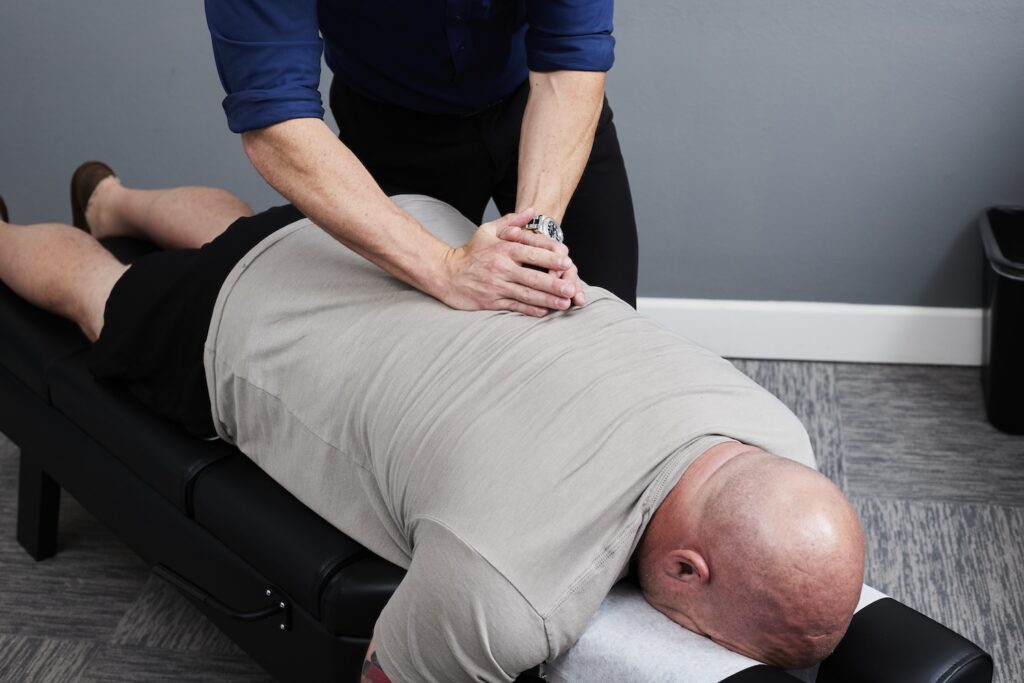
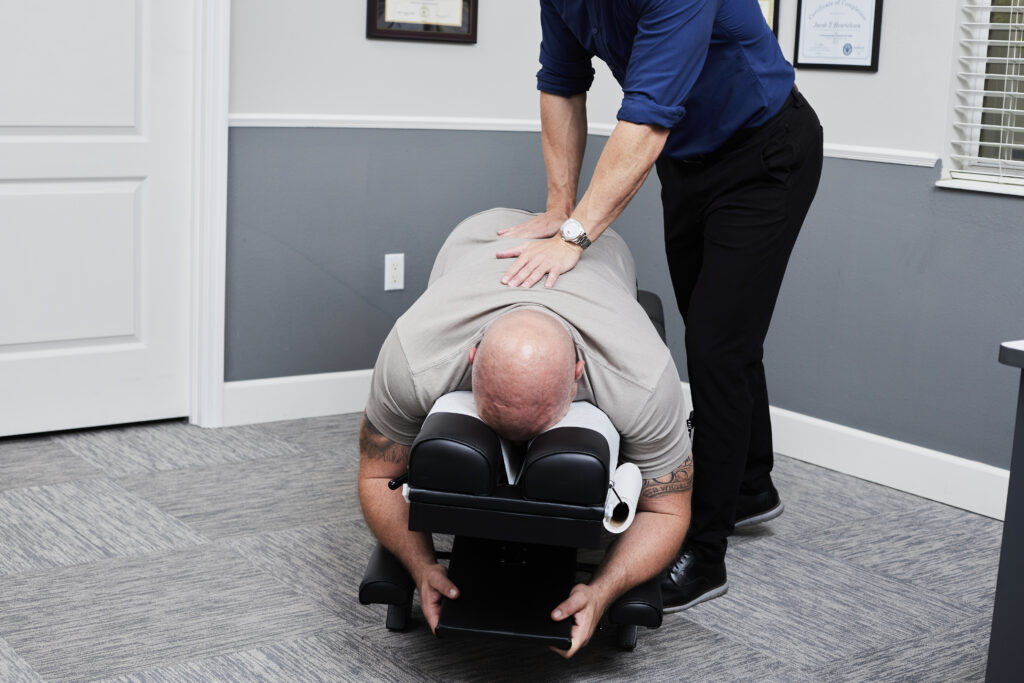
One of the key approaches I recommend is chiropractic care. Through precise adjustments, we focus on realigning the spine, which can enhance your mobility and reduce discomfort. Many patients find that regular chiropractic adjustments not only alleviate pain but also improve their overall well-being.
Another effective option is massage therapy. This technique helps to ease muscle tension and improve circulation, which can be particularly beneficial for those dealing with chronic back pain.
If you’re interested in holistic approaches, consider incorporating herbal remedies and supplements, such as turmeric or ginger, into your routine. These natural options may help reduce inflammation and support your healing process.
Mind-body practices, like yoga and meditation, are also excellent for fostering relaxation while enhancing flexibility and strength. These practices can complement chiropractic care by promoting a balanced and healthy body.
Additionally, physical therapy can play a vital role in your recovery. It provides customized exercises designed to strengthen your back and improve your posture, which is essential for preventing future pain.
Before you embark on any new treatment, it’s crucial to consult with a healthcare professional. This ensures that the approach aligns with your specific needs and overall health.
Conclusion
As your local chiropractor, I want to empower you to take control of your recovery from muscle strain and back pain. Understanding your symptoms is the first step, and I encourage you to recognize when your body is signaling distress. Applying immediate relief techniques, such as ice or gentle stretches, can alleviate discomfort in the short term.
I also emphasize the importance of committing to regular stretching and strengthening exercises. These practices not only enhance your flexibility but also provide the necessary support for your back. Maintaining good posture throughout your daily activities is crucial, as it can significantly reduce the risk of future issues.
Engaging in low-impact activities like walking or swimming can also be beneficial. If you find that pain persists despite your efforts, please don’t hesitate to reach out for professional help. Chiropractic care offers natural healing solutions tailored to your individual needs. By embracing these lifestyle changes, you can achieve lasting relief and enjoy a healthier, more active life. Remember, you don’t have to navigate this journey alone; I’m here to support you every step of the way.